
Wedding dresses with sleeves
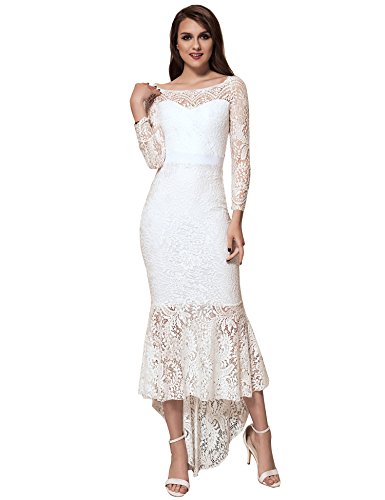
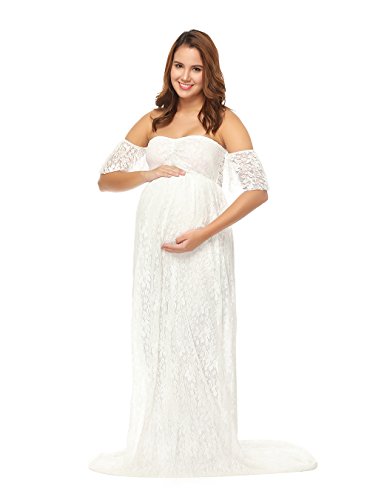
Nine in ten dresses in this collection have sleeves of some kind, and around a third have full long sleeves. Lace dominates: roughly two thirds of the styles here use it, usually as the sleeve itself rather than only on the bodice.This is a smaller, focused collection rather than a broad one, so expect a curated selection instead of hundreds of near-identical options. Just under a quarter are plus size, around a quarter have a train, and mermaid is the most common structured silhouette.For bridal styles without sleeve coverage, see bridal dresses, or browse modern wedding dresses for contemporary cuts.


High Neck Wedding Dresses Mermaid Satin White Prom Dress with Slit Sleeveless Formal Evening Party Gown Size 2
Original price was: $49.99.$45.99Current price is: $45.99.




Wedding Dresses with Sleeves: Frequently Asked Questions
Are sleeved wedding dresses suitable for a church ceremony?
Yes, and it is one of the main reasons brides choose them. Many churches, temples and mosques expect shoulders and upper arms covered during the ceremony, and a sleeved dress removes the need for a separate cover-up that has to be managed and removed later.
What is an illusion sleeve?
A sheer mesh sleeve, usually with lace applique on top, designed to match the wearer's skin so the applique appears to float. It gives the outline of coverage without the warmth of a solid sleeve.
Do illusion sleeves work on all skin tones?
Most illusion mesh is produced in a narrow range of light tones, so on deeper skin the mesh reads as a visible layer rather than disappearing. That is workable if you choose a dress where the mesh is meant to be seen, in ivory or a contrasting tone, rather than one designed to vanish.
Which measurement matters most?
Upper arm circumference. A bridal sleeve rarely has enough seam allowance to be let out, so a sleeve that binds when you raise your arms cannot be fixed. Armhole depth matters second, since a shallow armhole restricts movement.
Can sleeve length be altered?
Yes, provided the cuff is plain. A lace-edged or beaded cuff is expensive to shorten and the alteration usually removes the design detail, so check the cuff finish before ordering.
Are sleeves too warm for a summer wedding?
It depends on the lace weight rather than the sleeve itself. Heavy corded lace is warm; light chantilly or eyelash lace is cool and drapes softly. Illusion mesh sleeves are the coolest form of coverage.
Is a mermaid gown with sleeves practical?
It is the most restrictive combination in this collection. The skirt limits stride length while the sleeves limit arm movement, so the overall range of motion is narrower than in most bridal styles. A-line and ball gown cuts pair more comfortably with sleeves.
What should I check if the dress has a train?
Whether it has a bustle point or a wrist loop for lifting during the reception. Around a quarter of these dresses have a train, and combined with sleeves the gown is heavier to wear than the sum of the two suggests.
Does bridal sizing run small?
Generally yes, sometimes by two sizes or more compared with standard clothing. Ordering your usual size without checking the specific listing's chart is the most common mistake in this category.
Why Brides Choose Sleeves
Sleeves on a wedding dress are usually chosen for one of four reasons, and knowing which applies to you narrows the options quickly.
Religious or venue requirements. Many churches, temples and mosques expect shoulders and upper arms covered during the ceremony. A sleeved dress removes the need for a separate cover-up that has to be managed and removed later.
Season. A winter wedding in an unheated venue is a long day in a strapless dress. Sleeves are practical rather than decorative here.
Coverage preference. The most common reason and the least often stated. Many brides simply feel more themselves with their arms covered, and a sleeve removes the question entirely.
The look itself. Long lace sleeves have a specific, recognizable character that a strapless dress with a separate bolero does not replicate.
Sleeve Types in This Collection
Long lace sleeves. The dominant style here, given how heavily lace features. Usually built on an illusion mesh base with lace applique on top, so the sleeve reads as decorated rather than solid.
Illusion sleeves. Sheer mesh matched to skin tone, with or without applique. These give the outline of coverage without the warmth, which suits summer ceremonies and venues with a coverage expectation but a warm climate.
Cap and short sleeves. Cover the shoulder and the top of the arm only. The lightest form of coverage and the easiest to wear in heat.
Three-quarter sleeves. End between elbow and wrist. Less common in bridal than in occasion wear, but they suit anyone who wants coverage without a full sleeve.
Bishop and balloon sleeves. Full through the arm, gathered at the cuff. A more contemporary look that adds visual volume to the upper body.
Illusion Sleeves and Skin Tone
This is the detail that causes the most disappointment, and it is worth understanding before ordering.
An illusion sleeve works by matching the mesh to the wearer's skin so the applique appears to float. Manufacturers produce most illusion mesh in a narrow range of light tones. On deeper skin, the mesh reads as a visible layer rather than disappearing, which changes the effect entirely.
If the mesh will be visible against your skin, that is not automatically a problem, but it does mean choosing a dress where the mesh is intended to be seen, such as one in ivory or a contrasting tone, rather than one designed to vanish. Customer photographs are far more useful than studio images for judging this.
Fit Through the Arm
Sleeved bridal gowns have fit points that strapless ones do not, and they are the ones most likely to make a dress uncomfortable across a long day.
Upper arm circumference matters most. A bridal sleeve rarely has enough seam allowance to be let out, so a sleeve that binds when you raise your arms cannot be fixed. Measure your upper arm at the fullest point and compare against the listing where a measurement is given.
Armhole depth comes second. A shallow armhole restricts arm movement, which matters during a ceremony that involves lifting your arms, embracing people and being photographed with your arms raised.
Sleeve length is the one point that alters easily, provided the cuff is plain. A lace-edged or beaded cuff is expensive to shorten and the alteration usually removes the design detail.
Trains and Weight
Around a quarter of these dresses have a train. Combined with sleeves, this creates a weight distribution issue worth thinking about.
A train adds fabric weight that pulls downward from the waist and hips. Sleeves add weight at the shoulders. Together they make a gown noticeably heavier to wear than the sum suggests, particularly across several hours.
If the dress has both, check whether the train has a bustle point or a wrist loop for lifting it during the reception. A gown with a train and no bustle option becomes difficult to move in once the ceremony is over.
Silhouettes
Mermaid cuts are the most common structured silhouette here at over a third of the collection. Mermaid with sleeves is a demanding combination: the skirt limits stride length while the sleeves limit arm movement, so the overall range of motion is narrower than in most bridal styles.
Ball gown and A-line styles appear less often. Both give more freedom of movement and pair more comfortably with sleeves for a long day.
Just under six in ten dresses here are floor length, with the remainder in shorter and tea lengths.
Fabric
Lace accounts for around two thirds of this collection, which is a much higher proportion than in bridal generally. That reflects how strongly lace and sleeves are associated in wedding dress design.
Not all lace is equal in weight. A heavy corded lace sleeve is warm and holds its shape. A light chantilly or eyelash lace is cooler and drapes softly. If the wedding is in summer or the venue is warm, the lace weight matters more than the lace pattern.
Beaded details appear in around one dress in seven. Beading on a sleeve adds weight where you feel it most, so it is worth checking how extensive it is if the ceremony is long.
Sizing and Ordering
Just under a quarter of listings here are plus size. Bridal sizing generally runs smaller than standard clothing sizing, sometimes by two sizes or more, so ordering your usual size without checking the specific chart is the most common ordering mistake in this category.
Take bust, waist, hip and upper arm. Compare all four against the listing's own chart rather than a general size guide, and check our US size chart for conversions.
Order early. Bridal gowns are the item where a return and replacement cycle is most likely to be needed, and alterations to a sleeved gown take longer than to a simple one.
Related Collections
For contemporary bridal cuts, see modern wedding dresses. For the full bridal range, browse bridal dresses. For sleeved occasion wear rather than bridal, see three-quarter sleeve dresses.