
Red and white wedding dresses
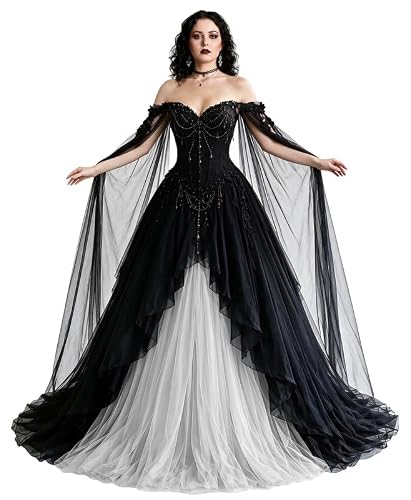
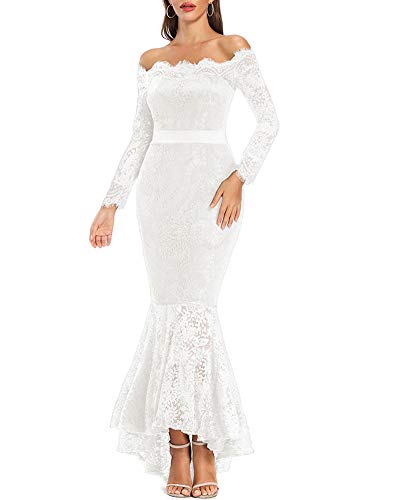
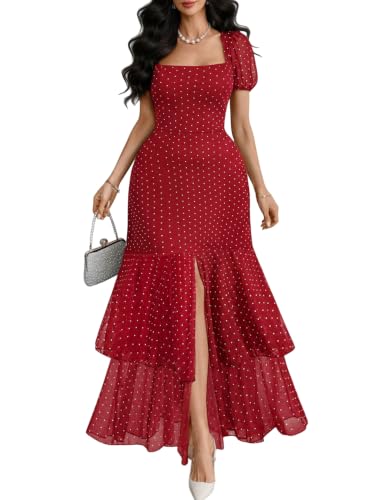
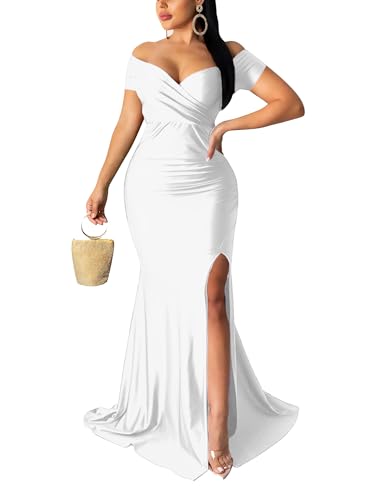
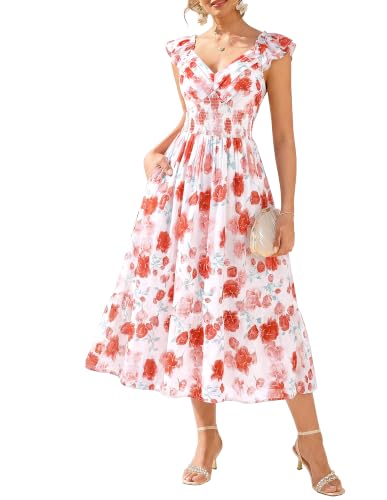
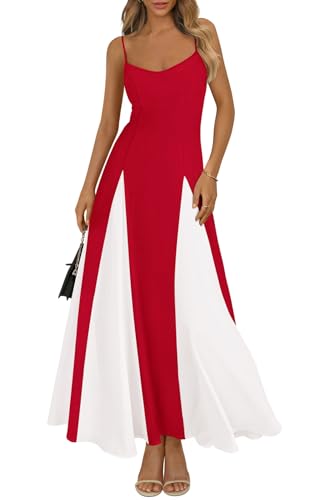
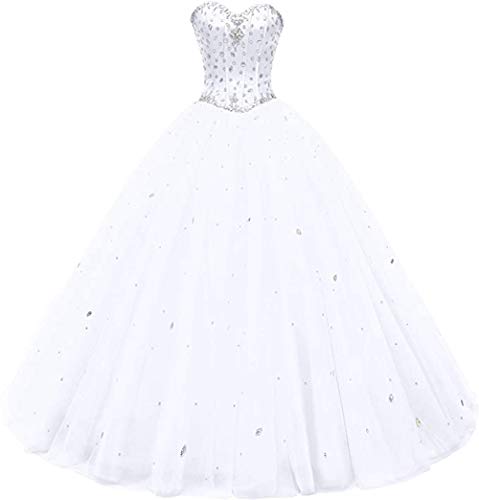
A red and white combination is built two different ways, and the collection here reflects both: gown cuts account for just over a third, and sweetheart necklines and sleeveless styles each appear in around a fifth. Red and white both register strongly across the listings, at just under seven in ten and just under half respectively.Ball gown cuts appear in around one in eight, alongside mermaid and A-line at similar shares, showing a genuine spread of silhouettes rather than one dominant cut.Bridal styling sits at around one in twelve, so most of this collection serves prom, cocktail and guest wear rather than the ceremony gown itself. For a solid red guest dress instead, see red dresses for weddings.












Red and White Wedding Dresses: Frequently Asked Questions
How is a red and white combination usually made?
Two main ways: color-blocked panels with a clean division between solid red and white areas, or an ombre gradient blending the two, usually red deepening toward the hem. A printed pattern version also exists but is less common.
Is this collection mostly for brides?
No. Bridal styling sits at around one in twelve listings; most of this collection reads as prom and cocktail wear that uses the combination for its high contrast rather than for bridal purposes specifically.
Can I get red as a bridal accent rather than a full color-block?
Yes, in the smaller bridal-leaning share of this collection. A red sash, an underlay beneath white lace, or trim at the hem gives a deliberate touch of red while the overall dress stays recognizably bridal.
Does red-and-white have cultural bridal significance?
Red is the primary bridal color in Chinese and several other traditions. A red-and-white dress can bridge a Western white-gown tradition with one where red carries bridal meaning, if the red is placed with that significance in mind.
Which fabric suits which construction?
Lace and tulle both appear across ball gown and A-line cuts and can carry either color-block or ombre construction. Chiffon's natural drape suits a soft gradient particularly well.
Which silhouette works best for a color-block design?
Mermaid, though less common here, gives a clean fitted edge for the color division to follow. Ball gown and A-line, the more common cuts in this collection, work with either color-block or ombre approaches.
Where does this collection fit best?
Quinceañera and prom events, cocktail and formal evenings where high contrast reads as deliberate, and the smaller bridal share built with a train or veil-appropriate construction.
How do I find the bridal-specific dresses in this collection?
Filter for ball gown or A-line cuts with a train or veil-appropriate construction, and look for red used as an accent, sash or underlay rather than full color-blocking.
Does sizing run consistently across this collection?
No, it spans prom, cocktail and bridal from mixed brands. Read the specific listing's own chart rather than assuming consistency across the group.
Two Ways Red and White Are Combined
The construction behind this pairing changes what the dress actually looks like far more than the color names alone suggest.
Color-blocked panels place solid areas of red and white against each other, often a white bodice with a red skirt or the reverse, with a clean division between the two. This is the more common approach and gives a graphic, high-contrast result.
Ombre or gradient blends the two colors into each other across the dress, usually red deepening toward the hem from a paler or white bodice, giving a softer transition than the block-color version.
A third, less common version uses a printed pattern, such as a polka dot or floral motif in red against a white ground, which reads more playful and less overtly bridal than either of the two constructions above.
Why the Bridal Share Is Small Here
Bridal styling sits at around one in twelve listings, well below what a dedicated bridal color page would show, and it is worth understanding why before assuming this collection is built for the ceremony gown.
Most of this collection reads as prom and cocktail wear that happens to use a red and white combination, since both are simply eye-catching, high-contrast colors for evening events generally rather than colors chosen specifically for bridal use.
The bridal-leaning minority tends toward the ball gown and A-line cuts present here, using red as an accent, a sash or an underlay beneath white lace, rather than a fully color-blocked garment. If bridal use is your specific goal, filtering for these more traditional silhouettes and checking for a train or veil-appropriate construction narrows the search considerably.
Red as a Bridal Accent Rather Than a Full Garment
For a bride who wants some red without leaving white bridal territory entirely, a red sash at the waist, a red underlay visible through lace, or red trim at the hem or sleeves gives a deliberate touch of color while keeping the overall silhouette and formality unmistakably bridal.
This is a meaningfully different choice from a fully color-blocked red-and-white gown, which reads as a much bolder, more overtly colored garment, closer to the prom and cocktail end of this collection than to a traditional wedding gown with an accent.
Cultural Note
Red carries significant bridal meaning in several traditions, including Chinese weddings, where red is the primary and most auspicious bridal color rather than an accent.
A red-and-white combination can work as a considered bridge for a couple blending Western white-gown tradition with a culture where red carries bridal significance, using white as the base with red incorporated meaningfully rather than as decoration.
If this is the intent, it is worth discussing with family members familiar with the tradition to ensure the amount and placement of red carries the right significance rather than reading as simply a stylistic choice.
Fabric and Construction
Lace, at around one in six listings, and tulle, at a similar share, both appear across the ball gown and A-line cuts, and either can carry a color-block or ombre construction depending on how the dress is built.
Chiffon, present in a smaller share, suits a flowing gradient version well, since the fabric's natural drape works with a soft color transition rather than a hard-edged block.
Mermaid cuts, at around one in twelve, are the least common silhouette here but pair with a color-blocked construction dramatically, since the fitted line through the hip gives a clean edge for the color division to follow.
Where This Collection Fits
Quinceañera and prom events, where a bold two-tone dress is a common and expected choice, particularly in the ball gown cuts represented here.
Cocktail and formal evening events, where the high contrast reads as a deliberate statement rather than an unusual one.
Bridal use specifically, for the smaller share of this collection built with a train, veil-appropriate construction or accent placement rather than full color-blocking.
Sizing
Take bust, underbust, waist and hip as standard, adding thigh for the mermaid cuts present in a smaller share of this collection.
Since the collection spans prom, cocktail and a small bridal share from mixed brands, read the specific listing's chart rather than assuming consistency across the group. The US size chart covers conversions.
Related Collections
For a solid red guest dress, see red dresses for weddings. For a more dramatic two-tone alternative, browse red and black wedding dresses. For other departures from a solid white gown, see non-white wedding dresses.