
Non white wedding dresses
Non-white bridal has moved from a niche request to a mainstream one, and this collection reflects that shift: three quarters mention weddings and it runs almost as heavily into prom, at just under six in ten, since colored formal gowns overlap naturally between the two occasions.Gowns account for six in ten listings and ball gown cuts around three in ten. Lace leads the fabric mix at around a third, with satin at just under a quarter.Around a quarter are plus size, which is better coverage than most bridal collections on the site. For a specific alternative shade, see burnt orange dresses.
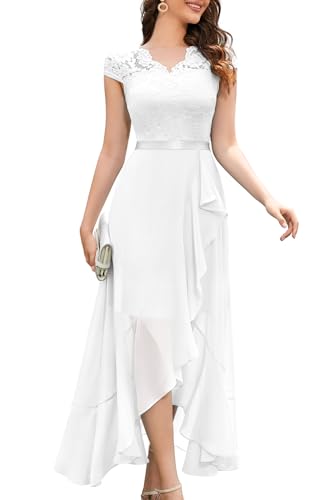
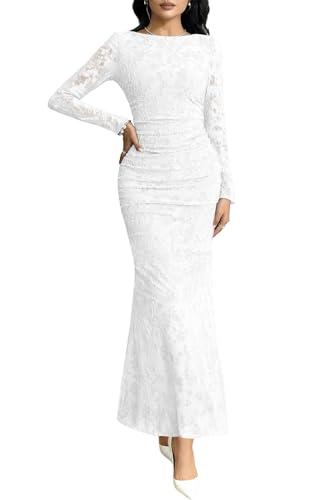


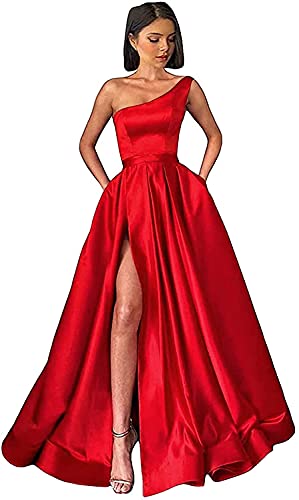


Halter Long Prom Dresses Mermaid with High Slit Red Satin Bridesmaid Dress for Women Formal Party Gowns Size 12
Original price was: $49.99.$45.99Current price is: $45.99.


Non-White Wedding Dresses: Frequently Asked Questions
What does non-white actually cover?
Anything from a fully colored gown identical in construction to a traditional white one, to an off-white neutral like blush or champagne, to a colored accent on an otherwise white or ivory dress. Around a third of this collection is closer to off-white than to a saturated color.
Why do brides choose a non-white dress?
Common reasons include a second marriage, personal style that does not otherwise include white, a themed or non-traditional wedding, and cultural traditions where colors other than white carry their own long bridal history.
Which colors read as bridal rather than costume?
Black in a traditional silhouette with lace or beading reads sophisticated. Deep jewel tones read intentional and formal. Very bright, highly saturated colors in a costume-like cut are most likely to read as fancy dress rather than bridal.
Does color alone make a dress read as a wedding gown?
Less than construction does. A train, a bridal veil worn with it, a structured boned bodice and a bridal rather than evening silhouette all signal the occasion regardless of color, which is why these details matter as much as the shade.
Which fabric suits a colored bridal gown?
Lace, at around a third of listings, gives the same bridal texture a white dress would carry. Satin concentrates the color for the richest result. Tulle, common in ball gown cuts, provides the traditional bridal volume in whatever shade it is dyed.
How do I tell this from a colored prom gown?
Check for a train or a bridal-length hem. A bridal-leaning colored gown tends toward a structured traditional silhouette with less overt decoration; a prom-leaning one tends toward corset backs and more revealing construction.
Is plus sizing available?
Around a quarter of listings mention it, meaningfully better coverage than most bridal collections on the site.
Are ball gown cuts common here?
Around three in ten are ball gowns and a similar share have trains, both of which carry a strong bridal signal regardless of the color chosen.
Should I order my usual size?
Order to your largest measurement and expect alterations, as with any bridal gown. For mermaid cuts, add a thigh measurement to the usual bust, underbust, waist and hip.
What Non-White Actually Covers
The term is broader than most people expect, and it is worth being specific about which version you want before browsing.
At one end sits a colored wedding gown in every other respect identical to a traditional white one: same silhouette, same formality, same bridal construction, in black, red, emerald or another saturated shade.
At the other end sits an off-white or warm neutral, such as blush or champagne, that reads as bridal from a distance but is not technically white. Around a third of this collection is closer to this second reading.
Between the two sits a colored accent on an otherwise white or ivory dress: a colored sash, a colored underlay beneath lace, or a colored trim. This is the most common compromise for someone drawn to color but not ready to leave white behind entirely.
Why Brides Choose It
A handful of reasons recur, and they call for slightly different dresses.
A second marriage, where many people prefer a dress that does not read as a repeat of the traditional white gown.
Personal style, particularly for someone who does not wear white as a rule and does not want to make an exception for one day.
A themed or non-traditional wedding, where color is part of the overall concept rather than a departure from it.
Cultural tradition, since white as the default bridal color is a relatively recent and largely Western convention; red, gold and other colors carry their own long bridal traditions elsewhere.
Which Colors Read as Bridal and Which Read as Costume
Color choice affects how the dress reads more than construction does, and it is worth thinking through before ordering.
Black, worn in a traditional bridal silhouette with lace or beading, has become widely accepted and reads as a deliberate, sophisticated choice rather than a departure.
Deep jewel tones, emerald, sapphire and burgundy, read as intentional and formal, particularly at an evening wedding.
Red carries strong cultural bridal associations in several traditions and reads celebratory rather than unusual in those contexts.
Very bright or highly saturated colors, worn in a costume-like silhouette, are the combination most likely to read as fancy dress rather than bridal. The construction and formality of the gown matter as much as the color itself.
Construction Still Reads Bridal
What makes a colored dress read as a wedding gown rather than simply a formal dress in color has less to do with the shade and more to do with the details a traditional gown carries.
A train, a bridal-length veil worn with it, a bodice with boning and structure, and a silhouette drawn from bridal rather than evening wear all signal the occasion regardless of color.
Around three in ten listings here have a ball gown cut and around three in ten have a train, both of which carry that bridal signal strongly. A colored slip dress with none of these reads as an unconventional choice of formal wear rather than as a wedding gown specifically, which may be exactly what some brides want.
Fabric
Lace, at around a third of listings, is the most common and gives a colored gown the same bridal texture a white one would carry, since the pattern reads as bridal regardless of the base color.
Satin, at just under a quarter, concentrates the color and gives the richest, most saturated result, which suits deep jewel tones particularly well.
Tulle, at around one in five, is common in the ball gown cuts and gives the traditional volume associated with bridal, in whatever color it is dyed.
Where This Overlaps With Prom
With prom mentions running almost as high as wedding mentions in this collection, filtering matters.
A bridal-leaning colored gown tends toward a more structured, traditional silhouette, a train, and less overt decoration like cut-outs or sheer paneling.
A prom-leaning colored gown tends toward brighter or more saturated shades, corset backs, and more revealing construction.
Checking for a train or a bridal-length hem is the fastest filter if you specifically want a wedding gown rather than a formal evening dress in color.
Sizing
Around a quarter of listings mention plus sizing, meaningfully better coverage than most bridal collections here.
Take bust, underbust, waist and hip, and for mermaid cuts at around one in eight listings, add thigh.
As with any bridal gown, order to your largest measurement and expect alterations. The US size chart covers regular and plus conversions.
Related Collections
For a specific alternative shade, see burnt orange dresses or sage green dresses. For other departures from tradition, browse non traditional wedding dresses. For gold specifically, see gold dresses for weddings.