1950s wedding dresses
The 1950s marked a significant turning point in bridal fashion, characterized by timeless elegance and a return to classic femininity. This era was a response to the austerity of the war years, and it brought a sense of opulence back to the forefront of fashion.
Today, the 1950s style wedding dresses continue to captivate brides with their vintage charm and sophisticated allure. This exploration into 1950s bridal fashion delves into the key trends, styles, and influences that defined this iconic decade.
Embracing the Hourglass Silhouette
The quintessential 1950s bridal look was epitomized by its emphasis on the hourglass silhouette. Designers like Christian Dior revolutionized fashion with the "New Look", which accentuated the waist and featured full skirts. This style quickly became a staple for wedding dresses, embodying grace and romantic femininity.
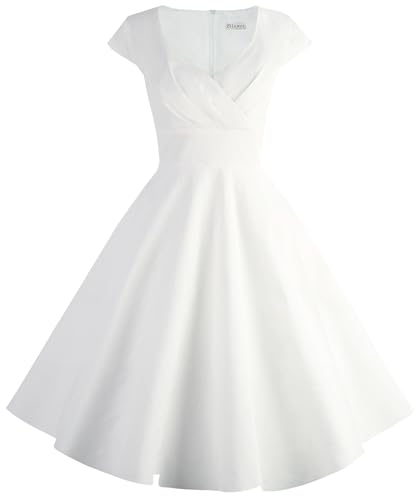
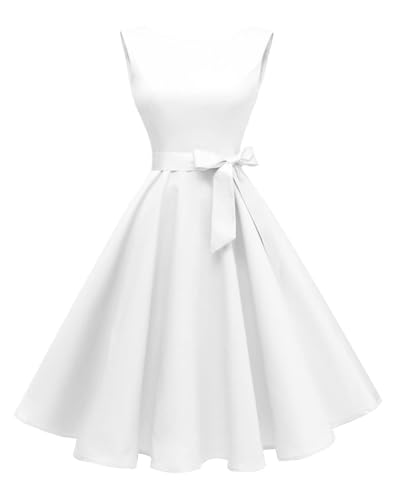
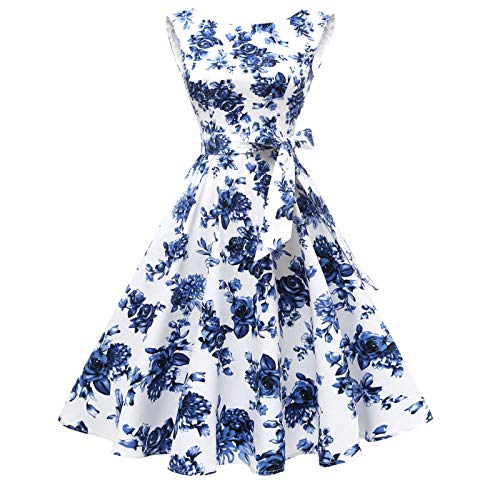
The 1950s wedding dresses often featured nipped-in waists and voluminous skirts that flared out, creating a dramatic and elegant effect. This silhouette was not only flattering but also versatile, allowing brides to express their personal style through variations in fabric, embellishments, and lengths.
Floor-Length Elegance
Floor length 1950s wedding dresses were synonymous with elegance and sophistication. The long, flowing skirts added a sense of grandeur to the bridal ensemble, making it perfect for formal and traditional ceremonies. The use of luxurious fabrics such as satin, tulle, and lace further enhanced the opulent feel of these gowns.
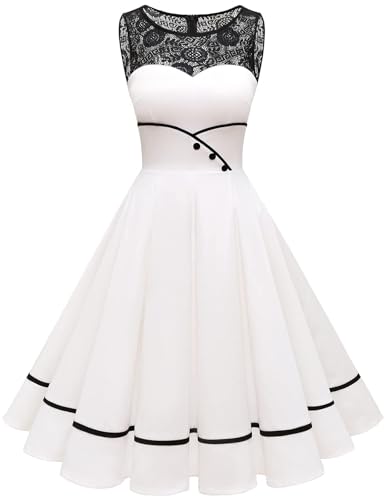
The floor-length design was often accompanied by intricate detailing, such as lace overlays and delicate embroidery. These embellishments added texture and depth to the dresses, creating a timeless beauty that continues to inspire modern bridal fashion.
Key Elements of 1950s Bridal Fashion
A Touch of Vintage Charm with Sleeves
A notable trend in 1950s wedding dresses was the inclusion of sleeves. Unlike the sleeveless styles popular in later decades, 1950s wedding dresses with sleeves offered a modest yet elegant option for brides. Sleeves were often crafted from lace or sheer materials, adding a delicate touch to the overall design.
The use of sleeves not only provided additional coverage but also allowed for creative embellishments. Lace sleeves with intricate patterns or buttoned cuffs became a signature element of 1950s inspired wedding dresses, offering a blend of vintage charm and contemporary sophistication.
The Versatility of Tea-Length Dresses
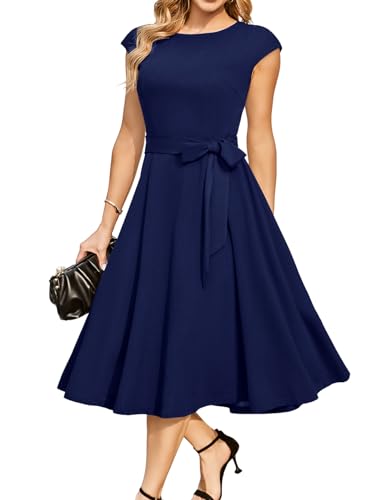
While floor-length gowns dominated the 1950s bridal scene, tea-length dresses emerged as a popular alternative for brides seeking a less formal yet stylish option. These dresses featured skirts that fell between the knee and ankle, offering a more playful and youthful look.
Tea-length 1950s wedding dresses were often chosen for daytime ceremonies or outdoor weddings, where a full-length gown might be less practical. The shorter length allowed brides to showcase their footwear, adding a touch of personality to their ensemble.
Fabrics and Embellishments
The choice of fabric played a crucial role in defining the elegance of 1950s wedding dresses. Luxurious materials such as silk, satin, and tulle were favored for their smooth textures and ability to drape beautifully. Lace was another popular choice, often used for overlays, sleeves, and veils, adding a romantic and ethereal quality to the gowns.
Embellishments such as beading, embroidery, and appliqué were used to enhance the visual appeal of the dresses. These intricate details added a touch of glamour and sophistication, making each gown a work of art in its own right.
The Influence of Iconic 1950s Brides
Grace Kelly: A Royal Inspiration
The wedding of Grace Kelly to Prince Rainier III of Monaco in 1956 remains one of the most iconic bridal moments of the 20th century. Her gown, designed by Helen Rose, featured a high-necked lace bodice, long sleeves, and a full satin skirt, epitomizing the elegance and sophistication of 1950s bridal fashion.
Grace Kelly's wedding dress set a precedent for future brides, influencing bridal designers for decades to come. The combination of classic style and regal elegance continues to inspire 1950s vintage wedding dresses for sale today.
Audrey Hepburn: The Quintessential 1950s Bride
Another influential figure in 1950s bridal fashion was Audrey Hepburn. Her wedding dress in the movie "Funny Face" featured a tea-length design with a fitted bodice and full skirt, capturing the essence of 1950s inspired wedding dresses.
Hepburn's style was characterized by its simplicity and elegance, making her a fashion icon for brides seeking a timeless and sophisticated look. Her influence can still be seen in modern bridal collections that embrace the classic elegance of the 1950s.
Where to Find 1950s Vintage Wedding Dresses
For brides seeking the timeless elegance of 1950s bridal fashion, there are numerous options available. Vintage boutiques and online marketplaces offer a wide selection of authentic 1950s wedding dresses for sale, allowing brides to find their perfect gown with ease.
When searching for 1950s vintage wedding dresses, it's important to consider factors such as condition, alterations, and sizing. Many vintage dresses may require minor alterations to achieve the perfect fit, so it's advisable to work with a skilled tailor who specializes in vintage garments.
Conclusion: A Lasting Legacy
The 1950s were a golden era for bridal fashion, characterized by timeless elegance and a return to classic femininity. The key trends and styles from this decade continue to inspire modern brides, offering a blend of vintage charm and contemporary sophistication.
Whether it's the hourglass silhouette, the elegance of floor-length gowns, or the playful allure of tea-length dresses, 1950s style wedding dresses hold a special place in the hearts of brides and fashion enthusiasts alike. Their lasting legacy is a testament to the enduring appeal of 1950s bridal fashion, ensuring that the elegance of this iconic decade remains timeless.