
Sheath wedding dresses
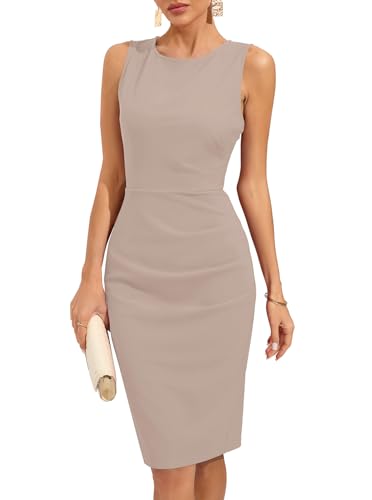
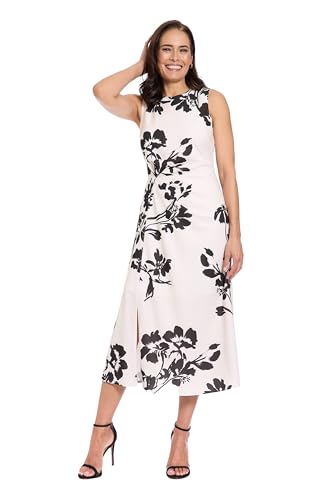
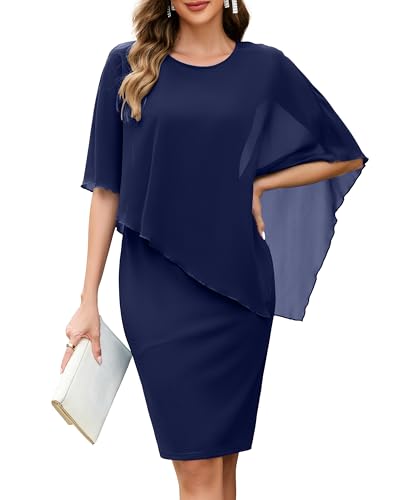
A sheath falls straight from the shoulder to the hem, following the body without flaring at the waist. It is the least structured bridal silhouette and the easiest to move in, which is why it dominates courthouse ceremonies, elopements and destination weddings.Lace appears in half these listings and around a third are explicitly sheath cuts. Just under half have sleeves, around one in six has a slit and fewer than one in ten has a train, which is unusually low for bridal and tells you what this shape is for.Around a third are prom styles, so filtering helps. For a cleaner take on the same idea, see minimalist wedding dresses.
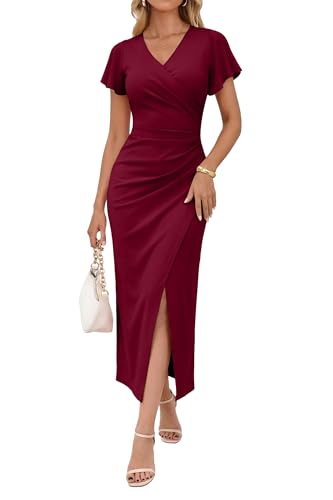
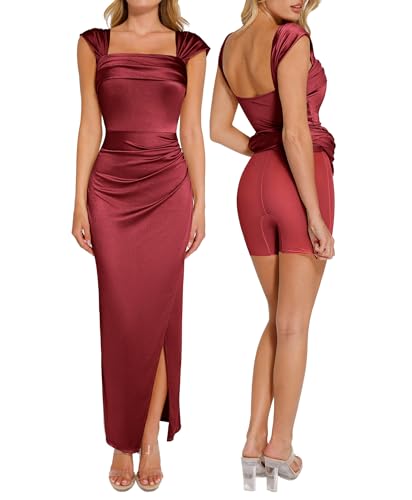
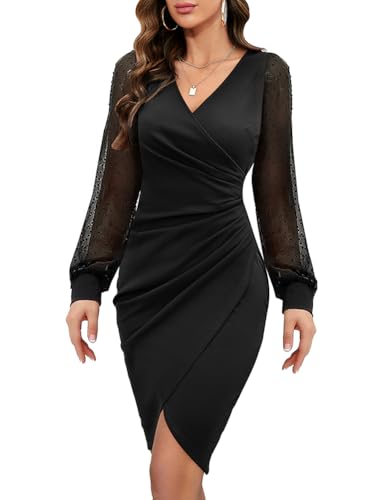









Sheath Wedding Dresses: Frequently Asked Questions
What is the difference between a sheath and a column?
Very little, and the terms are often swapped. Where a distinction is made, column is the straighter and more architectural of the two. Both fall from shoulder to hem without flaring at the waist.
How do I tell a sheath from a mermaid in a photograph?
Look at the silhouette between hip and knee. On a sheath the fabric hangs straight down. On a mermaid it narrows before flaring. On an A-line it widens.
Why do so few have trains?
Fewer than one in ten do, because this is the silhouette people choose when the wedding involves moving. It packs flat, needs no bustle, and lets you sit at a table without arranging anything.
Is a sheath unforgiving?
More than an A-line, since there is no flare to create volume away from the body. Lining and lace both help considerably, which is part of why lace makes up half this collection.
What should I wear underneath?
Seamless shapewear shorts rather than briefs, since a brief edge sits exactly where a sheath is closest to the body. This matters more here than in any bridal cut except mermaid.
Do I need a slit?
At floor length it is functional rather than decorative. A narrow skirt restricts stride length, and a slit restores normal walking. Around one dress in six here has one.
Which fabric travels best?
Crepe. It holds a straight line like satin but hides creasing far better, which matters if the dress is going in a suitcase for a destination wedding.
How do I filter out the prom styles?
A bridal sheath is white, ivory or champagne, usually lined, and rarely has cut-out panels. A prom sheath comes in color, often has a corset back or sheer bodice sections, and tends to be shorter.
Is a sheath easy to alter?
Among the easier bridal silhouettes: side seams take in cleanly and plain hems shorten easily. The exception is lace applique crossing a side seam, which is common here given the fabric mix.
Sheath, Column, A-Line and Mermaid
These four get used interchangeably in listings and they are not the same shape. Knowing which you are looking at saves a return.
Sheath follows the body from shoulder to hem with no waist seam creating flare. It skims rather than grips, and there is usually a small amount of ease through the hip.
Column is close to identical and the terms are often swapped. Where a distinction is made, column is the straighter and more architectural of the two.
A-line fits at the bust and widens gradually from there, so it moves away from the body rather than following it.
Mermaid grips through the hip and thigh then flares below. It is fitted where a sheath is skimming.
The quickest test on a product photograph: look at the silhouette between hip and knee. On a sheath the fabric hangs straight down. On a mermaid it narrows. On an A-line it widens.
The Practical Bridal Silhouette
Fewer than one dress in ten here has a train, and that single number explains what this collection is for.
A sheath is the shape people choose when the wedding involves moving. A courthouse ceremony followed by lunch. An elopement on a hillside. A destination wedding where the dress has to survive a suitcase. A registry office followed by a restaurant.
It packs flat, needs no bustle, does not require someone to carry it up steps, and lets you sit down at a table without arranging anything. None of that is true of a ball gown.
It is also the most common choice for a second dress, worn at the reception after a more structured ceremony gown, for the same reasons.
What a Straight Cut Reveals
A sheath has nowhere to hide, and it is worth being clear about that before ordering.
Because there is no flare at the waist, the fabric sits close to the stomach and hip throughout. There is no volume to disguise anything, unlike an A-line, where the skirt moves away from the body from the waist down.
Two things change this considerably. Lining, which prevents the outer fabric from clinging, and lace, which at half this collection is the most common fabric here and breaks up the surface enough to disguise more than smooth satin.
Seamless shapewear matters more in this silhouette than in any other bridal cut except mermaid. Shorts rather than briefs avoid an edge at the thigh, which is exactly where a sheath sits closest.
Fabric
Lace, at half the collection, is the dominant fabric and usually sits over a lining. Corded lace holds a straighter line than fine lace and suits the silhouette better.
Chiffon, at around a fifth, is the softest option. It moves rather than holds shape, which makes it the choice for a beach or garden ceremony, though it needs a full lining.
Satin, at around one dress in seven, gives the cleanest line and the most formal read. It also shows every seam and contour, so the fit has to be right.
Crepe, which appears throughout without always being named, is the most practical: it holds a straight line like satin but hides creasing far better, which matters if the dress is travelling.
Length
Around a third of listings are floor length, with the rest shorter, which is a much broader spread than most bridal collections.
Floor length in a sheath is the most formal version and still considerably easier to walk in than a ball gown, since the skirt is narrow rather than voluminous.
Midi and tea length sheaths suit civil ceremonies and read as contemporary rather than traditional.
Around one dress in six has a slit. In a narrow silhouette this is more functional than decorative: a floor-length sheath without a slit restricts stride length, and the slit restores normal walking.
Sleeves and Necklines
Just under half these listings have sleeves, which is high for bridal and consistent with the contemporary positioning of the shape.
A plain fitted long sleeve on a sheath is one of the most recognizable modern bridal looks and solves coverage for religious ceremonies at the same time.
Around one dress in eight is sleeveless. V-neck is the most common named neckline at around one in eleven.
Because the silhouette is quiet, the neckline carries most of the visual interest. A cowl, a deep V or a square neck does more work on a sheath than it would on a decorated gown.
Filtering the Prom Styles
Around a third of this collection is prom wear, and the same straight silhouette is common in both categories.
The markers that separate them: a bridal sheath is white, ivory or champagne, usually lined, and rarely has cut-out panels. A prom sheath comes in color, frequently has a corset back or sheer bodice sections, and is often shorter.
Around one dress in nine here is described as bodycon, which is a different shape again, fitted rather than skimming. Worth checking, since bodycon and sheath are used loosely by some sellers.
Sizing and Alterations
Take bust, underbust, waist and hip, measuring the hip at your fullest point rather than the standard measuring position, since a sheath follows the body closely there.
Bridal sizing runs smaller than standard clothing sizing, often by two sizes. Read each listing's own chart.
Sheath dresses are among the easier bridal silhouettes to alter. Side seams take in cleanly, plain hems shorten easily, and there is no skirt structure to disturb.
What is harder: lace applique crossing a side seam, which many dresses here have given the fabric mix. Check where the lace pattern sits relative to the seams before assuming an alteration will be simple. The US size chart covers conversions.
Related Collections
For plainer versions of the same idea, see minimalist wedding dresses. For alternative styling, browse non traditional wedding dresses. For sleeved bridal, see wedding dresses with sleeves.