
African wedding dresses
When many picture a wedding dress, they imagine a vision in white. But across Africa, bridal attire is a breathtaking kaleidoscope of color, telling the story of a family’s history, a community’s pride, and a nation’s soul. This vibrant fashion communicates through a rich symbolic language. The brilliant gold threads in a Ghanaian Kente cloth signify royalty, while patterns in Nigerian Aso Oke fabric can tell a story passed down through generations. These garments are more than just dresses—they are declarations of heritage.



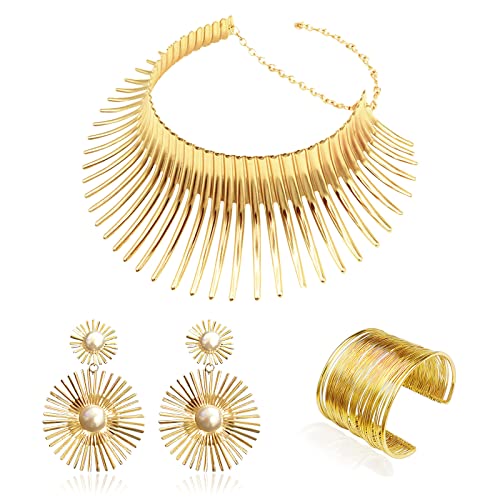

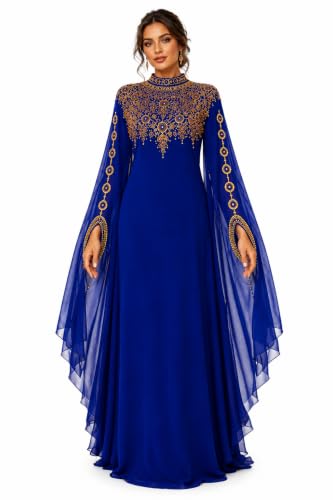


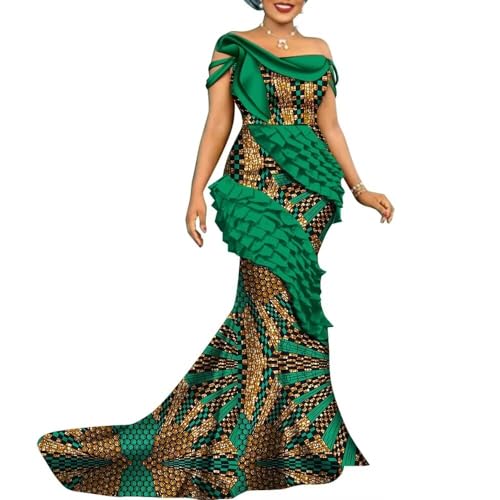


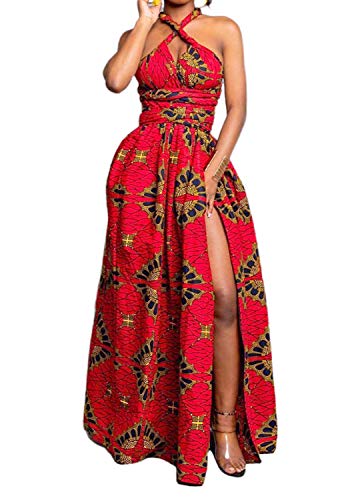


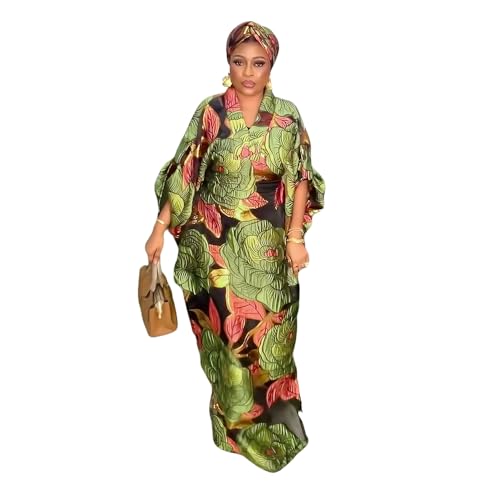


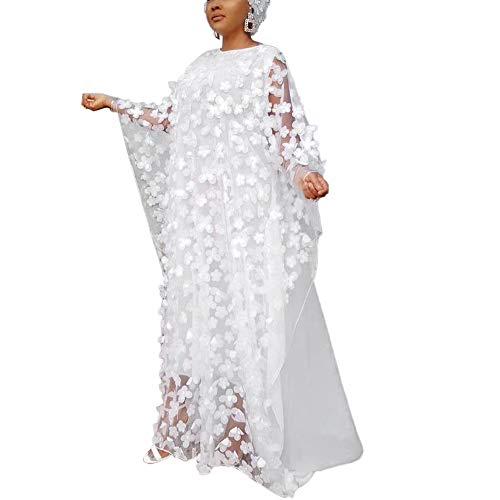
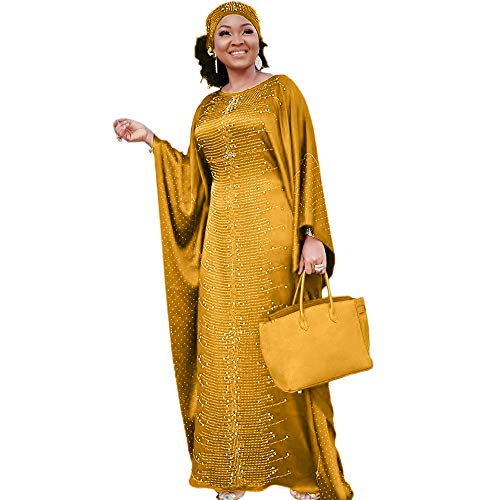


From iconic textiles to modern interpretations, here is a look at the stories behind these stunning designs.
Ghanaian Kente and Nigerian Aso Oke
If one fabric has captured the world's imagination, it’s the brilliant, multicolored Kente cloth. Originating with the Ashanti people of Ghana, this globally recognized textile is made of handwoven strips of silk and cotton. Beyond its beauty, every color and pattern in Kente tells a story. Just as white often symbolizes purity in Western weddings, specific hues carry deep cultural meaning. The frequent use of gold traditionally represents royalty, wealth, and spiritual purity, making it a perfect blessing for a new union.
In neighboring Nigeria, another treasured textile is Aso Oke (pronounced ah-show oh-kay). This hand-loomed cloth is a cornerstone of wedding attire, especially among the Yoruba people. It’s often used to create a stunning ensemble called an Iro and Buba, which consists of a traditional wrap skirt (Iro) and a matching blouse (Buba). While both Kente and Aso Oke are born from a masterful weaving tradition, they tell different visual stories.
How South African Brides Wear Shweshwe and Beads
In South Africa, a different textile legacy takes center stage with Shweshwe fabric. Unlike the woven textiles of West Africa, Shweshwe is a printed cotton famous for its intricate geometric patterns. While traditionally produced in deep indigo blue, it now appears in a rich palette of reds and browns, forming the foundation for many stylish South African wedding outfits.
This striking fabric is often paired with another powerful form of cultural expression: Zulu beadwork. More than just adornment, these intricate pieces are a form of non-verbal communication. In traditional beaded Zulu bridal attire, specific colors and patterns can convey messages about family, marital status, and even personal feelings. For example, red can symbolize love and passion, while white represents spiritual purity and hope. The result is a breathtaking combination of tradition and personal style, where heritage is proudly celebrated.
The Timeless Elegance of the Ethiopian Habesha Kemis
In the Horn of Africa, Ethiopian bridal fashion offers a stunning lesson in understated elegance. Many Ethiopian brides wear the Habesha Kemis, a traditional dress often made from sheer, white, hand-woven cotton. Its beauty lies in its graceful silhouette and delicate craftsmanship, challenging the perception of what a traditional African wedding dress can be.
The defining feature of this gown is its exquisite embroidery, known as Tibeb (pronounced ti-beb). These intricate, colorful bands of geometric patterns are typically woven or sewn along the neckline, cuffs, and hem. More than just decoration, the Tibeb is a canvas for artistry, with designs representing different regions or simply showcasing breathtaking skill. It adds a vibrant, personal story to the gown’s ethereal white fabric.
African Wedding Colors and the 'Family Cloth'
Beyond the fabric itself, color is a powerful language at African weddings. Shades of blue might be chosen to represent love and harmony, while green can symbolize new life and prosperity for the couple. These symbolic palettes aren't universal; the meanings vary beautifully from one ethnic group to another, painting a unique picture of a family’s heritage.
A striking tradition in many communities is Aso Ebi (pronounced ah-show eh-bee), a Yoruba term from Nigeria meaning “family cloth.” A specific fabric, often a vibrant Ankara print, is selected for close friends and family, who have it tailored into their own individual styles. At the ceremony, the matching fabric creates a visual wave of solidarity, making it easy to see who belongs to the couple’s supportive community. Aso Ebi is a powerful, non-verbal declaration that says, “We stand with this union.”
Finding a Modern or Traditional African Bridal Gown
Inspired to incorporate these traditions into your celebration? Many African bridal gowns are custom-made, allowing you to collaborate with a designer to create a look that blends cultural heritage with your unique vision. Finding a reputable designer is more accessible than ever.
- Instagram & Pinterest: Use specific hashtags like #KenteBride or #ShweshweDress to discover designers and see real wedding inspiration.
- Etsy: Many skilled artisans and shops specialize in tailoring authentic African textiles into breathtaking gowns.
- Local Designers: Look for designers within the diaspora community in your city or region.
A designer’s cultural specialty is key to an authentic creation. This world is also wonderfully inclusive; finding beautiful plus-size African bridal wear is common, as custom work is made to your exact measurements for a flawless fit.
More Than a Dress: Appreciating the Artistry
Where you once saw a beautiful dress, you can now see a story. From the woven meaning of Kente cloth to an elegant Habesha Kemis, each garment is a rich language of cultural identity. The ability to recognize a style—whether it's from Ghana, Ethiopia, or South Africa—is not a test, but an opportunity to connect with a specific heritage. It is the ability to see a unique story, woven with pride in every stitch.