
Gold Wedding Dresses: Radiating Elegance and Glamour
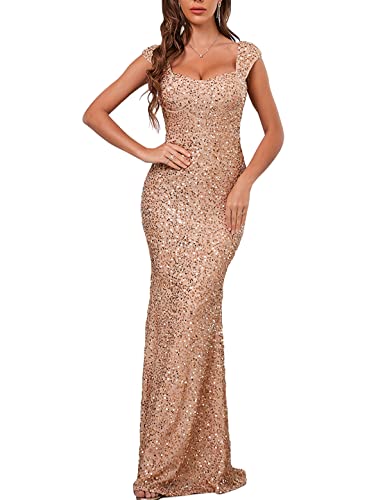
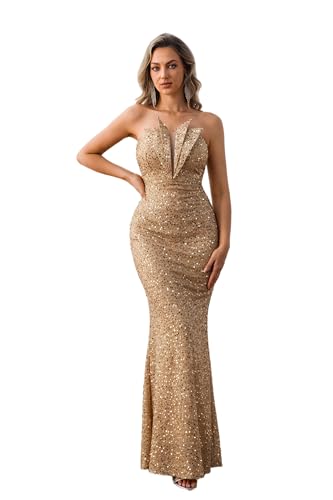
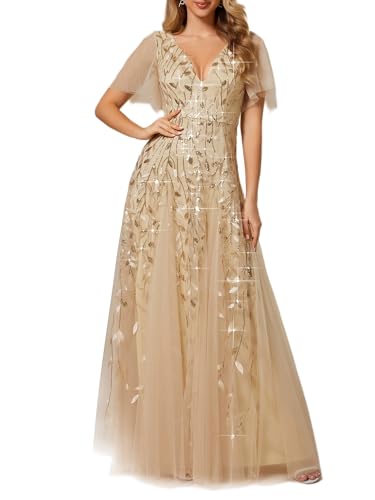
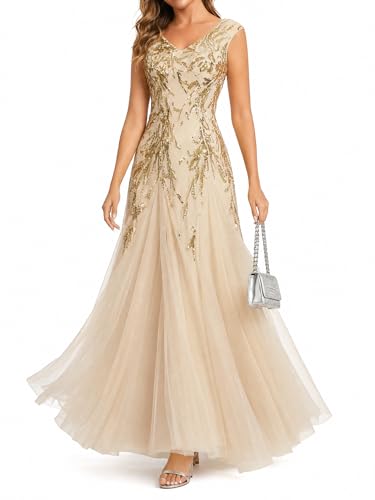
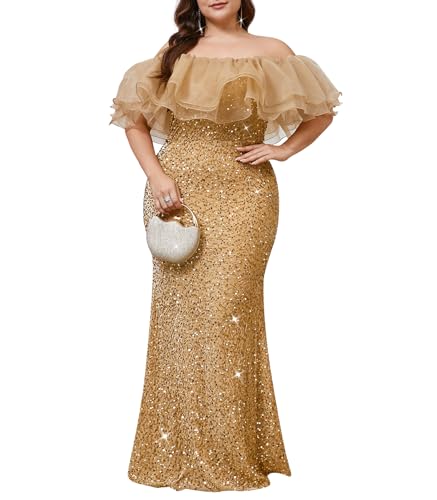
Gold at a wedding is worn mostly by guests, mothers and the wedding party rather than by the bride, and this collection reflects that. Just over half the listings are evening styles and a quarter mention guests, against around one in eight described in mother-of-the-bride terms.Sequin accounts for half the fabric mentions, which is the usual way gold is achieved. Just under half are described as gowns and around three in ten have sleeves.Around a third are prom styles. For metallic alternatives, see silver formal dresses.











Gold Dresses for Weddings: Frequently Asked Questions
Can the bride wear gold?
Occasionally, usually in a pale champagne-gold rather than a true metallic, or as a second dress at the reception. A fully gold bridal gown is a deliberate statement rather than a default. Most gold at weddings is worn by guests and mothers.
Can a guest wear gold?
Yes, with one check: pale champagne-gold can read as ivory in photographs. If the shade is very light, hold it against a white background before the day.
What is the difference between gold and champagne?
True gold is a saturated metallic yellow that reads as color. Champagne is a pale warm neutral with a gold lean, usually matte or lightly shimmered, which reads as a neutral and sits much closer to ivory.
Does gold suit every complexion?
It is the warmest metallic. Warm and olive complexions and deeper skin tones carry it easily. Cool complexions often do better in champagne or antique gold than in a bright true gold.
How do I know if gold or silver suits me?
Hold gold jewelry and silver jewelry against your face in daylight. Whichever makes your skin look more even is the metal that suits you, and dress metallics follow the same rule.
Why are so many sequined?
Half of them are, because a metallic surface is easier to achieve with applied sequins than with dyed fabric. That brings weight, texture against the skin, and shedding on the dance floor.
Are there alternatives to sequin?
Lamé and metallic-woven fabrics, where the shine is in the weave rather than applied, and metallic brocade, which has pattern and body without loose elements.
How does gold photograph?
Richest under warm reception lighting. Lighter and flatter in daylight, where a pale gold can wash out toward cream. Under direct flash it can flare and lose surface detail entirely.
Which colors pair with gold?
Navy and deep green give the depth gold needs; black and gold is the classic evening pairing. Avoid silver, since two metallics at different temperatures compete, and that includes the shoes.
Who Actually Wears Gold to a Wedding
Worth setting out, because the search term covers several different people and the right dress differs for each.
Guests and the wedding party are the largest group, and gold is a straightforward evening choice that is nowhere near bridal white.
Mothers of the bride and groom, at around one listing in eight here, where gold and champagne are long-established alternatives to navy and silver.
Brides, occasionally, usually in a pale champagne-gold rather than a true metallic. A fully gold bridal gown is a deliberate statement rather than a default.
Second dresses, worn by the bride at the reception after a white ceremony gown. Gold suits this well because it reads celebratory without competing with the earlier look.
If you are a guest, one rule applies: pale champagne-gold can read as ivory in photographs. If the shade is very light, check it against a white background before the day.
Gold, Champagne and the Shades Between
These get used interchangeably and they are different enough to matter.
True gold is a saturated metallic yellow. Bright, reflective and the most declarative.
Champagne is a pale warm neutral with a gold lean, usually matte or lightly shimmered rather than fully metallic. At around one listing in ten here, and the shade closest to ivory.
Antique or old gold is duller and browner, with a muted finish. Reads vintage rather than glamorous.
Rose gold is pink-toned and belongs to a different family altogether despite the shared word.
The practical distinction: true gold and antique gold read as color. Champagne reads as a neutral, which makes it far easier to wear and much closer to bridal territory.
Warm Gold Against Skin
Gold is the warmest metallic, and it interacts with complexion more than silver does.
On warm and olive complexions, gold is the natural metallic and sits comfortably.
On cool complexions it can look harsh in a bright true gold, while a paler champagne or an antique gold works better.
On deeper skin tones gold reads richly and is one of the strongest metallic choices available.
If you are unsure, the test is straightforward: hold a piece of gold jewelry and a piece of silver against your face in daylight. Whichever makes your skin look more even is the metal that suits you, and dress metallics follow the same rule.
Sequin Is the Default and It Has Consequences
Half the listings here use sequin, because a metallic surface is easier to achieve with applied sequins than with dyed fabric.
That brings weight. A fully sequined floor-length gown is considerably heavier than it appears, and over an evening that weight is felt, particularly on a strapless or thin-strapped bodice.
It also brings texture against the skin. Sequin edges can scratch the inner arm across several hours, and a lined dress is substantially more comfortable.
And it sheds. Individual sequins detach, and on a dance floor they end up on other people's clothing and in the venue's carpet.
Alternatives worth looking for: lamé and metallic-woven fabrics, where the shine is in the weave rather than applied, and metallic brocade, which has pattern and body without loose elements.
How Gold Photographs
Metallic fabric reflects rather than absorbs light, which makes it the most variable thing to photograph at a wedding.
Under warm reception lighting, gold reads rich and deep. This is where it looks best.
In daylight it reads lighter and flatter, and a pale gold can wash out toward cream.
Under direct flash it flares brightly and can lose all surface detail, turning the dress into a white shape.
A matte accent alongside, a clutch, a wrap or a belt in a solid color, gives the eye a fixed reference and helps the outfit hold together across different lighting.
What Gold Goes With
Navy and deep green are the strongest pairings, giving depth and contrast that gold needs.
Black and gold is the classic evening combination and reads most formal.
Blush and champagne create a soft tonal palette that suits daytime.
Where it struggles: beside silver, since two metallics at different temperatures compete, and beside bright warm colors such as orange or yellow, where gold loses definition.
For shoes, nude or metallic gold keeps the line clean. Silver shoes with a gold dress is the combination to avoid.
Sizing
Around one listing in twelve is plus size, which is thin coverage.
Sequin fabric has almost no stretch and minimal seam allowance, and seams run through the decoration, which makes alterations difficult and often visible.
Order to your largest measurement rather than planning to take in. Take bust, underbust, waist, hip and, for mermaid cuts at around one in five here, thigh.
This collection mixes occasion labels with contemporary brands, so read each listing's chart. The US size chart covers conversions.
Related Collections
For cooler metallics, see silver formal dresses. For mother-of-the-bride specifically, browse mother of the bride dresses. For wedding guests, see wedding guest dresses.