
White and blue wedding dress
This collection connects directly to an old wedding rhyme: something old, something new, something borrowed, something blue. Bridal styling leads at just under seven in ten listings, and gowns account for over eight in ten, making this a genuinely bridal-focused collection rather than a prom or guest crossover.Satin dominates the fabric mix at just under four in ten, and halter necklines appear in around a quarter. Prom styling still shows up in around a third, worth filtering for if bridal formality specifically matters.For blue as a full-color guest option instead, see light blue bridesmaid dresses.


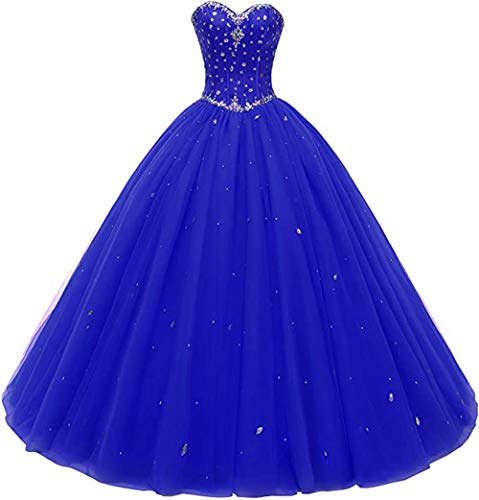


White and Blue Wedding Dresses: Frequently Asked Questions
Why is blue specifically associated with white wedding dresses?
The English wedding rhyme something old, something new, something borrowed, something blue, dating back to Victorian England, associates blue with fidelity and love. Brides have added a touch of blue to an otherwise white look for generations.
Does this mean the dress is mostly white with a small blue detail?
It can be either. This collection includes subtle blue accents, like a sash or underlay, that follow the traditional rhyme, and also bolder full two-tone or color-blocked constructions that move further from a traditional white gown.
Where does the accent version usually place the blue?
A sash or ribbon at the waist is most traditional. A blue underlay beneath lace shows through the pattern subtly, and blue trim at the hem is a more understated option, sometimes only visible when the skirt moves.
Why is satin the dominant fabric here?
It holds a clean, defined edge between colors better than a softer fabric, which matters for both color-block construction and for an underlay color showing through consistently rather than diffusing unpredictably.
Why are halter necklines common?
They appear in around a quarter of listings and often accompany the bolder two-tone constructions rather than the subtle accent versions. As with any halter, check for internal bodice structure.
How do I avoid the prom-leaning styles?
Look for blue used as a subtle accent rather than a bold block, and for a train or veil-appropriate construction. Prom-leaning styles tend toward brighter blue, corset backs and less traditional bridal detail.
Is this collection mostly bridal or does it include other uses?
Mostly bridal. Gowns account for over eight in ten listings and bridal styling for just under seven in ten, though around a third still reads as prom.
Does a mermaid cut appear in this collection?
Yes, and the same fit considerations apply as any other mermaid silhouette: minimal ease through the hip and thigh, so add a thigh measurement to your standard sizing.
Do the brands here run consistently in size?
No, since the collection spans bridal and prom-adjacent labels. Check each listing's own chart rather than assuming consistency across the group.
The Tradition Behind Blue at a White Wedding
Something old, something new, something borrowed, something blue is a well-known English wedding rhyme, and blue's place in it is why this specific color combination exists as its own bridal category rather than simply being one of many two-tone options.
The rhyme dates back to Victorian England and traditionally each item carries its own symbolism, with blue representing fidelity and love. Brides have incorporated blue into an otherwise white or ivory wedding look for generations, usually as a small accent rather than a dominant color, which shapes how this collection is actually used.
Accent Versus Full Two-Tone Construction
Two different approaches share this search term, and knowing which you want changes what to look for.
Blue as an accent, in keeping with the traditional rhyme, appears as a sash at the waist, a blue underlay beneath white lace, blue trim at the hem, or blue detailing on the sole of a shoe, something visible to the wearer or in specific photographs without dominating the overall white silhouette.
Full two-tone construction combines white and blue as genuine color-blocked or contrasting panels, a considerably bolder choice that moves further from the traditional white gown than a small accent does.
With gowns at over eight in ten and bridal at just under seven in ten, this collection includes both, and it is worth deciding which reading you actually want before browsing, since the two produce very different results.
Where Blue Appears as an Accent
A blue sash or ribbon at the waist is the most traditional placement, visible throughout the day without altering the dress's overall white appearance from a distance.
A blue underlay beneath a lace skirt or bodice shows through the lace pattern subtly, giving a cooler cast to the white lace above it without introducing a separate visible block of color.
Blue trim at the hem, sometimes only visible when walking or when the skirt moves, is a more understated version of the same idea.
If the traditional rhyme is the reason you are drawn to this combination, these accent placements are worth seeking out specifically over the bolder color-block versions.
Why Satin Dominates
Satin, at just under four in ten listings, holds a clean, defined edge between the two colors better than a softer fabric like chiffon would, which matters for any two-tone or color-block construction where a crisp division reads more intentional than a blurred one.
Satin also takes an underlay or lining color clearly, which suits the accent approach where a blue lining needs to show through consistently rather than diffusing unpredictably.
Halter Necklines in This Collection
Halter necklines appear in around a quarter of listings, higher than in many bridal collections, and often accompany the more dramatic two-tone constructions in this group rather than the subtle accent versions.
As with any halter neckline, checking for internal bodice structure matters, since the weight runs through the neck strap rather than being distributed across two shoulders.
Filtering Out the Prom Styles
Around a third of this collection reads as prom rather than bridal, and the markers that separate them are similar to other two-tone collections on the site: a prom-leaning white and blue dress tends toward brighter blue, a corset back, and less traditional bridal construction like a train.
A bridal-leaning dress in this collection is more likely to use blue as a subtle accent rather than a bold block, and to carry a train or veil-appropriate construction.
Sizing
Take bust, underbust, waist and hip as standard, and for mermaid cuts present in this collection, add thigh.
Since the collection spans bridal and prom-adjacent brands, checking each listing's own chart rather than assuming consistency matters. The US size chart covers conversions.
Related Collections
For blue as a full guest color, see light blue bridesmaid dresses. For other two-tone bridal combinations, browse red and white wedding dresses. For structured satin specifically, see satin wedding dresses.