
Sheer wedding dresses
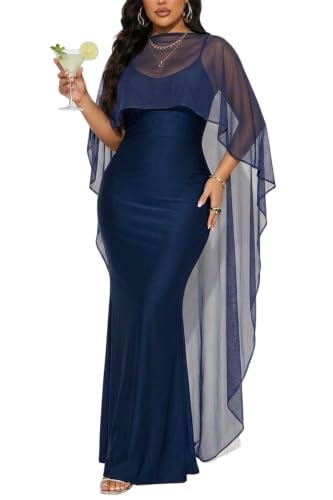
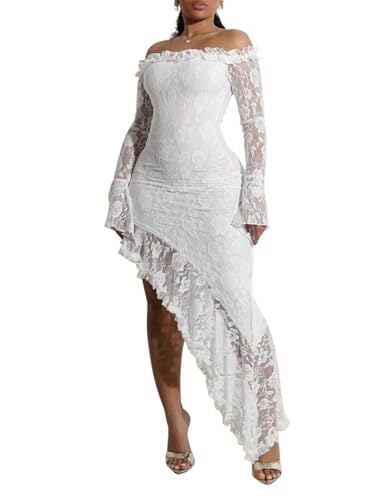
Sheer covers three quite different things in bridal, and the search term does not distinguish them. Around four in ten listings here name sheer explicitly and a similar share use lace, which is the most common way sheerness is introduced.Just over half have sleeves and around three in ten are sleeveless. Mermaid cuts account for around three in ten and trains for around one in five.Around three in ten mention guests rather than brides, so this collection serves more than one wearer. For sheer panels specifically at the neckline, see illusion neckline wedding dresses.





Sheer Wedding Dresses: Frequently Asked Questions
What does sheer actually mean here?
Three different things: sheer panels over a lined body, a sheer overlay over a complete dress underneath, or a genuinely transparent skirt or bodice. The third is the one people do not expect.
How do I check the lining?
Look for photographs taken outdoors or against strong light, since studio lighting is set to prevent transparency showing. The pattern to watch for is a skirt lined only to mid-thigh with sheer fabric below it.
Will a sheer panel satisfy a religious dress code?
Not always. Many venues expect opaque coverage of shoulders and chest, and some make the distinction explicitly. If the ceremony has a stated code, ask whether sheer counts rather than assuming.
What should I wear underneath?
Undergarments matched to your skin tone rather than to the dress, and seamless everything. A white bra under sheer white lace is more visible than a nude one, and any edge or band reads clearly through a sheer layer.
Which sheer fabric hides most?
Lace, because the pattern breaks up the transparency. Plain mesh and tulle are more uniformly see-through at the same level of sheerness, so lace is the safer choice if you want the look with less exposure.
Does sheer photograph differently?
Yes. Backlighting makes any sheer section considerably more transparent than it looks from the front, and direct flash cuts through layers that seem solid in ambient light. Worth mentioning to your photographer.
Is chiffon sheer?
Semi-sheer in a single layer, which is why chiffon dresses are almost always lined or layered. Organza is crisper and sheer with body rather than sheer and soft.
Can sheer panels be altered?
Among the harder elements. Taking in a side seam through mesh leaves a visible join, and applied lace will not line up afterwards. Order to fit the sheer section and adjust the solid parts instead.
Is this collection only for brides?
No. Around three in ten listings mention guests. For a guest, the same lining and dress code checks apply, plus the consideration that a sheer dress at someone else's wedding draws attention.
Three Things Called Sheer
Knowing which you are looking at saves an unwelcome surprise when the dress arrives.
Sheer panels over a lined body. Mesh or lace at the neckline, shoulders, back or waist, with solid fabric everywhere else. Skin shows through the panel by design, and nothing else does. The most common and the least risky.
Around half this collection has sleeves, and most of those are this type: sheer lace or mesh sleeves over a solid bodice.
Sheer overlay over a solid dress. A full layer of sheer fabric sits over a complete dress underneath. Nothing is actually transparent; the sheerness is decorative depth.
Genuinely sheer skirt or bodice. The fabric is transparent and what is underneath is either a brief lining or nothing at all. This is the one people do not expect, and it appears in bridal more often than you would think, usually in a skirt with a short lining and a sheer lower section.
The Lining Question
This decides everything and listings are inconsistent about it.
A dress described as fully lined has solid fabric behind every part except the deliberate sheer panels. Safe.
A dress with no lining mentioned is the risk. Check the photographs taken outdoors or against strong light, since studio lighting is set specifically to prevent transparency from showing.
The pattern to watch for: a skirt lined only to mid-thigh with sheer fabric below it. Indoors this reads as a floaty hem. Outdoors in sunlight it reads as legs.
Customer photographs are more useful than product images for this question than for almost any other.
Where Sheer Is and Is Not Appropriate
Worth checking before ordering rather than at the venue door.
Many churches, temples and other religious venues expect opaque coverage of shoulders and chest. A sheer panel looks covered but is not, and some venues make that distinction explicitly.
If the ceremony has a stated dress code, ask whether sheer counts. The answer varies and it is not something to assume.
Civil ceremonies, outdoor weddings and receptions have no such expectations, and sheer detailing reads as contemporary bridal design.
For the roughly three in ten listings here aimed at guests rather than brides, the same applies plus one more: a sheer dress at someone else's wedding draws attention, which is worth weighing.
What Goes Underneath
Sheer fabric shows what is beneath it, so the undergarments become part of the outfit rather than hidden.
Match to your skin tone, not to the dress. A white bra under sheer white lace is more visible than a nude one, which surprises people consistently.
Seamless everything. Any edge, seam or band reads clearly through a sheer layer.
Where the sheerness is at the back or waist, standard bra bands will show. Check how far the sheer section extends before assuming your usual underwear works.
For a genuinely sheer skirt, a matching nude slip is the solution, and it needs to be the right length rather than approximately right.
Fabric
Lace, at around four in ten listings, is the most common route to sheerness and the most forgiving, since the pattern breaks up the transparency.
Tulle and mesh give a smoother, more uniform sheerness and are used for illusion panels.
Organza is crisper than tulle, holds shape, and is sheer with body rather than sheer and soft.
Chiffon is technically semi-sheer in a single layer, which is why chiffon dresses are almost always lined or layered.
The practical distinction: lace hides more than plain mesh at the same level of transparency, so if you want the look with less exposure, lace is the safer fabric.
How Sheer Photographs
Transparent fabric behaves differently on camera than it does in a mirror.
Backlighting is the problem. Standing with a window or the sun behind you makes any sheer section considerably more transparent than it looks from the front.
Direct flash has a similar effect, cutting through layers that look solid in ambient light.
This is worth a word with the photographer, who can avoid backlit setups for a sheer dress, and it is worth knowing before the ceremony rather than seeing it in the album.
Silhouettes Here
Mermaid accounts for around three in ten listings, which is high and suits sheer detailing: a fitted silhouette with a sheer panel at the waist or back is a common contemporary bridal combination.
Trains appear in around one in five.
Just under four in ten are floor length, with maxi at around one in five.
A sheer overlay on a ball gown skirt creates depth and movement, and is the version where sheerness is decorative rather than revealing.
Sizing
This is a more specialized collection, and it mixes bridal with occasion labels.
Bust, underbust, waist and hip are the baseline, plus a thigh measurement wherever the skirt is fitted.
Sheer panels are among the harder elements to alter, since taking in a side seam through mesh leaves a visible join and any applied lace will not line up afterwards.
Order to fit the area that carries the sheer detailing, and adjust the solid sections instead. The US size chart covers conversions.
Related Collections
For sheer at the neckline specifically, see illusion neckline wedding dresses. Lace as the whole dress rather than a panel sits in vintage lace wedding dresses. For open backs, see low back wedding dresses.