
Greek wedding dress
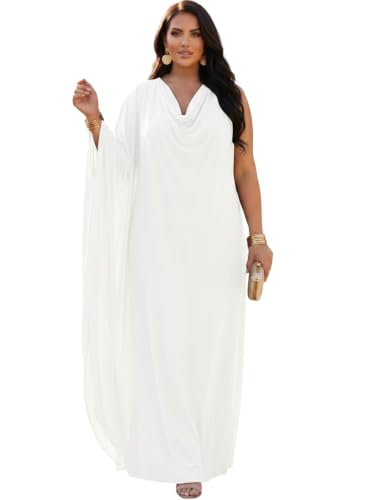
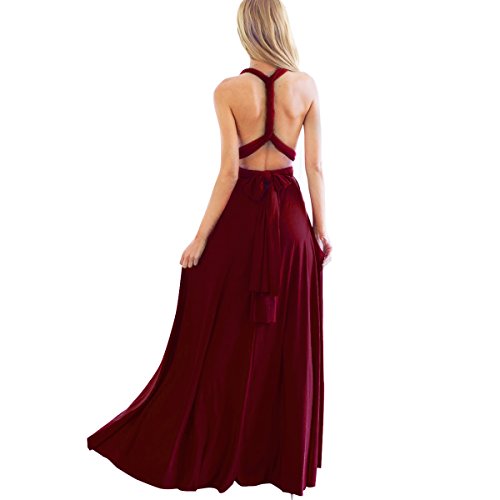
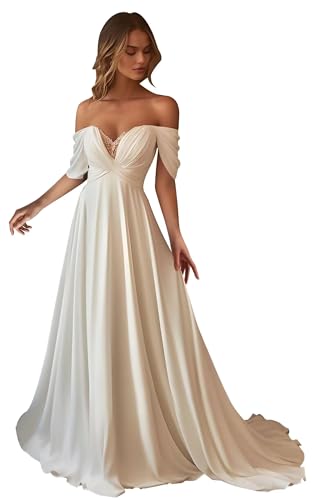
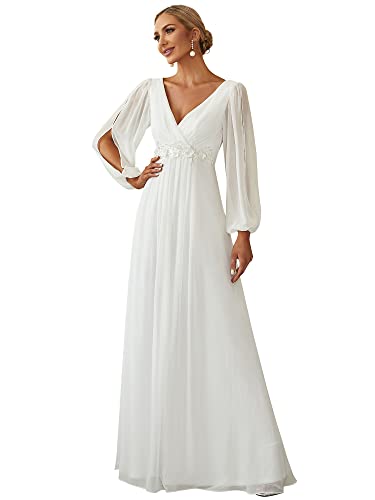
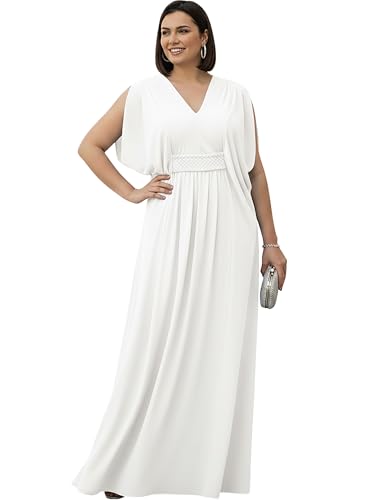
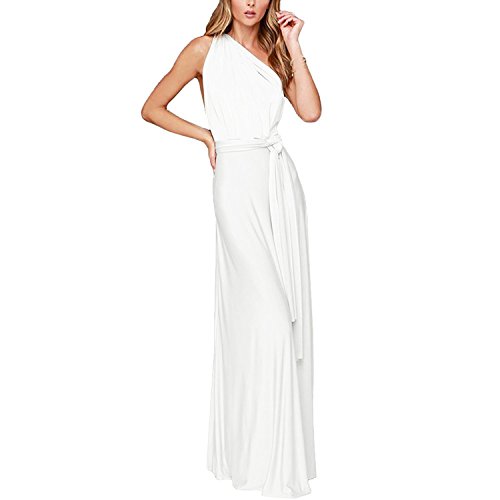
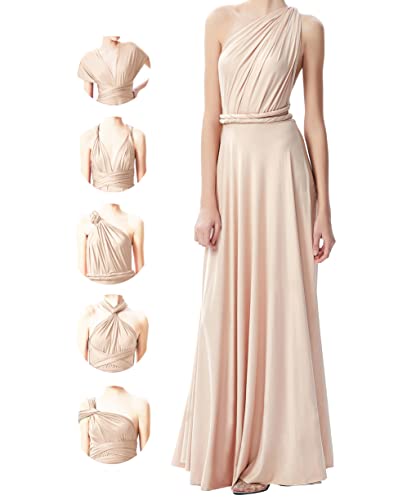
Grecian here names a silhouette, not a literal wedding tradition, and the collection reflects that: bridesmaid styling leads at just under six in ten listings, ahead of bridal at around one in seven. Gowns account for half, with halter and off-shoulder necklines each appearing in a smaller but notable share.Maxi length dominates at just over half, and white and ivory together account for most of the color mentions. Prom, guest and evening styling each show up strongly alongside bridesmaid.For an actual ceremony gown, see bridal dresses.









Grecian Wedding Dresses: Frequently Asked Questions
Is this an actual Greek wedding tradition?
No. A Greek Orthodox wedding follows its own religious ceremony, and the gown worn is generally a conventional Western bridal dress. Grecian here is a fashion term for a draped, goddess-style silhouette inspired by classical dress, not a literal cultural tradition.
Is this collection for brides or bridesmaids?
Mostly bridesmaids. Bridesmaid styling accounts for just under six in ten listings against roughly one in seven for bridal, so it functions primarily as a bridesmaid and evening silhouette.
What makes a dress read as Grecian?
Fabric gathered and pleated at one shoulder or the waist rather than cut and seamed like a fitted or A-line dress. The gathering point becomes the focal detail, with everything else falling in soft folds from it.
Why does fabric choice matter so much here?
The draping technique depends on a soft, fluid fabric that holds a drape without stiffness. A rigid fabric like satin or taffeta cannot achieve the effect regardless of cut, which is why chiffon dominates this collection.
Why are halter and one-shoulder necklines common?
Both connect directly to the classical reference, since an asymmetric or single-point drape from the shoulder is a recognizable feature of the style. As with any halter neckline, check for some internal support even in a soft draped dress.
Is this style forgiving for a bridal party with different body shapes?
Yes, more so than a fitted cut. The draping gathers around the body rather than needing to match it precisely, which is part of why it suits bridesmaid dressing so well.
Which fabric should I avoid?
Stiff satin or taffeta, which resist draping and will not gather the way the silhouette requires. Chiffon or a lighter crepe are the fabrics this style actually depends on.
Where does this style suit best?
Outdoor and destination weddings, warm-weather events generally, and bridal parties where body shapes vary and a forgiving silhouette matters more than a uniform fitted cut.
Does sizing need to be precise?
Less so than for a fitted dress, since the fabric gathers rather than matching the body exactly. Take standard measurements, but also check where the gathering point falls, since that decides how the drape sits.
What Grecian Actually Describes
Worth clarifying first, since the name suggests something more literal than what this collection contains. A traditional Greek Orthodox wedding follows its own religious ceremony, including elements like the exchange of crowns known as stefana, and the ceremony gown itself is generally a conventional Western bridal dress rather than any specific style.
Grecian, as a fashion term, refers instead to a silhouette inspired by classical Greek dress: soft draping, often gathered at one shoulder or the waist, flowing rather than structured, and evoking the goddess-style column associated with ancient statuary and dress. It is a style label rather than a description of actual Greek bridal custom.
Why Bridesmaid Leads This Collection
With bridesmaid styling at just under six in ten listings against bridal at around one in seven, this is primarily a bridesmaid and evening silhouette rather than a ceremony gown collection.
The draped, one-shoulder Grecian line suits a bridal party particularly well, since the soft gathering is forgiving across different body shapes, which matters when one style has to work for several people at once.
The Draping Construction
What defines this silhouette technically is fabric gathered and pleated at specific points, usually one shoulder, the waist, or both, rather than cut and seamed the way a fitted or A-line dress would be.
This construction depends on a soft, fluid fabric that holds a drape without stiffness. A rigid or heavily structured fabric cannot achieve the effect regardless of how it is cut, which is why chiffon and similarly soft fabrics dominate here.
The gathering point itself becomes the focal detail of the dress, since everything else falls in soft folds from it, which is a different visual logic from a dress built around a fitted bodice or an embellished surface.
One-Shoulder and Halter
Halter necklines appear in around a fifth of listings, and both halter and one-shoulder construction connect directly to the classical reference this silhouette draws on, since an asymmetric or single-point drape from the shoulder is a recognizable feature of the style it references.
As with any halter or one-shoulder neckline elsewhere on the site, the weight of the bodice runs through fewer points than a two-strap dress would, so checking for some internal support, even in a soft draped style, matters more than it might appear to at first glance.
Fabric
Chiffon is the fabric this silhouette depends on most directly, since its light weight and fluid drape is what allows the gathering technique to work.
A heavier crepe can achieve a similar effect with slightly more structure and less movement, suited to someone wanting the silhouette with a bit more substance.
What to avoid for a genuinely Grecian effect: stiff satin or taffeta, which resist draping and will not gather the way the silhouette requires.
Where This Style Suits Best
Outdoor and destination weddings, where the flowing, unstructured character matches the setting.
Warm-weather events generally, since the lightweight fabric this silhouette depends on is cooler to wear than a structured alternative.
A bridal party where body shapes vary, since the soft draping is genuinely more forgiving across different measurements than a fitted cut would be.
Sizing
A draped silhouette is more forgiving of exact measurement than a fitted one, since the fabric gathers rather than needing to match the body precisely.
Take bust, waist and hip as standard, and note that the gathering point itself, usually at the shoulder, needs to sit correctly for the drape to fall as intended, which is worth checking in reviews or photographs on a similar body type.
The US size chart covers conversions.
Related Collections
For an actual ceremony gown, see bridal dresses. For chiffon specifically across other styles, browse long chiffon bridesmaid dresses. For the one shoulder neckline in bridal, see one shoulder wedding dresses.