
Gatsby wedding dress
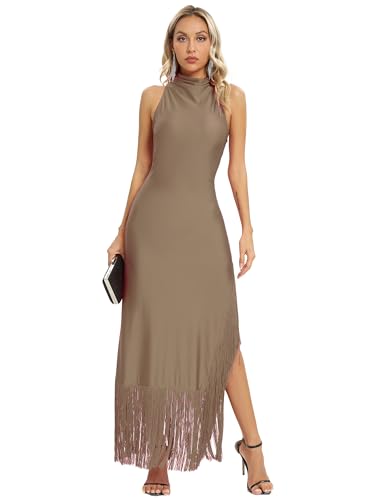
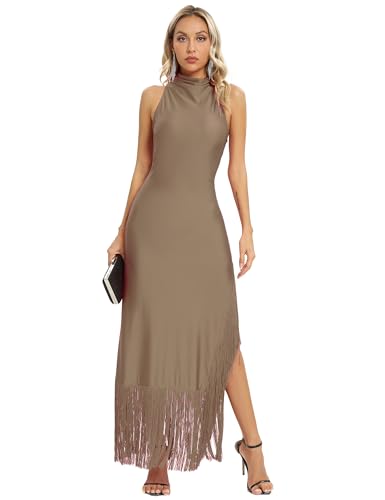
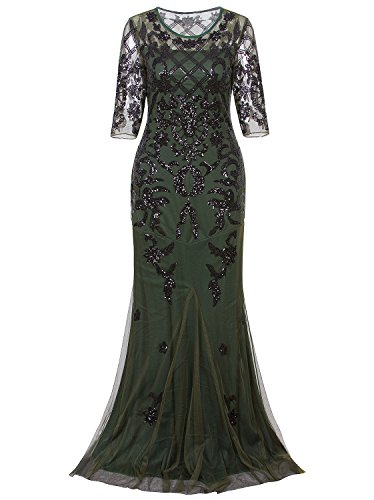
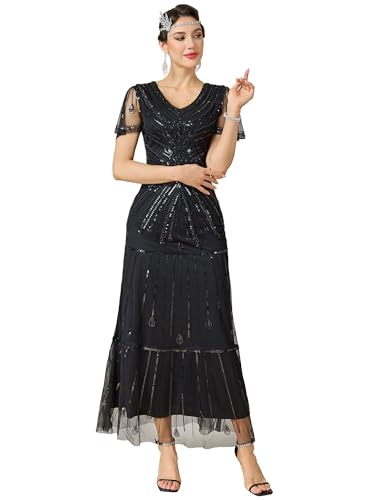
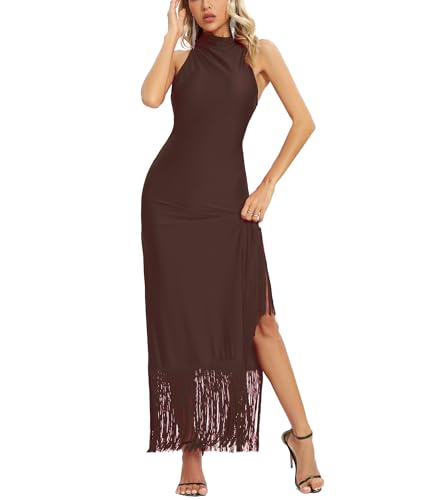
Seven in ten listings here use the word flapper and around six in ten say Gatsby, with just over half referencing the 1920s directly. Sequin appears in around four in ten and beading in around one in seven.But two thirds are maxi length and four in ten are halter necklines, neither of which is a 1920s feature. This collection is mostly modern gowns with Art Deco detailing rather than period reproductions, and that distinction is worth understanding before you buy.Only a third mention weddings, so filtering matters. For other vintage-leaning bridal, see non traditional wedding dresses.
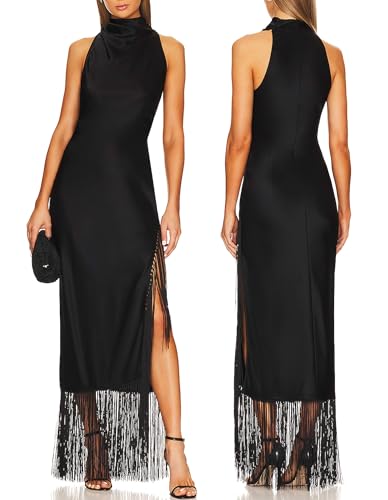

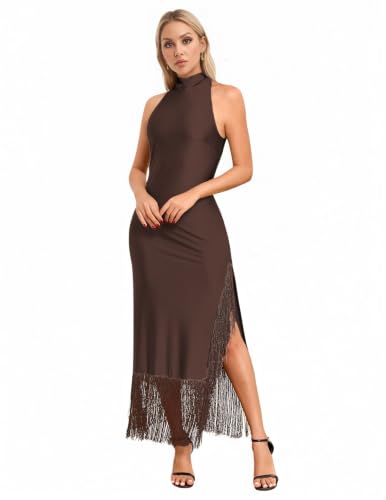

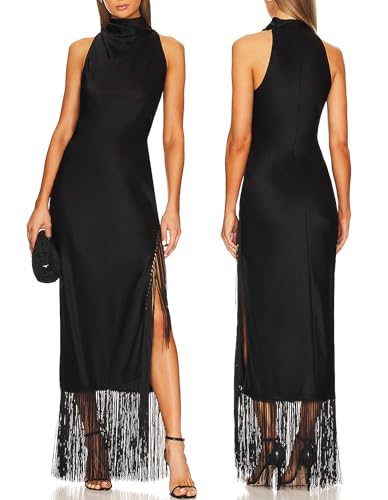
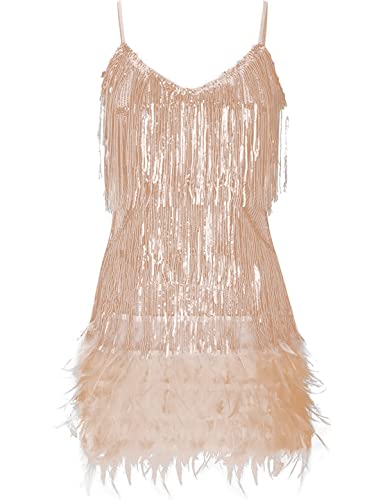







Gatsby Wedding Dresses: Frequently Asked Questions
Are these historically accurate 1920s dresses?
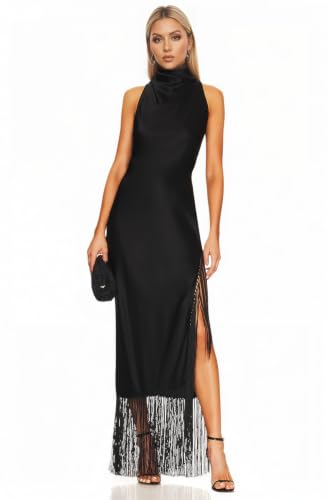
Mostly not. Two thirds are maxi length where the period style was knee to mid-calf, four in ten are halter necklines which are not period, and slits did not exist in the era. What is accurate is the surface: sequin, beading, fringe and Deco patterning.
What defined a real 1920s dress?
A dropped waist seam at hip level, a straight unfitted bodice above it, a knee to mid-calf hem, and a simple scoop, V or boat neckline. The silhouette deliberately avoided bust, waist and hip shaping.
How do I find a genuinely period style?
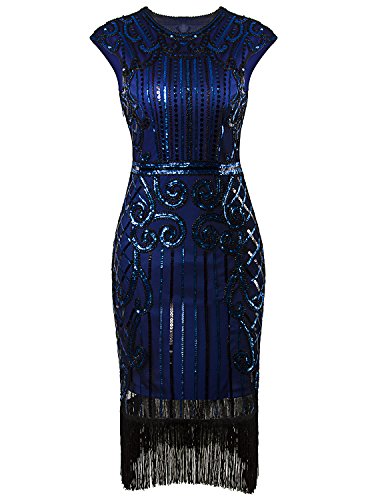
Look for the dropped waist at hip level, a straight bodice and a hem between knee and mid-calf. Fringe is the most period-accurate decoration. Avoid halter necks, high slits, mermaid cuts and boned corset bodices.
Will a period silhouette suit me?
It suits a straight frame and deliberately flattens curves, which was the point at the time. If you want waist definition, a modern Deco-decorated gown is the better answer than a true reproduction.
How do I tell a costume from a bridal version?
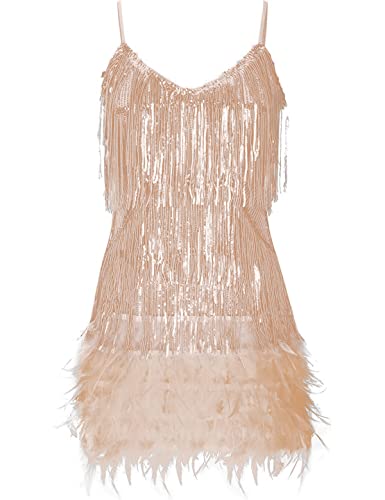
Costume dresses use synthetic fringe, bright or black colorways and hang limply. Bridal versions are white, ivory or champagne, use beading rather than plastic sequin, and have body and proper lining. Only a third of this collection mentions weddings.
Are these dresses heavy?
Yes. Sequin at four in ten and beading at one in seven make a fully decorated floor-length gown considerably heavier than it looks, which is felt over a four or five hour event on a thin-strapped bodice.
Which accessories complete the look?
A beaded headband worn low across the forehead is the most recognizable signal. Long pearl ropes are period-accurate. T-bar or Mary Jane heels with a low curved heel are the period shoe; a modern stiletto undercuts the look.
Which color reads most authentic?
Champagne, gold and pale bronze, since 1920s beading was frequently metallic on a neutral ground. Bright white reads modern, because fabrics of the era were rarely that stark.
Can beaded dresses be altered?
Not easily. Seams run through the decoration and beaded fabrics have almost no stretch or seam allowance. Order close to your measurements rather than planning to take in.
What a 1920s Dress Actually Looked Like
Worth setting out, because almost nothing sold as Gatsby today matches it, and knowing the difference lets you choose deliberately.
The defining feature was the dropped waist, with the seam sitting at the hip rather than the natural waist. Above it the bodice was straight and unfitted; below it a short skirt, often pleated or layered.
The silhouette was columnar. No bust definition, no waist emphasis, no hip shaping. The fashionable line was straight up and down.
The length was knee to mid-calf by the mid-1920s, which was the scandal of the decade. Floor-length evening gowns existed but the iconic flapper dress was short.
Necklines were simple: scoop, V or boat, usually with thin straps or small sleeves. Halters belong to the 1930s onward.
What This Collection Actually Is
Set the catalogue against that list and the gap is clear.
Two thirds are maxi length, where the period style was short. Four in ten are halter necklines, which are not period. Around one in ten is mermaid cut, which shapes the body in exactly the way 1920s design avoided. Slits appear in around four in ten listings and did not exist in the era at all.
What is period-accurate is the surface: the sequin, the beading, the fringe, the geometric Art Deco patterning. That is where the 1920s reference actually lives.
So the honest description is a contemporary gown decorated in a 1920s vocabulary. That is a legitimate thing to want, and for most weddings it photographs better than a true reproduction would. It is only a problem if you expected the other thing.
If You Want Genuine Period Styling
Look for a dropped waist seam sitting at hip level, a straight unfitted bodice, and a hem between knee and mid-calf.
Fringe is the most period-accurate decoration and reads unmistakably 1920s even on an otherwise plain dress.
Avoid: halter necks, high slits, mermaid and fit-and-flare cuts, sweetheart necklines, and anything with a boned corset bodice.
One caution worth stating: the true 1920s silhouette suits a straight frame and deliberately flattens curves. That was the point at the time. If you want waist definition, a period-accurate dress will not give it to you, and a modern Deco-decorated gown is the better answer.
Costume Versus Wedding Dress
Only a third of this collection mentions weddings, which means much of it is sold for themed parties and prom rather than for a ceremony.
The markers that separate them: a costume flapper dress uses synthetic fringe, a headband with a large feather, and often a bright or black colorway. A bridal version is white, ivory or champagne, uses beading rather than plastic sequin, and has proper lining and construction.
Fabric weight is the fastest tell in photographs. A costume dress hangs limply; a bridal one has body and structure.
If the wedding has a 1920s theme and guests will be in costume, the distinction matters more, not less. The bride reading as better made than the theme is what you want.
Weight and Movement
Sequin at four in ten and beading at one in seven make this a heavy collection, and that has practical consequences.
A fully beaded floor-length gown is considerably heavier than it looks in a photograph. Over a four or five hour event that weight is felt, particularly on a strapless or thin-strapped bodice.
Fringe behaves differently from anything else. It moves constantly, catches light with every step, and is the single most photogenic detail in the whole style. It also snags on jewelry and chair backs, and individual strands can pull loose.
Beaded and sequined fabrics are difficult to alter, since seams run through the decoration. Order close to your measurements rather than planning to take in.
Accessories That Do the Work
With this style, the accessories carry as much of the period reference as the dress does, and they are easier to get right.
A beaded or jeweled headband worn low across the forehead is the single most recognizable 1920s signal.
Long pearl ropes, worn to the waist or knotted, are period-accurate and work with almost any neckline here.
T-bar or Mary Jane heels with a low curved heel are the period shoe. A modern stiletto undercuts the look more than any other single item.
Finger waves or a low chignon complete it. A modern loose curl reads contemporary regardless of the dress.
Colors
Champagne, gold and pale bronze read most authentically, since 1920s beading was frequently metallic on a neutral ground.
Ivory and blush work and read softer.
Bright white reads modern rather than period, since the fabrics of the era were rarely that stark.
Black is historically accurate for evening but is a firm decision for a wedding and reads as a deliberate statement rather than a period reference.
Sizing
This collection mixes bridal, prom and costume labels, so sizing consistency is poor.
Bust, underbust, waist, hip and height are the baseline. For any dress with a dropped waist, add the measurement from your shoulder to your hip, since that seam has to land at hip level to work.
Beaded fabrics have almost no stretch and minimal seam allowance. Order to your largest measurement.
Read each listing's chart. The US size chart covers regular, plus and junior conversions.
Related Collections
For alternative bridal generally, see non traditional wedding dresses. For period-length hems, browse tea length dresses. For beaded evening styles, see silver formal dresses.