
Simple long sleeve wedding dresses
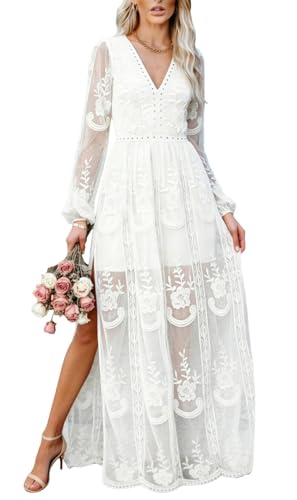
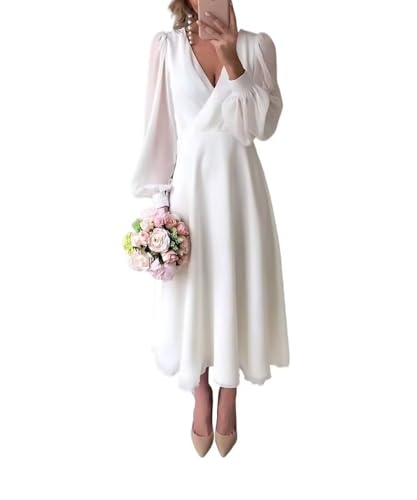
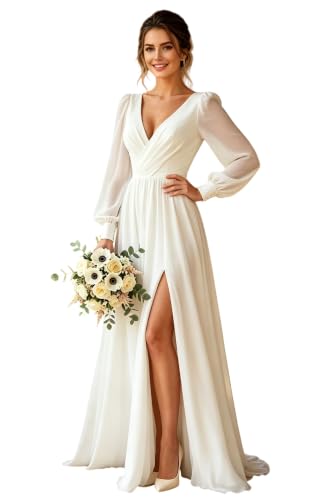
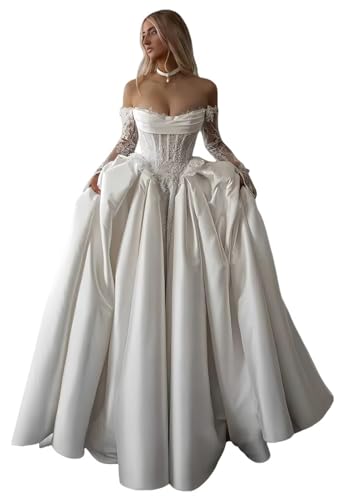
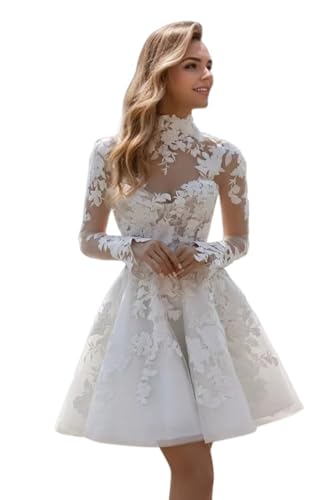
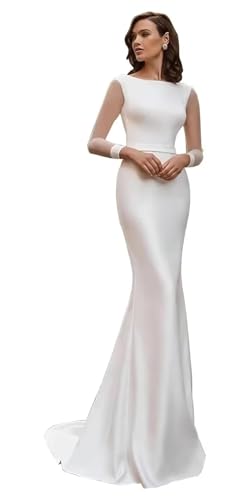
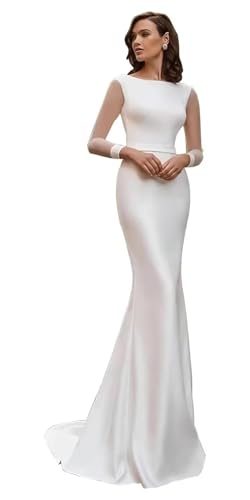
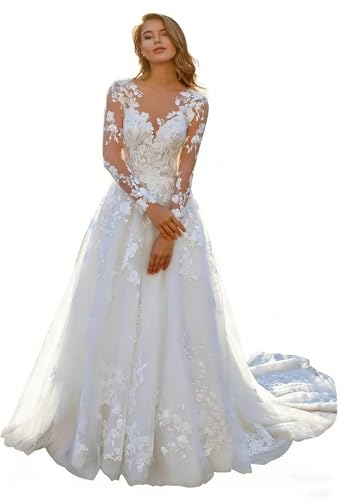
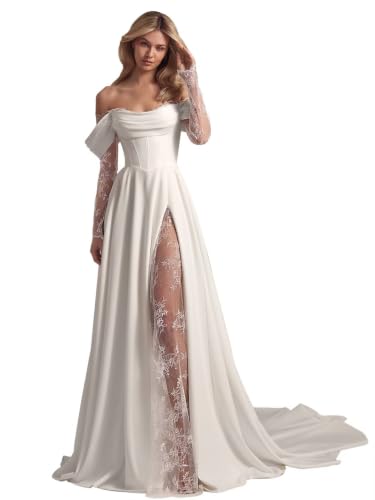
This collection combines two specific choices: long sleeves, present in every listing, and simple construction, at just under two thirds, meaning solid, largely unembellished fabric rather than sheer or heavily decorated sleeves. Bridal styling leads at just under three quarters, and gowns account for six in ten.Lace still appears in just over half of listings, usually at the bodice rather than the sleeve itself, and A-line cuts lead the silhouettes at just under half.For sheer sleeve construction instead, see illusion neckline wedding dresses.
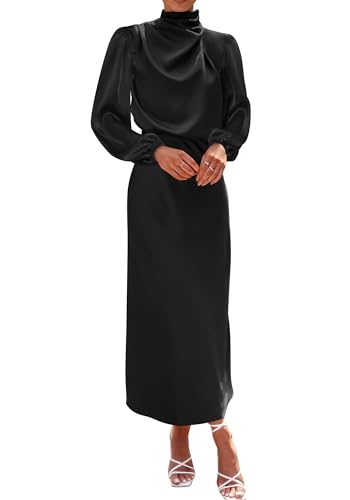
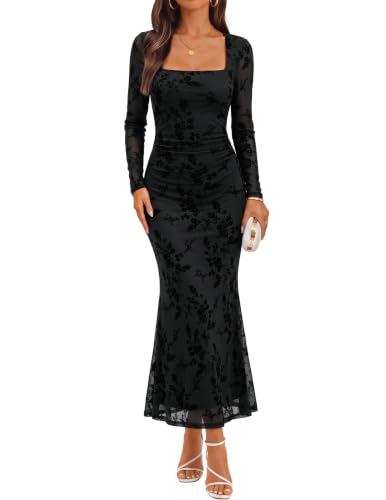
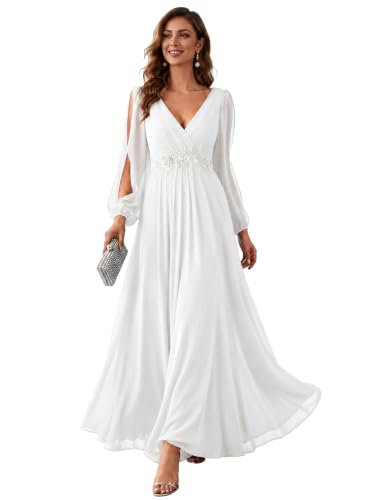
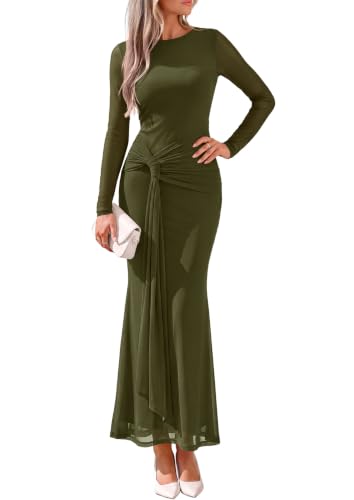





Simple Long Sleeve Wedding Dresses: Frequently Asked Questions
What is the difference between a solid sleeve and an illusion sleeve?
A solid sleeve is opaque fabric covering the arm completely. An illusion sleeve is sheer mesh, sometimes with lace applied, that gives the appearance of coverage while remaining see-through. They solve different problems.
Will an illusion sleeve satisfy a religious dress code?
Not always. Some venues require genuinely opaque coverage rather than a sheer approximation of it. A solid sleeve removes that ambiguity entirely, which is why this collection exists as a distinct option.
Does a solid sleeve keep you warmer?
Yes, genuinely, unlike a sheer illusion sleeve. This matters for an autumn, winter or evening outdoor ceremony where temperature is a real concern rather than only a coverage question.
What does simple mean alongside the sleeve?
Less lace, less beading and a cleaner overall silhouette, so the sleeve itself becomes the main design feature rather than competing with heavy surface decoration.
Where does lace usually sit in this collection?
At the bodice rather than the sleeve, keeping the sleeve itself clean and opaque while allowing some decorative interest elsewhere on the dress.
Which sleeve shape gives the most room?
A slightly looser or bishop-style sleeve, gathered at the cuff, gives more room through the upper arm while still providing full coverage, compared with a closely fitted sleeve.
Can a fitted sleeve be let out if it is too tight?
No. A fitted sleeve in solid fabric cannot be let out, so upper arm measurement matters as much as bust and waist, and it is the measurement most likely to cause a return.
Which fabric suits this collection best?
Chiffon gives a lightweight opaque sleeve that moves well without being sheer. Satin gives a more structured, formal line. Crepe suits the simple, unembellished character of the collection overall.
Which silhouette pairs best with a long sleeve?
A-line, the most common pairing here, balances the visual weight of a long sleeve with a skirt that flares gently rather than competing with it for attention.
Solid Sleeve Versus Illusion Sleeve
This is the distinction that matters most here, and it decides whether a dress actually solves the problem you are choosing sleeves for.
A solid, simple sleeve, what this collection is built around, is opaque fabric that covers the arm completely, the same way a sleeve on any other garment does.
An illusion sleeve, covered elsewhere on the site, is sheer mesh, sometimes with lace applied, that gives the appearance of coverage while remaining see-through.
These solve different problems. A solid sleeve provides genuine opacity and warmth. An illusion sleeve provides a visual signal of coverage while staying light and letting skin show through, which some dress codes and personal preferences require and others do not.
Why This Distinction Matters for Religious Ceremonies
Some venues, particularly certain churches, temples and synagogues, require genuinely opaque coverage of the arms and shoulders rather than a sheer approximation of it.
If a venue has stated this requirement, an illusion sleeve may not satisfy it even though it visually reads as coverage from a distance, since the fabric itself is transparent. A solid sleeve, which this collection provides, removes any ambiguity.
If you are unsure what a specific venue requires, checking directly rather than assuming either sleeve type will pass is worth the conversation, since the two genuinely differ in what they provide.
Warmth Is the Other Practical Reason
A solid sleeve provides real warmth that a sheer illusion sleeve does not, which matters for an autumn, winter or evening outdoor ceremony where temperature is a genuine concern rather than only a coverage question.
Combined with simple, unembellished construction at just under two thirds of this collection, these dresses suit a practical, comfortable choice for a colder wedding date more directly than a heavily decorated or sheer-sleeved alternative would.
What Simple Means Alongside the Sleeve
With sleeves already providing visual interest and structure, the rest of the dress in this collection tends toward restraint: less lace, less beading, and a cleaner overall silhouette.
This produces a dress where the sleeve itself, rather than surface decoration, is the main design feature, which suits someone wanting a considered, modern silhouette without competing details.
Lace still appears in just over half of listings, but it typically sits at the bodice rather than covering the sleeve, keeping the sleeve itself clean and opaque while allowing some decorative interest elsewhere.
Sleeve Length and Shape
A full-length sleeve running to the wrist gives complete coverage and the most warmth, and suits a formal, traditional ceremony particularly well.
A fitted sleeve, common in this collection, follows the arm closely, which means upper arm measurement matters as much as bust and waist, since a tight sleeve cannot be let out.
A slightly looser or bishop-style sleeve, gathered at the cuff, gives more room through the upper arm while still providing full coverage, and is worth seeking out specifically if a close-fitting sleeve is a concern.
Fabric
Chiffon, at just under four in ten listings, gives a lightweight solid sleeve that moves well without being sheer, suiting a warmer venue while still providing opacity.
Satin, at just over a quarter, gives a more structured, formal sleeve with a clean line.
Crepe or a similar matte fabric gives a contemporary, unfussy sleeve that suits the simple, unembellished character of this collection overall.
Silhouette
A-line, at just under half of listings, is the most common pairing, balancing the visual weight of a long sleeve with a skirt that flares gently rather than fighting the sleeve for attention.
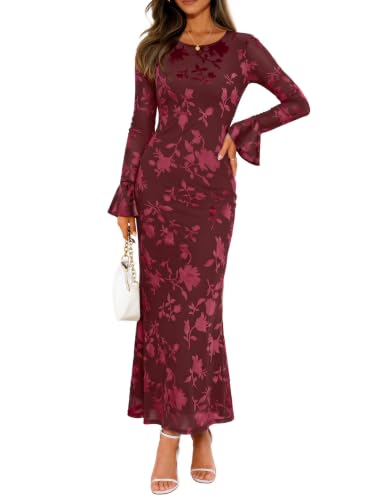
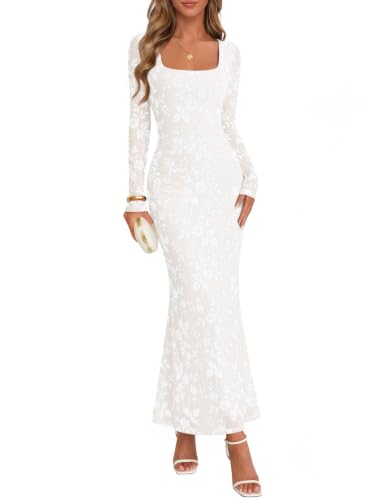
Mermaid cuts appear in a smaller share, and the same fit considerations that apply to any fitted mermaid dress apply here alongside the sleeve fit question.
Sizing
Take bust, underbust, waist, hip and upper arm, with upper arm as the measurement most likely to cause a return, since a fitted sleeve in solid fabric cannot be let out.
Order to your largest measurement across all points, and expect the bodice and sleeves to need professional alteration together rather than separately. The US size chart covers conversions.
Related Collections
For sheer sleeve construction, see illusion neckline wedding dresses. For sleeved bridal generally, browse wedding dresses with sleeves. For a pared-back design approach, see minimalist wedding dresses.