
Low back wedding dresses
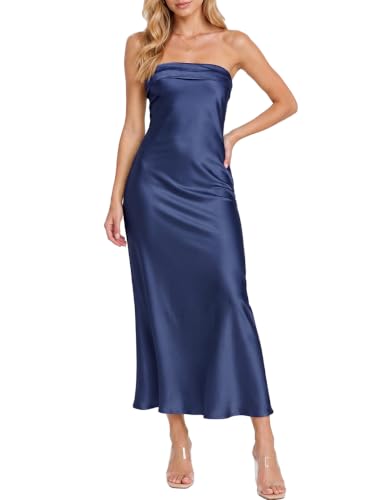
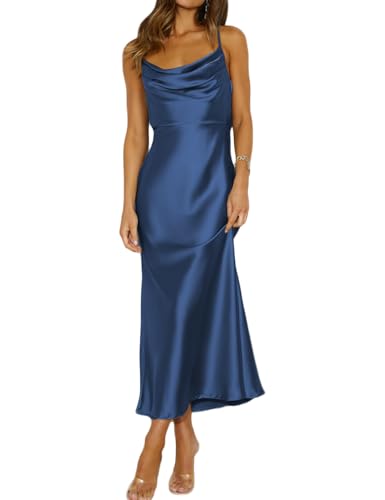
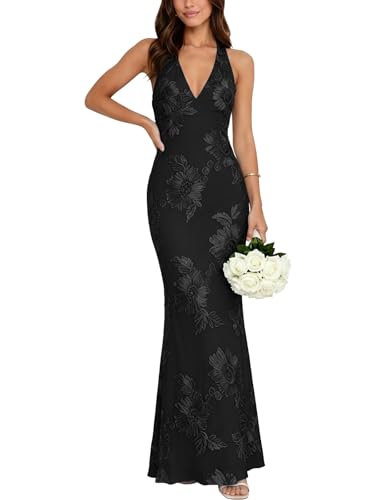
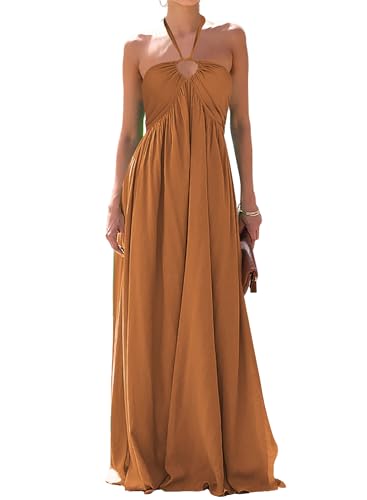
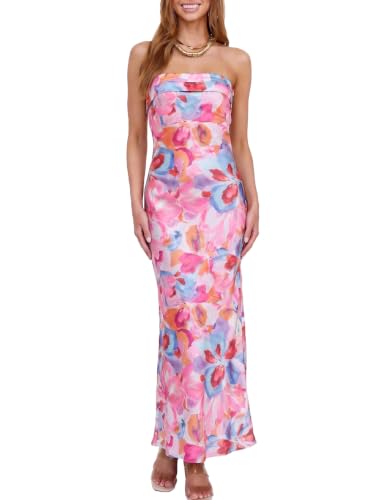
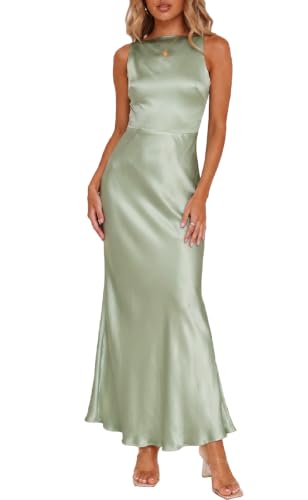
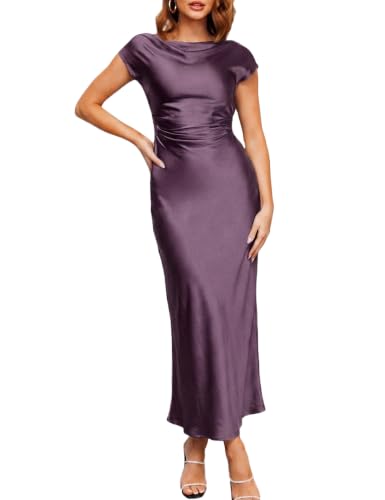
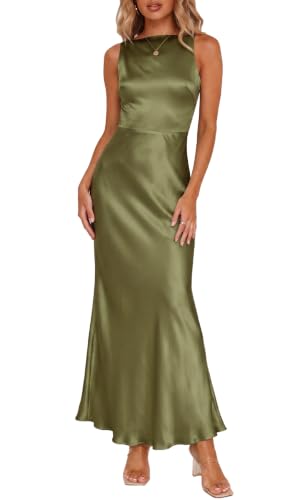
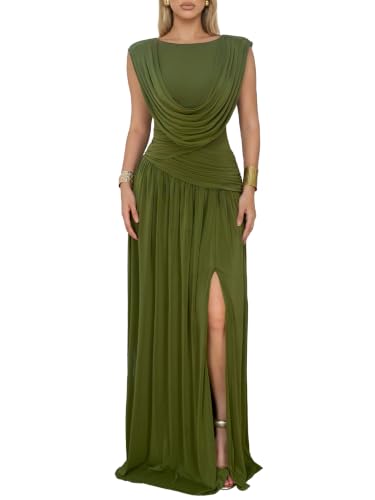
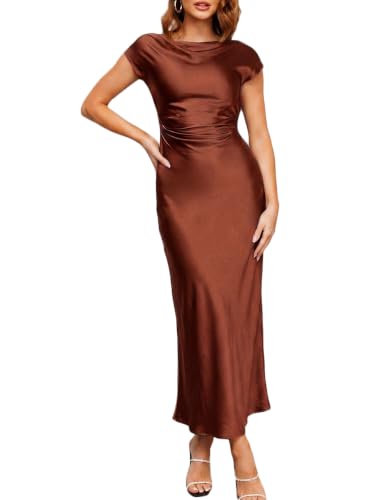
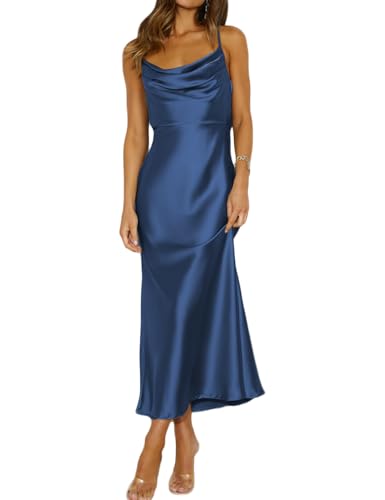
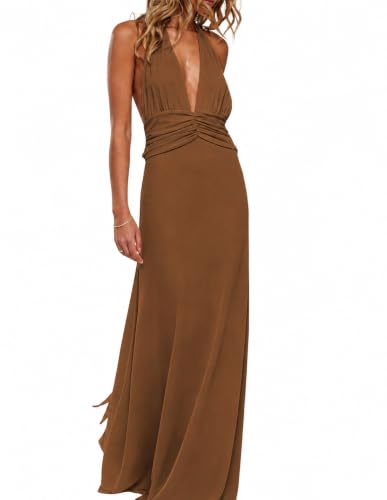
Eight in ten listings here are explicitly backless or low-backed, and three quarters are maxi length. Satin dominates the fabric mix at just under six in ten, which is the finish that shows an open back most cleanly.V-neck fronts account for a third and spaghetti straps for around a quarter. Halter and mermaid cuts each appear in around one dress in five.This collection is more specialized than the main bridal range, so if the specific back shape you want is not here, bridal dresses carries the wider range.
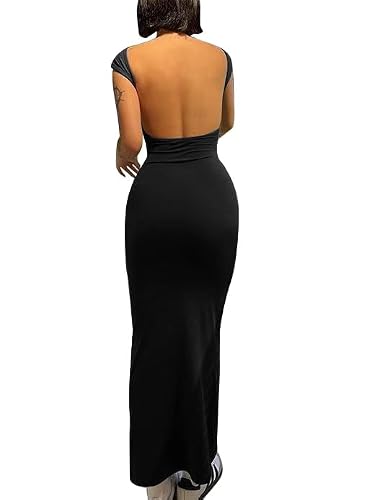
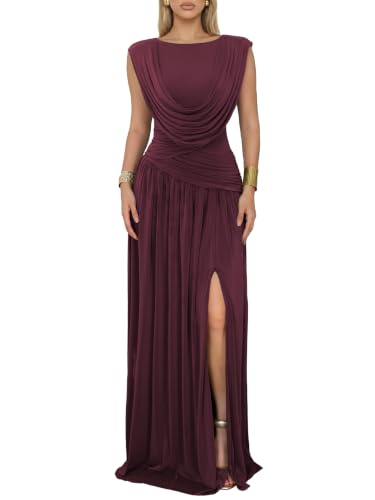



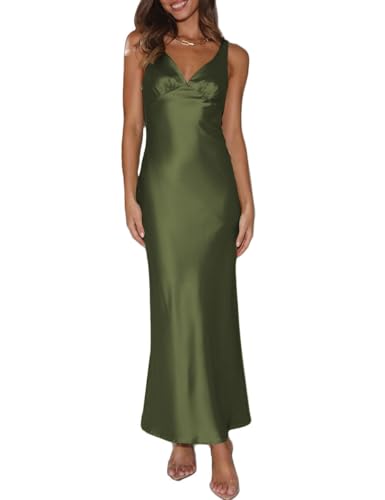


Low Back Wedding Dresses: Frequently Asked Questions
What is the difference between low back, open back and backless?
Low back keeps a continuous back panel that simply sits lower. Open back has a cut-out with fabric above and below it. Backless has no panel below the straps. Illusion back fills the opening with sheer mesh.
How do I tell how low a dress goes?
Measure from the base of your neck down the spine to where the fabric stops: mid-shoulder-blade is around eight to ten inches, mid-back around fourteen, waist level around eighteen. In a photograph, the model's elbow sits roughly at natural waist level.
What holds a backless dress up?
The straps or halter at the shoulders, and how closely the bodice grips the ribcage at the front and sides. Look for boning, an inner grip band, built-in cups and a full lining. Underbust is the measurement that matters most.
What can I wear underneath?
Built-in cups are most reliable. Adhesive bras suit smaller busts but lose grip over a long day. A low-back bra converter works only if the dress back finishes above where the converter sits. Backless bodysuits give support and smoothing together.
Can I wear shapewear?
It is the harder problem, since most shapewear stops at the waist and its top edge will show. Low-back shapewear exists but the range is limited, so check what you own before choosing the dress.
Why is satin so common in this collection?
A smooth surface makes the line of the open back read as a clean shape rather than a gap. The trade-off is that satin shows every shapewear edge and every pull at a seam.
How should I wear my hair?
Up, half-up or swept to one side. Hair worn down hides the back entirely, which defeats the point. A veil covers it too, so a shorter veil or a hair comb keeps the back visible.
What jewelry works?
Earrings and a bracelet do more than a necklace, since the eye goes to the face and hands. A back-drop necklace hanging into the opening is the piece designed specifically for this style.
Is a backless dress easy to alter?
Among the harder bridal adjustments, since taking in the side seams changes where the back edges sit relative to each other. Order as close to your measurements as possible rather than planning to alter.
Four Different Backs, One Search Term
These get used interchangeably in listings and they are not the same garment. Knowing which you want narrows the collection immediately.
Low back. The neckline at the back sits lower than usual but the dress still has a continuous back panel. Typically finishing between the shoulder blades and the mid-back.
Open back. A cut-out section with fabric above and below it, often a keyhole or a triangular opening. The dress still closes normally.
Backless. No back panel at all below the point where the straps meet. The most dramatic and the most demanding to wear.
Illusion back. Sheer mesh fills the opening, sometimes with lace applied. Reads as open from a distance while providing coverage and, importantly, some structure.
The product photograph is the only reliable guide, since listings use all four words for all four things.
How Low, Measured Properly
Listings almost never state where the back actually finishes, and the difference between acceptable and impossible is a few inches.
The usable measurement is from the base of your neck down your spine to where the fabric stops. Mid-shoulder-blade is around eight to ten inches on most people, mid-back around fourteen, and waist level around eighteen.
That matters because it determines what you can wear underneath, and because a back that finishes below your natural waist restricts how you can sit and lean.
If a listing gives no measurement, compare the fabric edge against the model's elbow in the photograph. The elbow sits roughly at natural waist level when the arm hangs straight.
What Holds It Up
This is the engineering problem the whole style depends on, and it is where cheap versions fail.
With no back panel, a dress is held by the straps or halter at the shoulders and by how closely it fits the ribcage at the front and sides. Nothing else.
What to look for: boning through the front and side seams, an inner grip band along the top edge, built-in cups, and a fully lined bodice. A backless dress with none of these relies entirely on fit being perfect.
Underbust is therefore the measurement that matters most, more than bust itself. A bodice loose at the ribs will slide down through the day, and there is no back to stop it.
Spaghetti straps, at around a quarter of listings here, carry less weight than a halter and suit lighter fabrics. Halter necklines, at around one in five, take the load at the neck and support a heavier skirt.
Undergarments
The most common reason people abandon a low back dress is discovering this too late.
Built-in cups are the most reliable and worth filtering for specifically. Nothing separate to slip.
Adhesive bras work for smaller busts and lighter fabrics. They lose grip with heat and movement over a long day, so test one for several hours before committing.
Low-back bra converters run a strap across the lower back and clip to a standard bra. Useful, but only if the dress back finishes above where the converter sits.
Backless bodysuits give support and smoothing together and work under a dress with straps.
Shapewear is the harder problem. Most stops at the waist and its top edge will be visible. Low-back shapewear exists but the range is limited, so check what you own before choosing the dress.
Fabric
Satin, at just under six in ten listings, is the dominant fabric here and the reason is visual: a smooth surface makes the line of the open back read as a clean shape rather than a gap.
The trade-off is that satin shows everything. Any shapewear edge, any bra strap, any pull at a seam is visible against it.
Lace, at around one dress in seven, is the more forgiving option and the one most often used for illusion backs.
Crepe, which appears without always being named, has the same clean line as satin with less shine and hides creasing better.
Movement and the Day Itself
A backless dress behaves differently from a conventional one and it is worth knowing before the day rather than during it.
Bare skin against a chair back is cold in an air-conditioned venue and sticky in heat. A wrap or a shawl for the reception solves both.
Hugs happen constantly at a wedding, and an open back means direct contact. Some people find this fine and others do not.
Posture matters more than usual. The style relies on an upright back line, and a dress that looks striking standing straight reads differently when you slouch.
Sunscreen and body lotion transfer onto the inside of a light dress and onto other people's clothing. Apply well before dressing.
What Goes With It
Hair is the main decision. An open back is largely hidden by hair worn down, so most people choose an updo, a half-up style or hair swept to one side.
A necklace competes with the neckline; a back-drop necklace hanging into the opening is the piece designed for this style specifically.
Earrings and a bracelet do more here than a necklace does, since the eye is drawn to the face and hands.
A veil covers the back entirely. If the open back is the point, a shorter veil or a hair comb keeps it visible.
Sizing
Take bust, underbust, waist, hip and the back-length measurement described above. Underbust is the priority for the reasons given.
Bridal sizing runs smaller than everyday clothing, often by two sizes, and there is no shared standard between makers. Read each listing's chart.
Alterations to a backless bodice are among the more difficult bridal adjustments, since taking in the side seams changes where the back edges sit relative to each other. Order as close to your measurements as possible rather than planning to alter. The US size chart covers conversions.
Related Collections
For clean unadorned styling, see minimalist wedding dresses. For alternative bridal, browse non traditional wedding dresses. For coverage instead, see wedding dresses with sleeves.