
Plain wedding dresses
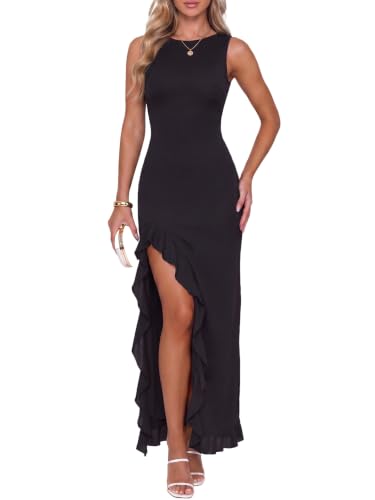
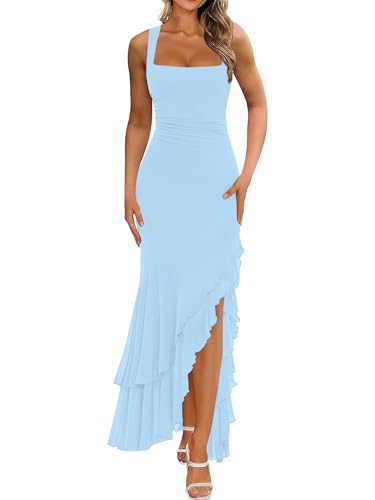
Plain here means an absence of embellishment rather than a specific silhouette, and that distinction matters: gowns account for just over half of listings and ball gown cuts for around a quarter, so a plain dress on this site is not automatically a sleek column. Satin leads the fabric mix at just under a third, with lace at around a quarter used sparingly rather than as the main feature.V-neck leads the necklines at around a quarter, and slits appear in around one in five. Prom and formal styling together account for a large share alongside bridal.For a specific design philosophy built around simplicity, see minimalist wedding dresses.



Plain Wedding Dresses: Frequently Asked Questions
Does plain mean simple silhouette?
No. Plain describes the absence of lace, beading or embroidery, not a commitment to a particular shape. This collection includes ball gowns and mermaid cuts as well as simpler silhouettes, all sharing the lack of surface decoration.
How is this different from minimalist?
Minimalist usually pairs the absence of decoration with a pared-back silhouette specifically, often a slim column or sheath. Plain is broader: any silhouette, including a full ball gown, without lace or beading.
Why choose a plain dress?
The fabric quality itself becomes the visual statement, comfort improves since there is no heavy beading or scratchy lace, it works as a flexible base for accessories, and plain construction tends to date less visibly than decorative trends.
What is the risk of going plain?
Fabric quality shows clearly with nothing else to distract from it. A cheap, thin fabric with no decoration has nowhere to hide, so it is worth prioritizing genuinely good satin or crepe over a mediocre one.
Does a plain dress read as formal?
A plain ball gown or mermaid cut reads just as formal as a decorated equivalent, since the silhouette carries the formality. A plain A-line or sheath reads more contemporary and suits a civil or modern-styled wedding.
Why do so many have slits?
Around one in five do, adding visual interest to an otherwise unembellished skirt without introducing surface decoration.
How should I accessorize a plain dress?
A statement veil or considered jewelry does more visible work here than against a busy lace or beaded surface, since nothing competes with it. A sash or floral detail can add one point of interest without committing to full embellishment.
Is a plain dress easier to alter?
Generally, yes. With no lace pattern or beading to disrupt, plain fabric has more usable seam allowance and takes in more cleanly than heavily decorated equivalents.
Which fabric matters most in a plain dress?
Satin, the most common choice here, gives the richest visual interest on its own through highlights along every fold. Crepe gives a cleaner, more matte, contemporary line instead.
Plain Does Not Mean One Silhouette
This is the detail that separates this collection from what the word might suggest. Plain describes the absence of decoration, not a commitment to a particular shape.
With ball gown cuts at around a quarter of listings and satin, a fabric with plenty of visual presence on its own, leading the fabric mix, this collection includes dramatic, full-skirted gowns that simply carry no lace, beading or embroidery. A plain ball gown is still a ball gown; it has simply chosen fabric and cut to do all the work rather than surface decoration.
Plain Versus Minimalist
The two terms overlap in search but are not quite the same idea, and it is worth knowing which you actually want.
Plain, as this collection shows, is about what is absent: no lace, no beading, no embroidery, regardless of what silhouette carries that absence. A plain dress can still have a train, a dramatic skirt or a fitted mermaid cut.
Minimalist is a fuller design philosophy that usually pairs the absence of decoration with a pared-back silhouette too: clean lines, minimal seaming, often a slim column or simple sheath cut specifically.
If you want a full ball gown or a dramatic silhouette without embellishment, this collection is the better fit. If you want the whole aesthetic stripped back, cut and all, the minimalist collection is more specific to that.
Why Choose Plain
A few reasons recur, and they call for slightly different things from the dress.
Fabric quality on display. Without lace or beading to draw the eye, the fabric itself, its drape, sheen and how it catches light, becomes the whole visual statement, which rewards choosing a genuinely good-quality satin or crepe over a mediocre one.
Comfort and practicality. Beading and heavy lace add weight and can scratch against skin over a long day; plain construction is generally lighter and more comfortable to wear for hours.
Personal styling flexibility. A plain dress works as a base for accessories, jewelry or a statement veil in a way a heavily decorated dress does not, since nothing competes with what you add.
Timelessness. Decorative details date more visibly than plain construction does, so a plain dress tends to look less tied to a specific era in photographs revisited years later.
Fabric Carries All the Weight
With nothing else to look at, the fabric itself needs to be worth the attention, and this is where plain dresses succeed or disappoint.
Satin, at just under a third of listings, gives the richest visual interest on its own: a smooth reflective surface produces highlights and shadow along every fold, which is genuinely enough visual interest without added decoration.
Crepe holds a cleaner, more matte line and suits a more contemporary, understated reading than satin's shine.
A cheap, thin fabric with no decoration to distract from it shows every flaw clearly, which is the real risk of choosing plain: there is nowhere for poor fabric quality to hide.
Where Plain Reads Formal Versus Casual
A plain ball gown or fitted mermaid cut, at around a quarter of this collection between them, reads as formal as any decorated equivalent, since the silhouette itself carries the formality.
A plain A-line or sheath in a simple fabric reads more contemporary and less traditionally bridal, which suits a civil ceremony or a modern-styled wedding better than a full cathedral affair.
Slits, at around one in five listings, add visual interest to an otherwise unembellished skirt and are more common in this collection than in heavily decorated equivalents, since they give the eye something without adding surface decoration.
Accessorizing a Plain Dress
Since the dress itself carries less detail, accessories do more visible work than they would against a heavily decorated gown.
A statement veil, cathedral length or with a decorative edge, provides drama that the dress itself is not carrying.
Jewelry reads more clearly against plain fabric than against a busy lace or beaded surface, so a considered choice here has more impact.
A colored sash, belt or floral detail added separately can introduce a single point of interest without committing to an embellished dress throughout.
Sizing
Plain fabric with no lace or beading generally has more seam allowance and is easier to alter than heavily decorated equivalents, since there is no pattern to disrupt when a seam is taken in.
Take bust, underbust, waist and hip as standard, and for mermaid cuts add thigh.
The US size chart covers conversions.
Related Collections
For a specific pared-back design philosophy, see minimalist wedding dresses. For structured satin specifically, browse satin wedding dresses. For the fitted silhouette, see sheath wedding dresses.