
Minimalist wedding dress
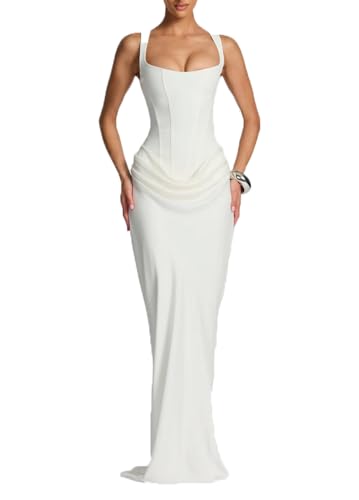
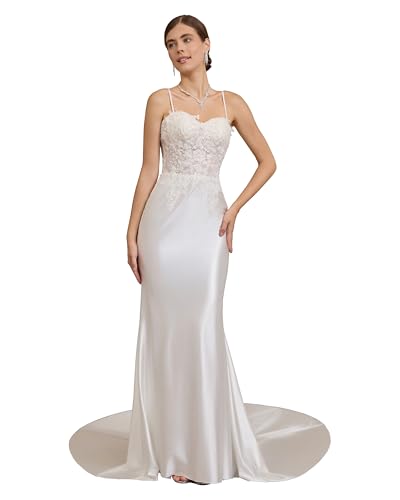
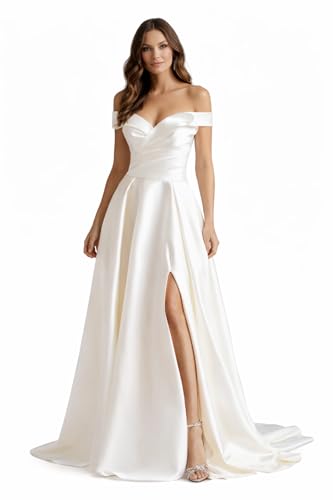
A minimalist wedding dress is defined by what it leaves out. No applied beading, no all-over lace, no layered tulle, and usually no train worth managing. What remains is fabric, cut and fit, and all three have to be right because nothing disguises them.Satin accounts for around three in ten listings here, which is the highest share of any bridal collection on the site and reflects how central a clean fabric surface is to this look. Six in ten are described as gowns and just over four in ten are floor length. Around one in five is described as simple.Lace still appears in around a third, though used sparingly. For broader alternative styling, see non traditional wedding dresses.
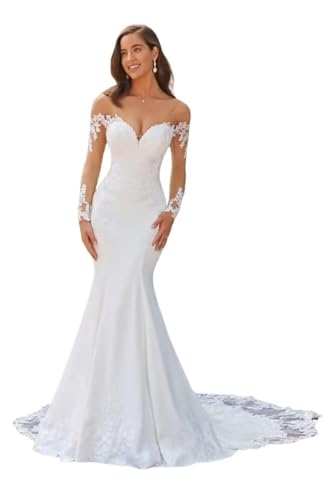
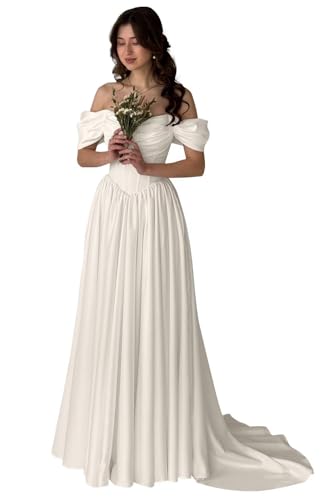


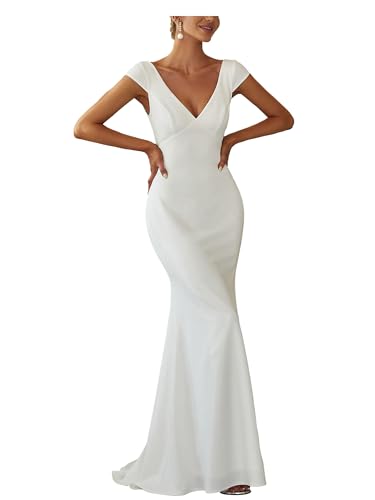


Jessica Simpson Women’s Amaya Off Shoulder Ruffled Dress, Black IRIS
Original price was: $42.52.$38.56Current price is: $38.56.


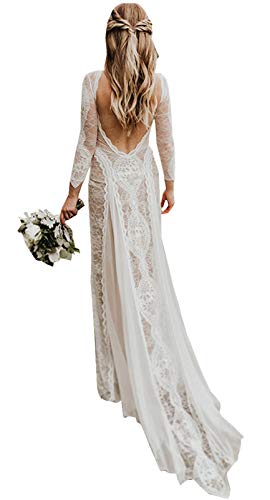
Women’s Beach Wedding Dresses for Bride 2020 Vintage Long Sleeves Lace Bohemian Bridal Gown Champagne US4
Original price was: $189.00.$120.00Current price is: $120.00.Minimalist Wedding Dresses: Frequently Asked Questions
Why does fit matter more in a minimalist dress?
Because there is no beading or lace to break up the surface. A smooth fabric reflects light evenly, so every seam line, point of tension and gap creates a visible shadow. Budget for alterations from the start rather than hoping the dress fits.
Which fabric should I choose?
Crepe is the most practical, since it shows fit as clearly as satin but hides creasing far better over a long day. Heavy satin gives the classic look; thin satin creases at every sit and reads shiny rather than lustrous.
Does minimalist mean no detail at all?
No, it means detail concentrated in one place rather than spread across the dress. A lace back panel, a deep V, a draped cowl or a slit. The rule is one focal point; two or three competing details are no longer minimalist.
Why is the back so important?
The ceremony is spent facing away from the guests, and a plain front leaves the back as the only place for interest. Low scoops, illusion panels with buttons, keyholes and draped cowls are all common here.
What can I wear under an open back?
Options are limited, so look for built-in cups or a dress designed for adhesive support, and confirm this before ordering rather than assuming it will work out.
Which silhouette is purest?
Slip and column, a single layer of fabric following the body with a plain neckline. Nothing to look at except cut and fabric, which is the point, and the least forgiving of fit. A-line is the most practical for a full day.
How should I accessorize?
One considered piece rather than several small ones. A veil changes a minimalist dress more than a decorated one since it adds the only additional texture, and a plain single-tier veil suits the style where a beaded one fights it.
Are sleeved minimalist dresses available?
Around a quarter of listings have sleeves. A plain fitted long sleeve in crepe or satin is one of the most recognizably minimalist looks and solves coverage for religious ceremonies at the same time.
How should I measure for a column dress?
Take the hip at the fullest point rather than the standard measuring position, since column and slip cuts follow the body closely. Add bust, underbust, waist and height, and remember bridal sizing runs small.
Fit Is the Entire Design
This is the single most important thing to understand before ordering, and it is the opposite of how most bridal shopping works.
On a heavily decorated gown, beading, lace and layered tulle all break up the surface. A bodice that is slightly loose, a seam under mild tension, a hip that pulls a little, none of it shows because there is too much else happening.
A plain satin column has none of that. Every seam line, every point of tension and every gap is visible, because the smooth surface reflects light evenly and any disruption creates a shadow.
The practical consequence: budget for alterations from the start rather than hoping the dress fits. A minimalist dress that fits perfectly looks expensive; the same dress fitting approximately looks cheap, and the gap between the two is entirely in the tailoring.
Fabric Carries Everything
With no decoration, fabric quality is the only thing distinguishing one dress from another, and it is visible in photographs.
Satin, at around three in ten listings, is the classic minimalist choice. Heavy satin hangs in clean lines and reflects light along its folds. Thin or cheap satin creases at every sit and reads shiny rather than lustrous, which is the single most common disappointment in this category.
Crepe has a matte surface and more structure. It shows fit as clearly as satin but hides creasing far better, which makes it the more practical choice for a long day.
Mikado is a heavier blend that holds architectural shapes and is the fabric behind most structured minimalist gowns.
Chiffon, at around one in eight listings, is the softest option and moves rather than holds shape.
Where a listing does not name the fabric weight, customer photographs showing the dress worn rather than on a mannequin tell you more than any description.
Where the Detail Goes
Minimalist does not mean plain. It means the detail is concentrated in one place rather than spread across the dress.
Around a third of this collection still uses lace, but placed rather than applied throughout: a lace back panel, a lace edge along a neckline, or a single lace sleeve.
Other single-point details that recur here are a deep V at the front or back, a draped cowl neckline, an exposed structural seam used as decoration, a single bow or knot at the waist, and a slit.
The rule that makes this work is one focal point. Two competing details, a low back and a high slit and a cowl neck together, produce something that is no longer minimalist.
The Back
In a minimalist gown the back matters more than in any other bridal style, for a practical reason: the ceremony is spent facing away from the guests, and a plain front leaves the back as the only place for interest.
Common treatments are a low scoop or V, an illusion panel with buttons, a keyhole opening, or a draped cowl.
An open back limits undergarment options considerably. Look for built-in cups or a dress designed for adhesive support, and check this before ordering rather than assuming it will work out.
Silhouettes
Slip and column are the purest expression of the style: a single layer of fabric following the body with a plain neckline. Nothing to look at except cut and fabric, which is exactly the point, and the least forgiving of fit.
A-line gives some ease through the hip while keeping a clean line, and is the most practical for a full day.
Mermaid, at around a fifth of this collection, reads as sculptural in a plain fabric and demands an accurate thigh measurement alongside bust, waist and hip.
Ball gown appears in around one dress in eight. A plain full skirt with no decoration is a distinctly modern take on the traditional silhouette.
Sleeves and Coverage
Around a quarter of listings have sleeves and around one in seven has long sleeves.
A plain fitted long sleeve in crepe or satin is one of the most recognizably minimalist bridal looks and solves coverage for religious ceremonies at the same time.
Detachable sleeves and separate capes appear in this collection and suit the style particularly well, since they let the dress stay plain while adding coverage for the ceremony only.
Accessories With a Plain Dress
A minimalist dress creates space for accessories in a way a decorated one does not, and this is where the look is finished.
One considered piece works better than several small ones: a single statement earring, a sculptural hair piece, or a fabric belt in the same tone.
A veil changes a minimalist dress more than it changes a decorated one, since it adds the only additional texture in the outfit. A plain single-tier veil suits the style; a heavily beaded one fights it.
Shoes are more visible in a slim silhouette than in a full skirt, so they are worth choosing deliberately rather than defaulting to whatever is comfortable.
Sizing and Alterations
Take bust, underbust, waist, hip and height, and for column and slip styles measure the hip at the fullest point rather than the standard measuring position, since these cuts follow the body closely.
Bridal sizing runs smaller than standard clothing, often by two sizes. Read each listing's own chart.
Order to your largest measurement and have the dress taken in. On a plain dress this is straightforward and worth doing properly, since as noted the tailoring is the design. Our US size chart covers conversions.
Related Collections
For alternative bridal styling more broadly, see non traditional wedding dresses. The modern wedding dresses page covers how contemporary bridal is constructed. For sleeved styles, see wedding dresses with sleeves.