
Linen wedding dress
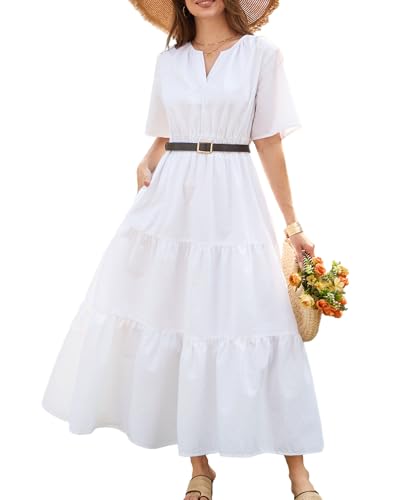
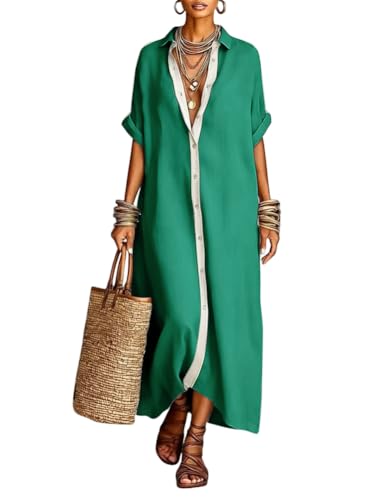
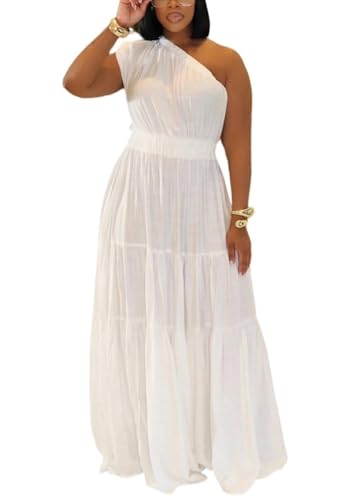
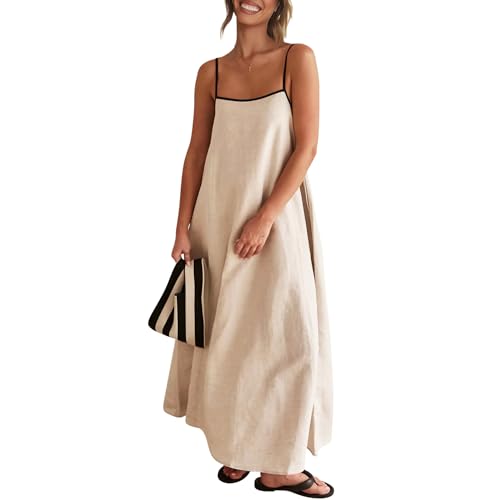
Linen dominates this collection at just under three quarters of listings, and maxi length leads decisively at eight in ten. Sleeveless styles account for just under half and halter necklines around a quarter, reflecting the breathable, warm-weather character linen brings.Beach settings are mentioned in just over a quarter of listings, and guest wear appears in around a quarter too, alongside genuine bridal use.For structured indoor bridal fabric instead, see satin wedding dresses.
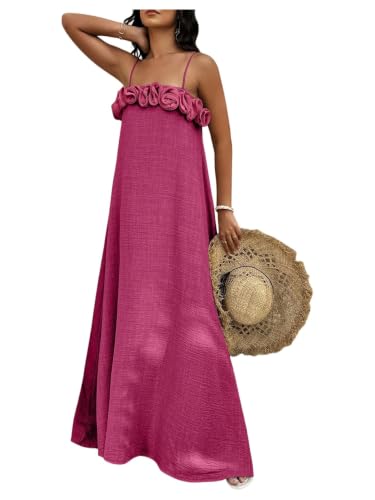
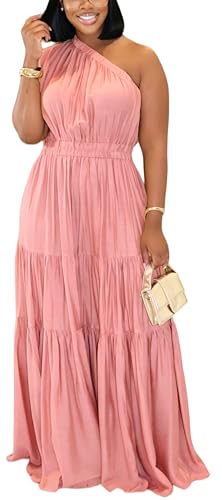




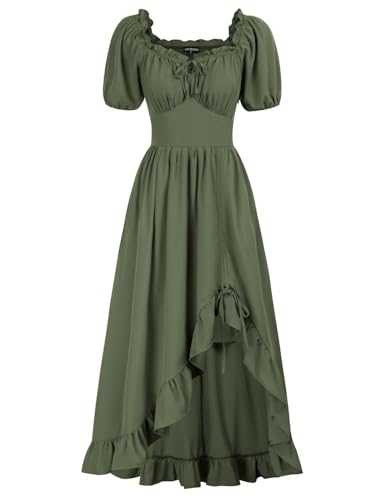








Linen Wedding Dresses: Frequently Asked Questions
Is linen a modern departure from bridal tradition?
Less than it seems. The white silk or satin gown convention is largely a 19th-century development. Linen has a longer documented history as a quality formal fabric than that modern convention does.
Will the dress wrinkle?
Yes, noticeably, and this is intrinsic to the fiber rather than a flaw. Sitting for twenty minutes produces visible creasing that would not appear as quickly in a synthetic fabric. Many people choose linen specifically for that relaxed texture.
Can I avoid the wrinkling entirely?
Not fully with pure linen. A linen-cotton or linen-rayon blend reduces wrinkling somewhat while sacrificing some breathability and the distinctive crisp hand-feel of 100 percent linen.
How do I tell the blend from a photograph?
Visible texture and a structured, slightly stiff drape suggest higher linen content. A smoother, more fluid drape suggests blending with rayon, viscose or another softer fiber.
Why does linen suit beach and outdoor weddings?
It is one of the most breathable natural fibers, since its structure allows air to move through the weave more readily than tighter synthetics. Combined with the maxi, sleeveless cuts common here, it handles heat and humidity well.
How should I pack a linen dress?
Roll rather than fold for travel, since folding creates sharp creases. Some wrinkling is unavoidable regardless of method, so plan to steam it on arrival rather than expecting it to travel unmarked.
Should I iron or steam it?
Steaming is generally safer and more effective, removing travel creases without flattening the fabric's natural texture the way a direct iron can.
Will the dress feel different after a few wears?
Yes. Linen softens with washing and wearing, so a brand new dress feels slightly crisper than the same dress will after several wears.
Does linen have much stretch?
Minimal, regardless of blend. Take your measurements carefully and expect the fabric to hold close to them rather than giving room the way a knit fabric would.
Linen Has Bridal History Longer Than White Satin Does
Worth knowing before assuming linen is a purely modern, casual departure from tradition. The convention of a white silk or satin wedding gown is largely a 19th-century development. Before that, brides across many cultures and centuries were married in their best available dress, in whatever fine fabric was accessible, and linen, valued for centuries as a quality fabric for formal and ceremonial wear, has a longer documented history in formal dress than the modern white bridal gown convention does.
Choosing linen for a wedding dress is not simply a casual shortcut. It connects, whether intentionally or not, to a genuinely older formal-wear tradition than the satin and tulle convention most people picture first.
The Wrinkling Is Not a Flaw
This is the single most important thing to understand about linen before buying it for any occasion, and a wedding dress is no exception.
Linen wrinkles easily and visibly, more than almost any other common dress fabric, and this is an intrinsic property of the fiber rather than a manufacturing defect. Sitting in a linen dress for twenty minutes produces visible creasing that would not appear in the same time in polyester or a synthetic blend.
The relevant question is not whether it will wrinkle, since it will, but whether that texture is something you find appealing or something you want to minimize. Many people choose linen specifically for its relaxed, lived-in texture, where a slightly creased look reads as intentional rather than careless.
If a crisp, unwrinkled appearance matters to you throughout the day, linen makes that considerably harder to maintain than most alternatives, and it is worth knowing this before ordering rather than discovering it during the ceremony.
Pure Linen Versus Blends
Most linen dresses are not 100 percent linen, and the blend ratio changes both the wrinkling and the breathability considerably.
100 percent linen is the most breathable and the most prone to wrinkling. It also has a distinctive slightly textured, matte surface that reads clearly as linen rather than something else.
Linen-cotton blends reduce wrinkling somewhat while keeping good breathability, and are a reasonable middle ground for anyone wanting some of linen's character with slightly less maintenance.
Linen-rayon or linen-viscose blends reduce wrinkling further and often drape more softly, but lose some of pure linen's breathability and its distinctive crisp hand-feel.
Listings do not always specify the exact blend. A photograph showing visible texture and structure suggests a higher linen content; a smoother, more fluid drape suggests more blending with another fiber.
Why It Suits Warm and Outdoor Weddings
Linen is one of the most breathable natural fibers available, since the fiber structure allows air to move through the weave more readily than tighter synthetic fabrics do.
Combined with maxi length at eight in ten listings and sleeveless construction at just under half, this collection is built for warm-weather comfort specifically, and it genuinely delivers on that in a way heavier bridal fabrics cannot.
Beach settings, mentioned in just over a quarter of listings, suit linen particularly well, since the fabric handles humidity and heat without the discomfort a heavier satin or beaded gown would bring in the same conditions.
Care and Handling
Linen creases from folding, so hanging is essential for transport and storage, more so than for most other fabrics.
For a destination wedding, rolling rather than folding the dress inside luggage reduces sharp creases, though some wrinkling is unavoidable regardless of packing method.
Steaming rather than ironing is generally safer and more effective for removing travel creases without flattening the fabric's natural texture.
Linen softens with each wash and wear, so a new linen dress will feel slightly crisper than the same dress after several wears, which is worth knowing if you try one on well before the wedding date.
Where This Collection Fits
Beach and destination weddings, where breathability and heat tolerance matter more than in an air-conditioned indoor venue.
Casual and rustic outdoor ceremonies, where linen's relaxed texture matches the setting's own informality.
Warm-climate weddings generally, regardless of specific venue type, where comfort across a long day outweighs the crisp, structured look a heavier fabric provides.
Sizing
Linen has minimal stretch regardless of blend, so take bust, waist and hip carefully and expect the fabric to hold close to those measurements rather than giving room the way a knit would.
This collection mixes casual and bridal-adjacent labels rather than dedicated bridal houses, so sizing tends to follow standard measurements. Check each listing's own chart. The US size chart covers conversions.
Related Collections
For structured indoor bridal fabric, see satin wedding dresses. For other casual and outdoor bridal styles, browse rustic wedding dresses. For a pared-back design approach, see minimalist wedding dresses.