
Gypsy wedding dress
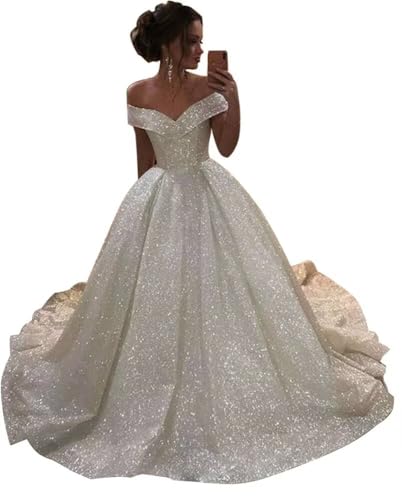
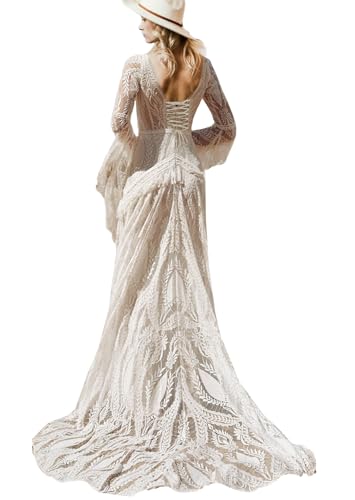
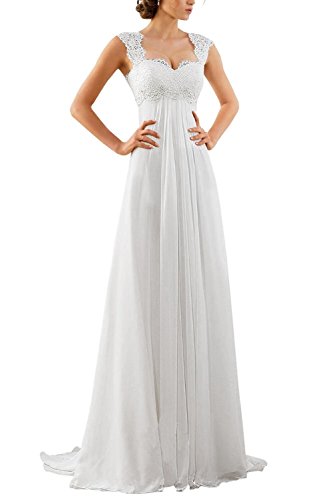
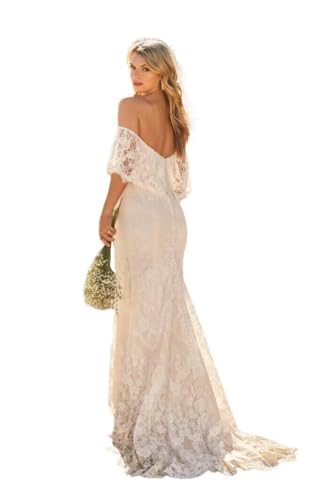
This term is a retail fashion label rather than a description of any specific cultural bridal tradition, and it’s worth knowing that before browsing. Bridal styling leads at just under half of listings, and gowns account for six in ten, with lace dominant at just over half.Corset backs and off-shoulder necklines each appear in around a quarter to three in ten, and beach settings are mentioned in just under half.For the venue-focused equivalent, see rustic wedding dresses.





Gypsy-Style Wedding Dresses: Frequently Asked Questions
Is this a specific cultural wedding tradition?
No. This is a retail fashion term borrowing loosely from a bohemian aesthetic, using tiered ruffles, layering and off-shoulder necklines. It names a construction style rather than a bridal custom belonging to any one culture.
How is this different from the rustic collection?
Rustic is defined by the venue: barns, farms and outdoor settings, with practical considerations following from that. This collection is defined by construction, tiered ruffles and corset bodices, which can appear at any venue.
What does tiered ruffle construction actually give you?
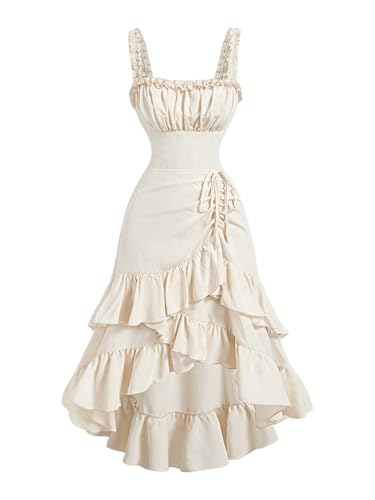
Multiple horizontal ruffled bands stack down the skirt, giving a softer, more textured fullness than a structured tulle ball gown and more visible movement with each step, at the cost of some added bulk and warmth.
Why are corset backs common here?
They accommodate a wider range of measurements than a fixed zip and let the bodice be tightened on the day, which matters given the fitted bodice paired with a dramatically full skirt. Look for a modesty panel behind the lacing.
What sleeve style is typical?
A bell or flutter sleeve, often paired with an off-shoulder neckline, continuing the movement the tiered skirt already carries rather than confining drama to the skirt alone.
Which lace suits this style best?
Cotton or crochet lace, more robust than fine bridal lace and appropriately relaxed for a beach or outdoor ceremony, which this collection leans toward.
Where does this style suit best?
Beach and destination weddings, mentioned in just under half of listings, and any bride drawn to a dramatic, theatrical bridal look rather than a minimal or traditionally structured one.
Is this style suitable for a highly formal ceremony?
Less so. The dramatic ruffled construction reads as a strong departure from convention, which suits a relaxed or destination wedding better than a traditional formal one.
Can this dress be altered easily?
With some limitation. Lace has minimal seam allowance regardless of construction, so order to your largest measurement, and a corset back gives flexibility if your measurements sit between sizes.
What This Term Actually Names
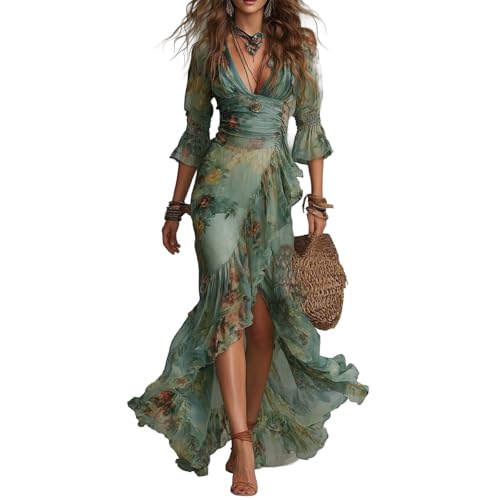
In retail fashion, gypsy-style borrows loosely from a bohemian aesthetic popularly associated with Romani dress traditions: tiered ruffled skirts, rich layering, off-shoulder necklines and a dramatic, flowing silhouette. It is a fashion descriptor rather than a specific bridal custom belonging to any one culture, and the term itself carries different associations for different people, so it is worth knowing this distinction going in.
What the collection actually delivers is a specific construction: dramatic tiered ruffles, corset bodices, and a fuller, layered skirt, distinct from the plainer, venue-practical aesthetic of the site's rustic collection.
How This Differs From Rustic
The two get grouped together since both lean boho, but the construction is meaningfully different.
Rustic, covered elsewhere on the site, is defined by the venue: barns, farms, outdoor settings, and the practical considerations that follow from uneven ground and unpolished surroundings.
This collection is defined by construction: tiered ruffles, corset bodices and dramatic layering, which can be worn at a rustic venue but is not tied to one. It is a more theatrical, dramatic silhouette than the plainer rustic aesthetic tends toward.
If the venue is doing the deciding, the rustic collection is the more direct match. If the specific tiered, ruffled construction is what you want regardless of venue, this collection is the better fit.
Tiered Ruffle Construction
Multiple horizontal bands of ruffled fabric stack down the skirt, each layer adding movement and volume without the stiffness a tulle-based full skirt would carry.
This gives a softer, more textured fullness than a structured ball gown, and it moves with more visible motion, catching light and swing with each step in a way a smooth skirt cannot.
The trade-off is that multiple ruffled layers add some bulk and can be warmer to wear than a single-layer skirt, worth factoring in for a warm-climate ceremony.
Corset Backs
Present in around a quarter to three in ten listings, a corset back accommodates a wider range of measurements than a fixed zip and allows the bodice to be tightened on the day, which matters given the fitted bodice these dresses typically pair with a dramatically full skirt.
A modesty panel behind the lacing keeps the gap from showing, worth checking for specifically since it is not always mentioned directly in a listing.
Off-Shoulder and Dramatic Sleeves
Off-shoulder necklines, common in this collection, connect to the same dramatic, flowing character as the tiered skirt, often paired with a wide or ruffled sleeve rather than a fitted one.
A bell or flutter sleeve continues the movement the skirt already carries, giving the whole garment a consistent sense of drama from shoulder to hem rather than confining it to the skirt alone.
Fabric
Lace, at just over half of listings, is the dominant fabric, often layered with chiffon beneath the ruffled tiers to give both texture and movement together.
Cotton or crochet lace suits this style particularly well for a beach or outdoor ceremony, since it is more robust than fine bridal lace and reads appropriately relaxed against a casual setting.
Where This Style Suits Best
Beach and destination weddings, mentioned in just under half of listings, where the flowing, layered construction moves well in open air and suits a relaxed, warm-weather setting.
A bride specifically drawn to a dramatic, theatrical bridal look rather than a minimal or traditionally structured one.
Where it suits less well: a highly formal, traditional ceremony, where the dramatic ruffled construction reads as a strong departure from convention.
Sizing
Take bust, underbust, waist and hip, and note that a corset back gives more flexibility than a fixed zip if your measurements sit between standard sizes.
Lace has minimal seam allowance regardless of construction, so order to your largest measurement and expect the ruffled tiers to need professional attention if significant alteration is needed. The US size chart covers conversions.
Related Collections
For the venue-focused equivalent, see rustic wedding dresses. For lace-led bridal generally, browse vintage lace wedding dresses. For other departures from a traditional gown, see non traditional wedding dresses.