
Casual Outfits for Women
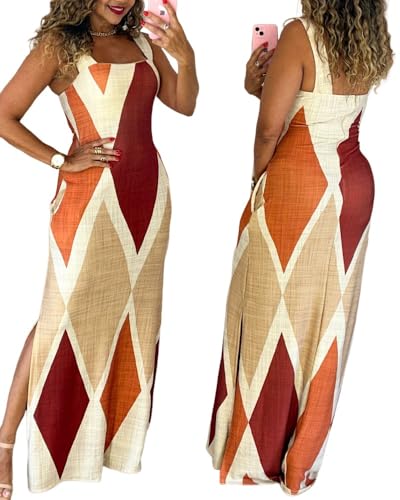
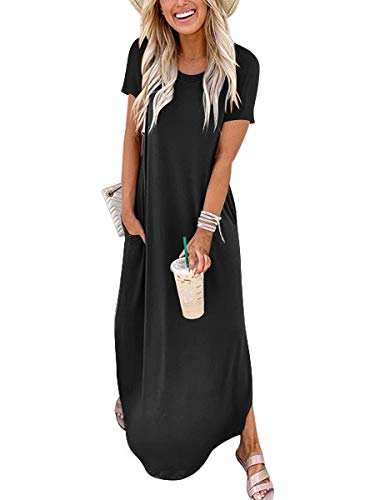
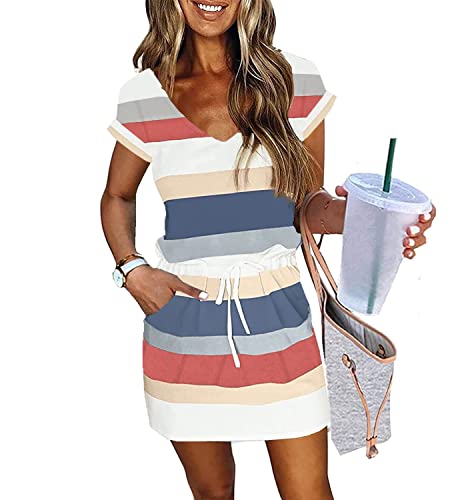
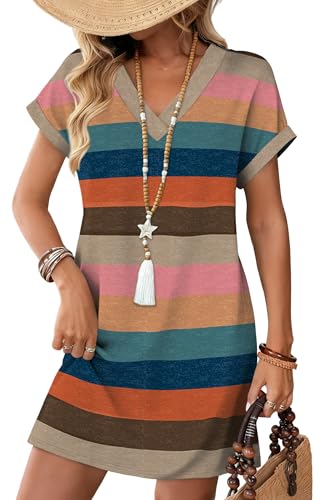
Casual Outfits for Women serve shoppers who are building complete relaxed looks around dresses and easy everyday pieces rather than choosing a dress in isolation. Because this category sits inside Casual Dresses, the product grid should remain dress-led. The useful content can show how one casual dress becomes an outfit through shoes, layers, bags, and accessories for errands, travel, lunch, casual workdays, weekends, and relaxed social plans.
A casual outfit is broader than a casual dress, but the category should not become a random clothing feed. Dresses should remain the anchor, with styling advice that helps shoppers complete the look. Formal occasion dresses, workout gear, sleepwear, and unrelated two-piece sets should not dominate a page whose inventory architecture is still a dress collection.
Related shopping paths include casual wear for women, smart casual womens outfits, cute business casual outfits, casual dresses. Each page narrows the choice by a real wardrobe decision such as fit, length, fabric, color, season, or occasion, so shoppers can compare alternatives without treating every casual dress as interchangeable.






Frequently Asked Questions About Casual Outfits for Women
What is a casual outfit for women?
A casual outfit is a relaxed everyday look built for comfort and normal daily activities. In this dress-led category, the dress is the anchor and shoes, layers, bags, and accessories complete the outfit.
How do I make a casual dress look more put together?
Use clean shoes, a practical layer, a structured or neat bag, and simple jewelry. Fit, fabric condition, and proportion usually matter more than adding many accessories.
What shoes work with most casual dresses?
Sneakers, flat sandals, loafers, ballet flats, and ankle boots cover many everyday looks. Choose based on climate, walking distance, and dress length.
How can I wear the same casual dress in different ways?
Change one or two elements at a time, such as shoes, outer layer, belt, bag, or jewelry. The dress is easiest to repeat when it already works with several pieces you own.
What is the difference between casual and smart casual?
Smart casual is usually more polished and intentional, often using cleaner shoes, structured layers, or refined fabrics. The exact boundary depends on the setting.
How should I plan casual outfits for travel?
Prioritize comfortable shoes, wrinkle-aware fabric, secure pockets or a useful bag, easy layers, manageable hems, and pieces that can be recombined across several days.
What should I check before buying a dress for casual outfits?
Verify fit, fabric, care, length, coverage, seller size chart, delivery and return terms, then confirm the dress works with shoes, layers, and bags you already own.
Build the Outfit Around the Hardest Part of the Day
Start with the activity that places the biggest demand on the outfit. A day with lots of walking needs different shoes and hem control than a casual lunch. A school pickup plus dinner needs layers that can change temperature. A travel day needs fabric that handles sitting and luggage. Choose the dress for that constraint first, then add pieces that make the rest of the schedule easier.
This method is more useful than starting from a trend label. A simple knit midi can become several outfits with sneakers, loafers, a denim jacket, or a cardigan. A shirt dress can move from errands to a casual office with a blazer. A casual maxi can work for sightseeing and dinner if the hem and fabric remain practical.
Use Silhouette to Set the Outfit Proportions
A fitted dress often benefits from a relaxed layer such as an oversized shirt, long cardigan, or denim jacket. A loose tiered or flowy dress can pair with a cropped jacket or structured bag to create contrast. A shirt dress already carries structure, so simple shoes may be enough. A maxi has more visual fabric, so the outer layer should not make movement bulky.
Think about where each piece ends. Cropped jackets emphasize the waist, hip-length cardigans create a longer line, and oversized layers can overwhelm short dresses on petite frames. The best outfit proportions come from the actual dress length and body rather than a universal formula. Try the full look in motion, not just flat on a bed.
Create a Small Shoe Rotation That Covers Most Casual Dresses
Clean sneakers, flat sandals, loafers, ballet flats, and ankle boots cover many everyday situations. You do not need all of them for every wardrobe. Choose the shoes that fit your climate, walking distance, and dress lengths. A maxi needs reliable floor clearance, while a mini may feel more balanced with a flatter or chunkier shoe depending on personal preference.
Use comfort as a purchase filter. If a dress only works with shoes you avoid wearing, it will probably be repeated less often. Before buying, picture the dress with at least two existing shoe options. That simple test can reveal whether the item expands the wardrobe or creates a new styling problem.
Layer for Temperature Without Hiding the Dress
Denim jackets, lightweight cardigans, utility jackets, relaxed blazers, trench coats, and overshirts can extend casual dresses across seasons and indoor air conditioning. The right layer depends on sleeve volume, neckline, and dress shape. Puff sleeves may bunch under a narrow blazer, and a full maxi can feel bulky under a tight long coat.
Check color and texture as well as warmth. A crisp blazer can make jersey look more polished, while denim can make a dress less formal. A soft cardigan can calm a bright print. If the dress already has strong texture or volume, choose a simpler layer. The goal is a usable system rather than one perfectly styled outfit.
Use Bags and Jewelry as Functional Finishing Pieces
Crossbody bags work well for hands-free errands and travel, shoulder bags can feel slightly more polished, and totes are useful when the day involves work or carrying extra items. Bag size should match the activity, not just the dress. A tiny bag may look neat but fail on a commute; a large tote can distort the line of a lightweight dress when worn on one shoulder.
Jewelry should support the neckline and activity. Small hoops, studs, a pendant, or a watch may be enough for repeat daytime wear. If the dress has ruffles, bows, print, hardware, or an asymmetrical neckline, multiple statement accessories can make the look busy. Simple finishing pieces often make casual outfits easier to repeat.
Build Color Combinations From Pieces Already Owned
Neutral dresses are easy to combine, but color does not need to be avoided. Green, blue, burgundy, red, yellow, and purple casual dresses can work with denim, cream, tan, black, white, brown, gray, and navy depending on undertone. Start with the dress and two wardrobe neutrals you already own, then decide whether one accent is needed.
This keeps shopping disciplined. A new dress should ideally connect to an existing shoe, layer, and bag. If it requires three new accessories to look complete, the real cost is higher than the product price. Repeat outfits usually come from compatibility, not from buying a separate set for every dress.
Match Casual Outfits to Dress Codes Without Overdressing
Weekend casual, smart casual, business casual, and casual party dressing overlap but are not identical. Sneakers and a T-shirt dress may suit errands but not a client lunch. A knit midi with loafers and a blazer can move toward business casual. A satin slip dress may need a knit layer and flat shoe to feel daytime rather than evening.
When the setting is uncertain, choose one slightly polished element such as a structured bag, clean loafer, or blazer while keeping the rest comfortable. If the event has a stated dress code, use that language first. The casual label should not override a workplace, restaurant, school, or event requirement.
Plan Outfits for Heat, Rain, and Cold
Warm-weather outfits benefit from breathable fabric, practical sandals or sneakers, and a light layer for indoor spaces. Rain changes the equation because long hems and delicate shoes become harder to manage. In cooler weather, tights, boots, knit layers, and coats can extend dresses, but static, bunching, and sleeve fit become new concerns.
A weather-ready outfit should be tested with the actual outer layer and bag. Long sleeves can pull under coats, full skirts can bunch, and maxi hems can drag on wet ground. Building the outfit as a complete system prevents a dress from becoming seasonal for reasons that could have been solved with better length or fabric choices.
Use Fit and Movement as Outfit-Level Tests
A dress can fit well alone and still become uncomfortable once a jacket, bag strap, belt, or shapewear is added. Put on the complete outfit and sit, walk, reach, climb stairs, and carry the bag. Check whether layers cause the neckline to shift, whether a crossbody strap pulls the dress, and whether a belt becomes tight after sitting.
For travel or long days, wear the outfit for at least ten to fifteen minutes at home. Fabric settles, elastic pressure becomes more noticeable, and shoes reveal rubbing. These tests are simple but they create better shopping decisions than judging every component separately.
Shop This Category as a Dress-Led Outfit Hub
The indexed parent category showed 48 products for Casual outfits for women during the research review. Because the URL sits under casual dresses, the product assortment should stay anchored in dresses that can form complete everyday looks. If unrelated tops, pants, or sets dominate, the shopper may receive a different page than the category architecture promises.
Use the casual-wear page when the goal is broader wardrobe pieces, smart casual when a more polished dress code matters, and cute business casual when the outfit needs a work-oriented direction. Those adjacent pages allow outfit intent to expand without turning one dress category into a catch-all clothing feed.
Shortlist Casual Outfits by Repeatable Combinations
Choose a dress that works with at least two pairs of shoes, one useful layer, and one bag already in the wardrobe. Then test the combination against the actual day: walking, sitting, weather, commuting, and the setting. Check fabric care and whether the pieces can be worn separately in other outfits.
A strong casual outfit should reduce decision effort rather than create it. The best dress-led looks are comfortable, easy to repeat, and flexible enough to shift through small changes in temperature or formality. Shop for compatibility first, then use accessories to create variety instead of rebuilding the wardrobe around every new dress.