
Casual Wear for Women
Casual Wear for Women in this collection is about building an everyday dress rotation for real daily routines rather than trying to cover every kind of casual clothing. The useful scope is easy-to-wear dresses for errands, travel, lunches, family plans, daytime appointments, relaxed social events, and work environments where a casual dress is appropriate.
Start with the schedule: how much walking, sitting, driving, outdoor time, temperature change, and bag carrying will happen? Then compare fabric, coverage, length, stretch, care, and footwear. A dress that works for a two-hour brunch may not work for a commute plus a full day of walking, and a soft lounge-like knit may not feel polished enough for a casual office.
Related shopping paths include casual outfits for women, cute casual dresses, casual summer dresses, and casual winter dresses. These pages narrow the broad casual-wear idea by outfit, aesthetic, season, and silhouette when a shopper has a more specific requirement.
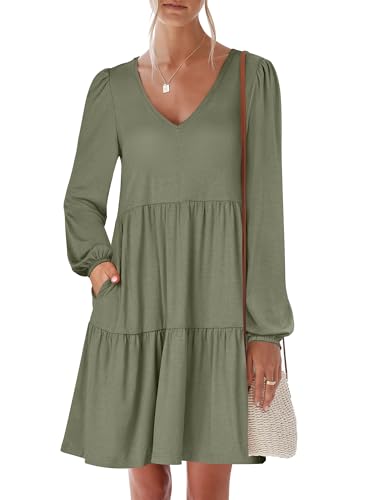
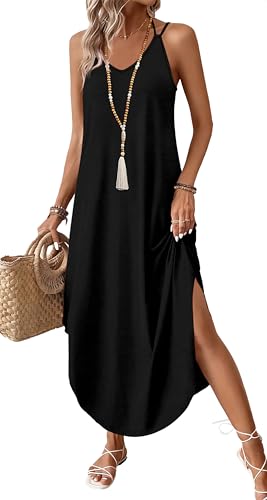



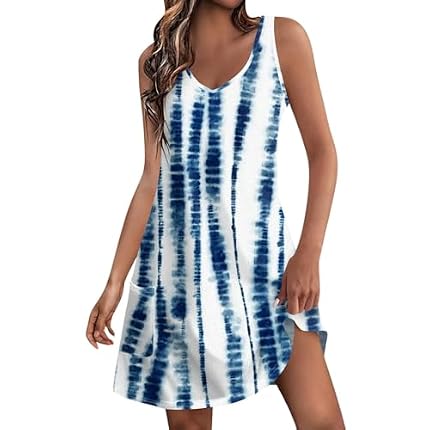
Generic Deals of The Day Clearance Prime, Casual Dresses for Women, Womens, , Drawstring Waist Slimming V Neck Sleeveless Dress (L, Green), Large
Original price was: $16.99.$9.99Current price is: $9.99.

Frequently Asked Questions About Casual Wear for Women
What does casual wear for women mean in this collection?
Here, casual wear for women refers to women’s everyday dresses for errands, travel, lunches, relaxed work settings, family plans, and other daily activities rather than all casual clothing categories.
How do I choose a casual dress for everyday wear?
Start with the activities and weather, then compare fabric, coverage, length, movement, care, pockets, size, and the shoes or layers you already own.
How should a casual dress fit?
It should allow comfortable sitting, walking, reaching, and normal daily movement without repeated pulling, gaping, riding up, or hem management.
Which fabrics work well for repeat wear?
Cotton jersey, ponte, poplin, chambray, rayon or viscose, lyocell, denim, knits, and blends can all work. Compare weight, breathability, stretch recovery, opacity, wrinkles, and care.
How can I make a casual dress look more polished?
Use clean footwear and one structured layer such as a cardigan, denim jacket, or simple blazer when appropriate. Fit and fabric condition usually matter more than adding many accessories.
What should I check in reviews?
Prioritize reviews that include body measurements, purchased size, exact variation, height, fabric comments, and a specific fit observation.
What should I verify before ordering online?
Confirm seller, size chart, fabric, lining, garment length, closure, care instructions, delivery estimate, return eligibility, and the exact color or print selected.
Build Around Real Daily Situations
Everyday casual wear covers different levels of polish. Errands and travel may prioritize stretch, pockets, washable fabric, and sneakers. Lunches or casual offices may need a cleaner neckline, more opaque fabric, and a structured shoe. Family gatherings can sit between those points. Begin with the activity rather than the trend label.
A useful wardrobe often includes several roles: one easy knit dress, one washable woven dress, one warm-weather option, one cooler-weather option, and one dress that can be made more polished with a jacket. The exact mix depends on climate and routine, but each purchase should solve a repeatable use case.
Choose Fabric for Frequency of Wear
Cotton jersey, ponte, rib knit, denim, chambray, poplin, rayon or viscose, lyocell, sweater knits, and polyester blends all appear in casual dresses. Compare softness, stretch recovery, breathability, wrinkle behavior, static, opacity, and care. Fiber content is a starting point; thickness and construction determine how the dress actually behaves.
For a weekly rotation, care burden matters. A fabric that pills after a few wears, shrinks noticeably, or requires difficult pressing may not earn much closet time. If the dress is for travel, scrunch a small section in your hand and see how quickly it releases wrinkles after a minute.
Fit for Sitting, Walking, and Reaching
Measure bust, natural waist, full hip, shoulder width, torso length, and the dress length you prefer while wearing the underlayers you expect to use. Add upper-arm circumference for sleeves and high-bust or under-bust measurements when the bodice is fitted. Compare those numbers with the exact seller's chart. US size labels are not standardized enough to replace measurements, especially across marketplace sellers and imported brands.
Keep tags attached and test the dress at home by sitting, walking quickly, climbing a step, reaching overhead, carrying a bag, getting into a car, and bending slightly. Check whether the neckline shifts, the waist rolls, the skirt catches between the legs, a slit opens farther than expected, or the hem requires constant attention. A casual dress should work during normal daily movement, not only in a still mirror pose.
Use Length as a Lifestyle Choice
Mini, knee, midi, and long dresses create different movement and footwear needs. Consider stairs, public transit, desk chairs, playgrounds, curbs, wind, and how often you bend or carry items. Check the hem on your own height with the shoes you actually wear most.
A slit can improve stride but may open higher when seated. A very full skirt can feel cool but catch in wind. A long hem can look relaxed but become inconvenient in rain. These are practical trade-offs, not reasons to avoid a style entirely.
Coverage Should Match the Setting
Check neckline depth, armhole opening, back coverage, sleeve movement, slit height, and fabric transparency in daylight. Casual does not automatically mean low coverage, and polished does not require a high neckline. Choose the level that works for the places you actually go.
Plan bras and base layers before removing tags. T-shirt bras, strapless options, camisoles, shapewear, and adhesive solutions all interact differently with necklines and fabrics. If a dress needs constant tape or adjustment for normal errands, it may not be the easiest casual option.
Create Repeatable Outfits With Existing Shoes and Layers
Before checkout, name two shoe options and one layer already in the wardrobe that work with the dress. Sneakers, flat sandals, loafers, ballet flats, ankle boots, cardigans, denim jackets, and simple blazers can shift the same dress across casual settings.
Accessories should support the routine. A crossbody strap can pull a soft neckline out of position, a rough tote can snag open knits, and a waist belt can bunch a dress that was cut to hang straight. Test the outfit as a system, not as isolated pieces.
Account for Climate and Indoor Temperature
Hot-humid, hot-dry, mild, cold, and highly air-conditioned environments create different needs. Lightweight fabric can be useful outdoors but uncomfortable in a cold office; a sweater dress can feel good on the commute and too warm indoors. Removable layers offer more control than relying on the dress alone.
If the dress is intended for multiple seasons, check whether the armholes and shoulders still move comfortably with a base layer or cardigan. A style that fits only when worn bare may have a shorter practical season than expected.
Care and Durability Decide Cost per Wear
Read the care label before deciding the dress will become part of a weekly rotation. Frequent dry cleaning, delicate hand washing, long air-dry times, or fabric that creases immediately can make an inexpensive dress costly or inconvenient over time. For washable styles, note whether the fabric is likely to shrink, pill, fade, snag, or lose stretch, and follow the actual fiber-content instructions rather than a generic care assumption.
Inspect high-friction areas such as underarms, side seams, seat, inner thighs, and bag-contact points. Thin knits and brushed surfaces can pill, while delicate prints and dark dyes can fade. A durable construction often matters more for casual wear than a special trim detail.
Use Product Reviews as Fit Evidence
Reviews are most useful when the reviewer gives body measurements, purchased size, fabric or color variation, height, and the specific fit issue they noticed. A five-star review for another seller or another fabric does not prove that the selected variation has the same stretch, opacity, lining, or proportions. Give more weight to repeated construction observations than to vague comments such as 'runs small' or 'looks cute.'
Also compare customer photos cautiously. Lighting and phone processing change colors, and a different size can alter neckline, waist, and hem placement. Look for consistent observations across several reviewers rather than one dramatic comment.
Verify the Exact Seller and Variation
Before checkout, verify the exact seller, selected color or print, fabric composition, lining, closure, garment measurements, estimated delivery, and return eligibility. Marketplace titles can bundle several variations under one product card, and the photos may not represent the exact size or color selected. Save the variation details at checkout so an exchange or replacement can be compared against the original order.
If the listing offers many colors or fabrics, recheck details after selecting your variation. A dress may have pockets, lining, or a different fiber blend in one option but not another. Return conditions can also change by seller or fulfillment method.
Narrow the Search When You Know the Priority
Related shopping paths include casual outfits for women, cute casual dresses, casual summer dresses, and casual winter dresses. The broad page is useful while the shopper is still deciding among everyday styles. Once season, fit, length, or aesthetic becomes non-negotiable, a narrower collection makes comparison faster.
This collection is dress-centered, so the practical comparison is among dresses for everyday wear. Shoppers looking for jeans, trousers, tops, or complete non-dress wardrobes will need a broader clothing collection.
How to Shortlist Casual Wear for Women
Choose the daily situation first, then filter by fabric, coverage, length, stretch, pockets, care, size range, weather, delivery, and returns. Favor dresses that work with shoes and layers already owned and that remain comfortable during a full movement test.
The strongest casual-wear purchase is the dress you can repeat without planning around it. It should wash or refresh realistically, stay in position through normal activity, and fit more than one part of the week without feeling like a special-event garment.