
Casual Party Outfits
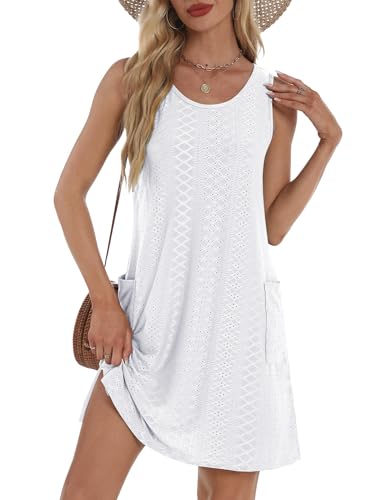
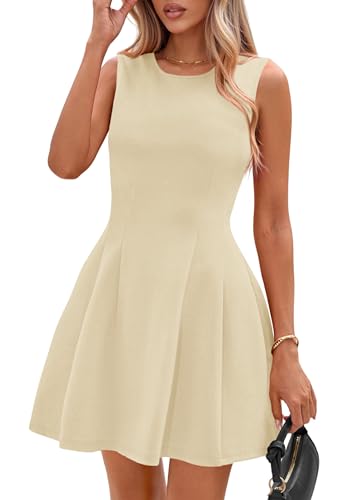
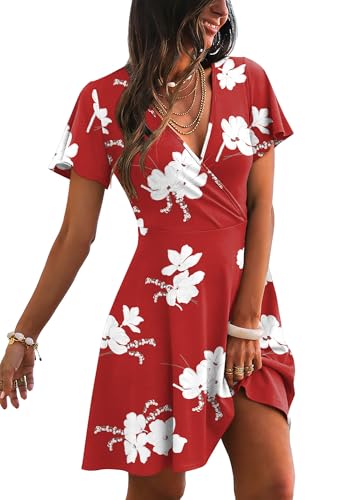
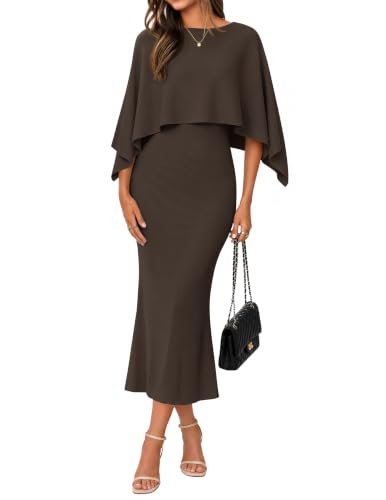
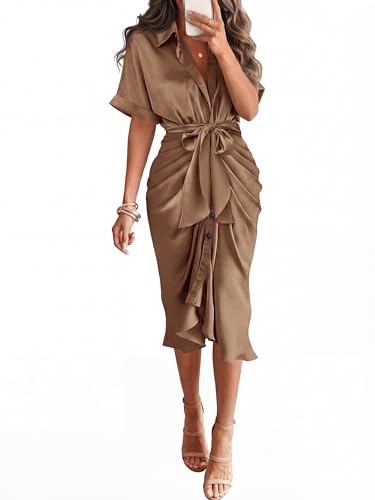
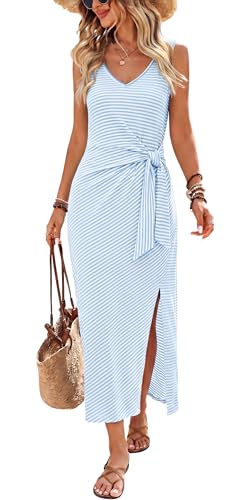
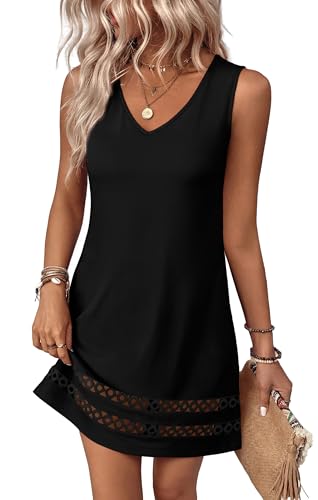
Casual party outfits sit between everyday clothing and formal eventwear. They should feel intentional enough for a birthday, dinner, house party, graduation gathering, shower, holiday visit, or relaxed celebration without looking overdressed for the setting. Browse the products above to compare mini, midi, maxi, wrap, knit, floral, bodycon, A-line, and shirt-dress options. The guide below explains how to read an informal dress code, build balanced outfit formulas, plan shoes and layers, and keep movement comfortable. MotherBrideDress is an affiliate discovery website; check the live seller page before purchase.
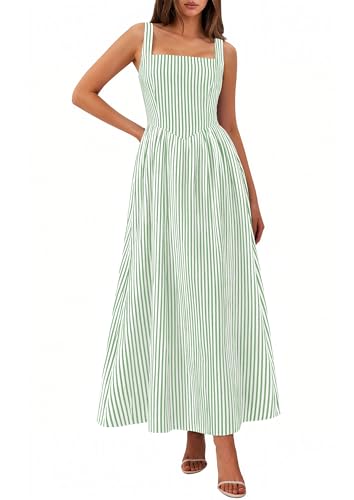
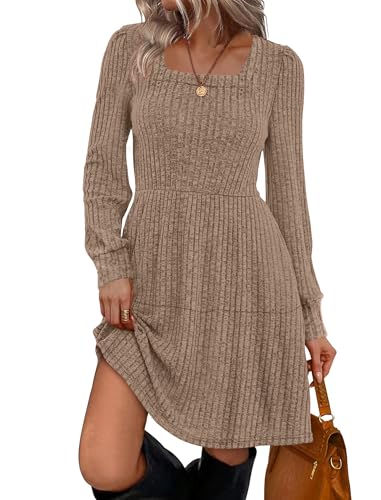
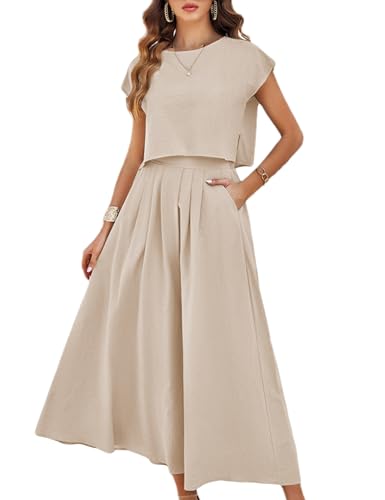
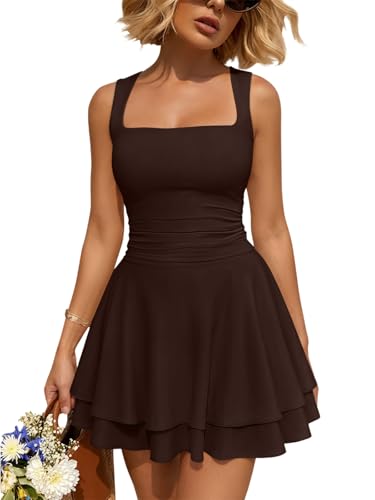






Frequently Asked Questions About Casual Party Outfits
What does casual party attire mean?
It usually means an outfit that is more polished than everyday errands but less formal than cocktail or black-tie clothing. Venue, time, host, and activity determine the exact level.
Can I wear sneakers to a casual party?
Yes, when they are clean, intentional, and appropriate for the venue. A polished sneaker can work with knit, mini, midi, or shirt dresses.
How can I make a simple dress look party-ready?
Add one strong element such as earrings, a structured bag, distinctive shoes, a polished jacket, or controlled shine.
Are jeans considered a casual party outfit?
Sometimes, but this category focuses on dresses. Whether jeans work depends on the invitation, host, and venue.
What should I wear to a casual evening dinner?
A knit midi, wrap dress, fitted but comfortable dress, or flowy style with polished shoes and a small bag can work. Choose fabric and coverage for the restaurant.
How do I avoid looking overdressed?
Use fewer formal signals. Pair a dressy fabric with simpler shoes or a relaxed layer, and avoid stacking dramatic jewelry, formal hair, and heavy embellishment.
What should I check when buying online for a party date?
Check actual measurements, garment length, fabric, opacity, delivery estimate, reviews, and return deadline. Order early enough for an exchange.
Who fulfills purchases from MotherBrideDress links?
Amazon or the listed seller fulfills the order and controls price, inventory, delivery, and returns.
How to Shop Casual Party Outfits with Confidence
“Casual party” is an imprecise invitation phrase. The same words can describe a backyard birthday, restaurant dinner, rooftop gathering, family celebration, or friend’s apartment. Start with venue, time, host, weather, expected activity, and photographs. Then choose an outfit that is one clear step above ordinary errands without reaching the level of a cocktail gown unless the setting supports it.
Styles and Construction Details to Compare
Simple dress plus statement accessory
A clean knit, wrap, or A-line dress becomes party-ready with earrings, a polished bag, or distinctive shoes. Compare photographs from several angles and judge how the detail affects the entire garment rather than treating it as a decorative label.
Printed dress plus neutral layers
Florals, geometric prints, or color can carry the outfit while a solid jacket and simple footwear keep it relaxed. Compare photographs from several angles and judge how the detail affects the entire garment rather than treating it as a decorative label.
Bodycon or fitted knit
A close silhouette can work for evening plans when the fabric is opaque, the hem is practical, and movement remains easy. Compare photographs from several angles and judge how the detail affects the entire garment rather than treating it as a decorative label.
Flowy midi or maxi
Soft movement suits dinners, showers, and outdoor gatherings; control volume with defined footwear or a waist detail. Compare photographs from several angles and judge how the detail affects the entire garment rather than treating it as a decorative label.
Mini dress with structured layer
A short casual dress can feel balanced with a blazer, denim jacket, cardigan, tights, or boots depending on season. Compare photographs from several angles and judge how the detail affects the entire garment rather than treating it as a decorative label.
Measurements and Fit Priorities
Record current body measurements and compare them with the exact seller chart. The most relevant checkpoints for this category include bust and neckline stability, waist comfort while eating and sitting, hip room for walking and dancing, dress length for the venue, and sleeve and shoulder mobility. Choose the size for the least adjustable area and do not assume a familiar U.S. size number will transfer across brands. Garment measurements, fabric stretch, lining, and pattern placement can change the correct decision.
Try the dress with the undergarments and shoes planned for the event. Look at the front, side, and back, then sit for several minutes. Seam pulling, twisting, gaping, rising hems, and pressure marks reveal problems that a quick standing photograph can hide. A tailor can refine a workable fit, but tailoring should not be used to rescue a fundamentally incompatible size or pattern.
Fabric, Lining, and Surface Quality
Common material considerations include rib knit for flexible evening comfort; cotton or jersey for relaxed daytime parties; satin-touch fabric for a dressier edge; chiffon for movement; denim or twill for structure; velvet for cool-weather gatherings; sequins or metallic details used in small amounts. Fiber names alone do not prove quality. Inspect opacity, lining, stretch recovery, seam finish, zipper insertion, hem treatment, and how the surface behaves in ordinary light. Customer photographs can reveal texture and thickness more honestly than highly edited studio images.
Check whether the outer fabric and lining stretch together. A flexible shell over a rigid lining can still restrict movement, while a thin lining may cling or ride upward. Embellishment adds weight and may change drape. Rub a small hidden area gently, when permitted, to understand shedding, snagging, or surface roughness before the event.
Movement and Real-World Comfort
Think through the actual schedule: transportation, standing, sitting at a table, serving food, taking photos, walking outdoors, and possibly dancing. The outfit should survive those transitions. A shoe that looks polished but cannot handle stairs or a dress that restricts dinner comfort will reduce confidence faster than a slightly simpler look.
Comfort should remain stable for the full wearing period, not merely the first few minutes. Pay attention to neck, shoulder, underarm, waist, thigh, and foot pressure. If the dress needs repeated pulling, tightening, or lifting during a home try-on, the inconvenience will usually become more obvious at a crowded event.
Color, Lighting, and Photography
A casual party is a good setting for color, print, or texture, but one dominant idea is usually enough. A red dress, metallic shoe, bold floral, or sparkling bag can each carry the outfit. Combining several competing statements often makes an informal look feel less polished rather than more festive.
Photograph the dress near a window, under indoor light, and with phone flash. Review close portraits and full-length images. Reflective fabric, pale lining, sheer panels, and layered skirts can change more than expected. Make accessory decisions after seeing the actual garment rather than coordinating to the product-page screen image.
Match the Dress to the Occasion
Daytime birthdays and showers usually support lighter fabrics and practical shoes. Evening dinners can handle deeper colors, fitted shapes, satin, or controlled shine. Outdoor events require weather, grass, wind, and temperature planning. House parties often demand comfort and easy movement because seating and activity are less predictable.
Read the invitation, venue information, and any institutional rules. Formality is produced by the combination of silhouette, fabric, length, coverage, detail, and styling. One keyword in a product title cannot determine whether the dress is right for the actual event.
Accessories and Outfit Balance
Build from one anchor: the dress, shoes, jacket, or accessory. Then keep the remaining pieces supportive. A casual party outfit can include sneakers when they are clean and intentional, or heels when the venue and walking distance make sense. Hair, makeup, and bag should match the level of effort rather than compete with it.
Build the complete outfit during the return window. Test jewelry against the fabric for snagging, confirm the bag does not pull the dress, and walk in the shoes long enough to judge stability. A simpler accessory plan often produces a stronger result when the dress already has distinctive color, shape, texture, or movement.
How to Evaluate an Online Listing
Product titles frequently use casual, party, cocktail, wedding guest, and club terms on the same listing. Ignore the label and judge the actual neckline, hem, fabric, fit, and finish. Verify whether belts, jackets, or accessories shown in photos are included. Read delivery and return terms before ordering for a dated event.
Confirm the selected variation before checkout: size, color, length, seller, delivery date, and return eligibility. Marketplace listings may combine several products or sellers under one page. Save screenshots of the chosen variation and terms when the event date makes accuracy important.
Alterations, Care, and Storage
Party outfits face food, drinks, makeup, outdoor surfaces, and crowded seating. Choose care requirements that match how often the piece will be worn. Treat stains promptly according to fabric instructions, air out garments after use, and inspect decorative trims before washing.
Ask a tailor before ordering when the design includes unusual seams, layered hems, heavy embellishment, structured cups, or delicate fabric. Some changes are straightforward; others cost more than the dress or alter its intended shape. Keep all packaging and tags until the fit and condition are approved.
Host Expectations and Social Context
When the invitation is vague, the host’s usual style, location, and planned activity offer useful clues. A casual family birthday and a creative-industry rooftop party may both use the word casual but reward different choices. Aim to respect the occasion rather than prove that the outfit fits a universal rule.
Backup Planning
A small practical plan improves the night: a light layer, foldable flat, stain wipe, or weather option can prevent a minor problem from controlling the event. Backup items should solve realistic risks without requiring a second full outfit unless the schedule genuinely changes dress codes.
Practical Try-On Sequence
Begin with a visual inspection before wearing the garment, then follow a consistent test rather than making a decision from the first mirror view. Confirm these category-specific points: Confirm venue, time, weather, and activity; Choose one main statement element; Check seated comfort and movement; Match footwear to walking and surface; Add a practical layer if needed; Verify opacity and undergarments; Review what the listing actually includes; Confirm delivery and returns. Complete the sequence during the return window and repeat it with the planned shoes, undergarments, accessories, and outer layer. A structured test makes comparison between several listings more reliable and prevents one attractive photograph from outweighing fit evidence.
After the movement test, keep the dress on long enough to notice gradual pressure, heat, slipping, static, scratchiness, or fabric weight. Take notes and photographs from multiple angles. When comparing two acceptable options, select the garment that requires fewer corrections and supports the real event schedule more naturally. Convenience, safety, and return flexibility are legitimate quality factors.
Common Shopping Mistakes
Common errors include dressing for an imagined social-media photo rather than the real venue, wearing uncomfortable shoes with no backup, and choosing a formal gown for a relaxed house event. The opposite mistake is arriving in unstructured loungewear when the host clearly expects effort. Context creates the correct middle ground.
Do not treat a high product count as proof that every listing belongs perfectly in the category. Marketplace taxonomy can be broad or inaccurate. Judge the individual product against the category intent, and skip listings that do not provide enough information to make a responsible decision.
Final Shopping Checklist
- Confirm venue, time, weather, and activity.
- Choose one main statement element.
- Check seated comfort and movement.
- Match footwear to walking and surface.
- Add a practical layer if needed.
- Verify opacity and undergarments.
- Review what the listing actually includes.
- Confirm delivery and returns.
Explore Related Dress Collections
Use these related MotherBrideDress pages to compare broader and narrower intents without forcing one category to answer every shopping question.
Affiliate shopping note: MotherBrideDress may earn a commission from qualifying purchases. Product names, prices, availability, shipping estimates, seller information, and return conditions can change. Always verify the selected size, color, current price, delivery date, and return policy on the live seller page before checkout.