
Light Blue Casual Dresses
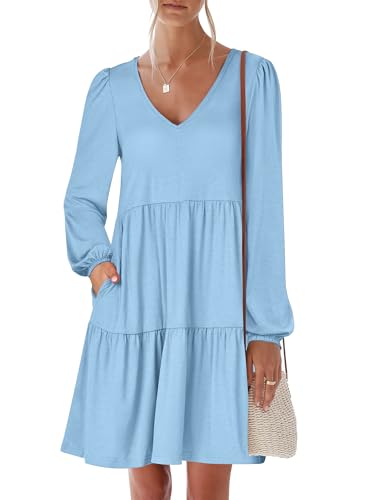
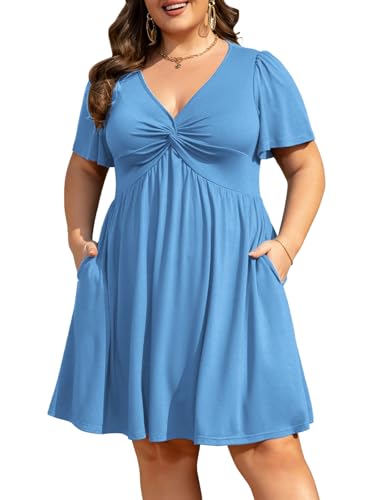
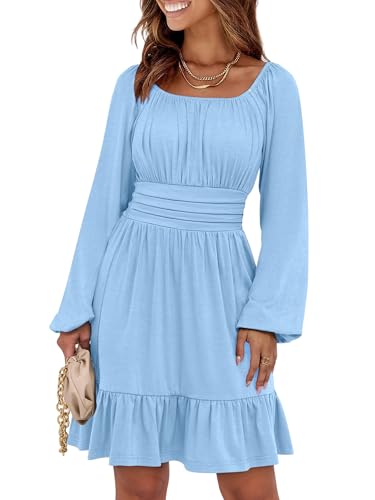
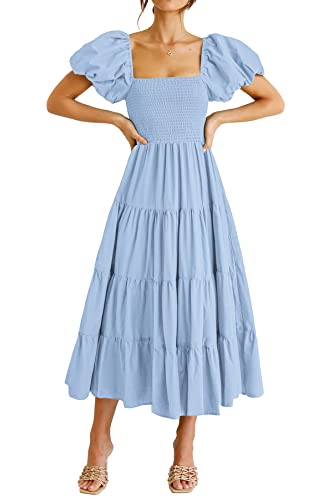
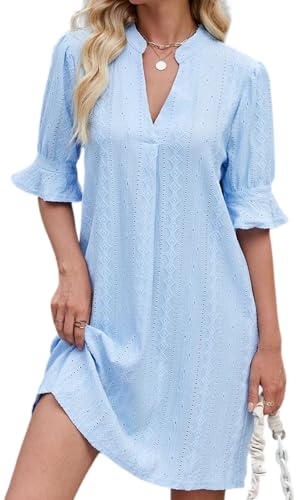
Light Blue Casual Dresses should be chosen by the actual received color, fabric, fit, and everyday use rather than by a color word in a marketplace title. The useful range here is pale to soft blue shades such as sky, powder, baby blue, dusty blue, ice blue, and soft chambray-blue tones when the garment remains clearly blue and casual. For a U.S. shopper, the useful comparison is whether the selected variation looks casual in its fabric and construction, fits the intended routine, and still reads as the target shade in daylight and indoor light.
Nearby color names include sky blue, powder blue, baby blue, dusty blue, ice blue, chambray blue, aqua, slate blue, and soft teal-blue. Those labels can overlap, but they are not interchangeable across sellers. Very pale blue can photograph close to white in strong daylight, while cool LEDs can intensify blue and warm bulbs can push dusty blue toward gray. Fabric matters as much as the dye: cotton poplin, chambray, denim, jersey, linen blends, rayon or viscose, seersucker, crepe, and lightweight knits can make the same nominal shade look lighter, deeper, cooler, warmer, shinier, or more muted. A swatch is ideal when color accuracy matters, but delivered-garment photos in consistent lighting are more useful than comparing unrelated product thumbnails.
Related shopping paths include blue casual dresses, royal blue casual dresses, casual summer dresses, and casual sundresses. Use those collections to move by a real shopping decision such as neighboring color, season, length, or construction while keeping light blue as a clearly defined everyday color intent.

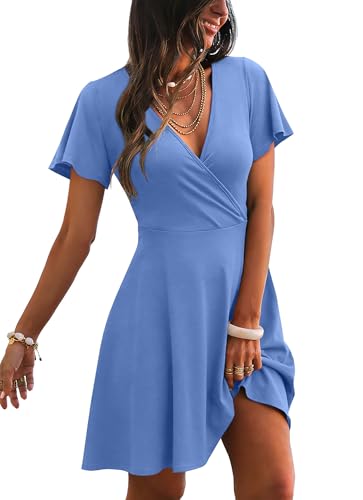
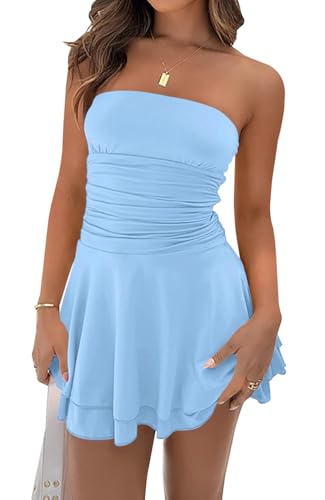
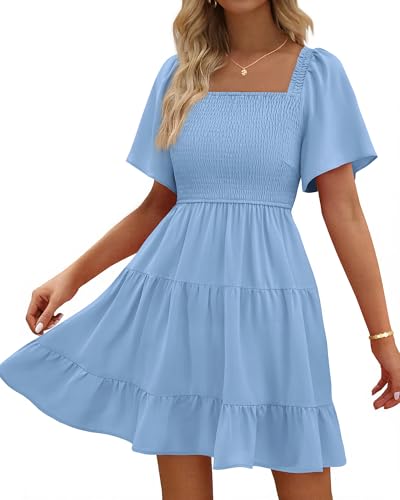
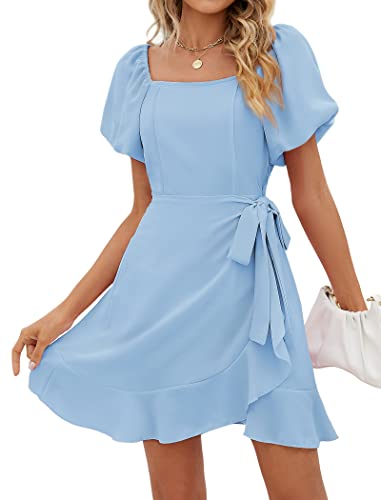
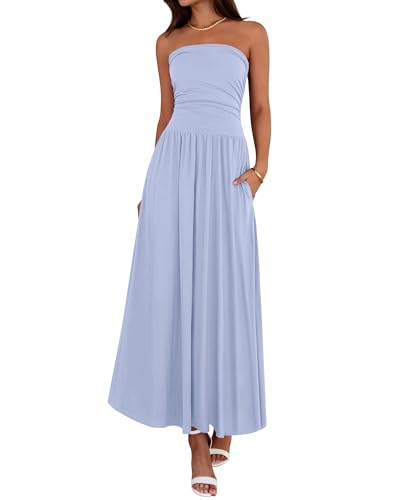
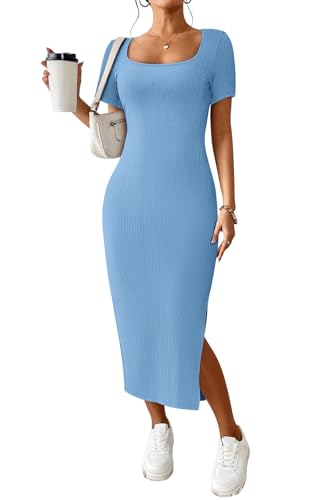
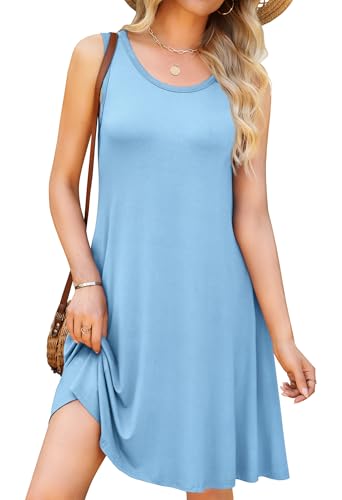
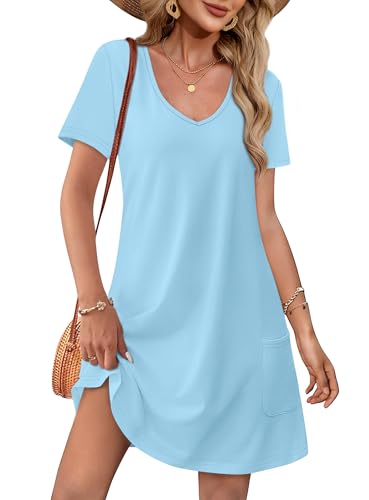
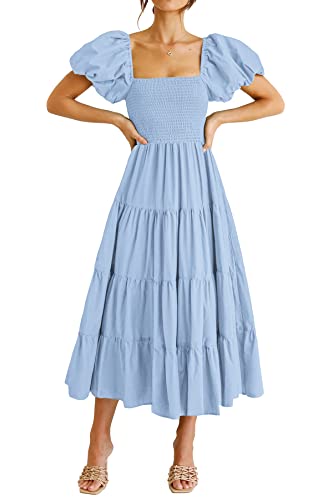
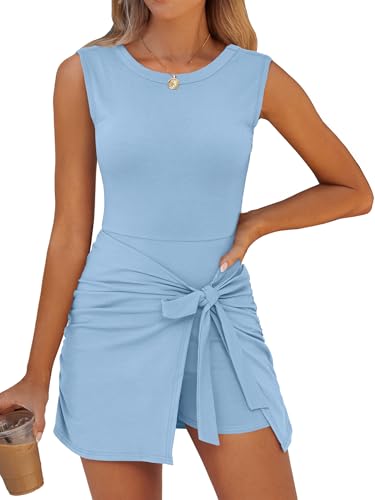


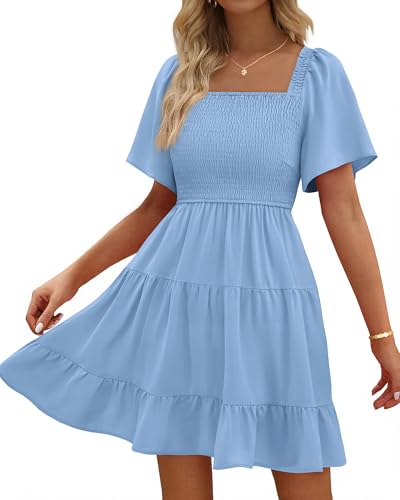


Frequently Asked Questions About Light Blue Casual Dresses
What counts as light blue casual dresses?
Use the actual received fabric color and everyday construction. The useful range here is pale to soft blue shades such as sky, powder, baby blue, dusty blue, ice blue, and soft chambray-blue tones when the garment remains clearly blue and casual. Nearby shade names can overlap, so compare the selected variation rather than relying on the seller title.
Why can the color look different from the product photo?
Lighting, camera processing, fabric texture, and lining can shift the shade. Very pale blue can photograph close to white in strong daylight, while cool LEDs can intensify blue and warm bulbs can push dusty blue toward gray. Compare the dress in daylight and typical indoor light.
Which measurements should I check before ordering?
Measure bust, waist, hips, shoulders, torso, and preferred dress length, then compare those measurements with the exact seller size chart. Add upper-arm or high-bust measurements when the design needs them.
How can I check whether the dress is see-through?
Inspect the bodice and skirt in daylight, against a bright window, and with the intended underlayers. Look for visible pocket bags, seam allowances, cups, and high-contrast underwear.
Can the same color look different in different fabrics?
Yes. Matte, shiny, sheer, textured, and piled fabrics reflect light differently, so the same listed shade can appear lighter, darker, warmer, or cooler.
What should I verify before ordering online?
Confirm the exact seller, selected color, fabric, lining, closure, size chart, garment length, delivery estimate, return eligibility, and care instructions.
How should I choose accessories?
Start with the received shade and the pieces already in your wardrobe. Possible directions include white, cream, navy, denim, gray, tan, camel, blush, soft yellow, silver, and simple brown leather tones, but undertone and surface finish should guide the final choice.
Define the Light Blue Shade Before Comparing Dresses
Light Blue Casual Dresses work best as a color-led casual collection, not a catch-all for every dress that contains a trace of the hue. The visual reference here is pale to soft blue shades such as sky, powder, baby blue, dusty blue, ice blue, and soft chambray-blue tones when the garment remains clearly blue and casual. Compare the main fabric, lining, straps, trim, and any mesh because components can shift in different directions even when a listing uses one color name. Put delivered items or swatches side by side on a neutral background rather than judging them from separate screens.
Keep very pale blue separate from white and keep aqua or teal out when the green component becomes dominant. Chambray can fit the color intent even when texture makes it look slightly grayer. If the goal is a coordinated wardrobe or group purchase, set the acceptable range before ordering. One person may be comfortable with tonal variation, while another wants one exact shade. That decision determines how strict you should be about seller, fabric, and return timing.
Fabric Surface Changes the Shade
Color behaves differently across cotton poplin, chambray, denim, jersey, linen blends, rayon or viscose, seersucker, crepe, and lightweight knits. Matte weaves tend to look more stable across angles, while satin and polished knits create directional highlights. Semi-sheer layers can become paler where fabric separates from the lining, and textured surfaces may look darker in shadow. Check the outer fabric and lining together because a mismatched lining can change the apparent color at the bust, skirt, or hem.
For repeat casual wear, also compare softness, stretch recovery, wrinkle behavior, and care. A color that looks rich in a dense fabric may feel too warm for the intended season, while a lightweight version may need more lining or a different underlayer. Choose the fabric for the routine first, then approve the shade in that exact material.
Check Daylight, Indoor Light, and Phone Flash
Very pale blue can photograph close to white in strong daylight, while cool LEDs can intensify blue and warm bulbs can push dusty blue toward gray. Photograph the delivered dress near a window, under the type of indoor light where it will be worn, and once with phone flash. The goal is not to create a perfect photo; it is to reveal undertone shifts, transparency, reflective hotspots, and whether the lining reads differently from the shell.
Turn off beauty filters and heavy photo edits during this check. Pale colors can wash toward white, saturated colors can clip into a flat block, and automatic phone processing can exaggerate blue or yellow. When comparing two dresses, put them in the same frame so camera exposure treats them equally.
Choose a Silhouette for the Actual Routine
Color does not determine whether a dress will be comfortable. Compare A-line, shift, wrap, shirt, fit-and-flare, knit column, tiered, midi, and maxi shapes by how they fit the body and activity. For light blue casual dresses, pay particular attention to lining opacity, pocket-bag visibility, undergarment contrast, bust and waist placement, hem transparency, sleeve movement, and whether the fabric shows wrinkles or seam tension. A useful everyday dress should stay in place while walking, sitting, reaching, and carrying normal daily items.
Keep tags attached and test the dress at home by sitting, walking quickly, climbing a step, reaching overhead, carrying a bag, getting into a car, and bending slightly. Check whether the neckline shifts, the waist rolls, the skirt catches between the legs, a slit opens farther than expected, or the hem requires constant attention. A casual dress should work during normal daily movement, not only in a still mirror pose.
Measure for the Exact Seller
Measure bust, natural waist, full hip, shoulder width, torso length, and the dress length you prefer while wearing the underlayers you expect to use. Add upper-arm circumference for sleeves and high-bust or under-bust measurements when the bodice is fitted. Compare those numbers with the exact seller's chart. US size labels are not standardized enough to replace measurements, especially across marketplace sellers and imported brands.
If measurements fall between sizes, identify the least flexible area of the chosen design. A non-stretch bust, fitted waist seam, narrow hip, or structured shoulder usually deserves priority over a loose skirt. Check finished garment measurements when provided, because body charts do not tell you how much ease the designer built into the dress.
Check Lining, Opacity, and Underlayers
Opacity deserves a separate review, especially in lighter or more reflective versions of light blue. Hold the skirt and bodice against a bright window, then check them under normal indoor light. Look for visible pocket bags, seam allowances, cups, shapewear edges, bra bands, or high-contrast underwear. A dress can look opaque in a dark room and still become revealing outdoors.
Choose underlayers after the dress arrives rather than assuming a standard nude tone or bra style will disappear. The correct solution depends on fabric density, neckline, back, armhole, and lining. Test the complete setup while moving, because a secure standing fit can shift when seated or when the arms are raised.
Build the Outfit Around the Received Color
Possible companion colors include white, cream, navy, denim, gray, tan, camel, blush, soft yellow, silver, and simple brown leather tones. Use them as directions, not rules. Shoes, bags, jackets, belts, and jewelry should be chosen after the actual dress arrives because undertone and surface finish decide whether warm or cool accessories look coherent.
For casual use, repeatability matters more than assembling a one-time look. Before buying, identify at least two pairs of shoes and one outer layer already in the wardrobe that work with the dress. That simple check prevents a color purchase from requiring an entirely new set of accessories.
Think About Season and Location
The same light blue dress can behave differently in summer heat, air-conditioned interiors, rain, wind, or cool evenings. Fabric weight, sleeve coverage, skirt volume, and lining determine comfort more than the color itself. Darker versions may absorb more solar heat, while very pale versions can show dust, splashes, or grass marks sooner.
For travel or long daytime wear, test wrinkling and packability. Sit in the dress for fifteen minutes, stand up, and see how quickly creases relax. If the garment needs constant steaming or careful handling, it may be better for occasional wear than for commuting, sightseeing, or a busy weekend.
Plan for Care and Color Retention
Read the care label before deciding the dress will become part of a weekly rotation. Frequent dry cleaning, delicate hand washing, long air-dry times, or fabric that creases immediately can make an inexpensive dress costly or inconvenient over time. For washable styles, note whether the fabric is likely to shrink, pill, fade, snag, or lose stretch, and follow the actual fiber-content instructions rather than a generic care assumption.
For a noticeable shade such as light blue, color transfer and fading also matter. Follow wash-temperature guidance, separate strong colors when required, and avoid assuming that two fabrics will age at the same rate. If the dress is meant for frequent wear, a stable finish and practical cleaning routine are part of its real value.
Read Marketplace Listings at Variation Level
Before checkout, verify the exact seller, selected color or print, fabric composition, lining, closure, garment measurements, estimated delivery, and return eligibility. Marketplace titles can bundle several variations under one product card, and the photos may not represent the exact size or color selected. Save the variation details at checkout so an exchange or replacement can be compared against the original order.
Reviews are most useful when the reviewer gives body measurements, purchased size, fabric or color variation, height, and the specific fit issue they noticed. A five-star review for another seller or another fabric does not prove that the selected variation has the same stretch, opacity, lining, or proportions. Give more weight to repeated construction observations than to vague comments such as 'runs small' or 'looks cute.'
Compare Nearby Casual-Dress Categories Intentionally
Related shopping paths include blue casual dresses, royal blue casual dresses, casual summer dresses, and casual sundresses. These pages help separate color intent from season, silhouette, and broader casual-dress browsing. The useful choice is the page that matches the feature you are unwilling to compromise on.
Keep this collection focused on pale to soft blue shades such as sky, powder, baby blue, dusty blue, ice blue, and soft chambray-blue tones when the garment remains clearly blue and casual. A formal gown, costume-like color, or unrelated adjacent shade should not become a match simply because the seller included the word light blue somewhere in the title. That keeps comparisons focused on dresses that actually match the shopper’s color goal.
How to Shortlist Light Blue Casual Dresses
Start with the received or swatch-approved shade, then filter by intended season, fabric, length, neckline, sleeve coverage, stretch, lining, size availability, budget, and delivery date. For each finalist, compare seller measurements and return terms before ranking by appearance. Keep lining opacity, pocket-bag visibility, undergarment contrast, bust and waist placement, hem transparency, sleeve movement, and whether the fabric shows wrinkles or seam tension on the checklist because those details affect daily comfort more than the color name.
Keep the dress only when the shade works in your common lighting, the fabric is comfortable for the intended season, the lining is dependable, and the fit survives a normal movement test. That turns light blue casual dresses from a color search into a practical everyday purchase.