
Casual Maxi Dresses for Women
Casual Maxi Dresses for Women cover a broad range of womens ankle-to-floor-length dresses for everyday wardrobes, including relaxed, fitted, tiered, shirt, tank, knit, wrap, and long-sleeve styles. This broader page should help a U.S. shopper compare maxi dresses by body measurements, fabric, climate, daily activity, coverage, pockets, sleeves, and repeat styling. The word women widens the shopping intent, but it does not remove the need to verify actual length, seller-specific sizing, and whether the dress is casual rather than formal.
The useful distinction here is breadth. This collection can cover multiple casual maxi subtypes for women, but it should still exclude formal gowns, bridesmaid dresses, prom dresses, and sheer beach cover-ups that are not practical as standalone everyday clothing. Products should be long, casual, and wearable without relying on event-only styling.
Related shopping paths include casual maxi dresses, casual petite maxi dresses, casual plus size maxi dresses, casual dresses. Each page narrows the choice by a real wardrobe decision such as fit, length, fabric, color, season, or occasion, so shoppers can compare alternatives without treating every casual dress as interchangeable.
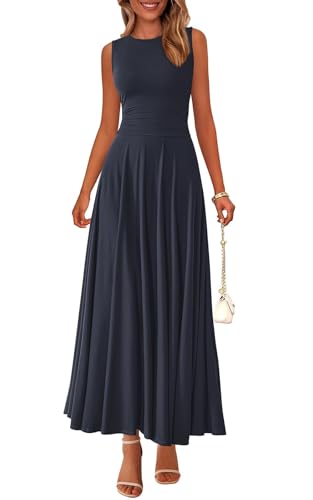
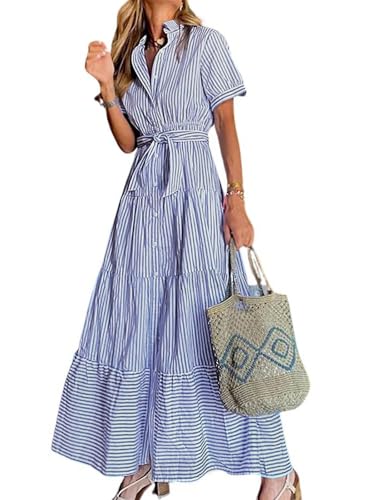



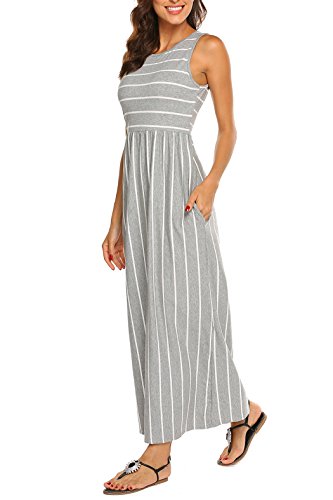

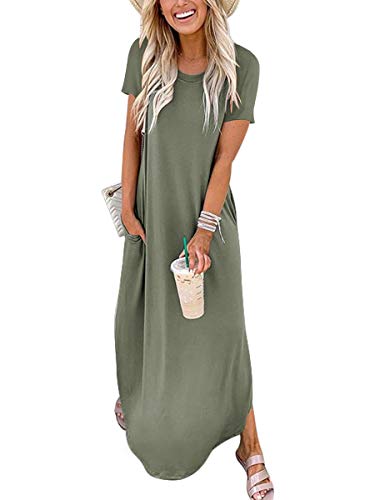


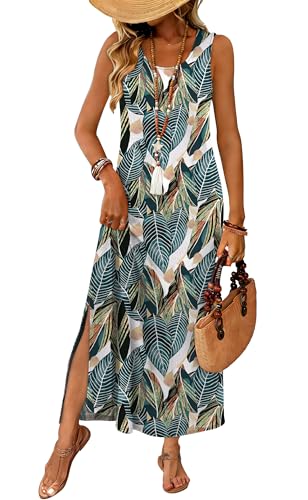


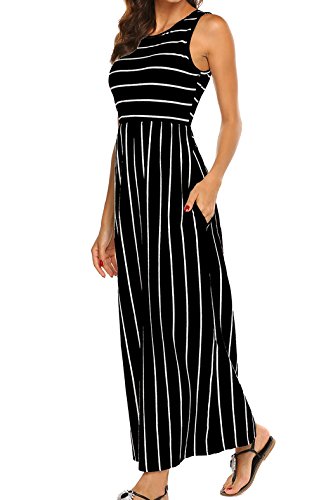


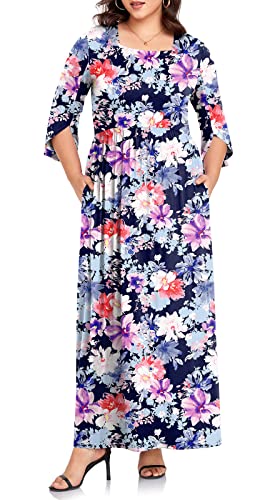

MEROKEETY Bodycon Dresses for Women Casual Sleeveless Fitted Date Night Out Sexy Y2K Tank Maxi Dress, Pink, M
Original price was: $41.99.$29.58Current price is: $29.58.
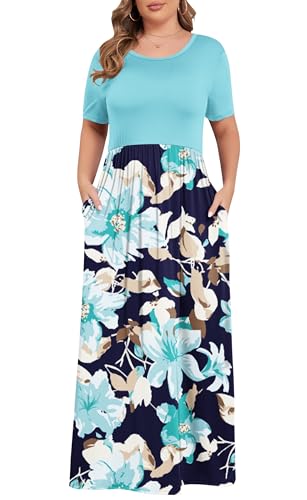
KARALIN Women’s Plus Size Maxi Dresses Summer Casual Short Sleeve Fahion Long Dress with Pockets Light Blue 16W
Original price was: $19.99.$13.99Current price is: $13.99.

Frequently Asked Questions About Casual Maxi Dresses for Women
What makes a maxi dress casual?
A casual maxi uses everyday fabric, practical construction, and relaxed styling for repeat wear rather than formal embellishment, event-focused structure, or gown-like details.
How long should a maxi dress be?
It usually falls from the ankle to near the floor. Check actual garment length against your height and shoes because retailer maxi labels are not standardized.
Which maxi silhouette is easiest for everyday wear?
That depends on the shopper. Relaxed, A-line, tiered, fitted knit, wrap, shirt, and tank maxis each trade structure, movement, support, and ease differently.
Are maxi dresses good for summer?
They can be when the fabric is light, breathable, and not overly lined. Skirt volume, color, and airflow matter as much as fiber content.
Can casual maxi dresses work in cooler weather?
Yes. Long sleeves, sweater knit, heavier jersey, boots, tights, cardigans, and coats can make maxi dresses practical in fall and winter when the hem stays clear of wet ground.
How do I shop for a maxi dress online if I am petite or tall?
Use garment length, model height, torso measurements, waist placement, and the seller size chart. Petite shoppers should check more than the hem, and tall shoppers should confirm the dress remains true maxi length.
What should I verify before ordering?
Confirm the exact variation, fabric, lining, garment length, size chart, pockets or slits, seller, delivery date, return terms, and reviews that mention height and fit.
Start With the Role the Maxi Dress Needs to Play
A casual maxi can be a travel dress, weekend uniform, summer staple, casual-office option, dinner outfit, or cool-weather knit layer. Those uses need different construction. A soft tank maxi may be ideal for errands but too relaxed for work; a collared shirt maxi can look polished but may wrinkle during travel; a fitted rib dress can transition to evening but needs more attention to stretch and underlayers.
Define the most frequent use first, then choose fabric, sleeve, neckline, and skirt shape. This approach prevents overbuying dresses that look attractive but solve the same narrow occasion. A strong everyday maxi should fit into an existing wardrobe and work with shoes, jackets, and bags already owned.
Compare Relaxed, Fitted, Tiered, Wrap, and Shirt Maxis
Relaxed column or T-shirt maxis prioritize ease and simple styling. Fitted knit maxis create a closer line but depend on stretch recovery and hip mobility. Tiered maxis provide skirt volume but can add weight and visual fullness. Wrap maxis offer adjustable waist shaping but need secure overlap. Shirt maxis can move toward workwear when fabric and buttons hold a clean line.
No silhouette is universally better. Choose based on bust support, waist placement, hip ease, shoulder movement, and how much fabric you want around the legs. If a style has a slit, test it while seated. If it has buttons, check gaping. If it has smocking, wear it long enough to judge pressure rather than deciding from the first minute.
Use Fabric to Control Comfort, Polish, and Care
Cotton jersey, rib knit, rayon or viscose blends, poplin, linen blends, sweater knit, denim, and stretch woven fabrics can all appear in casual maxi dresses for women. Soft knits usually travel easily but can cling or grow. Poplin looks crisp but wrinkles. Linen blends feel relaxed and textured. Sweater knits add warmth but can become heavy in a full-length garment.
Check lining because it changes both opacity and heat. A light-colored woven maxi may need lining for coverage, while a dark double knit may not. Review care instructions before buying a long dress with lots of fabric. Hand washing, flat drying, or steaming can become a larger chore on a maxi than on a short dress.
Measure Length, Torso, and Waist Together
Garment length alone is not enough. A maxi can technically fit from shoulder to hem while placing the waist seam too high or too low. Measure bust, waist, hips, shoulder width, torso, upper arms when relevant, and preferred shoulder-to-hem length. Compare those numbers with the exact seller chart and model information when available.
For petite shoppers, excess length may require hemming, but also check whether straps, armholes, and waist placement are proportioned correctly. Tall shoppers should confirm the hem still reaches the intended ankle or floor point after accounting for bust and hip volume. A dress that becomes midi on the body does not satisfy the same maxi intent.
Choose Maxis for Warm Weather by Construction, Not Marketing
Summer maxi dresses can offer sun coverage and an easy one-piece outfit, but a long skirt can still feel hot. Look for lighter fabric, airflow at the neckline or sleeves, enough skirt sweep, and manageable lining. Pale colors may need more opacity checks, while dark dense knits can absorb heat and feel heavier outdoors.
For beach or vacation use, decide whether you want a true dress or a cover-up. A sheer crochet or mesh style may be useful over swimwear but should not replace a standalone casual maxi if the goal is lunch, sightseeing, or travel. Sandals and flat shoes also require reliable floor clearance on uneven surfaces.
Use Long Sleeves and Layers for Cooler Months
Long-sleeve knit maxis, sweater dresses, and heavier jersey can work through fall and winter when paired with boots, tights, cardigans, coats, or scarves. Check sleeve ease under outerwear and whether the skirt builds static against tights. A full tiered dress may bunch under a fitted coat, while a straighter knit can layer more easily.
Weather also affects hem care. Floor-grazing fabric picks up rain, salt, and dirt quickly, so cold-weather maxis often work better with a little more clearance. If you live in a wet or snowy climate, choose a length that stays off the ground rather than buying based only on the romantic look of a floor-length product photo.
Check Pockets, Slits, and Functional Details
Pockets can make a casual maxi more useful for travel or errands, but side-seam pockets in thin fabric can pull or flare when loaded. Patch pockets are easier to see and may change the silhouette less. Slits improve stride but can expose more when sitting or in wind. Drawstrings and elastic waists add adjustability but should remain comfortable for several hours.
Adjustable straps, nursing-friendly fronts, removable belts, button plackets, and convertible necklines can add versatility when they are well constructed. Verify these features in the selected variation instead of relying on a generic title. Functional details should solve a real need without creating new fit problems or extra hardware that digs into the body.
Build Repeat Outfits Around Shoes and Layers You Own
A casual maxi becomes valuable when it can shift between sneakers, sandals, loafers, boots, or wedges without constant hemming concerns. Check the lowest shoe first because that sets the minimum floor clearance. A cropped jacket can balance a full skirt, a long cardigan can extend a straight silhouette, and a denim or utility jacket can keep a printed maxi grounded for everyday wear.
Use accessories to support the dress rather than compete with it. Plain knits can handle bolder jewelry or bags, while tiered florals often need less. If the neckline is high or detailed, move visual interest to shoes or a bag. If the dress is simple and solid, texture in a jacket or belt can create a second look without buying another dress.
Buy Online With Variation-Level Checks
This category contains a broad assortment, so online listings may mix bodycon, loose, plus-size, long-sleeve, beach, and work-oriented maxis. Verify the exact selected color, size, material, length, seller, and return policy. A review for another variation may not describe the same fabric or lining. Height information is especially valuable for maxi purchases.
That breadth supports a womens shopping hub, but product relevance should remain strict: long everyday dresses belong here; formal gowns and unrelated short dresses do not.
Understand the Overlap With Casual Maxi Dresses
Casual Maxi Dresses and Casual Maxi Dresses for Women target nearly the same core query. If both remain separate, this broader page should act as the primary womens hub and the narrower page should follow a tighter product rule based on exact casual-maxi construction. Otherwise, search and shopping signals can split between two pages that answer the same question.
From a shopper perspective, use this page when you want the widest womens maxi assortment. Move to petite or plus-size maxi pages when proportions or size range are the primary constraint. Use the long-sleeve maxi category when sleeve coverage matters more than general selection. These subpaths create useful differences beyond wording alone.
Shortlist a Maxi Dress for Your Actual Routine
Start with primary use, then filter by silhouette, fabric, sleeve, neckline, pocket needs, climate, and care. Compare body measurements and garment length, test the bodice while sitting, and walk stairs in the shoes you plan to wear. Check whether the dress packs, layers, and washes in a way that fits your schedule.
The best casual maxi dress for women is not the one with the most styling claims. It is the one that stays secure at the top, gives enough stride at the bottom, clears the ground, works with repeat footwear, and has fabric that remains comfortable for the hours you actually plan to wear it.