
Casual Winter Dresses
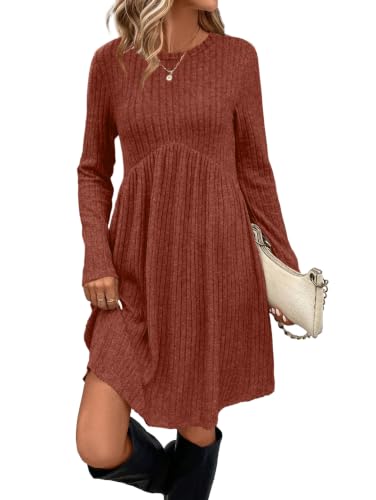
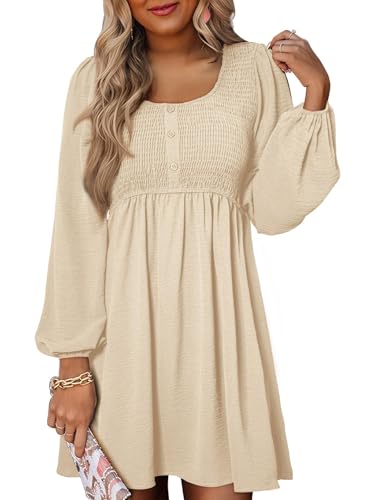
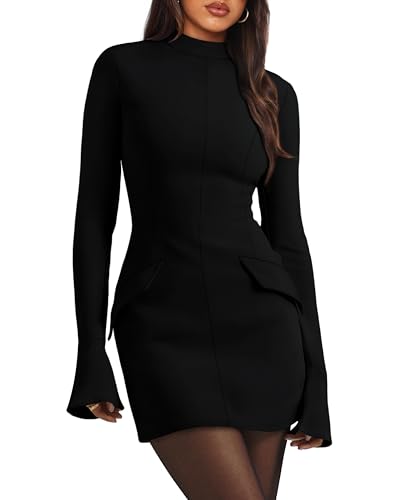
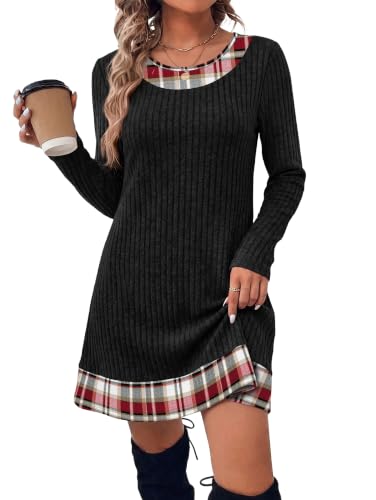
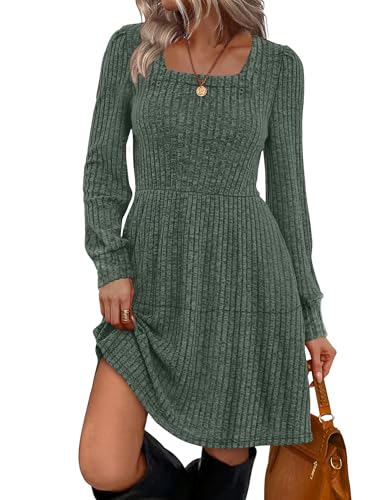
Casual Winter Dresses should solve a seasonal comfort problem first and a styling problem second. This collection centers on everyday dresses that can function in cooler U.S. weather through warmer fabrics, sleeves or coverage, layer-friendly cuts, or combinations that work with tights, boots, cardigans, and coats. For U.S. shoppers, conditions vary sharply by region, so the useful question is not whether a product title says “winter” but whether the fabric weight, coverage, lining, ventilation, and layering plan match the temperature and humidity where the dress will actually be worn.
A dark color or long sleeve alone does not make a dress winter-ready. Fabric density, wind exposure, leg coverage, layering room, and the gap between dress hem and footwear all affect cold-weather comfort. Common materials include sweater knits, merino or wool blends, ponte, rib knit, brushed jersey, corduroy, denim, heavier cotton jersey, velvet, and lined woven fabrics. Each behaves differently with airflow, moisture, static, wrinkles, layering, and indoor temperature changes. Read fiber content and construction together rather than assuming a fabric family will always feel the same.
Related shopping paths include long-sleeve casual dresses, long-sleeve casual maxi dresses, casual wear for women, and long casual dresses. These pages separate season, construction, fabric, and broader everyday-wear intent so shoppers can compare the feature that matters most.
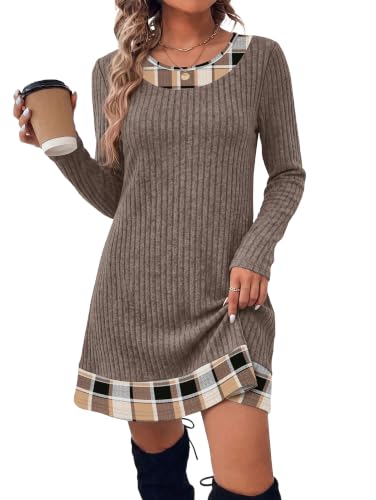
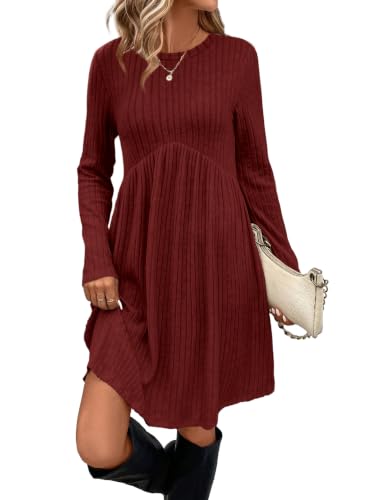
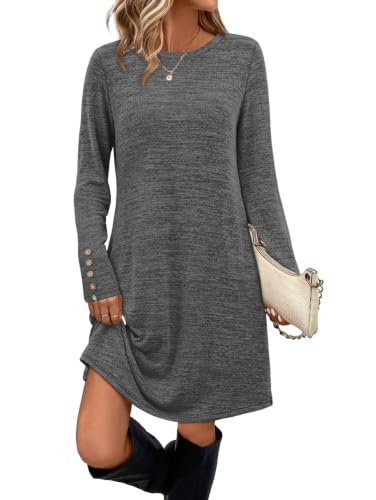
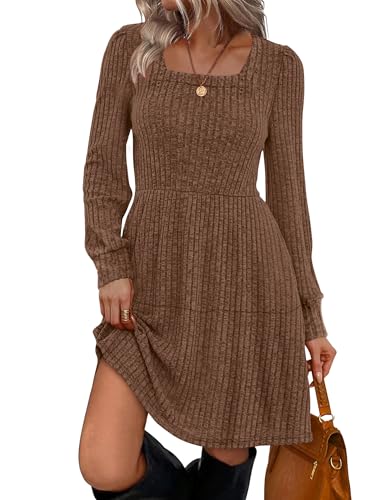
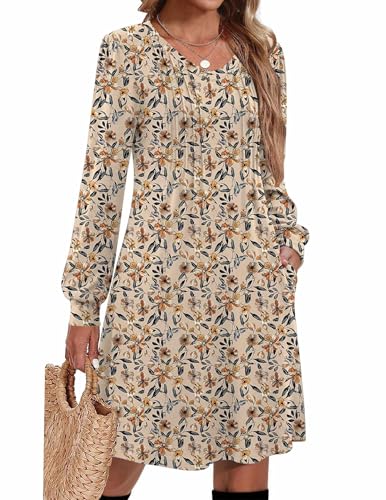
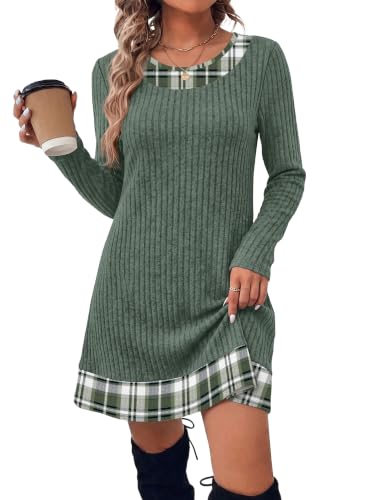
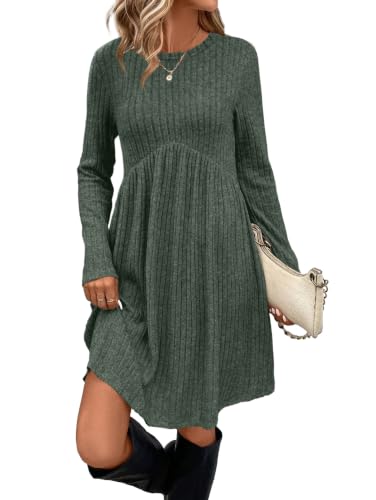

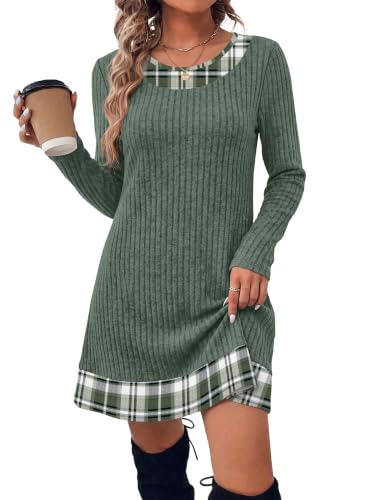
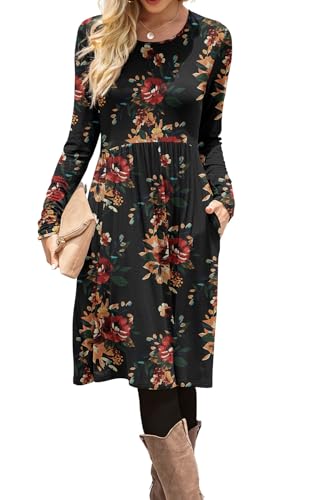
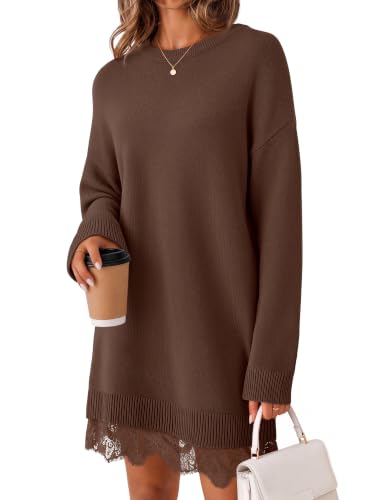

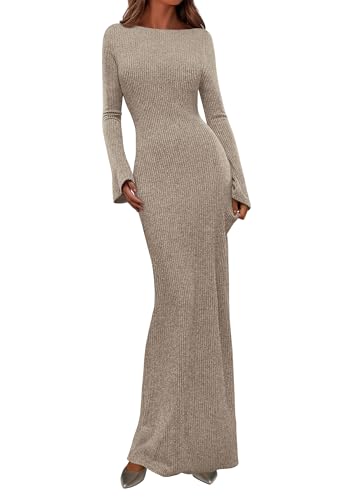




Frequently Asked Questions About Casual Winter Dresses
What qualifies as casual winter dresses?
The dress should match the actual seasonal use: everyday dresses that can function in cooler U.S. weather through warmer fabrics, sleeves or coverage, layer-friendly cuts, or combinations that work with tights, boots, cardigans, and coats. The season word in a product title is not enough.
Which fabrics should I compare?
Common options include sweater knits, merino or wool blends, ponte, rib knit, brushed jersey, corduroy, denim, heavier cotton jersey, velvet, and lined woven fabrics. Compare fabric weight, weave or knit density, lining, airflow, stretch, and care rather than judging by fiber name alone.
Which measurements matter most?
Measure bust, waist, hips, shoulders, torso, and dress length and use the exact seller chart. For these dresses, also check shoulder and arm ease over base layers, waist comfort with tights, static cling, coat compatibility, boot-to-hem proportion, sleeve length, and indoor overheating.
How should I test the dress before removing tags?
Try the dress with intended shoes and seasonal layers, then sit, walk, climb a step, reach, carry a bag, and get into a car. Check whether the dress shifts, clings, restricts movement, or creates hem problems.
How do I plan for changing temperatures?
Use removable layers when possible and test the dress in the indoor and outdoor conditions you expect. Fabric weight, lining, sleeve coverage, and footwear all affect comfort.
What care details should I check?
Read the exact fiber content and care label for washing, drying, ironing or steaming, shrinkage risk, pilling, static, fading, and special-cleaning requirements.
What should I verify before ordering?
Confirm the exact seller, selected variation, size chart, fabric, lining, sleeve and hem details, delivery estimate, returns, and care instructions.
What Belongs in Casual Winter Dresses
The defining feature is everyday dresses that can function in cooler U.S. weather through warmer fabrics, sleeves or coverage, layer-friendly cuts, or combinations that work with tights, boots, cardigans, and coats. Product titles are often broad, so check the actual garment: sleeve shape, neckline, lining, fabric weight, skirt volume, and whether the dress can function comfortably in the target season. A dark color or long sleeve alone does not make a dress winter-ready. Fabric density, wind exposure, leg coverage, layering room, and the gap between dress hem and footwear all affect cold-weather comfort.
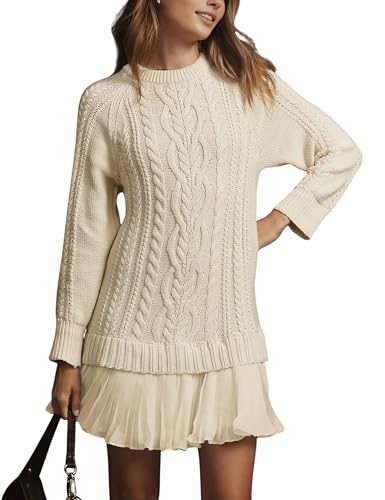
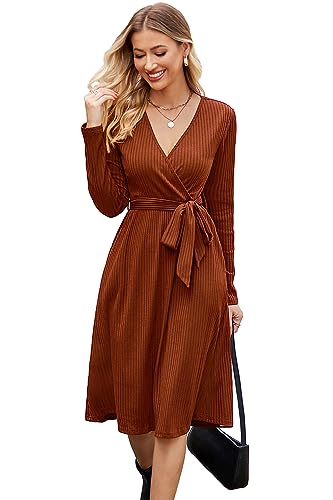
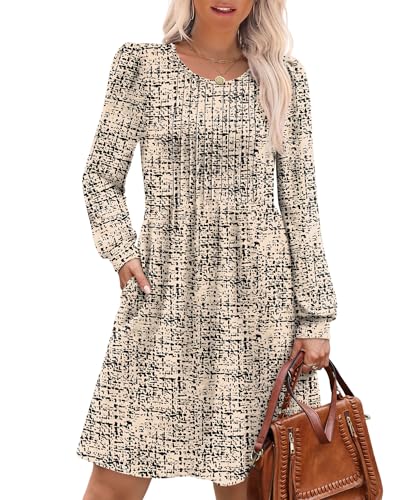
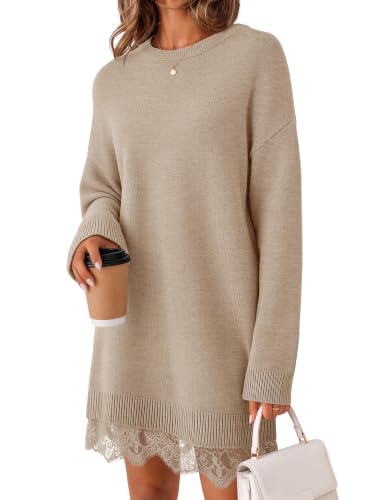
Seasonal shopping should include more than one silhouette. Shirt dresses, knit dresses, A-lines, wraps, tiers, columns, and maxis can all work when the construction fits the weather. Different silhouettes can solve the same seasonal need for shoppers with different coverage and movement preferences.
Choose Fabric by Temperature, Humidity, and Airflow
Compare sweater knits, merino or wool blends, ponte, rib knit, brushed jersey, corduroy, denim, heavier cotton jersey, velvet, and lined woven fabrics. Fiber name alone is not enough: weave density, knit structure, lining, thickness, and finish can change how warm or breathable the dress feels. Hold the fabric up to light, feel how quickly it traps heat against the body, and consider whether the garment will be worn outdoors, in a car, on public transit, or inside climate-controlled buildings.
Cold outdoor conditions and heated indoor spaces create competing needs. A removable cardigan, base layer, tights, and coat can provide more control than one very heavy dress. If the day includes large temperature swings, prioritize a dress that works with removable layers. A garment that is comfortable only at one temperature can become frustrating during commutes, restaurants, offices, or evening plans.
Fit Must Work With Seasonal Layers
Measure bust, natural waist, full hip, shoulder width, torso length, and the dress length you prefer while wearing the underlayers you expect to use. Add upper-arm circumference for sleeves and high-bust or under-bust measurements when the bodice is fitted. Compare those numbers with the exact seller's chart. US size labels are not standardized enough to replace measurements, especially across marketplace sellers and imported brands.
For these dresses, pay extra attention to shoulder and arm ease over base layers, waist comfort with tights, static cling, coat compatibility, boot-to-hem proportion, sleeve length, and indoor overheating. Test the dress with the bra, camisole, tights, base layer, jacket, cardigan, or coat you actually expect to wear. Added layers change armholes, shoulder mobility, waist comfort, and how smoothly the skirt falls.
Run a Full-Day Movement Test
Keep tags attached and test the dress at home by sitting, walking quickly, climbing a step, reaching overhead, carrying a bag, getting into a car, and bending slightly. Check whether the neckline shifts, the waist rolls, the skirt catches between the legs, a slit opens farther than expected, or the hem requires constant attention. A casual dress should work during normal daily movement, not only in a still mirror pose.
Repeat the movement check after wearing the dress for fifteen to twenty minutes. Heat, static, fabric relaxation, and elastic pressure can change the fit. A waist that feels fine for two minutes may become restrictive while seated, and a loose skirt can begin clinging after walking in dry air.
Check Coverage, Lining, and Transparency
Seasonal marketing can distract from basic construction. Check whether the skirt and bodice are lined, whether pale sections become sheer in daylight, whether darker knits reveal stretched areas, and whether the lining is breathable enough for the intended weather. Inspect front, back, and side views because online photos often hide armhole depth, back cutouts, or slit height.
Underlayers should solve a real need without creating another comfort problem. In heat, too many synthetic layers can trap warmth; in cold weather, bulky base layers can distort a fitted dress. Build the underlayer plan around the garment construction rather than trying to force the dress to work afterward.
Use Length and Hem Shape Practically
Mini, knee, midi, ankle, and maxi lengths each behave differently with wind, rain, stairs, grass, snow, and footwear. Check the front and back length on your own height rather than relying on the model photo. A hem that is ideal with flat sandals may drag with different shoes, while a winter midi may leave an awkward gap above boots.
Slits, side vents, and tier seams affect stride. Sit down and climb a step to see how far a slit opens and whether the skirt catches. For outdoor wear, consider wind and wet surfaces as part of the length decision rather than an afterthought.
Plan the Outfit Before Checkout
Test the dress with the actual coat, tights, boots or loafers, and any thermal base layer; coat length and boot height can change both warmth and the visual balance of the hem. Start with the shoes and outer layer you already own, then decide whether the dress fills a real wardrobe gap. Seasonal dresses give better value when they work with multiple layers rather than one exact accessory combination.
Check bags, belts, hats, scarves, jewelry, and hosiery for snag or pressure points. Delicate knits, open weaves, and soft gauze can catch on rough hardware. A practical casual outfit should survive normal use without requiring constant garment adjustment.
Care Requirements Affect Seasonal Value
Read the care label before deciding the dress will become part of a weekly rotation. Frequent dry cleaning, delicate hand washing, long air-dry times, or fabric that creases immediately can make an inexpensive dress costly or inconvenient over time. For washable styles, note whether the fabric is likely to shrink, pill, fade, snag, or lose stretch, and follow the actual fiber-content instructions rather than a generic care assumption.
Sweater knits and wool blends may need special washing, drying, or depilling, while brushed synthetics can build static. Check storage and moth-risk guidance for animal fibers and avoid high heat when the label warns against it. A dress bought for repeat seasonal use should be easy to refresh between wears and stable enough to survive the cleaning method recommended by the manufacturer.
Read Product Details Beyond the Seasonal Keyword
Before checkout, verify the exact seller, selected color or print, fabric composition, lining, closure, garment measurements, estimated delivery, and return eligibility. Marketplace titles can bundle several variations under one product card, and the photos may not represent the exact size or color selected. Save the variation details at checkout so an exchange or replacement can be compared against the original order.
Reviews are most useful when the reviewer gives body measurements, purchased size, fabric or color variation, height, and the specific fit issue they noticed. A five-star review for another seller or another fabric does not prove that the selected variation has the same stretch, opacity, lining, or proportions. Give more weight to repeated construction observations than to vague comments such as 'runs small' or 'looks cute.'
Compare Adjacent Collections by the Feature You Need
Related shopping paths include long-sleeve casual dresses, long-sleeve casual maxi dresses, casual wear for women, and long casual dresses. Use the seasonal page when weather performance is the main decision. Switch to a fabric, length, or construction page when that feature is more important than the season label.
This prevents a broad seasonal keyword from becoming a mixed grid of dresses that solve completely different problems. A dress can be attractive and still be a poor seasonal match if its weight, coverage, or construction does not suit the intended weather.
How to Shortlist Casual Winter Dresses
Filter first by the actual weather and schedule, then by shoulder and arm ease over base layers, waist comfort with tights, static cling, coat compatibility, boot-to-hem proportion, sleeve length, and indoor overheating, fabric, sleeve coverage, length, lining, stretch, care, size availability, delivery, and returns. If the dress needs layers, test those layers before removing tags. If it is intended for travel, check packability and wrinkle recovery.
Keep the final option only when it feels comfortable through the temperature range you expect, moves without restriction, works with practical footwear and layers, and can be cared for realistically. That is a stronger test than the word "winter" in the listing title.