
Casual Dresses for Juniors
Casual Dresses for Juniors focus on everyday dresses sold in juniors sizing and styling, including relaxed mini, midi, T-shirt, knit, shirt, skater, and simple day-dress silhouettes. In U.S. retail, juniors sizing is a merchandising system, not a promise about age or body shape. Shoppers should compare the exact size chart, garment measurements, school or workplace requirements when relevant, fabric, length, and movement instead of assuming a familiar juniors number will match across brands.
This page should stay centered on casual juniors dresses rather than prom, homecoming, cocktail, or formal partywear. Juniors collections can serve teens, college students, and adults who prefer the proportions or styling, but the garment still needs to match the casual intent. A sequined mini, formal corset dress, or floor-length event gown should not qualify simply because it is sold in juniors sizing.
Related shopping paths include cute casual dresses, casual mini dresses, midi casual dresses, casual dresses. Each page narrows the choice by a real wardrobe decision such as fit, length, fabric, color, season, or occasion, so shoppers can compare alternatives without treating every casual dress as interchangeable.
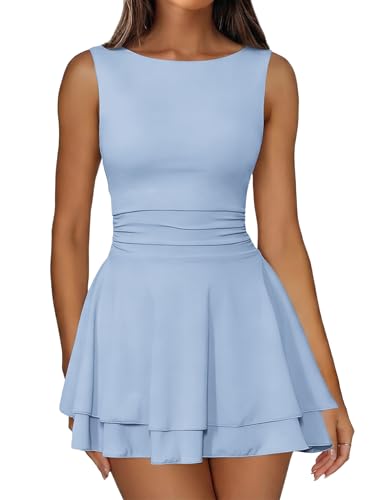
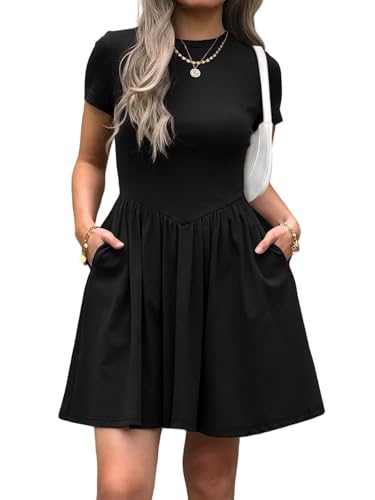
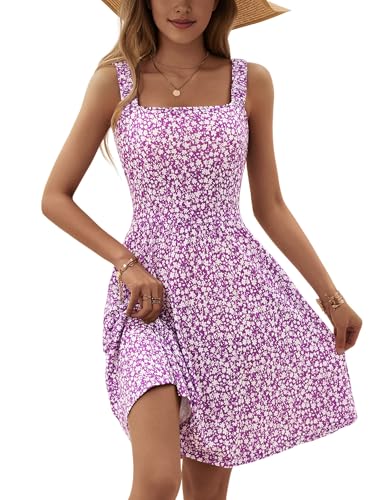
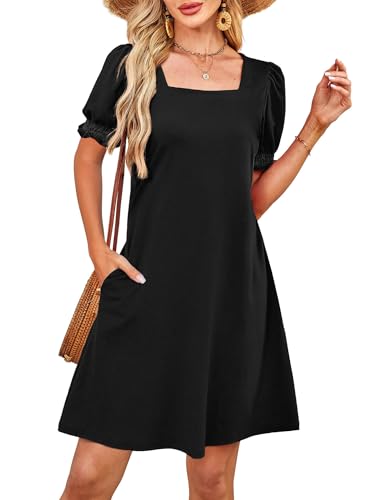
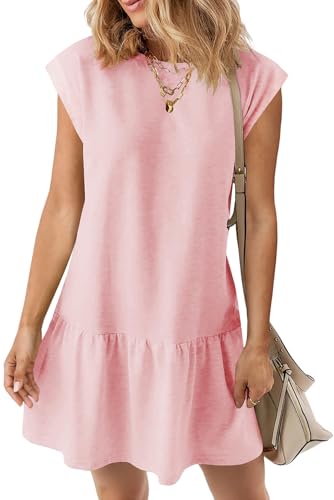



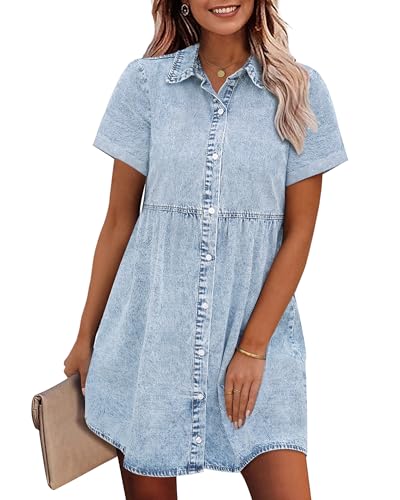
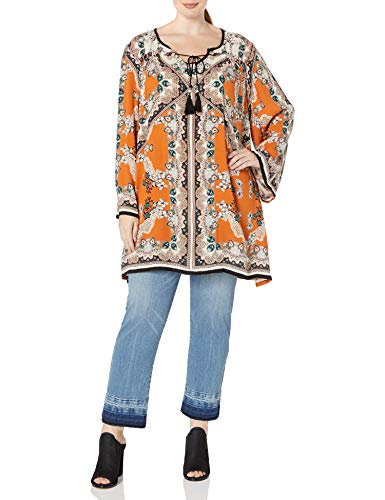
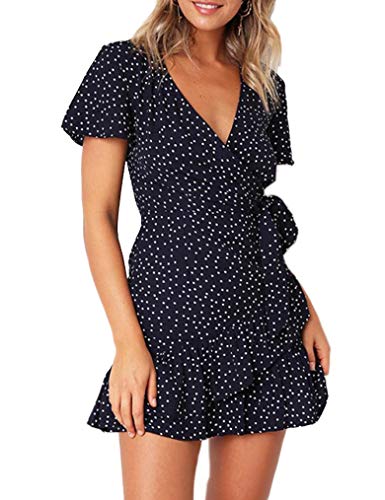


DB MOON Women Casual Long Sleeve Dresses Empire Waist Loose Dress with Pockets
Original price was: $45.99.$35.99Current price is: $35.99.Frequently Asked Questions About Casual Dresses for Juniors
What are juniors casual dresses?
They are everyday dresses sold in juniors sizing or merchandising, often with trend-focused proportions and styling. They can include mini, midi, knit, shirt, skater, T-shirt, and other relaxed day-dress shapes.
Are juniors sizes the same as womens sizes?
No. Proportions and numeric labels vary by brand. Use the exact seller size chart and body measurements instead of assuming a direct conversion.
Who can wear juniors dresses?
Juniors is a retail sizing and style category rather than an age requirement. Shoppers of different ages may choose juniors styles when the fit, proportions, and design work for them.
How do I choose the right dress length?
Check garment length and model measurements when available, then compare with your height and torso. Test the hem while sitting and walking because mini, midi, and maxi labels do not fit every body identically.
Which fabrics are practical for juniors casual dresses?
Cotton jersey, rib knit, ponte, denim, poplin, sweater knit, rayon blends, and stretch woven fabrics can all work. Compare stretch, opacity, durability, and care needs.
Can a juniors casual dress work for school or work?
It can when the specific dress meets the institution or employer dress code. Check neckline, straps, cutouts, hem length, opacity, and the setting rather than relying on the casual label.
What should I verify before ordering online?
Confirm the exact size chart, garment length, fabric, lining, straps or closures, seller, delivery date, return terms, and reviews that mention height, measurements, and fit.
Understand Juniors Sizing Before Comparing Style
Juniors sizes often use different proportions from misses or womens sizing, and the same number can vary across brands. Some juniors dresses are cut narrower through the bust or hip, some use shorter torso proportions, and others simply use trend-focused styling with no consistent fit rule. Use the exact seller chart for every dress and measure bust, waist, hips, shoulders, upper arms, and preferred length.
If you move between juniors and womens departments, do not assume a direct size conversion. Compare actual inches or centimeters. For fitted styles, prioritize the least flexible area. For loose or smocked dresses, still check shoulder placement, neckline, armhole, and hem. Oversized styling can hide a poor shoulder fit until the dress twists or pulls during movement.
Match the Dress to School, Campus, Work, or Weekend Use
A casual juniors dress can serve class, campus, coffee runs, shopping, family gatherings, casual jobs, travel, or weekend plans, but the same dress may not suit every setting. If a school or workplace has a written dress code, check hem length, straps, cutouts, neckline, and coverage against that policy. The category label alone does not make a dress appropriate for a specific institution.
For everyday versatility, look for pieces that can change with shoes and layers. A knit midi may work with sneakers for class and ankle boots for dinner. A simple mini can feel more practical with opaque tights and a cardigan in cooler weather. A shirt dress can move toward a part-time office or internship setting when the fabric and coverage are polished enough.
Choose Fabrics That Can Handle Frequent Wear
Cotton jersey, rib knit, ponte, denim, poplin, sweater knit, rayon blends, and stretch woven fabrics all appear in casual juniors dresses. Soft knits are comfortable for long days but may pill or lose shape if the quality is low. Crisp woven fabrics look cleaner but can wrinkle and restrict more. Check fiber content, thickness, stretch, and care instructions before buying.
If the dress is pale, thin, or loosely woven, test opacity in daylight. If it is ribbed or fitted, check whether the fabric becomes sheer when stretched. For denim or thick twill, make sure the armholes and waist allow sitting. For sweater dresses, check recovery at the seat and elbows. Frequent-use clothing needs fabric behavior that stays predictable after several hours.
Check Length on Your Height, Not the Model Alone
Mini, knee, midi, and maxi labels describe ranges, but the actual hem depends on body height, torso length, and where the waist is designed to sit. Use listed garment length or model measurements when available. A mini shown on a shorter model may sit much higher on a tall shopper, while a midi can become nearly maxi on a petite frame.
Sit in a chair and walk up a step before removing tags. Check whether a fitted skirt rides, whether a wrap opens, and whether the hem feels practical with a backpack or crossbody bag. If the dress will be worn to school or work, seated length matters as much as standing length. A longer dress should also clear stairs and shoes without tripping.
Prioritize Secure Necklines, Straps, and Closures
Casual dresses are easier to repeat when they stay in place. Adjustable straps can improve fit, but confirm the adjusters hold. Smocked backs can add flexibility, but the elastic should recover evenly. Button fronts should not gap at the bust, and wrap styles should overlap enough to remain secure while sitting or reaching. A decorative tie should not be the only thing keeping the dress closed.
If the dress has a zipper, test it several times while tags remain attached. For pull-on necklines, make sure the opening does not strain seams. Check bra compatibility before deciding the dress is practical. A dress that requires a special undergarment may still be worth buying, but that cost and effort should be part of the decision rather than a surprise.
Use a Movement Test for Real Daily Activity
Walk quickly, sit cross-legged if that reflects how you normally sit, reach for a high shelf, carry a backpack, get into a car, and climb stairs. These motions reveal ride-up, gaping, tight armholes, restrictive hems, and unstable straps. Casual clothing earns its place by working through daily movement, not by looking correct only in a still photo.
If the dress has a slit, check it seated. If it has a fitted waist, wear it for at least ten minutes to see whether elastic becomes uncomfortable. If it has puff sleeves, put on the jacket or hoodie you expect to use. If a layer makes the sleeves bunch painfully, the dress may not work across the seasons you planned.
Build Outfits With Repeatable Shoes and Layers
Sneakers, flat sandals, loafers, ballet flats, boots, denim jackets, cardigans, hoodies, and light utility jackets can all work with juniors casual dresses depending on silhouette. Rather than buying an outfit for a single photo, check whether the dress coordinates with pieces already owned. A simple dress becomes more useful when it can handle warm and cool days through layering.
Print and texture should guide accessories. A floral or graphic dress may need only a simple bag and small jewelry, while a plain rib knit can carry a stronger jacket or shoe. If the dress has bows, ruffles, cutouts, or multiple trend details, adding more statement pieces can make the outfit harder to repeat.
Separate Casual Dresses From Party and Event Categories
Juniors retailers often place casual, homecoming, party, graduation, and date-night dresses close together. For this category, the defining use should be everyday or relaxed daytime wear. Sequins, formal satin corsetry, heavy beading, dramatic tulle, and event-specific gowns belong in party or formal collections even if the size range is juniors.
Some dresses can cross categories. A plain knit mini may work for a casual birthday dinner, and a shirt dress may work for an internship. The distinction should come from construction, fabric, coverage, and how the dress is realistically worn. Keeping the page focused helps shoppers who want something they can repeat rather than a one-night event dress.
Shop Online With Returns and Growth of Preferences in Mind
Because juniors sizing varies, a flexible return policy is especially useful when trying a new brand. Verify the seller, selected size, color, material, delivery date, and return terms before checkout. Marketplace listings may change seller or fabric under the same product title. Read the variation details again when choosing a different color because lining and material can change.
Reviews are most useful when they include height, body measurements, purchased size, and comments about length, straps, bust fit, and washing. Style preference can change quickly, so prioritize dresses that solve a real wardrobe need and work with several outfits. A highly specific trend piece may be worth it, but it should not be mistaken for a versatile everyday basic.
Compare Nearby Casual Categories to Find the Right Proportion
If the goal is primarily a shorter hem, browse casual mini dresses. If the priority is a balanced daytime length, compare midi casual dresses. If the shopper wants a softer, more playful look, cute casual dresses can be a useful adjacent path. The full casual dresses page provides the broadest mix of lengths, colors, fabrics, and silhouettes.
With a modest assortment, each product should clearly match both juniors merchandising and casual use. Avoid letting prom, homecoming, cocktail, or general womens formal dresses dilute the page simply because their title includes a youth-oriented keyword.
Shortlist Juniors Casual Dresses by Fit and Repeat Wear
Start with where the dress will be worn, then filter by length, coverage, fabric, sleeve, color, and care. Compare the exact seller chart with body measurements and check garment length against your height. Test sitting, walking, stairs, backpacks or bags, and the outer layer you expect to wear. Then confirm the dress works with at least two shoe options.
A strong casual juniors dress should be easy to move in, easy to style, and clear about its construction. The best choice is not necessarily the newest trend or the smallest size that closes. It is the dress whose proportions, fabric, coverage, and care match the shopper and the real day it needs to handle.