
Casual Maxi Dresses
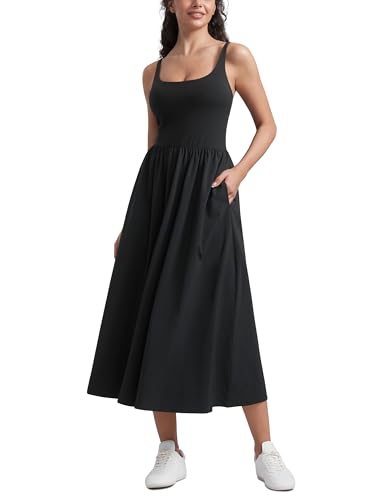
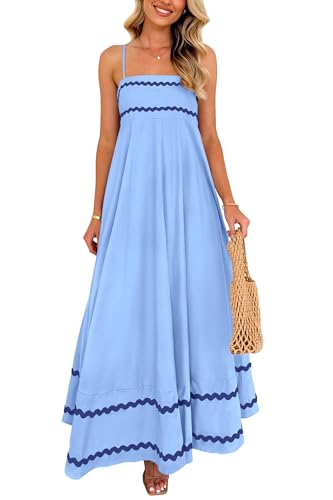
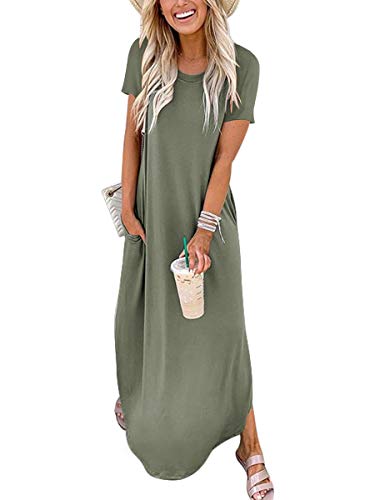
Casual Maxi Dresses focus on relaxed ankle-to-floor-length dresses designed for everyday wear rather than formal gowns, black-tie events, or heavily embellished occasion dressing. For U.S. shoppers, maxi length creates its own fit questions: shoulder-to-hem proportion, floor clearance, stride, slit placement, waist position, and how the skirt behaves on stairs or in wind. Compare actual garment length and fabric, not just the word maxi in a product title.
A casual maxi dress should combine long length with practical daytime construction. Formal chiffon gowns, bridesmaid dresses, sequin evening dresses, and cocktail styles that happen to be long should remain outside the category. Jersey, cotton, rayon blends, knit, poplin, linen blends, and other everyday fabrics can qualify when the dress works for repeat casual use.
Related shopping paths include casual maxi dresses for women, casual petite maxi dresses, casual plus size maxi dresses, long sleeve casual maxi dresses. Each page narrows the choice by a real wardrobe decision such as fit, length, fabric, color, season, or occasion, so shoppers can compare alternatives without treating every casual dress as interchangeable.





Frequently Asked Questions About Casual Maxi Dresses
What length counts as a casual maxi dress?
Maxi generally means ankle to floor length, but retailers use the term differently. Check the actual garment length and compare it with your height and shoe plan.
How should a casual maxi dress fit?
The bodice should stay secure, the waist should sit correctly, and the skirt should allow a natural stride. The hem should clear the ground with the shoes you plan to wear.
Which fabrics work well for casual maxi dresses?
Cotton jersey, rib knit, poplin, linen blends, rayon or viscose blends, sweater knit, and other soft everyday fabrics are common. Compare weight, opacity, lining, wrinkles, and care.
Are casual maxi dresses good for travel?
They can be when the hem is manageable, the fabric packs well, the waist is comfortable, and the dress works with walking shoes. Long or voluminous skirts can be awkward around stairs and luggage.
Can I wear sneakers with a maxi dress?
Yes, if the hem clears the shoe and the overall dress is casual. Sneakers, sandals, loafers, boots, and wedges can all work depending on length and season.
What is the difference between a casual maxi dress and a formal gown?
A casual maxi uses everyday fabric and construction for repeat daytime or relaxed wear. Formal gowns usually use more event-focused fabric, structure, embellishment, or trains.
What should I check before ordering a maxi dress online?
Verify garment length, size chart, fabric, lining, skirt width, slit height, bodice construction, seller, delivery timing, return terms, and reviews that mention height and shoe choice.
Confirm Maxi Length on Your Height
Maxi usually means ankle to floor length, but retailer labels are not exact measurements. Check garment length from shoulder or high point to hem when available and compare it with your height, torso, and shoe plan. A dress shown brushing the ankle on a tall model may pool on a shorter shopper, while a dress marketed as maxi can hit mid-calf on someone tall.
Floor clearance affects safety and wear. Walk on flat ground, climb a step, and sit in a chair before removing tags. The hem should not disappear under your shoes or require both hands every time you move. If you plan to alternate between sneakers, sandals, and wedges, choose a length that works with the lowest shoe or expect tailoring.
Choose Skirt Width for the Way You Walk
A long dress needs enough sweep for a natural stride. A-line, tiered, wrap, and relaxed straight maxis usually provide different amounts of room. Body-skimming knit styles may rely on stretch or a slit instead of skirt width. Test a full walking pace rather than taking a few mirror steps. If the fabric catches around the knees, the dress may become tiring during travel or shopping.
Slits can improve mobility but need a seated test. Check where the slit begins and how far it opens when you cross your legs or climb stairs. Side slits can shift as the dress rotates, and wrap fronts can open more in wind. A casual maxi should give movement without forcing the wearer to manage the skirt constantly.
Fabric Controls Whether a Maxi Feels Casual or Formal
Cotton jersey, rib knit, poplin, linen blends, rayon or viscose blends, sweater knit, and soft woven fabrics are common in casual maxis. High-shine satin, heavy beading, sequins, and formal chiffon layers can move the same long silhouette toward occasionwear. The material should match the reason you want the dress, whether that is travel, brunch, errands, vacation, a casual office, or a relaxed dinner.
Weight matters because maxi dresses use more fabric. A dense knit can feel hot or heavy after several hours, while a very light woven skirt may blow easily outdoors. Check lining, transparency, static, and wrinkle behavior. A fabric that feels fine in a short dress can behave differently when it extends to the ankle and gathers around the legs.
Check Waist Placement, Torso Length, and Bodice Support
Maxi length draws the eye vertically, so a misplaced waist seam can make the whole dress feel off even when the bust and hips technically fit. Compare shoulder-to-waist proportion, smocking position, belt loops, and empire seams with your torso. A waist that sits too high can pull the skirt forward; one that sits too low can create excess fabric above the hips.
For sleeveless and strap styles, test bra coverage and strap adjusters. For wrap maxis, check neckline overlap and waist ties while sitting. For knit tank maxis, check armholes and side coverage. A long skirt does not make the bodice automatically secure, and many comfort complaints start at the neckline or shoulder rather than the hem.
Use Maxi Dresses for Travel Without Ignoring Practical Details
A casual maxi can be useful for road trips, flights, sightseeing, resort meals, and long days because it creates a complete outfit with one piece. For travel, prioritize wrinkle behavior, breathable fabric, pockets if needed, comfortable waist construction, and a hem that clears escalators, steps, and luggage wheels. Extremely long or voluminous skirts can become awkward in crowded transit.
If you pack the dress, check whether it needs steaming and whether the fabric shows fold lines. A knit may pack easily but feel warmer; poplin can be crisp but wrinkle; linen blends can develop an intentionally relaxed texture. Choose the trade-off that matches the trip instead of treating every maxi as automatically travel-friendly.
Style a Casual Maxi From Day to Evening Without Making It Formal
Sneakers, flat sandals, espadrilles, loafers, ankle boots, and simple wedges can all work depending on hem and season. Denim jackets, cardigans, utility jackets, and cropped layers help change the proportion without covering the entire dress. A casual maxi can move from daytime to dinner with a shoe or jewelry change while still staying below cocktail or formal dressing.
If the dress has tiers, a bold print, smocking, or a strong neckline, keep accessories quieter. A plain knit maxi can carry a more structured bag or statement earring. Check whether a crossbody strap distorts the neckline or pulls a soft knit across the bust. The outfit should remain easy to wear for several hours, not just styled for one angle.
Plan for Heat, Wind, and Cooler Layers
In summer, fabric weight, ventilation, and color affect comfort. A sleeveless cotton or rayon-blend maxi may feel airy, while a dense dark knit can hold heat. Outdoor wind can turn a wide skirt into a handling problem, so test wrap fronts, slits, and lightweight tiers. On cooler days, long sleeves, sweater knit, boots, and jackets can make the same length practical beyond warm weather.
Check how the skirt behaves under a coat. Full or tiered skirts can bunch, and static can make synthetic fabrics cling to tights. If you plan to wear the maxi in winter, make sure the hem clears wet pavement and snow. Length that feels elegant indoors can become impractical in bad weather.
Use Seller Measurements Instead of a Generic Maxi Label
Record bust, waist, hips, shoulder width, torso length, and your preferred shoulder-to-hem measurement. Then compare those numbers with the exact seller chart. For fitted knit maxis, stretch recovery and hip room matter. For woven maxis, allow enough ease for stride and sitting. For smocked bodices, confirm that the elastic does not become restrictive after several minutes.
Marketplace listings may show several lengths or silhouettes under one title. Verify the exact selected variation, material, sleeve, and seller. Reviews are most useful when they include height and the shoes worn, because those details help predict whether a long hem will skim the ankle, touch the floor, or need alteration.
Separate Casual Maxi From Formal Gowns and Beach Cover-Ups
Long length alone does not define the category. Formal gowns usually use event-focused fabrics, structure, embellishment, or trains, while beach cover-ups may be intentionally sheer or open. A casual maxi should be wearable as a normal dress for everyday plans without requiring formal styling or a swimsuit underneath. This boundary keeps the collection useful for shoppers seeking repeatable daywear.
That smaller set should be tightly curated. Products that are clearly cocktail gowns, bridesmaid dresses, or sheer cover-ups should be moved to more accurate categories even if the seller title contains the word casual.
Compare the Two Maxi Categories Carefully
This site also has a broader Casual Maxi Dresses for Women category with a much larger assortment. The two phrases carry nearly identical search intent, so product rules need to be distinct if both pages remain active. This page should stay narrowly focused on true casual maxi construction and exact long-length relevance, while the broader page can support a wider womens shopping journey across fits, seasons, and use cases.
For petite needs, use the petite maxi collection. For plus-size needs, use casual plus size maxi dresses. For sleeve coverage, compare long-sleeve casual maxi dresses. These paths solve concrete fit or construction questions and reduce the need to force every long casual dress into the same result set.
Shortlist a Casual Maxi by Length, Movement, and Fabric
Start with actual garment length, then filter by fabric, skirt width, slit, sleeve, neckline, waist placement, pocket needs, and season. Compare measurements with the seller chart, test stride and stairs, and check the hem with the lowest shoe you plan to wear. Review fabric for opacity, static, wrinkling, and care before deciding it is suitable for repeat wear.
Keep the dress when it moves easily, clears the ground, stays secure at the bodice, and works with practical shoes and layers. The strongest casual maxi dress should give the visual ease of a long silhouette without creating a constant hem, slit, or movement problem throughout the day.