
Cute Business Casual Outfits
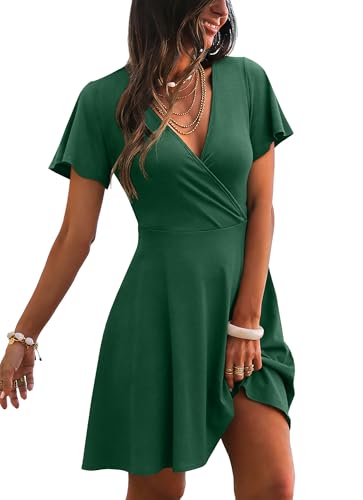
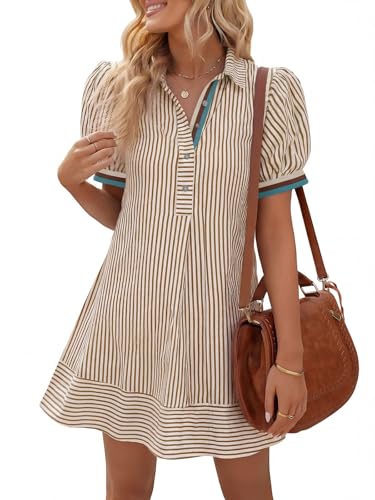
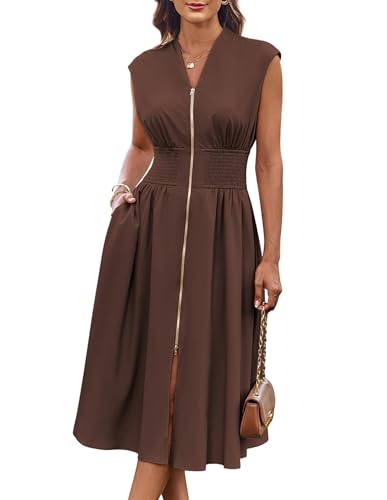
Cute Business Casual Outfits should translate an aesthetic phrase into concrete shopping criteria. The useful range here is dress-centered business-casual looks that combine workplace-appropriate construction with approachable details such as shaped waists, soft prints, refined collars, modest ruffles, pleats, texture, or color without becoming formal eventwear. The useful question is not whether a seller calls a dress “cute” but whether the cut, fabric, print, coverage, and styling work for the shopper’s actual routine.
Do not treat “cute” as a license to ignore workplace requirements, and do not make it an age-coded standard. The dress still needs an appropriate neckline, hem, opacity, movement range, and level of polish for the specific office. Look for specific details such as fit-and-flare shapes, shirt-dress collars, wrap fronts, subtle puff sleeves, fine prints, pleats, waist ties, textured knits, tasteful buttons, and clean color combinations. Those features can make a dress feel current or expressive, but they still need stable fit, useful movement, realistic care, and a clear place in the wardrobe.
Related shopping paths include casual business attire for women, business casual dresses for women, business casual women outfits, and smart casual women’s outfits. Use the linked collections to shift toward a stricter workplace, broader casual, seasonal, or silhouette-led search when the aesthetic label is no longer the main decision.
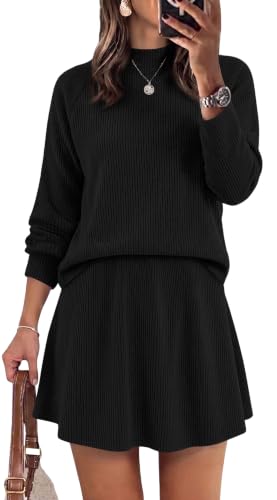
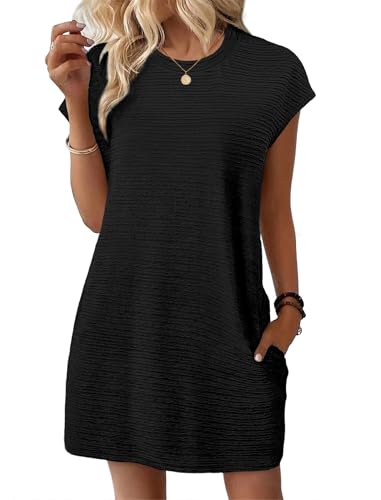
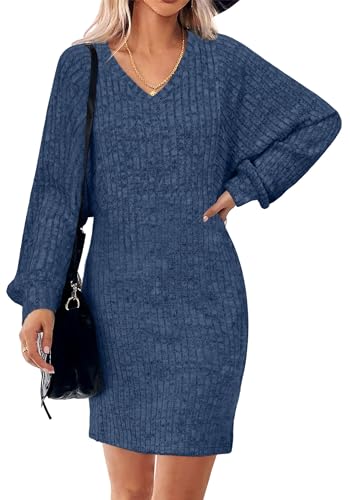
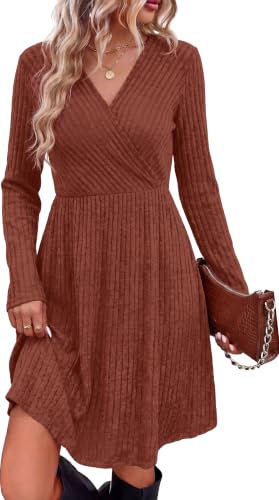






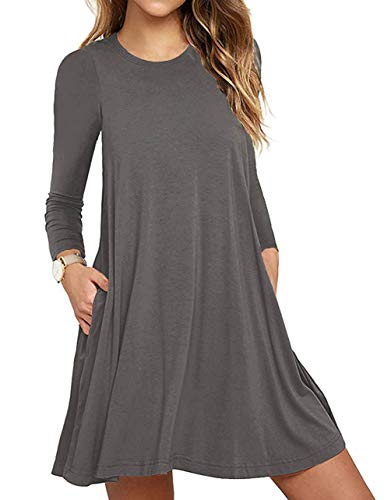


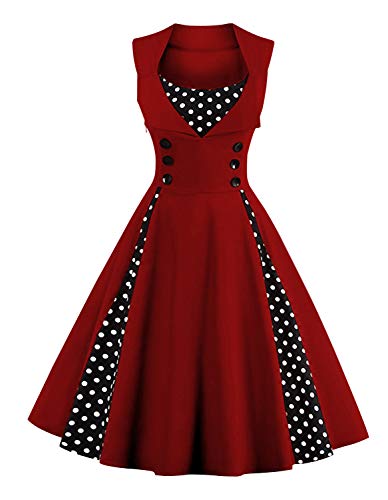
KILLREAL Women’s Polka Dot Retro Vintage Style Cocktail Party Swing Dress
Original price was: $100.00.$43.99Current price is: $43.99.


Minibee Women’s Embroidered Linen Dress Summer A-Line Sundress Hi Low Tunic Clothing
Original price was: $59.99.$33.90Current price is: $33.90.

Frequently Asked Questions About Cute Business Casual Outfits
What qualifies as cute business casual outfits?
Use visible design and real use rather than the seller adjective. The intended scope is dress-centered business-casual looks that combine workplace-appropriate construction with approachable details such as shaped waists, soft prints, refined collars, modest ruffles, pleats, texture, or color without becoming formal eventwear.
Which fit details matter most?
Measure against the exact seller chart and pay particular attention to shoulder mobility, neckline security, bra coverage, waist comfort while seated, skirt length when sitting, slit height, opacity, and compatibility with a blazer or cardigan.
How should I test the dress before removing tags?
Sit, walk, climb a step, reach overhead, carry a bag, and bend slightly. Check whether the neckline, waist, sleeves, decorative details, slit, or hem needs repeated adjustment.
How do I keep the outfit from looking over-styled?
Let one detail lead. If the dress has a strong print, ruffle, bow, collar, or sleeve, pair it with simpler shoes, bag, and jewelry. If the dress is quiet, add interest through one layer or accessory.
Do I need special undergarments?
That depends on the neckline, back, armholes, lining, and fabric. Test the intended bra, camisole, shapewear, or adhesive solution with the exact dress.
What care details matter for decorative dresses?
Check whether ruffles, pleats, smocking, bows, lace, buttons, or delicate prints require hand washing, low heat, reshaping, or special pressing.
What should I verify before ordering?
Confirm the exact seller, selected variation, size chart, fabric, lining, closure, garment length, delivery estimate, return eligibility, and care instructions.
Turn the Style Label Into Visible Features
The useful scope is dress-centered business-casual looks that combine workplace-appropriate construction with approachable details such as shaped waists, soft prints, refined collars, modest ruffles, pleats, texture, or color without becoming formal eventwear. "Cute" is subjective, so product relevance should be based on visible design cues rather than a seller adjective. Useful cues include fit-and-flare shapes, shirt-dress collars, wrap fronts, subtle puff sleeves, fine prints, pleats, waist ties, textured knits, tasteful buttons, and clean color combinations. The goal is an approachable, intentional everyday look rather than a costume or age-coded definition of femininity.
Do not treat "cute" as a license to ignore workplace requirements, and do not make it an age-coded standard. The dress still needs an appropriate neckline, hem, opacity, movement range, and level of polish for the specific office. A well-built collection can include several silhouettes while keeping the same level of polish and playfulness.
Start With the Workplace, Not a Universal Dress Code
Business casual is not standardized across U.S. employers. A technology startup, school, medical office, law firm, client-facing sales team, and government workplace can apply different expectations to denim, sleeveless dresses, open-toe shoes, hemlines, and prints.
Before buying, check written company policy and observe the level of formality in the actual workplace. Client meetings, schools, clinics, creative offices, hybrid workplaces, and corporate environments can interpret business casual differently. A dress can be appropriate in one setting and too relaxed or too dressy in another.
Fabric Determines Whether Details Look Polished
Poplin, cotton jersey, rib knit, chiffon, crepe, rayon or viscose, satin, denim, and sweater knits all change how decorative details behave. Puff sleeves need enough structure to hold shape; tiers need drape without excess bulk; smocking needs recovery; ruffles can collapse in very heavy fabric or become stiff in crisp synthetics.
Check lining and opacity as carefully as surface detail. A charming print does not compensate for a transparent skirt, scratchy seam, or unsupported neckline. For repeated wear, softness and washability often matter more than a decorative feature that photographs well.
Measure the Areas the Design Emphasizes
Measure bust, natural waist, full hip, shoulder width, torso length, and the dress length you prefer while wearing the underlayers you expect to use. Add upper-arm circumference for sleeves and high-bust or under-bust measurements when the bodice is fitted. Compare those numbers with the exact seller's chart. US size labels are not standardized enough to replace measurements, especially across marketplace sellers and imported brands.
For these dresses, pay particular attention to shoulder mobility, neckline security, bra coverage, waist comfort while seated, skirt length when sitting, slit height, opacity, and compatibility with a blazer or cardigan. Decorative seams, smocking, waist ties, collars, and shaped necklines can sit incorrectly when torso length or shoulder width is off, even if bust and hip measurements seem acceptable.
Run a Real Movement Test
Keep tags attached and test the dress at home by sitting, walking quickly, climbing a step, reaching overhead, carrying a bag, getting into a car, and bending slightly. Check whether the neckline shifts, the waist rolls, the skirt catches between the legs, a slit opens farther than expected, or the hem requires constant attention. A casual dress should work during normal daily movement, not only in a still mirror pose.
Watch the decorative features while moving. Puff sleeves can restrict the upper arm, bows can loosen, wrap fronts can gape, ruffles can flip, and short tiers can rise when seated. If the dress needs repeated fixing during the test, it is unlikely to become an easy casual favorite.
Keep Coverage and Underlayers Intentional
Check neckline, back, armholes, slit, hem, and opacity in daylight. If the dress is intended for work or daytime public settings, view it while sitting and bending slightly as well as standing. The target is the shopper’s preferred level of coverage, not a universal rule.
Choose bras, camisoles, and shapewear after the dress arrives. Straps and back lines should not require complicated solutions unless the shopper is comfortable maintaining them. A dress that is easy to style tends to earn more repeat wear.
Style the Dress Without Overloading the Look
For a polished outfit, pair the dress with loafers, ballet flats, low block heels, clean ankle boots, a cardigan, a simple blazer, or restrained jewelry depending on the workplace.
Start with one focal detail. If the dress already has a strong print, ruffle, collar, bow, or sleeve, simple shoes and a clean bag often keep the outfit coherent. If the dress is visually quiet, texture or color can come from the jacket, belt, jewelry, or footwear.
Think in Outfit Repeats, Not One Product Photo
Before checkout, build at least two outfits: one relaxed and one slightly more polished. For example, sneakers and a denim jacket can create a different use case from loafers and a cardigan. The dress should still feel like the same person’s wardrobe rather than a one-off costume.
If every repeat requires a new shoe, special bra, or exact accessory, the dress may be less useful than a simpler alternative. Versatility does not mean neutral; it means the garment can support more than one realistic combination.
Care Requirements Can Cancel Everyday Appeal
Read the care label before deciding the dress will become part of a weekly rotation. Frequent dry cleaning, delicate hand washing, long air-dry times, or fabric that creases immediately can make an inexpensive dress costly or inconvenient over time. For washable styles, note whether the fabric is likely to shrink, pill, fade, snag, or lose stretch, and follow the actual fiber-content instructions rather than a generic care assumption.
Inspect trims before washing: decorative buttons, bows, lace, pleats, smocking, and applied embellishment may need gentler handling. A casual dress should have a care routine the wearer is actually willing to follow.
Read Listings and Reviews for Construction Evidence
Before checkout, verify the exact seller, selected color or print, fabric composition, lining, closure, garment measurements, estimated delivery, and return eligibility. Marketplace titles can bundle several variations under one product card, and the photos may not represent the exact size or color selected. Save the variation details at checkout so an exchange or replacement can be compared against the original order.
Reviews are most useful when the reviewer gives body measurements, purchased size, fabric or color variation, height, and the specific fit issue they noticed. A five-star review for another seller or another fabric does not prove that the selected variation has the same stretch, opacity, lining, or proportions. Give more weight to repeated construction observations than to vague comments such as 'runs small' or 'looks cute.'
Compare the Neighboring Intent Before Ordering
Related shopping paths include casual business attire for women, business casual dresses for women, business casual women outfits, and smart casual women’s outfits. Choose the page whose defining requirement is strongest: workplace polish, broad everyday wear, seasonal comfort, or a particular silhouette.
That separation is important because aesthetic labels can become overly broad. Product relevance should come from visible design and real use, not from keyword-heavy marketplace titles that call the same dress casual, work, party, vacation, and wedding guest at once.
How to Shortlist Cute Business Casual Outfits
Filter by the actual setting first, then compare shoulder mobility, neckline security, bra coverage, waist comfort while seated, skirt length when sitting, slit height, opacity, and compatibility with a blazer or cardigan, fabric, lining, length, coverage, care, size range, delivery, and returns. Keep the decorative details you genuinely enjoy, but remove any option that fails the movement or underlayer test.
The strongest cute business casual outfits should feel expressive without becoming high-maintenance. It should fit the routine, stay secure through normal movement, and coordinate with shoes and layers already in the wardrobe.