
Casual Business Attire for Women
Casual Business Attire for Women brings together dress-led workwear that sits between relaxed everyday clothing and traditional business formal dressing. For U.S. offices, there is no single universal business-casual uniform. The right choice depends on employer rules, client contact, industry, climate, commute, and how much flexibility the workplace allows. Compare coverage, fabric, length, structure, wrinkle behavior, and layering before treating a product title as office-ready.
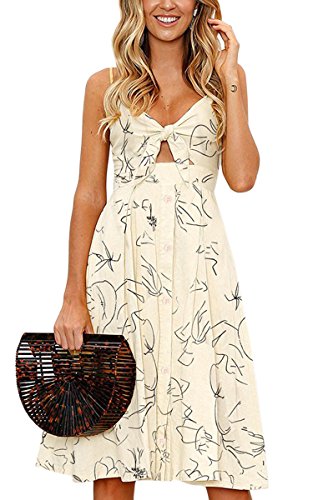
Business casual is not the same as weekend casual, cocktail wear, or a full interview suit. A dress can fit the category when it looks neat, offers secure coverage, and works with professional shoes or a layer such as a cardigan or blazer. Low backs, extreme cutouts, transparent fabric, beach construction, clubwear details, and visibly distressed styling may conflict with many workplaces even when a seller uses the phrase business casual.
Related shopping paths include business casual dresses for women, business casual clothes for women, smart casual womens outfits, womens work dresses. Each page narrows the choice by a real wardrobe decision such as fit, length, fabric, color, season, or occasion, so shoppers can compare alternatives without treating every casual dress as interchangeable.
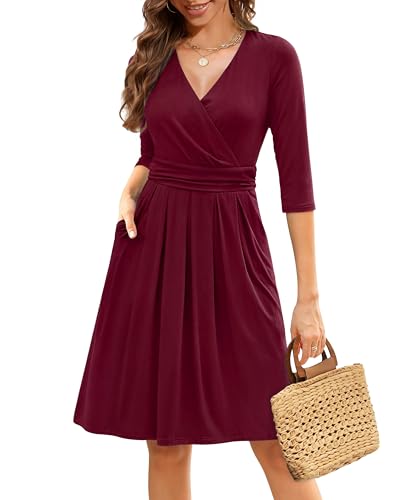
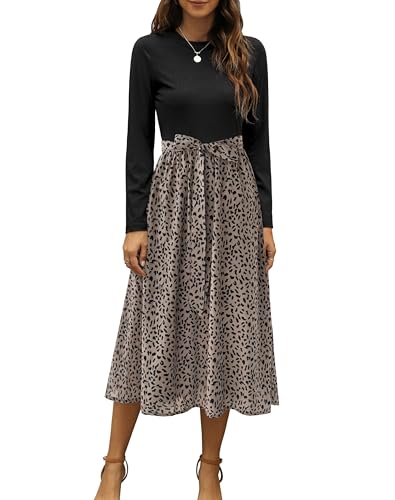



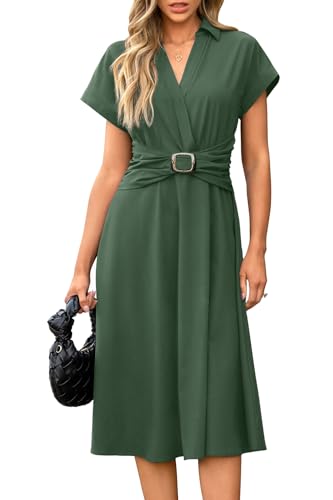





Frequently Asked Questions About Casual Business Attire for Women
What is casual business attire for women?
It is workwear that sits between everyday casual clothing and business formal dress. The exact boundary depends on the employer, industry, client contact, and workplace culture.
Can dresses be business casual?
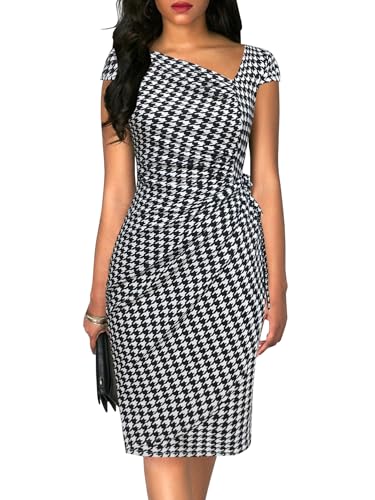
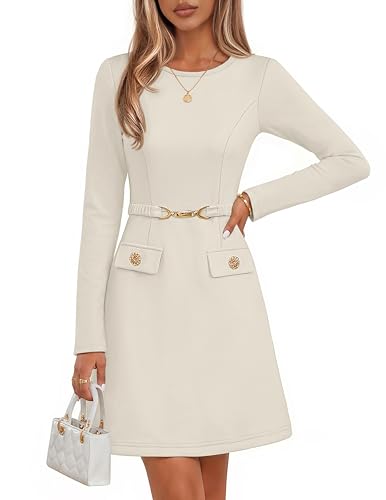
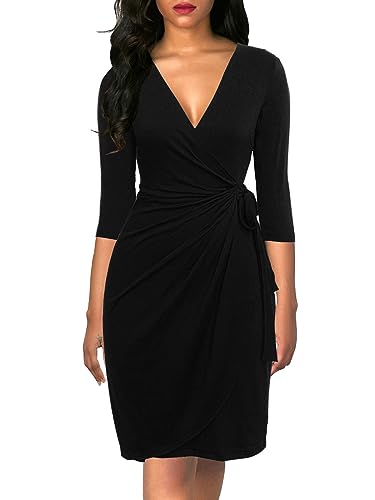
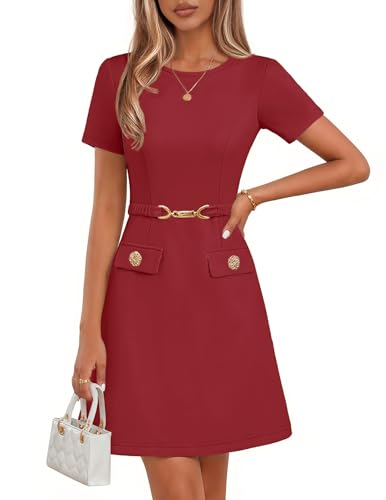
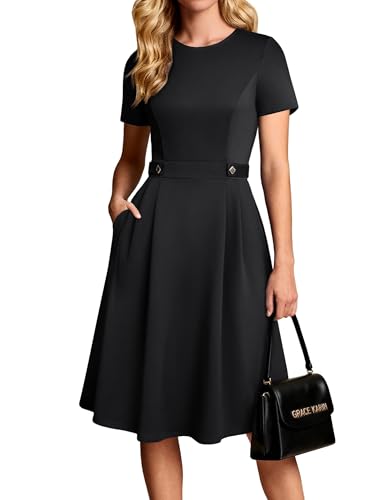
Yes. Shirt dresses, wrap dresses, knit midi dresses, A-line dresses, and other clean, secure styles can fit many business-casual workplaces when length, coverage, fabric, and styling match the office.
Are maxi dresses business casual?
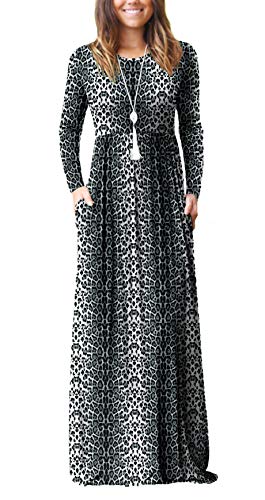
They can be in some workplaces when the fabric, neckline, print, hem, and overall styling look polished rather than beach-oriented. Employer rules and the specific dress matter more than maxi length alone.
What fabrics look polished for business casual?
Ponte, matte crepe, structured jersey, cotton poplin, twill, sweater knit, and substantial woven blends often hold a clean line. Compare wrinkle behavior, opacity, breathability, and care needs.
Can I wear sneakers with business casual dresses?
Some offices allow clean minimal sneakers and others do not. Check the workplace policy and what colleagues wear. Loafers, flats, ankle boots, and low heels are common alternatives.
How should a work dress fit when sitting?
The waist should not dig in, the skirt should allow comfortable hip movement, the neckline should stay secure, and the hem or slit should remain appropriate when seated. Always test the dress in a chair before removing tags.
What should I verify before ordering business casual clothes online?
Confirm the exact size chart, fabric, lining, front and back construction, length, care instructions, delivery timing, return terms, and reviews that describe real office wear and measurements.
Define the Office Before Defining the Outfit
Business casual varies widely across U.S. workplaces. A creative office may accept clean sneakers, knit dresses, and denim layers, while a law, finance, healthcare administration, or client-facing environment may expect more structure. Start with written policy, what managers and peers actually wear, and whether the day includes presentations, visitors, travel, or after-work events. The safest purchase is one that fits the real office rather than an abstract online definition.
When a dress code is unclear, aim for a middle ground: secure neckline, controlled hem or slit, opaque fabric, clean shoes, and a layer that can make the outfit more formal. This creates room to adjust once you understand the culture. If the day calls for a formal interview, board meeting, ceremony, or highly conservative client setting, compare business professional options instead of stretching the business-casual label.
Choose Dress Shapes That Stay Polished Through a Workday
Shirt dresses, wrap dresses, knit midi dresses, fit-and-flare shapes, sheath dresses with comfortable ease, and simple A-line silhouettes can all work depending on the office. The key is not a specific cut; it is whether the dress stays stable while sitting, walking, reaching, and working. A wrap neckline should remain secure, a belt should stay centered, and a fitted skirt should allow normal stride without riding up.
Length also interacts with proportion and movement. Knee and midi lengths are common choices because they are easy to pair with flats, loafers, boots, or low heels, but a longer maxi can work in some offices when the fabric and shape are clean rather than beach-like. Check the hem while seated, not just standing, and consider desk chairs, stairs, commuting, and the amount of walking in your day.
Fabric Decides Whether Casual Looks Professional
Ponte, matte crepe, structured jersey, cotton poplin, twill, sweater knit, and substantial woven blends can give a casual dress more authority because they hold a cleaner line. Thin T-shirt jersey may work in very relaxed offices but can show pocket outlines, undergarments, or wrinkling more easily. Satin can look polished, yet high shine or cling may shift the outfit toward evening depending on the cut.
For warm climates or summer commuting, prioritize breathable fabric and enough ease under the arms and across the back. For colder offices, check whether the dress layers smoothly under a blazer or cardigan without bunching. Wrinkle resistance matters when you sit for long periods or travel. A fabric that looks crisp only for the first ten minutes may create more maintenance than you want from repeat workwear.
Check Necklines, Sleeves, Backs, and Slits in Motion
Coverage is easiest to judge when the body is moving. Sit at a desk, lean forward as if reaching for a laptop, raise both arms, and walk up stairs. A neckline that feels secure while standing can open when seated; a back slit can rise; sleeves can pull the bodice upward. These are practical fit questions rather than moral rules, and the acceptable range depends on the workplace.
If you plan to wear a blazer, test the dress underneath it. Puff sleeves, thick shoulder gathers, and wide cuffs can bunch under structured jackets. If you prefer cardigans, check whether buttons or textured knits snag the dress. A work outfit should remain comfortable without requiring a private adjustment every time you stand up, remove a layer, or carry a bag.
Build Around the Most Formal Part of Your Day
A useful business-casual wardrobe handles ordinary desk time and the occasional more visible moment. If you have a client lunch, presentation, school meeting, conference session, or networking event, start with a dress that can become more polished through one change, such as adding a blazer, switching sneakers for loafers, or carrying a structured bag. This is more efficient than buying one-use outfits for every small increase in formality.
For hybrid workers, think about the full day rather than only the camera frame. A comfortable knit dress can work for video calls, but commuting, office temperature, and in-person meetings still matter. Choose pieces that look complete from front, side, and back, and that can move between sitting at home, driving or transit, and a workplace without needing a full outfit change.
Use Color and Print With Workplace Context in Mind
Navy, black, charcoal, brown, olive, burgundy, camel, cream, and muted blue are easy to repeat because they combine with common work shoes and outer layers. Prints can be equally appropriate when scale and contrast feel intentional. A small geometric, stripe, dot, or restrained floral can add interest without forcing the rest of the outfit to compete. There is no requirement that business casual be colorless.
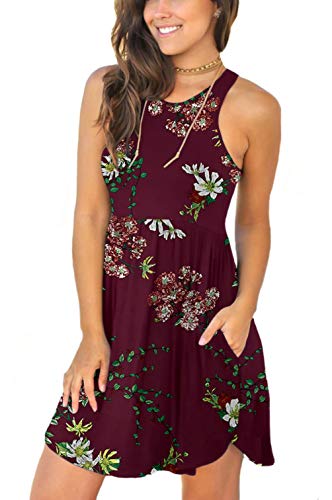
If the dress has a bold print or saturated color, simplify the remaining pieces. Neutral loafers, flats, boots, or low heels and a straightforward bag can keep the outfit coherent. For pale dresses, check opacity under office lighting and daylight. For dark dresses, check lint and fabric shine, especially on smooth knits that can develop pressure marks after sitting.
Shoes and Layers Change the Dress Code Faster Than Jewelry
The same dress can read differently with white sneakers, loafers, ballet flats, ankle boots, pumps, or sandals. Workplace rules should guide open-toe shoes, athletic sneakers, and very casual footwear. A structured blazer usually moves an outfit upward in formality, while a denim jacket moves it down. A fine cardigan sits between those two and can be useful in offices with strong air conditioning.
Keep comfort tied to the actual commute. Shoes that feel fine across a carpeted office may be unpleasant for a subway transfer, parking garage, or several city blocks. If you commute in walking shoes, make sure the dress still works once you change footwear at the office. Hem length and trouser-like drape can shift noticeably with a different heel height.
Measure for Sitting Comfort, Not Only a Standing Photo
Use the exact seller size chart and record bust, waist, hips, shoulders, upper arms, torso length, and preferred hem length. Work dresses often spend hours in a seated position, so a fitted waist, waistband, or skirt needs enough ease to remain comfortable after lunch and through long meetings. If the dress is structured, choose the size around the least flexible area and ask whether a tailor can refine the rest.
Pay attention to armholes and back width if you type, drive, or reach frequently. A dress can look correct from the front and still pull across the upper back. For long sleeves, test elbow bend and cuff position. If the garment has a belt, check whether the belt loops align with your natural waist rather than forcing the torso into a proportion that does not match your body.
Online Shopping Requires More Than a Business-Casual Keyword
Marketplace titles often stack terms such as work, teacher, business casual, wedding guest, cocktail, and vacation into one product name. Verify the selected color, length, neckline, material, lining, and back view before assuming the dress suits an office. Product photos should be read as construction evidence, not as a dress-code ruling. A seller label cannot know your employer policy.
Before ordering, confirm delivery date, return window, final-sale rules, care instructions, and whether the selected variation is sold by the same seller shown in reviews. Reviews are most useful when they mention office use, height, measurements, purchased size, wrinkles, opacity, sitting comfort, and whether the dress needed a camisole or other layer. Those details help predict daily use far better than a star rating alone.
Separate Business Casual, Smart Casual, and Business Professional
Business casual usually keeps a professional foundation while allowing more relaxed fabric, footwear, or layering than business professional dress. Smart casual can overlap, but it often appears in restaurants, social events, conferences, and workplaces where polished personal style matters more than a traditional office uniform. Business professional is generally more structured and may involve suits, tailored separates, conservative dresses, and more formal footwear.
These labels are context signals, not national regulations. If your employer provides examples, use those first. If you need a dress specifically, compare the business-casual-dress collection. If you want outfits that include pants, skirts, tops, and layers, use the business-casual-clothes or business-casual-outfits paths. Keeping those shopping goals separate makes it easier to avoid buying a dress that solves the wrong problem.
Create a Shortlist That Can Survive a Full Workday
Start with dress code, then filter by silhouette, length, sleeve, fabric, climate, care, and footwear. Check whether the dress can be worn with at least two layers or shoe options you already own. Then test sitting, walking, reaching, carrying a laptop bag, and moving through stairs or transit. If the dress only works while standing still, it is not strong workwear.
Use that range to compare different levels of structure rather than choosing by keyword density in a product title. The strongest casual business attire for women should look intentional, remain comfortable through real work movement, and let the wearer adjust slightly up or down in formality without replacing the entire outfit.