
Casual Green Dresses
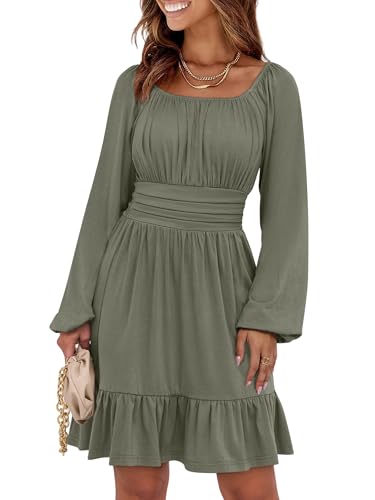
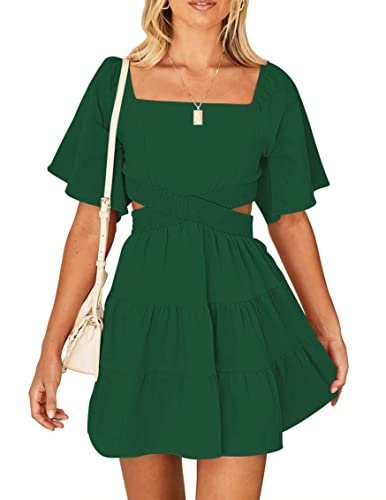
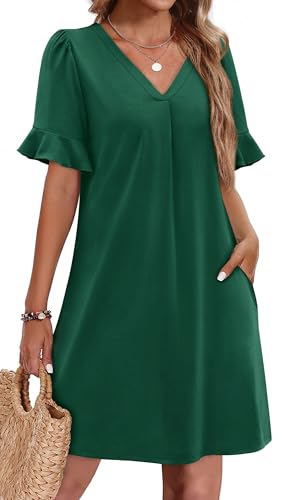
Casual Green Dresses cover everyday dresses in green shades, from pale mint and sage to olive, moss, kelly green, emerald, and deep forest tones. Color is only useful when it is tied to the actual selected variation. Compare shade, undertone, fabric surface, opacity, length, and lighting before ordering because a green that looks muted on one screen can appear brighter, bluer, yellower, or darker in person.
This collection should stay focused on dresses that are both green and casual. Formal emerald gowns, bridesmaid dresses, sequined party dresses, and products where green appears only in a small print should not replace the everyday color intent. A practical casual green dress can be knit, cotton, linen blend, poplin, jersey, denim, sweater knit, or another wearable fabric as long as the selected garment fits the shade and use.
Related shopping paths include casual summer dresses, casual maxi dresses for women, casual outfits for women, casual dresses. Each page narrows the choice by a real wardrobe decision such as fit, length, fabric, color, season, or occasion, so shoppers can compare alternatives without treating every casual dress as interchangeable.
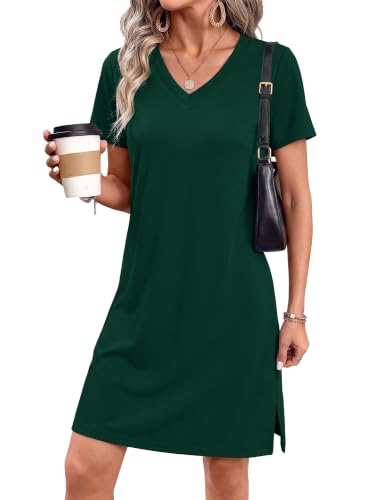
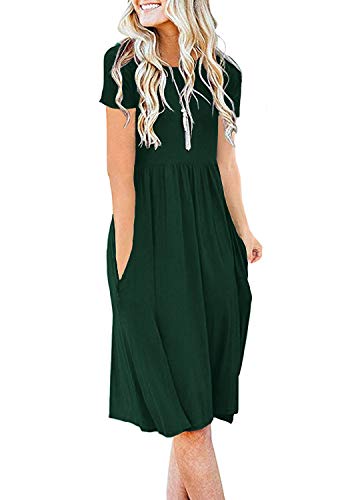
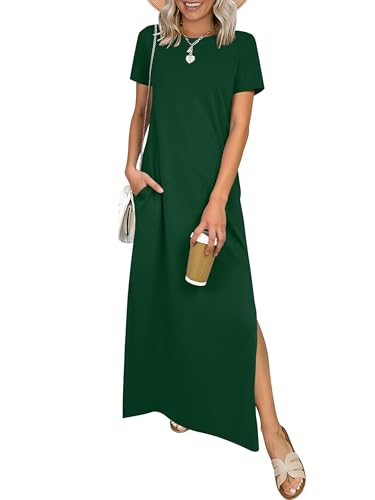
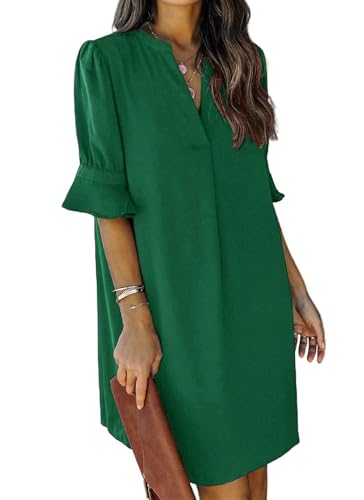







Frequently Asked Questions About Casual Green Dresses
Which shades count as casual green dresses?
Green casual dresses can include mint, sage, olive, moss, kelly green, emerald, forest, and other clearly green shades. Retailer names vary, so verify the selected fabric color.
Why does a green dress look different online and in person?
Screen settings, white balance, indoor lighting, daylight, fabric shine, and camera processing can shift green toward yellow, blue, gray, or black. Customer photos and natural-light checks help.
What colors go with a casual green dress?
Common pairings include white, cream, tan, camel, denim, black, brown, navy, and metallic neutrals. The best choice depends on whether the green is cool, warm, muted, bright, or deep.
Are green dresses good for every season?
Yes. Fabric weight and layering matter more than a seasonal color rule. Light greens can work in cold months and dark greens can work in summer when the material suits the weather.
How do I choose shoes for a green dress?
Choose footwear by dress length, activity, and overall outfit. Sneakers, loafers, sandals, boots, flats, and low heels can all work depending on the specific dress.
Should I size differently for a green color variation?
Use the exact seller chart. Some listings keep the same construction across colors, but marketplace variations can change material, lining, or seller, so verify the selected green option.
What should I check before ordering?
Confirm the exact green shade, material, lining, size chart, dress length, seller, delivery date, return terms, and customer images or reviews for the selected color.
Choose the Green Family Before Choosing the Dress
Green is a wide color category. Sage and eucalyptus are muted and gray-leaning, olive and moss carry earthy yellow or brown depth, mint is pale and cool, kelly green is brighter and clearer, and emerald or forest green moves deeper and more saturated. Retailer names are not standardized, so use the product photos, selected swatch, and customer images together instead of assuming a color name means the same thing across sellers.
If the dress needs to match shoes, a jacket, a bag, or a specific event palette, compare the received fabric in natural daylight. Phone screens can shift saturation and white balance, while warm indoor light can make some greens look yellower. Cool LEDs can push blue-green shades toward teal. A casual purchase becomes easier to repeat when the shade works with the items already in your closet.
Fabric Surface Changes How Green Reads
Matte cotton, jersey, linen blends, and crepe usually show color more evenly than glossy satin or velvet. Rib knit creates small shadows that deepen color between ribs, while brushed or textured fabric can make olive and forest tones look softer. Lightweight chiffon is less common for true everyday casual wear but can appear lighter because layers and lining influence saturation.
Check the selected variation because the same seller may use different materials across colors. A bright green in thin jersey may become slightly transparent when stretched, while a dark forest knit may show lint. If the product has lining, mesh, buttons, zipper tape, or trim, make sure those components coordinate with the outer green rather than creating an accidental second shade.
Match Green to Silhouette and Everyday Use
A green T-shirt dress or tank dress works differently from a shirt dress, fitted rib midi, wrap dress, or relaxed maxi. For errands and travel, movement and easy care may matter most. For lunch or a casual office, a cleaner neckline, stable waist, and structured fabric can make the color feel more polished. For outdoor weekends, pockets, breathable fabric, and shoe-friendly length can be higher priorities.
Do not choose silhouette based on color alone. A pale sage dress can still be structured; a dark green dress can still be relaxed. Start with the activity, then select length, sleeve, neckline, and fabric. The color should support the outfit, not force the shopper into a shape that does not fit the day or the body.
Use a Shade-Specific Opacity and Photo Test
Very pale mint, pistachio, and light sage can wash toward white in strong sunlight or become more transparent when fabric is thin. Bright green can become more saturated on phone cameras, and deep green can look nearly black in low light. Photograph the dress or swatch near a window, under indoor light, and with flash if photos matter to your purchase decision.
For printed green dresses, judge how much of the garment is actually green. A white floral dress with green leaves serves a different search intent from a solid or predominantly green dress. If the page is meant to help shoppers choose a green outfit, the selected products should make green a clear visual feature rather than a minor accent hidden in the print.
Build Easy Color Pairings From the Actual Undertone
White, cream, tan, camel, denim, black, brown, navy, and metallic neutrals can all pair with green, but the best combination depends on the shade. Sage often works well with soft cream and taupe, olive with camel and brown, kelly green with crisp white or navy, and deep forest green with black, tan, or warm metallics. These are styling directions, not fixed rules.
If the dress already has a strong print, textured knit, or saturated color, keep shoes and bags simpler. A solid green dress can carry a patterned scarf or statement earring more easily. Before buying new accessories, test the dress with pieces already owned. A color-specific casual dress earns more repeat wear when it connects to an existing wardrobe rather than requiring a full new set of extras.
Choose Shoes by Length and Activity, Not Color Formula
Sneakers, loafers, flat sandals, ankle boots, ballet flats, and low heels can all work with casual green dresses. A mini or midi may pair easily with sneakers and boots, while a maxi needs enough floor clearance for flat shoes. Tan and neutral footwear can soften a saturated green, black can add contrast, and white sneakers can keep the outfit casual and clean.
The practical test is whether the shoe height changes the hem or stride. For a maxi, walk stairs and check whether the fabric catches. For a fitted midi, confirm the hem does not restrict steps. If the dress will be worn for travel or shopping, prioritize shoes that remain comfortable for the actual walking distance rather than styling the outfit only for a photograph.
Measure the Dress Independently of the Color Choice
Record bust, waist, hips, shoulder width, upper arm, torso length, and preferred dress length, then use the exact seller chart. Color variants sometimes share the same cut, but marketplace listings can also change fabric or seller under one title. Do not assume a green variation has identical stretch or lining to the black or navy version reviewed by another shopper.
For fitted knit, test stretch recovery and opacity. For woven shirt dresses, check button gaping and shoulder width. For wrap dresses, verify overlap while seated. For tiered dresses, check where the waist and tier seams fall on your torso. A color you love will not compensate for a neckline, armhole, or hem that needs constant adjustment.
Use Green Across Seasons With Fabric and Layers
Light sage, mint, and bright green often appear in spring and summer assortments, while olive, moss, and forest green are common in fall and winter. That retail pattern does not limit when a shade can be worn. Fabric weight and layering matter more. A lightweight olive shirt dress can work in summer, and a bright green sweater dress can work in cold weather.
For transitional months, test the dress with denim, a cardigan, a trench, a utility jacket, or a leather-look layer depending on the style. Check whether sleeve volume fits under outerwear and whether the fabric clings to tights. A useful casual dress should work with the climate where you live, not with a seasonal color rule copied from a trend article.
Verify the Selected Green Variation Online
Before checkout, confirm color name, material, lining, size chart, garment length, seller, delivery timing, and return eligibility for the exact green option. Reviews can be misleading when they combine several colors. Look for customer photos and comments that identify the shade purchased, especially if you are choosing between sage, olive, emerald, forest, or teal-adjacent green.
That range supports a useful color collection, but product relevance should be maintained at the variation level. A listing that defaults to green in the title but ships a different selected color should not be treated as a clean match.
Compare Green With Other Casual-Dress Paths
If color is the main decision, this page should help narrow green shades first. If weather is more important, compare casual summer dresses. If length is the priority, move to casual maxi dresses for women. If the shopper is building a complete look rather than choosing by color, the casual outfits page may be more useful. The full casual dresses hub remains the broadest option.
These neighboring collections are useful because green alone does not decide fit, coverage, or occasion. A shopper may begin with a color and discover that fabric, length, or workplace needs matter more. Good internal navigation should make that change of priority easy rather than forcing unrelated products into one color category.
Shortlist Casual Green Dresses by Shade and Wearability
Start with the green family you actually want, then filter by silhouette, length, sleeve, fabric, care, and climate. Compare measurements, check opacity, and test the dress under the lighting where you expect to wear it. Make sure the hem and neckline remain stable while walking and sitting, and confirm the shade works with at least two shoe or layer options already in your wardrobe.
Keep a dress when the selected variation is genuinely green, the fabric behaves well for the intended day, and the color still looks right outside the retailer thumbnail. A strong casual green dress should solve a wardrobe need while giving the shopper a shade that remains easy to recognize, style, and repeat.