
Casual Bodycon Dresses
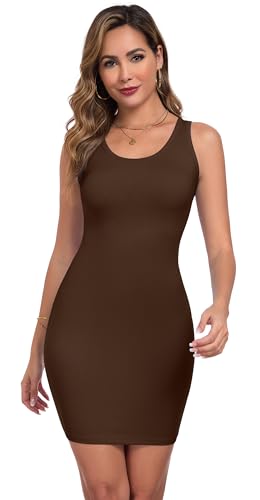
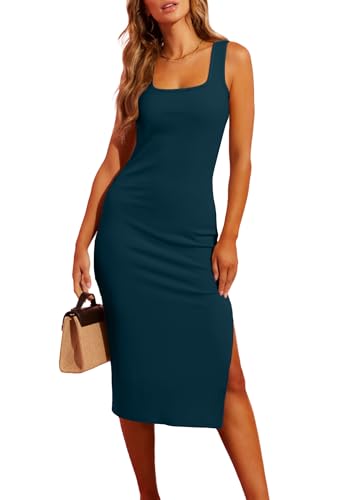
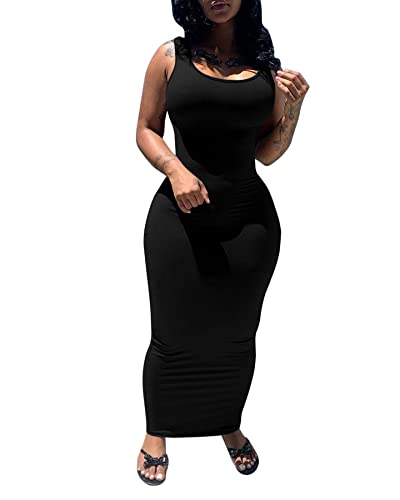
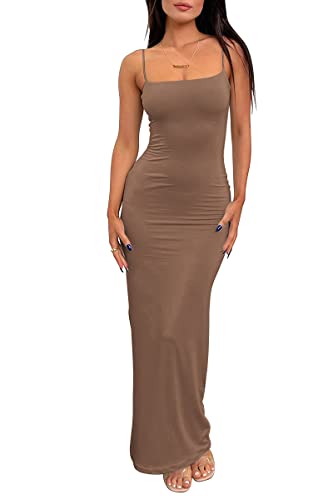
Casual Bodycon Dresses focus on close-fitting everyday dresses that follow the body without automatically belonging to clubwear, cocktail, or formal categories. For a U.S. shopper, the useful comparison is how the fabric stretches, recovers, covers, and moves through a normal day, not simply how fitted the model photo looks. Check the exact material blend, garment length, lining, neckline, sleeve shape, and seller-specific measurements before ordering.
A casual bodycon dress should combine a fitted silhouette with wearable day-to-day construction. Extremely sheer mesh dresses, heavily embellished party dresses, formal bandage dresses, and products that only become fitted because they are sized too small should not define this collection. Rib knit, cotton jersey, ponte, modal blends, stretch crepe, and double-knit fabrics can all work, but each behaves differently at the waist, seat, hem, and neckline.
Related shopping paths include casual mini dresses, midi casual dresses, casual outfits for women, casual dresses. Each page narrows the choice by a real wardrobe decision such as fit, length, fabric, color, season, or occasion, so shoppers can compare alternatives without treating every casual dress as interchangeable.
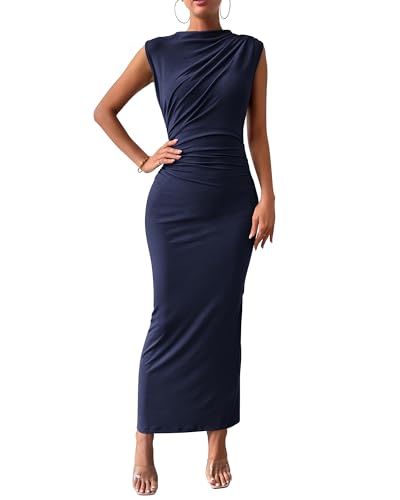

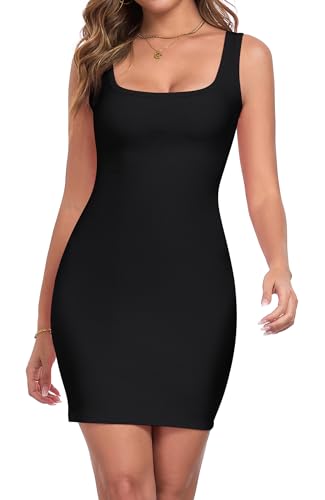



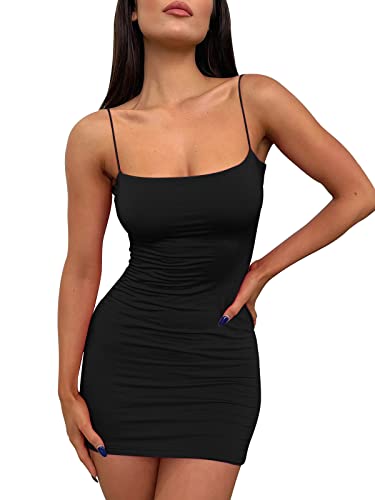









Frequently Asked Questions About Casual Bodycon Dresses
What makes a bodycon dress casual?
A casual bodycon dress uses a close-fitting silhouette with everyday fabrics, coverage, and styling rather than relying on sequins, extreme cutouts, formal bandage construction, or other party-focused details.
How should a casual bodycon dress fit?
It should follow the body without severe pulling, rolling, zipper strain, or constant ride-up. The fabric should recover after sitting and walking, and the neckline and hem should stay reasonably stable.
Which fabrics work well for everyday bodycon dresses?
Rib knit, cotton jersey, modal blends, ponte, stretch crepe, and double knit can all work. Compare thickness, stretch, recovery, opacity, and care instructions because the same silhouette behaves differently in each fabric.
Should I size up in a bodycon dress?
Use the exact seller chart instead of automatically sizing up. Compare bust, waist, hips, torso, and the fabric stretch. Sizing up can help only when the larger size still places seams, waist shaping, and neckline correctly.
How do I stop a fitted dress from riding up?
Correct hip fit, adequate stretch, suitable length, and stable fabric matter most. If the hem climbs during normal walking, the dress may be too tight through the hips or cut too short for your movement.
Can a bodycon dress be business casual?
Some substantial knee or midi bodycon dresses can work in offices with a relaxed dress code when coverage and styling are appropriate, but workplace rules vary. For work-specific shopping, compare dedicated business casual or work-dress categories.
What should I check before ordering online?
Verify the seller size chart, fabric blend, lining, length, stretch description, front and back photos, delivery date, return terms, and reviews that mention opacity, ride-up, and stretch recovery.
Start With Stretch and Recovery, Not Just a Tight Silhouette
The best everyday bodycon dress holds its intended shape without feeling like compression wear. Stretch percentage alone does not tell the whole story. A ribbed knit may expand easily but grow looser after several hours, while ponte or a dense double knit can feel firmer and return to shape more reliably. Look for product details that identify fiber content and fabric weight, then compare reviews for stretching at the knees, seat, waist, and neckline.
When trying the dress at home, sit for several minutes, stand, walk, and check whether the fabric develops bagging or horizontal stress lines. A fitted dress should follow the body, but obvious pulling at the zipper, side seams, armholes, or hem usually signals a size or cut problem. If the dress becomes shorter every time you walk, it may be too tight through the hips even when the waist feels correct.
Choose a Fabric That Matches the Way You Will Wear It
Cotton jersey and modal blends can feel soft for errands, travel, and casual meals, while rib knit adds texture and can disguise minor wrinkling. Ponte is usually more structured and can make a bodycon shape look polished enough for a casual office depending on neckline and length. Stretch crepe can give a cleaner surface, while thin single-layer jersey may reveal seams, undergarment edges, or pocket outlines more clearly.
Check whether the dress is lined, doubled, or single layer. Light colors and highly stretched fabrics deserve an opacity test in window light and phone flash. Patterned or textured knits can visually soften seam lines, but they do not replace proper fit. If the care label requires special washing or flat drying, decide whether that routine makes sense for a dress meant to be worn often.
Measure the Areas That Control a Bodycon Fit
Bust, waist, and hip measurements are essential, but bodycon dresses also depend on torso length, shoulder width, upper-arm circumference, and the distance from waist to fullest hip. Two people with the same waist and hip numbers can experience the same dress very differently if the waist seam or ruching sits at the wrong height. Compare your measurements with the exact seller chart rather than relying on a familiar U.S. size label.
For pull-on styles, check the neck or back opening and the amount of stretch needed to dress without overstressing seams. For zip styles, make sure the zipper lies flat instead of buckling. If the garment chart includes dress measurements, compare them with your body measurements to understand intended negative or positive ease. A bodycon fit may use negative ease, but the fabric still needs enough recovery to support that design.
Use a Real Movement Test Before Removing Tags
A casual bodycon dress needs to work while walking, sitting, getting into a car, reaching for a bag, climbing stairs, and bending slightly. Test those motions with the shoes and underlayers you expect to wear. Watch for a hem that rides up, a neckline that drops, a back slit that opens too far, or sleeves that pull the bodice sideways. These problems usually become more obvious after ten or fifteen minutes than they are during the first mirror check.
If the dress has a side or back slit, sit in a normal chair and check how high it opens. If it has ruching, make sure the gathers stay distributed rather than sliding toward one hip. A dress that requires constant pulling down or adjusting at the neckline is not a practical casual choice, even if the standing silhouette looks excellent in a product image.
Separate Daytime Bodycon From Party and Occasion Dressing
Casual bodycon dresses often work for coffee, lunch, date days, travel, shopping, casual dinners, and relaxed gatherings. The same fitted silhouette can move toward partywear when it adds high shine, sequins, extreme cutouts, corset detailing, sheer panels, or very high slits. For daytime use, fabric hand, coverage, shoe choice, and layering usually matter more than the word bodycon in the product title.
For a casual workplace, the dress code becomes the deciding factor. A knee or midi length in a substantial knit may work with a cardigan, blazer, or overshirt in some offices, while a short or low-cut version may not. If you are shopping specifically for work, compare the dedicated business casual and work-dress collections instead of expecting every fitted casual dress to cross into office wear.
Plan Underlayers Before Judging the Final Fit
Close-fitting fabric can show bra seams, shapewear edges, pocket bags, labels, and even the outline of a tucked-in camisole. Test the dress with the actual bra and underwear you intend to use. Seamless pieces can reduce visible lines, but the goal is not to force the body into the dress. If the garment only looks smooth with uncomfortable compression, a different fabric weight or cut may be the better purchase.
Built-in cups should sit at the correct height and width; otherwise they can create visible ridges. Adhesive products can help with certain necklines, but they should not compensate for a bodice that is unstable. In pale or thin knits, check underlayers in natural light because indoor mirrors can hide contrast that appears outdoors or in photographs.
Style a Fitted Dress Without Making the Outfit Feel Overworked
Sneakers, flat sandals, loafers, ankle boots, and simple flats can keep a bodycon dress grounded for everyday wear. A denim jacket, cardigan, relaxed blazer, utility jacket, or oversized shirt can add proportion and make the fitted base easier to repeat. The best layer depends on dress length and fabric: a cropped jacket can emphasize the waist, while a longer open layer can create a straighter visual line.
Keep accessories functional when the dress already has a strong silhouette. A crossbody bag, shoulder bag, simple hoops, a watch, or a small pendant can be enough. If the neckline has ruching, hardware, cutouts, or an asymmetric shape, avoid adding multiple competing details. The aim is a complete outfit that works for the day, not a collection of separate statement pieces.
Check Season, Heat, and Layering Before Buying
Bodycon dresses can feel warmer than looser silhouettes because more fabric stays close to the skin. In hot or humid weather, breathable knits and sleeveless or short-sleeve cuts may be easier to wear than dense synthetic ribbing. For cooler months, thicker knit, ponte, long sleeves, tights, boots, and structured outerwear can extend the same silhouette into fall or winter.
Consider friction as well as temperature. A fitted maxi or midi can catch around the knees if the fabric has limited stretch, while a short dress can ride under a long coat. Test the outfit with the outer layer you expect to use. A dress that works alone in a bedroom mirror may feel completely different once a jacket, bag strap, and real walking distance are added.
Read Online Listings for Construction Clues
Useful listings show front, side, back, and close-up views, identify material content, give a size chart, and state the dress length or model measurements. Treat phrases such as slim fit, stretchy, contour, ribbed, compression, or bandage as starting points, not guarantees. Marketplace titles sometimes combine several occasions and silhouettes in one line, so confirm the selected variation rather than assuming every color or size uses identical construction.
Before checkout, verify delivery timing, return eligibility, whether sale or marketplace items have different terms, and whether the selected color is lined the same way as the photo. Reviews are most useful when the reviewer includes body measurements, purchased size, height, and comments about ride-up, opacity, stretch recovery, and washing. A review that only says true to size gives much less fit information.
Compare Adjacent Casual Dress Shapes Before You Commit
A fitted dress is only one route to a close, polished everyday look. If you like a defined waist but want more hip movement, compare wrap, fit-and-flare, or empire-waist casual dresses. If the main goal is a shorter length, browse casual mini dresses. If you want a fitted base with more coverage, look at long-sleeve casual dresses or midi options before sizing up a bodycon design until its proportions change.
The current category count is 30 products in the indexed parent collection used for this research. That is enough variety to compare materials, lengths, and sleeves, but product titles should still be checked against the actual selected variation. Keep the shortlist focused on dresses that are genuinely fitted and casual rather than letting adjacent cocktail, formal, or loose silhouettes blur the category.
Shortlist Casual Bodycon Dresses by Wearability
Start with the day you expect to wear the dress most often. Filter by length, neckline, sleeve, fabric weight, color, and care needs, then compare the seller chart with bust, waist, hips, torso, and upper-arm measurements. Next, check opacity, stretch recovery, slit height, underlayer compatibility, and whether the dress works with shoes and layers already in your wardrobe.
Keep the dress only when it stays in position during sitting and walking, feels comfortable after several minutes, and still looks intentional without constant adjustment. A strong casual bodycon dress is not simply the tightest option. It is the one that balances a close silhouette with secure coverage, dependable fabric, repeatable styling, and enough movement for the actual day ahead.