
Casual Cotton Dresses
Casual Cotton Dresses center on everyday dresses where cotton is a meaningful part of the fabric story, from soft jersey and poplin to gauze, seersucker, voile, and cotton-rich blends. For U.S. shoppers, the useful question is not whether a product title contains the word cotton. Check the fiber-content label, fabric weave or knit, lining, shrinkage guidance, opacity, care instructions, and how the dress is expected to move after washing.
Cotton can describe a 100 percent cotton dress, a cotton-rich blend, or a small percentage in a mixed fabric. Those products will not feel or care the same. A casual cotton category should prioritize dresses whose selected variation actually uses cotton in the outer fabric and whose construction suits repeated everyday wear, rather than pulling in unrelated polyester dresses simply because a marketplace title mentions a cotton-like feel.
Related shopping paths include casual summer dresses, casual sundresses, casual maxi dresses for women, casual dresses. Each page narrows the choice by a real wardrobe decision such as fit, length, fabric, color, season, or occasion, so shoppers can compare alternatives without treating every casual dress as interchangeable.
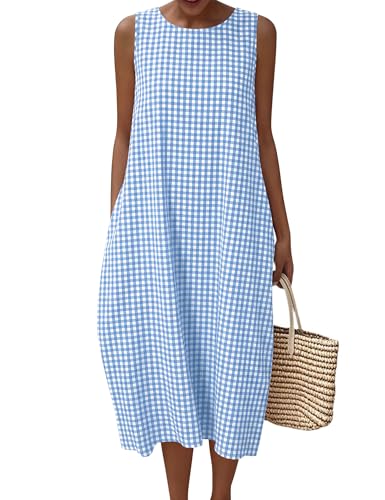
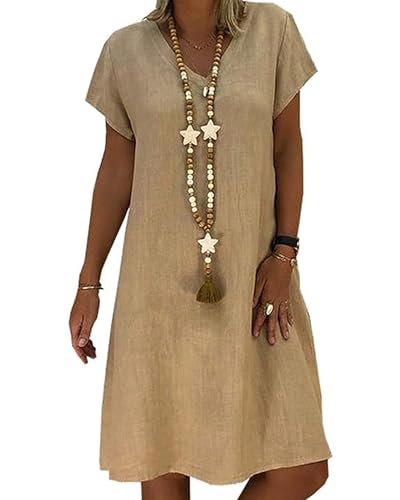
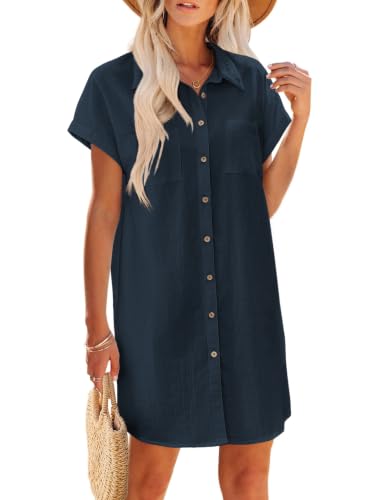


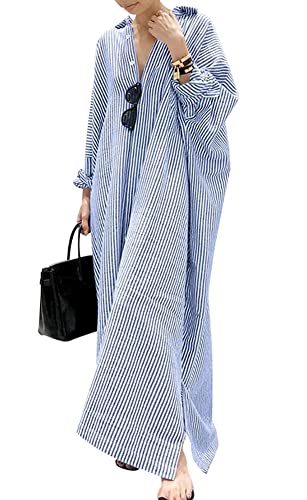
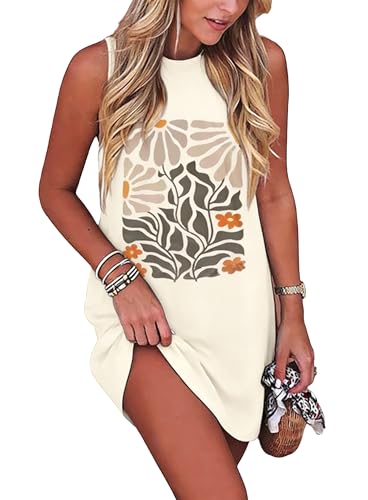
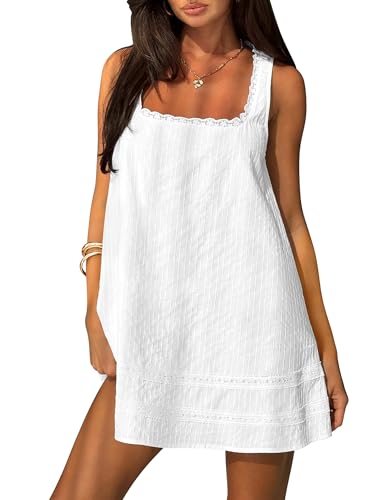



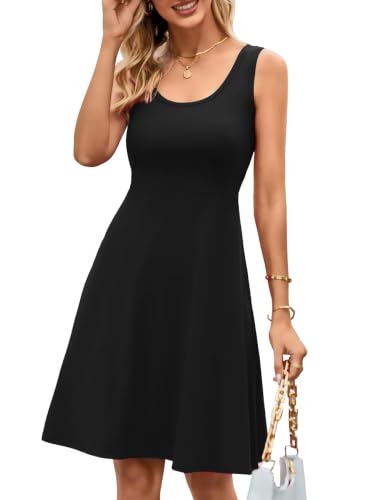


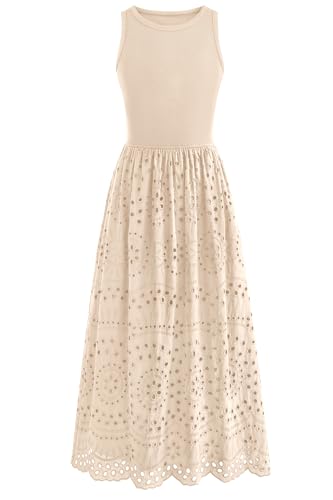
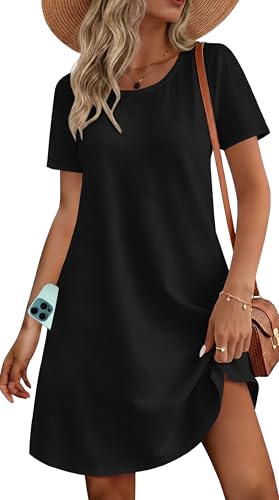
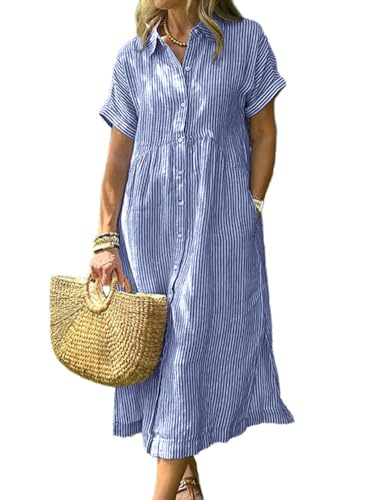


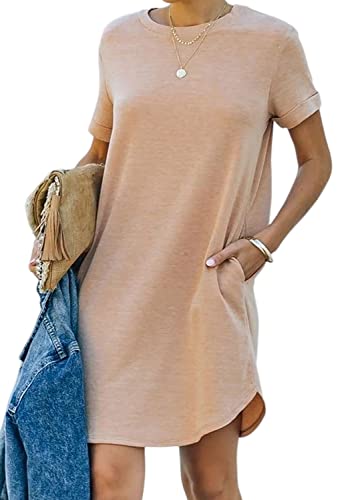
Frequently Asked Questions About Casual Cotton Dresses
What counts as a casual cotton dress?
A casual cotton dress should use cotton as a meaningful part of the selected garment fabric and have everyday construction suitable for repeated wear. Check the actual fiber-content label rather than relying on the product title.
Is 100 percent cotton always better for a casual dress?
Not automatically. Pure cotton and cotton blends have different strengths. Blends may add stretch or shape retention, while pure cotton may offer a different hand feel. Compare the exact fabric, weave, fit, and care needs.
Do cotton dresses shrink?
Some cotton garments can change size with washing or heat. Follow the exact care label and read product-specific reviews for shrinkage because fabric finish, construction, and blends vary.
Which cotton fabrics are common in casual dresses?
Common options include cotton jersey, poplin, gauze, seersucker, voile, twill, and cotton-rich blends. Each differs in stretch, crispness, opacity, wrinkles, and drape.
Are cotton dresses good for hot weather?
They can be, but comfort also depends on weave, thickness, color, fit, and lining. A light unlined cotton can feel very different from heavy twill or a fully lined woven dress.
How should I size a woven cotton dress?
Use the seller chart and allow enough room at the least flexible areas, especially bust, shoulders, upper arms, waist, and hips. Woven cotton may have little stretch unless elastane is included.
What should I check before buying a cotton dress online?
Verify fiber percentages, fabric type, lining, size chart, length, care instructions, opacity, pocket construction, delivery timing, return terms, and reviews that mention washing and shrinkage.
Read Fiber Content Before You Buy the Cotton Label
A product called a cotton dress may be pure cotton, cotton with elastane, cotton with polyester, or a blend where cotton is not the dominant fiber. The percentage matters because it changes stretch, drying time, wrinkle behavior, softness, and shape retention. If the listing does not show fiber content for the selected variation, treat that as missing purchase information rather than assuming the title is accurate.
Cotton-rich blends can be useful when they add stretch or reduce wrinkling, but they should be evaluated on their own merits. A small amount of elastane can make a knit dress easier to move in, while polyester may help shape retention but change breathability and hand feel. Decide what you value most, then choose the blend instead of treating all cotton-tagged dresses as one material.
Know the Difference Between Cotton Jersey, Poplin, Gauze, Seersucker, and Voile
Cotton jersey is knitted, so it usually stretches more and can work well for T-shirt dresses, tank dresses, and relaxed midi styles. Poplin is woven with a smoother, crisper surface that suits shirt dresses and structured summer silhouettes. Gauze is airy and textured, while seersucker uses a puckered surface that reduces full-surface contact with the skin. Voile is lighter and may need lining depending on color and weave.
These fabrics also hang differently. Jersey can cling or grow at pressure points, poplin can wrinkle sharply where you sit, gauze can look intentionally rumpled, and very light voile can become transparent in direct sun. Compare the fabric type with the silhouette before buying. A full skirt may benefit from crisp poplin, while a straight T-shirt dress may feel more natural in jersey.
Plan for Shrinkage and Shape Change Before the First Wash
Cotton can change dimensions with washing and drying, especially when heat is involved. The safest approach is to follow the exact care label instead of applying one rule to every cotton garment. If the dress fits perfectly with no spare length before washing, check reviews for shrinkage and consider whether the care routine requires cold washing, low heat, line drying, or reshaping while damp.
Pay attention to mixed construction. A cotton outer dress may use synthetic lining, elastic, interfacing, or decorative trim that responds differently to heat. Belts and removable pieces may have separate care needs. If easy machine care is a major reason you are buying a casual dress, confirm it before checkout rather than discovering a dry-clean or hand-wash requirement after the return window closes.
Check Opacity, Lining, and Color in Natural Light
White, cream, pastel, and loosely woven cotton can look opaque indoors but become more transparent in sunlight. Hold the fabric against daylight or use a phone flashlight behind it to check the outer layer, lining, pockets, and seams. A lined dress may offer better coverage but feel warmer, so the best construction depends on climate and how long you expect to wear it.
Dark cotton can show lint, fading, or detergent residue more clearly, while saturated colors may release excess dye in early washes. Follow the care label and separate colors when instructed. Printed cotton deserves a close look at pattern alignment, especially across button plackets, side seams, or wrap fronts where uneven placement can make a casual dress look less finished.
Measure for the Fabric Structure, Not the Size Name
A woven cotton poplin dress may have little or no stretch, so bust, waist, hip, shoulder, and upper-arm measurements need more room than a cotton jersey dress with elastane. If the style buttons through the front, test whether the placket lies flat when sitting. If it has a fitted sleeve, check biceps and elbow bend. If it is a pull-on woven style, confirm the neck or back opening is practical.
Use the seller chart for the exact product and compare garment measurements when available. A relaxed cotton dress can still fit poorly if the shoulder is too narrow or the armhole is too high. In tiered or gathered styles, make sure the seam placement suits your torso rather than assuming a loose skirt will solve every fit issue above the waist.
Choose Cotton Dresses for the Way You Actually Spend the Day
Cotton casual dresses can work for errands, school pickup, lunch, travel, sightseeing, backyard gatherings, farmers markets, warm-weather offices, and relaxed weekends. Match fabric and shape to the activity. A crisp shirt dress may handle a casual office better than an unlined gauze beach dress, while soft jersey may be more comfortable for driving or a long travel day.
Pockets can add practical value, but check placement and depth. Side-seam pockets in thin fabric can flare at the hips or show through; patch pockets can add useful storage without hidden bulk. For walking-heavy days, test hem width, slit height, and stride. A breathable fiber is only one part of comfort if the dress restricts movement elsewhere.
Style Cotton by Texture and Structure
Cotton usually pairs easily with sneakers, flat sandals, espadrilles, loafers, ankle boots, denim jackets, lightweight cardigans, and canvas or leather bags. Crisp poplin can support more structured accessories, while gauze and jersey often look better with relaxed pieces. Match the finish of the accessories to the fabric rather than dressing every cotton silhouette the same way.
Belts can define a shirt or A-line dress, but they also change how fabric wrinkles at the waist. If the dress already has smocking, tiers, puff sleeves, or a strong print, keep jewelry simpler. A casual cotton dress becomes more versatile when it can be worn with at least two shoe types and one useful outer layer already in the wardrobe.
Use Cotton for Warm Weather Without Assuming It Solves Heat by Itself
Fiber content matters, but weave, thickness, color, fit, and lining also control comfort in summer. A heavy cotton twill dress can feel warmer than a light blended fabric, and a fully lined poplin dress may trap more heat than an unlined jersey style. Look at the complete construction when shopping for humid climates or outdoor days.
For transitional weather, cotton layers well with cardigans, denim, utility jackets, tights, or boots depending on the dress. Sleeveless cotton dresses can extend beyond summer with the right layer, while long-sleeve cotton jersey can work in mild fall weather. Check whether the fabric clings to tights or grabs under a coat if you plan to wear it across seasons.
Inspect Seams, Buttons, Hems, and Pockets for Repeat Wear
Everyday cotton dresses are likely to be washed and worn often, so small construction details matter. Look for secure buttons, reinforced pocket openings, even hems, smooth zipper insertion, and stitching that does not pull when the fabric is stretched. On lightweight woven cotton, loose threads and stressed buttonholes can become larger problems after repeated laundering.
If the dress has elastic, smocking, or shirring, stretch it gently and check whether it returns evenly. For printed fabric, examine whether the print cracks or looks surface-coated. A casual dress should not require delicate eventwear handling unless the design clearly justifies it. Care and construction should match the promise of frequent everyday use.
Compare Cotton With Nearby Casual Dress Categories
If your main goal is warm-weather wear, compare casual summer dresses and sundresses because they may include linen, rayon, or other light fabrics that fit the climate even when they are not cotton. If length is the priority, compare casual maxi dresses. If you want the broadest selection, return to the casual dresses hub and then filter by material details in each product listing.
The indexed parent collection showed only 5 products in this cotton category during the research review. That is a thin assortment, so accuracy matters more than volume. Each listed dress should clearly support the cotton intent. If a product does not disclose meaningful cotton content, it weakens the usefulness of the page and should be rechecked before publication or merchandising updates.
Shortlist Casual Cotton Dresses by Fabric Reality
Start with the fiber percentage and fabric type, then filter by silhouette, sleeve, length, color, pocket needs, and climate. Compare the seller size chart with your body measurements, and read the care label before deciding the dress is low maintenance. Check opacity in natural light, movement through the hips and shoulders, and whether the fabric still looks intentional after sitting.
The strongest casual cotton dress is one you can realistically wash, wear, and style repeatedly. Keep a dress when the cotton content is verified, the construction suits the activity, the care routine fits your life, and the fit remains comfortable through normal movement. That is more useful than choosing a dress only because cotton appears in a marketplace keyword string.