
Casual White Dresses
Casual White Dresses should be compared by the received color, fabric surface, fit, and everyday construction rather than by a color word in a marketplace title. The useful color target here is everyday dresses that read as white or soft white in the main fabric while using casual construction suitable for daytime, warm-weather, weekend, or relaxed social wear. For a U.S. shopper, the first check is whether the selected variation actually reads as white in normal daylight while still matching a casual dress silhouette instead of drifting into formal, bridal, or party-only styling.
Nearby color names include ivory, cream, ecru, beige, bright optic white, bridal white gowns, and white cocktail or formal dresses. Those labels can overlap across retailers, but they are not automatic substitutes. White can shift blue under cool LEDs and creamier under warm light; strong daylight and flash can also reveal transparency that is hidden indoors. Fabric also changes the result: cotton jersey, poplin, linen blends, eyelet, rib knit, rayon or viscose, denim, crochet with lining, and lightweight crepe can make one listed shade look lighter, darker, cooler, warmer, more reflective, or more muted. Compare the shell, lining, trim, and any mesh or lace in the same light before deciding that two dresses belong to the same color family.
Related shopping paths include casual white maxi dresses, casual summer dresses, casual cotton dresses, casual dresses. These collections let shoppers move by a real decision such as neighboring color, length, season, or construction while keeping white as the primary visual requirement.



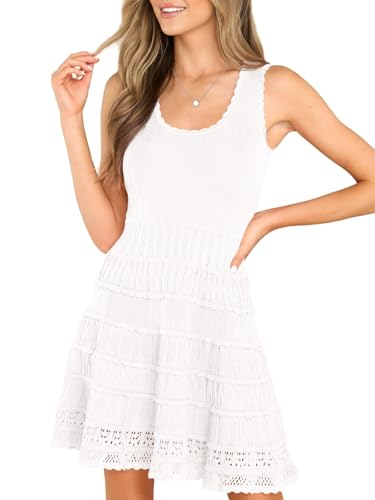




CUPSHE Women’s Mini Dress Button Down Shirt Dress Long Sleeve Blouse Top Heart Print Casual A Line White Dress
Original price was: $54.99.$44.99Current price is: $44.99.


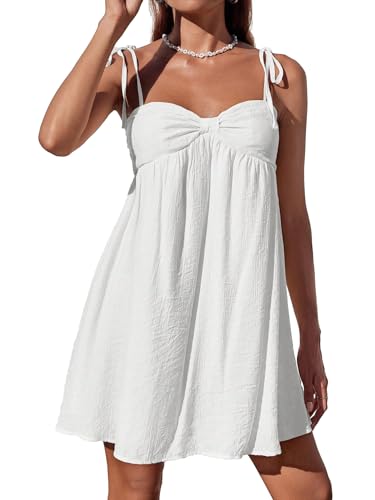
ZESICA Women’s Summer Square Neck Bodycon Midi Dresses Casual Sleeveless Ribbed Knit Striped Beach Vacation Long Dress,White,Medium
Original price was: $37.99.$34.99Current price is: $34.99.
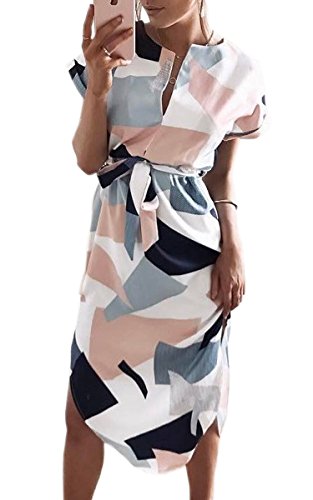
Duppoly Spaghetti Strap Dresses for Women Casual Sundress for Women Beach A Line Summer Dress for Women Midi Ruched Swing pleated Sexy Sleeveless Sundresses Floral White F60 XL
Original price was: $24.99.$18.68Current price is: $18.68.




Frequently Asked Questions About Casual White Dresses
What counts as casual white dresses?
The selected dress should match the actual received color and casual construction. The target is everyday dresses that read as white or soft white in the main fabric while using casual construction suitable for daytime, warm-weather, weekend, or relaxed social wear. Nearby labels such as ivory, cream, ecru, beige, bright optic white, bridal white gowns, and white cocktail or formal dresses can overlap but are not automatic substitutes.
Why can the color look different from the product photo?
Lighting, camera processing, fabric texture, and lining can shift the shade. White can shift blue under cool LEDs and creamier under warm light; strong daylight and flash can also reveal transparency that is hidden indoors. Compare the exact garment in daylight and typical indoor light.
Which measurements should I check before ordering?
Measure bust, waist, hips, shoulders, torso, and preferred dress length, then compare those numbers with the exact seller chart. Add upper-arm or high-bust measurements when the design needs them.
How can I check whether the dress is see-through?
Inspect the bodice and skirt in daylight, against a bright window, and with the intended underlayers. Look for visible pocket bags, seam allowances, cups, and high-contrast underwear.
Can the same color look different in different fabrics?
Yes. Matte, shiny, sheer, textured, and knitted fabrics reflect light differently, so the same listed shade can appear lighter, darker, warmer, or cooler.
What should I verify before ordering online?
Confirm the exact seller, selected color, fabric, lining, closure, size chart, garment length, delivery estimate, return eligibility, and care instructions.
How should I choose accessories?
Start with the received shade and pieces already in the wardrobe. Possible directions include denim, tan, camel, black, navy, soft gray, raffia, brown leather, silver, gold, and muted seasonal colors, but undertone and surface finish should guide the final choice.
Define the Shade Before Comparing Dresses
Casual White Dresses work best when the category is anchored to the actual garment rather than a broad seller label. The visual reference is everyday dresses that read as white or soft white in the main fabric while using casual construction suitable for daytime, warm-weather, weekend, or relaxed social wear. Compare the main fabric, lining, straps, zipper tape, buttons, and any mesh because components can shift in different directions even when one product page uses a single color name. Put delivered dresses or swatches side by side on a neutral background and judge them in the same frame.
The closest boundaries are ivory, cream, ecru, beige, bright optic white, bridal white gowns, and white cocktail or formal dresses. If color accuracy matters, decide how much variation is acceptable before ordering. A shopper building a repeat-wear wardrobe may accept a broader tonal range, while a coordinated event or matching set needs tighter control over shade, fabric, and seller. The purpose is to keep white visually recognizable instead of allowing adjacent blues, neutrals, or brighter tones to become substitutes.
Fabric Surface Changes the Color
The same listed shade behaves differently across cotton jersey, poplin, linen blends, eyelet, rib knit, rayon or viscose, denim, crochet with lining, and lightweight crepe. Matte jersey and poplin usually read more evenly across angles, while satin-like surfaces and smooth crepe can create brighter highlights along folds. Semi-sheer layers may look paler where the fabric separates from the lining, and textured knits can deepen in shadow. Check the complete garment rather than the front thumbnail because pockets, lining, facings, and trim can change the overall color impression.
Fabric choice also controls daily usefulness. A dense knit may preserve color depth but hold more heat, while a lightweight woven may need fuller lining or a lower-contrast underlayer. Compare stretch recovery, wrinkle behavior, snag risk, and care instructions before ranking dresses only by shade. A color purchase is more successful when the fabric works for the routine in which the dress will actually be worn. For Casual White Dresses, apply this check directly to lining coverage, undergarment show-through, pocket visibility, seam tension, bust cups, hem transparency, and how the fabric behaves when stretched.
Check Daylight, Indoor Light, and Phone Flash
White can shift blue under cool LEDs and creamier under warm light; strong daylight and flash can also reveal transparency that is hidden indoors. Photograph the delivered dress near a window, under the type of indoor light common at work, restaurants, or home, and once with phone flash. These three checks reveal undertone shifts, transparency, reflective hotspots, and differences between the lining and outer fabric. Turn off beauty filters and aggressive photo edits during the comparison so automatic processing does not become the basis for a color decision.
When comparing two dresses, place them in the same image. Separate screenshots can be misleading because exposure and white balance change from photo to photo. Dark shades can collapse toward black, while pale colors can wash toward white. The most useful reference is how the exact garment looks in the lighting where it will be worn most often. In this collection, the garment still needs to match everyday dresses that read as white or soft white in the main fabric while using casual construction suitable for daytime, warm-weather, weekend, or relaxed social wear.
Choose a Silhouette for the Actual Routine
Color does not determine whether a dress will work for daily use. Compare A-line, shift, wrap, shirt, knit column, fit-and-flare, tiered, midi, and maxi shapes by the way they fit the body and the intended activity. For casual white dresses, pay particular attention to lining coverage, undergarment show-through, pocket visibility, seam tension, bust cups, hem transparency, and how the fabric behaves when stretched. Those variables decide whether the dress stays easy to wear after the first photograph or requires constant adjustment.
Keep tags attached and test the dress at home by sitting, bending, walking in daylight, raising both arms, standing in front of a bright window, and checking the dress with phone flash. Watch the neckline, waist, side seams, slit, and hem during the test. A casual dress should maintain coverage and shape through normal movement, not only while standing straight in front of a mirror.
Measure for the Exact Seller
Record bust, natural waist, full hip, shoulder width, torso length, and preferred dress length while wearing the underlayers you expect to use. Add upper-arm circumference for sleeves and high-bust or under-bust measurements when the bodice is fitted. Compare those measurements with the exact seller chart. U.S. size labels vary enough across brands and marketplace sellers that a familiar number should not replace garment measurements. That keeps Casual White Dresses distinct from ivory, cream, ecru, beige, bright optic white, bridal white gowns, and white cocktail or formal dresses.
If measurements cross two sizes, identify the least flexible part of the design. A structured bust, non-stretch waist seam, narrow hip, fitted shoulder, or rigid waistband usually deserves priority over a loose skirt. Finished garment measurements are especially useful because they reveal the amount of wearing ease built into the pattern. For Casual White Dresses, apply this check directly to lining coverage, undergarment show-through, pocket visibility, seam tension, bust cups, hem transparency, and how the fabric behaves when stretched.
Check Lining, Opacity, and Underlayers
White requires a stricter opacity check than most dark colors because seams, pockets, cups, underwear, and lining edges can become visible through thin or stretched fabric. Hold the bodice and skirt against a bright window, then repeat the check under normal indoor light. Look for visible pocket bags, seam allowances, cups, bra bands, shapewear edges, or high-contrast underwear. A dress can appear opaque in a dim room and still become revealing outdoors or under flash.
Choose underlayers after the dress arrives. The correct bra, slip, shorts, or shapewear depends on fabric density, neckline, back, armhole, and lining. Test the complete setup while seated and moving because an underlayer that disappears while standing may create lines or shift when the body bends. In this collection, the garment still needs to match everyday dresses that read as white or soft white in the main fabric while using casual construction suitable for daytime, warm-weather, weekend, or relaxed social wear.
Build a Repeat-Wear Outfit Around the Received Shade
Useful companion directions include denim, tan, camel, black, navy, soft gray, raffia, brown leather, silver, gold, and muted seasonal colors. Treat them as starting points rather than fixed rules. Shoes, bags, belts, denim layers, jackets, and jewelry should be chosen after the actual dress arrives because undertone and surface finish decide whether warm or cool accessories look coherent.
For everyday value, identify at least two pairs of shoes and one outer layer already in the wardrobe that work with the dress. That simple check exposes purchases that look attractive in isolation but require an entirely new set of accessories. Repeat-wear compatibility matters more than styling one perfect product-photo outfit. That keeps Casual White Dresses distinct from ivory, cream, ecru, beige, bright optic white, bridal white gowns, and white cocktail or formal dresses.
Plan for Season, Weather, and Location
White casual dresses are especially common in warm weather, but heavier knit, denim, or layered constructions can work in transitional seasons if the care routine is practical. Fabric weight, sleeve coverage, lining, and skirt volume determine comfort more than the color name. Darker surfaces may absorb more heat outdoors, while pale or high-contrast shades can show dust, water marks, or grass sooner. Match the exact garment to the hours and environments in which it will be worn.
For travel, commuting, or long daytime wear, test wrinkling and packability. Sit in the dress for fifteen minutes, stand, and see how the fabric recovers. If the material needs constant steaming, careful hanging, or special handling, it may be better for occasional wear than for a busy weekly rotation. For Casual White Dresses, apply this check directly to lining coverage, undergarment show-through, pocket visibility, seam tension, bust cups, hem transparency, and how the fabric behaves when stretched.
Read Care Instructions Before Calling It an Everyday Dress
Care requirements change the real cost of a dress. Frequent dry cleaning, delicate hand washing, long air-dry times, or fabric that pills quickly can make a low purchase price less attractive. Follow the actual fiber-content label and note whether the dress is likely to shrink, fade, snag, or lose stretch after repeat wear. In this collection, the garment still needs to match everyday dresses that read as white or soft white in the main fabric while using casual construction suitable for daytime, warm-weather, weekend, or relaxed social wear.
Color retention matters with white. Follow wash-temperature guidance, separate strong colors when the label requires it, and avoid assuming that the lining and shell will age at the same rate. A practical casual dress should have a cleaning routine that fits how often the wearer expects to use it.
Read Marketplace Listings at Variation Level
Before checkout, verify the exact seller, selected color, fabric composition, lining, closure, garment measurements, delivery estimate, return eligibility, and care instructions. Marketplace product cards can bundle several fabrics, colors, and sellers under one title. Save the selected variation details so an exchange or replacement can be compared against the original order. That keeps Casual White Dresses distinct from ivory, cream, ecru, beige, bright optic white, bridal white gowns, and white cocktail or formal dresses.
Reviews are most useful when the reviewer gives height, body measurements, purchased size, fabric or color variation, and the specific fit issue. A strong review for another color or seller does not prove that the selected version has identical stretch, opacity, lining, or proportions. Repeated construction observations are more useful than vague comments such as “cute” or “runs small.” For Casual White Dresses, apply this check directly to lining coverage, undergarment show-through, pocket visibility, seam tension, bust cups, hem transparency, and how the fabric behaves when stretched.
Compare Nearby Categories Intentionally
Related shopping paths include casual white maxi dresses, casual summer dresses, casual cotton dresses, casual dresses. These pages separate color from length, season, and construction so the shopper can decide which requirement is non-negotiable. If the exact shade matters most, stay within the color-led collection. If sleeve, hem, or climate matters more, compare the corresponding construction or seasonal category.
Keep this collection focused on everyday dresses that read as white or soft white in the main fabric while using casual construction suitable for daytime, warm-weather, weekend, or relaxed social wear. A dress should not qualify merely because a seller placed white somewhere in a long title. The selected variation should look like the target color and still behave as casual clothing in fabric, construction, and use.
How to Shortlist Casual White Dresses
Start with the received or trustworthy color reference, then filter by intended season, fabric, length, neckline, sleeve coverage, stretch, lining, size availability, budget, and delivery date. Compare seller measurements and return terms before ranking dresses by appearance. Keep lining coverage, undergarment show-through, pocket visibility, seam tension, bust cups, hem transparency, and how the fabric behaves when stretched on the checklist because those details affect daily wear more than the color name.
Keep the dress only when the shade works in common lighting, the fabric suits the intended season, the lining is dependable, and the fit survives a movement test that includes sitting, bending, walking in daylight, raising both arms, standing in front of a bright window, and checking the dress with phone flash. That turns casual white dresses from a color query into a practical purchase.