
Business Casual Clothes for Women
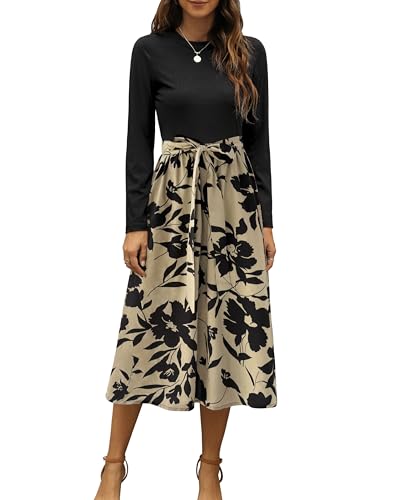
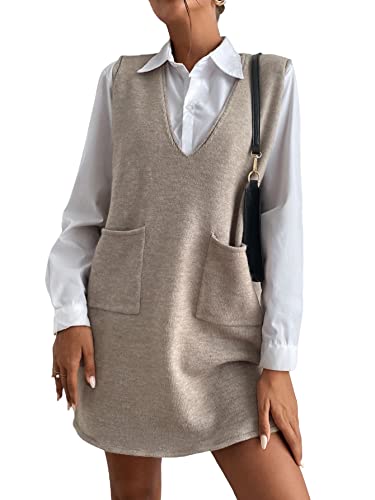
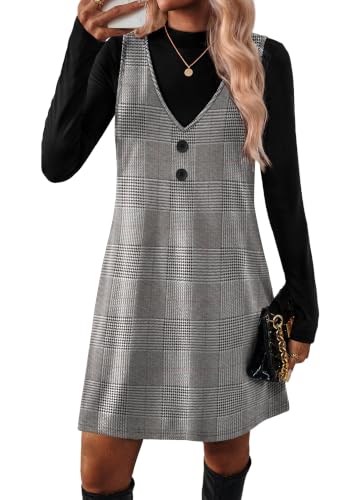
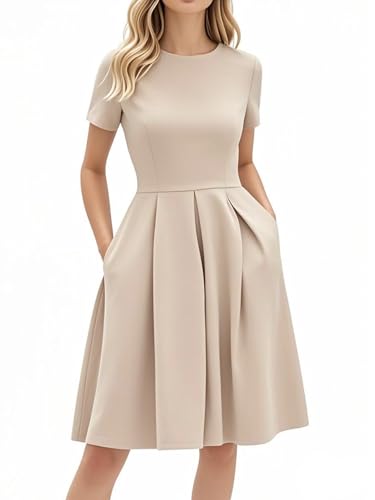
Business Casual Clothes for Women target a broad workwear-intent category for polished, non-suit professional clothing, with dresses as the site’s current core inventory rather than a promise of a complete pants-and-blazer assortment. For US shoppers, start with the actual use case—offices with business-casual dress codes, client-facing days, conferences, presentations, work travel, interviews where a full suit is unnecessary, and professional dinners—then compare fabric, length, coverage, care, and seller sizing instead of treating ‘casual’ as a single dress code.
Useful materials include ponte, crepe, stretch twill, knit blends, matte jersey, poplin, structured cotton blends, and wrinkle-resistant woven fabrics. The most practical fit checks are shoulder line, neckline coverage, sleeve mobility, waist comfort while seated, hem length, pocket placement, wrinkle recovery, and ease under a blazer or cardigan. Styling can include closed-toe flats, loafers, low heels, simple pumps, cardigans, blazers, structured totes, belts, and restrained jewelry, but the garment should work first for movement, weather, and the setting. The page can explain complete business-casual wardrobes, but product copy must not imply that non-dress pieces are sold when the live category is predominantly dresses.
Related shopping paths include business casual dresses for women, business casual women outfits, casual dresses, and casual black dresses. These related paths separate everyday, work, beach, color, and length intent so shoppers can narrow the wardrobe decision without landing on near-duplicate category pages.
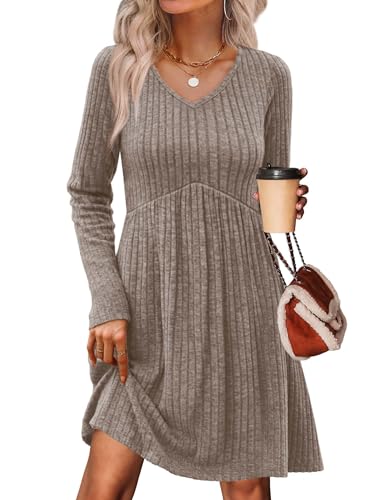
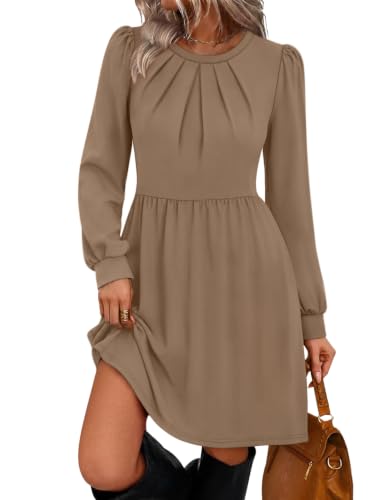
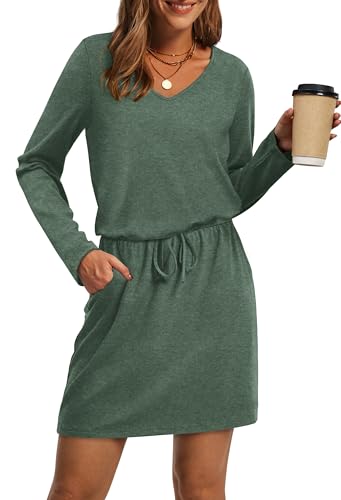
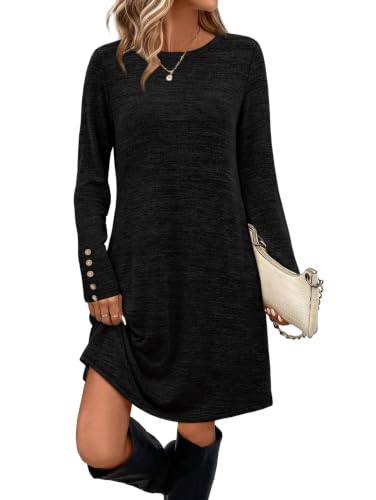
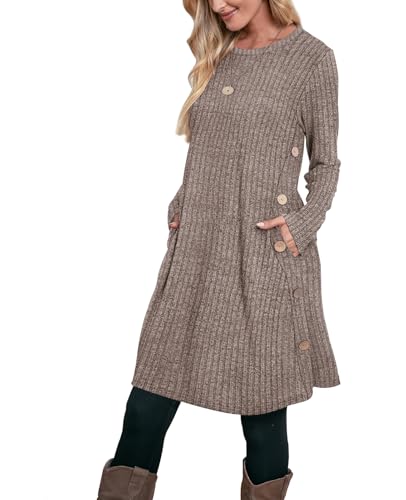
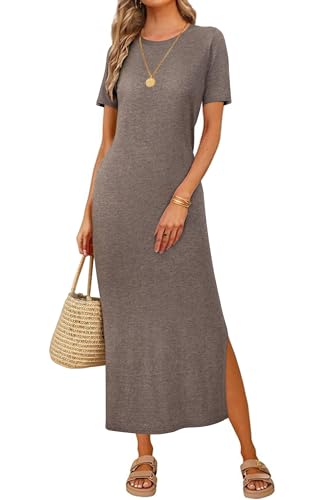
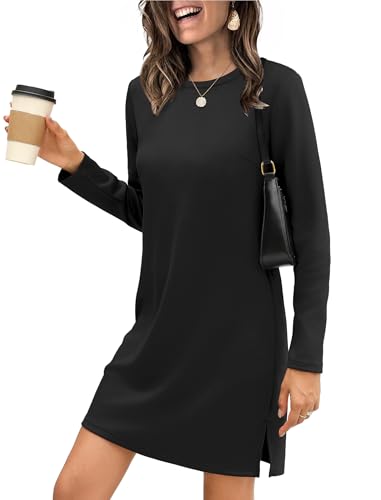
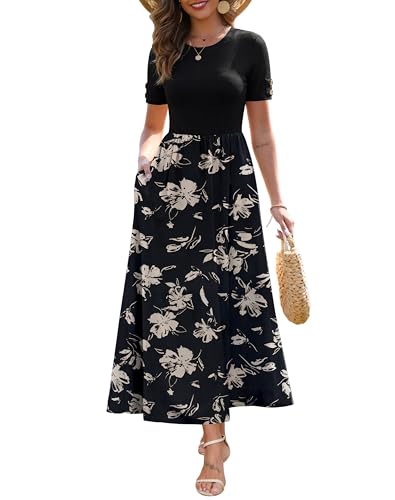
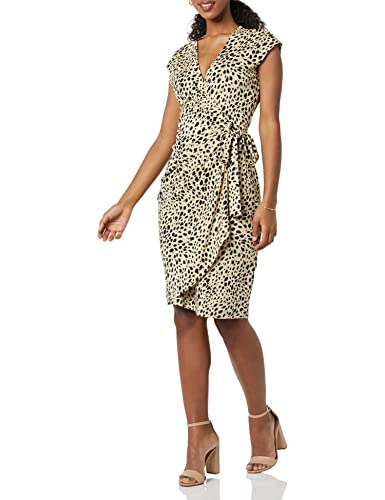
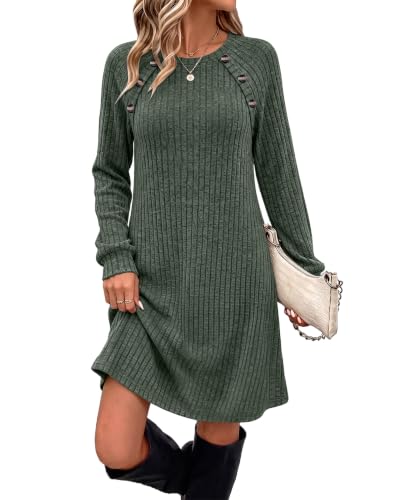



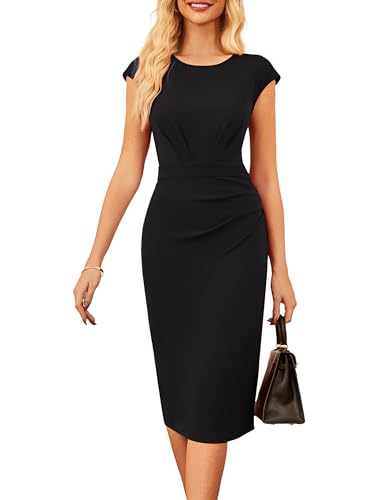

Frequently Asked Questions About Business Casual Clothes for Women
What belongs in business casual clothes for women?
The category should match a broad workwear-intent category for polished, non-suit professional clothing, with dresses as the site's current core inventory rather than a promise of a complete pants-and-blazer assortment. Formal gowns or unrelated dress-code products should be filtered out.
Which fabrics are practical?
Depending on the use case, practical options include ponte, crepe, stretch twill, knit blends, matte jersey, poplin, structured cotton blends, and wrinkle-resistant woven fabrics. Compare breathability, wrinkle recovery, opacity, stretch, and care instructions.
How should I choose a size online?
Measure bust, waist, hips, shoulders, torso, and preferred length, then use the exact seller's current chart. Do not assume a familiar US numerical or alpha size will fit the same across brands.
How can I tell whether the dress is comfortable enough?
Test realistic movement and pay attention to shoulder line, neckline coverage, sleeve mobility, waist comfort while seated, hem length, pocket placement, wrinkle recovery, and ease under a blazer or cardigan. Sit, walk quickly, climb stairs, bend, and reach while wearing the planned shoes and underlayers.
What shoes and layers work with this category?
Options can include closed-toe flats, loafers, low heels, simple pumps, cardigans, blazers, structured totes, belts, and restrained jewelry. Choose based on the actual setting, weather, walking surface, and dress code.
What should I check before removing tags?
Verify fit, opacity, movement, fabric feel, care requirements, seller details, delivery, return eligibility, and whether the dress works with at least one complete outfit for its intended use.
What should I verify before ordering?
Confirm the exact variation, seller, fabric, current size chart, garment length when available, delivery estimate, return policy, and care instructions. Marketplace listings can change between variations.
Match the Category to the Real Dress Code
Business Casual Clothes for Women should represent a broad workwear-intent category for polished, non-suit professional clothing, with dresses as the site's current core inventory rather than a promise of a complete pants-and-blazer assortment. The phrase 'casual' can mean very different things across a beach day, office, travel itinerary, weekend dinner, or everyday errand. Use the page to explain the specific level of polish and construction a shopper should expect instead of mixing formal gowns, party dresses, and unrelated clothing into one broad grid.
Typical use cases include offices with business-casual dress codes, client-facing days, conferences, presentations, work travel, interviews where a full suit is unnecessary, and professional dinners. Start with the setting, then decide the acceptable hem length, neckline, sleeve coverage, fabric weight, and shoe level. The page can explain complete business-casual wardrobes, but product copy must not imply that non-dress pieces are sold when the live category is predominantly dresses.
Choose Fabric for Performance, Not Just Appearance
Relevant materials include ponte, crepe, stretch twill, knit blends, matte jersey, poplin, structured cotton blends, and wrinkle-resistant woven fabrics. Cotton and linen can breathe well but wrinkle differently; rayon and viscose drape softly but may need careful washing; jersey provides stretch and easy movement; ponte or structured crepe can look more polished; lightweight wovens can feel crisp but require enough shoulder and hip ease. Read fiber content and care instructions for the exact garment.
Fabric weight also controls opacity, cling, heat, and layering. Hold pale or lightweight areas to strong light when possible and check black fabrics for lint attraction, fading, or shiny pressure marks. A product photo cannot show how quickly a material wrinkles after sitting or whether it becomes heavy when damp. Useful outfit directions include closed-toe flats, loafers, low heels, simple pumps, cardigans, blazers, structured totes, belts, and restrained jewelry.
Fit for Sitting, Walking, and a Full Day
Record bust, waist, hips, shoulders, torso, and preferred length, then use the seller-specific size chart. For this category, pay particular attention to shoulder line, neckline coverage, sleeve mobility, waist comfort while seated, hem length, pocket placement, wrinkle recovery, and ease under a blazer or cardigan. A comfortable standing fit can still bind at the waist after lunch, pull across the back while driving, or restrict stride once the wearer walks quickly.
Test the dress with the bra, shoes, and layers you actually plan to wear. Sit at a desk or table, climb stairs, reach overhead, bend to pick something up, and walk at normal speed. A useful casual dress should support repeated movement without constant smoothing, tugging, or neckline correction. The page can explain complete business-casual wardrobes, but product copy must not imply that non-dress pieces are sold when the live category is predominantly dresses
Length Changes the Use Case
Mini, knee, midi, and maxi lengths solve different problems. Shorter hems can be cooler but respond more strongly to wind; midi lengths often balance movement and coverage; maxi dresses need sufficient stride and floor clearance. Retail length labels are inconsistent, so use actual garment measurements and model height as reference points rather than assuming every 'midi' or 'maxi' will land in the same place. For business casual clothes for women, the intended use includes offices with business-casual dress codes, client-facing days, conferences, presentations, work travel, interviews where a full suit is unnecessary, and professional dinners.
Choose shoes before altering longer hems. Flat sandals, sneakers, loafers, pumps, and ankle boots change the visual proportion and clearance. If the dress will be worn to work or while traveling, check stairs, escalators, commuting, and vehicle entry rather than evaluating length only in a mirror. Material selection should be evaluated across ponte, crepe, stretch twill, knit blends, matte jersey, poplin, structured cotton blends, and wrinkle-resistant woven fabrics.
Build the Outfit Around Function
Possible styling includes closed-toe flats, loafers, low heels, simple pumps, cardigans, blazers, structured totes, belts, and restrained jewelry. Start with the activity, weather, and walking requirements, then add pieces that make sense. A structured bag may suit an office day, while a crossbody or woven tote can be easier for vacation. A cardigan or blazer can increase polish, but it should fit over the dress without crushing sleeves or making the armholes tight.
Keep accessories proportional to the dress and avoid snagging delicate fabrics. Shoes should match the actual walking surface. Styling should extend the garment's useful range, not disguise a fabric, fit, or dress-code mismatch. Useful outfit directions include closed-toe flats, loafers, low heels, simple pumps, cardigans, blazers, structured totes, belts, and restrained jewelry.
Use Season and Weather as Construction Filters
Warm weather favors breathability, sweat management, washable fabrics, and enough air around the body. Cold-weather use may need opaque fabric, tights-compatible hems, sleeves, or room for a coat. Air-conditioned offices and evening beach conditions can be cooler than outdoor daytime temperatures, so removable layers often add more versatility than choosing one heavy dress. The category's decision focus is office dress codes, wardrobe structure, and workday performance.
Rain and humidity also matter. Linen can wrinkle, viscose may react to moisture, long hems can drag on wet pavement, and some black dyes show water spots less than pale colors but may transfer when wet. Check care labels before packing a dress for travel or wearing it to a setting where professional cleaning is inconvenient. The page can explain complete business-casual wardrobes, but product copy must not imply that non-dress pieces are sold when the live category is predominantly dresses
Office and Smart-Casual Use Requires More Than a Keyword
When the category overlaps workwear, inspect neckline depth, transparency, slit height, hem position while seated, and whether the fabric recovers after hours at a desk. Workplace standards differ by employer and role, so the label 'business casual' is not a universal permission slip. Use the written policy and local office norms where available. For business casual clothes for women, the intended use includes offices with business-casual dress codes, client-facing days, conferences, presentations, work travel, interviews where a full suit is unnecessary, and professional dinners.
For client-facing settings, polished shoes, a clean layer, and a structured bag can raise the formality without changing the dress. For relaxed workplaces, simple sneakers or flats may be acceptable. The category should help shoppers adapt one garment across realistic settings rather than claim that a single look fits every office. Material selection should be evaluated across ponte, crepe, stretch twill, knit blends, matte jersey, poplin, structured cotton blends, and wrinkle-resistant woven fabrics.
Travel and Care Can Decide Whether a Dress Is Practical
For packing, consider wrinkle resistance, drying time, odor retention, static, and whether the dress can be refreshed without a full cleaning. Fold or roll according to fabric needs and hang the garment after arrival. A travel-friendly dress should recover reasonably after sitting and should not require specialty care after every wear. Fit review should specifically include shoulder line, neckline coverage, sleeve mobility, waist comfort while seated, hem length, pocket placement, wrinkle recovery, and ease under a blazer or cardigan.
Before removing tags, read washing and drying instructions. Some rayon, viscose, lace, or embellished pieces may require hand washing or dry cleaning; knit fabrics can stretch if stored incorrectly; black garments may fade with harsh detergents. Care cost belongs in the purchase decision for an item intended to be worn repeatedly. Useful outfit directions include closed-toe flats, loafers, low heels, simple pumps, cardigans, blazers, structured totes, belts, and restrained jewelry.
Buy Online Using Measurements and Return Terms
Marketplace category pages can combine several sellers, charts, fabrics, fulfillment methods, and return programs. Save the exact selected seller, color, size, fabric, delivery estimate, and return terms at checkout. Reviews are most useful when they include body measurements, purchased size, fabric feel, and whether the reviewer used the dress for a similar setting. The category's decision focus is office dress codes, wardrobe structure, and workday performance.
Order early enough to test the garment before a trip, event, or work deadline. Do not alter or wash the dress until fit, opacity, movement, and construction are approved. If the same listing contains several very different variations, verify that reviews and photos apply to the exact one you selected. The page can explain complete business-casual wardrobes, but product copy must not imply that non-dress pieces are sold when the live category is predominantly dresses
Build a Small Wardrobe Instead of Buying Duplicates
A useful category should help shoppers identify gaps: a breathable summer option, a polished work dress, an easy black dress, a long travel dress, or a relaxed beach style. If two garments serve the same weather, length, color, and dress-code function, the second purchase may add less value than a different silhouette or fabric. For business casual clothes for women, the intended use includes offices with business-casual dress codes, client-facing days, conferences, presentations, work travel, interviews where a full suit is unnecessary, and professional dinners.
Use neutral layers and repeatable shoes to increase outfit combinations. Black, navy, tan, white, denim, and soft metallic accessories can connect many casual dresses, while a few color-specific pieces can create variety. The goal is a wardrobe with distinct jobs rather than several near-identical dresses purchased because category labels differ. Material selection should be evaluated across ponte, crepe, stretch twill, knit blends, matte jersey, poplin, structured cotton blends, and wrinkle-resistant woven fabrics.
Use Internal Links to Clarify Shopping Intent
Related shopping paths include business casual dresses for women, business casual women outfits, casual dresses, and casual black dresses. These links should move shoppers between genuinely different use cases—work, beach, everyday black, maxi length, or the main casual collection. Avoid creating multiple pages that show the same products and answer the same query with slightly different word order.
The page can explain complete business-casual wardrobes, but product copy must not imply that non-dress pieces are sold when the live category is predominantly dresses. If product inventory cannot support the distinction described in the URL, consolidate the page or retag products before expanding content further. Internal linking works best when taxonomy and search intent agree.
Audit the Product Grid for Real Category Fit
The live category showed 26 visible results during the August 13, 2026 verification. Sample the grid for formal gowns, bridesmaid dresses, accessories, or unrelated lengths that could have inherited a broad tag. A casual or workwear category loses commercial usefulness when shoppers must sort through products that contradict the headline.
Content length cannot compensate for taxonomy drift. Keep title, canonical, products, breadcrumbs, internal links, and copy aligned with office dress codes, wardrobe structure, and workday performance. If inventory is thin, it is better to strengthen the correct set than to inflate counts with adjacent products.
How to Shortlist Business Casual Clothes for Women
Choose the use case first, then compare fabric, seller-specific measurements, length, coverage, movement, care requirements, weather, shoes, and return terms. Evaluate the exact dress with planned underlayers and at least one realistic outfit combination before deciding whether it fills a real wardrobe need. For business casual clothes for women, the intended use includes offices with business-casual dress codes, client-facing days, conferences, presentations, work travel, interviews where a full suit is unnecessary, and professional dinners.
Keep the garment when it works for offices with business-casual dress codes, client-facing days, conferences, presentations, work travel, interviews where a full suit is unnecessary, and professional dinners, passes the sitting and walking test, can be cared for realistically, and does not require styling tricks to hide fit problems. That approach makes business casual clothes for women useful as a shopping category rather than a generic fashion phrase.