
Casual Knee-Length Dresses
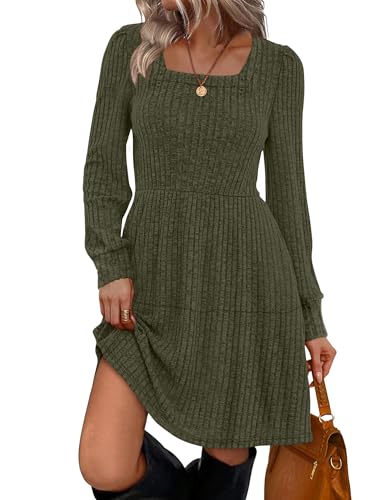
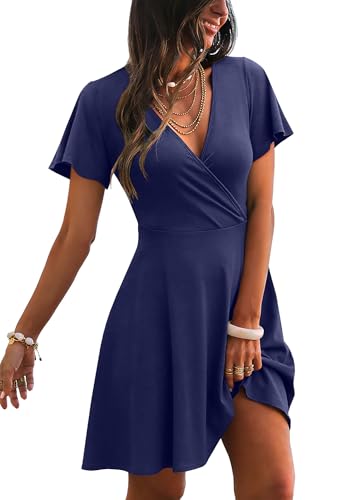
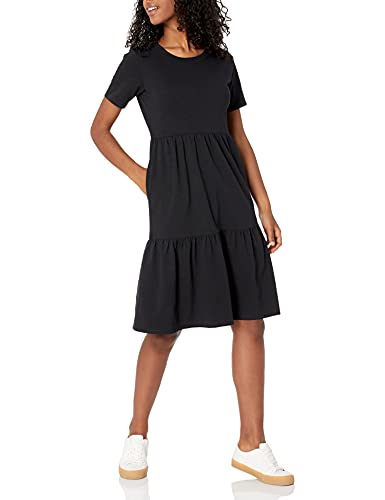
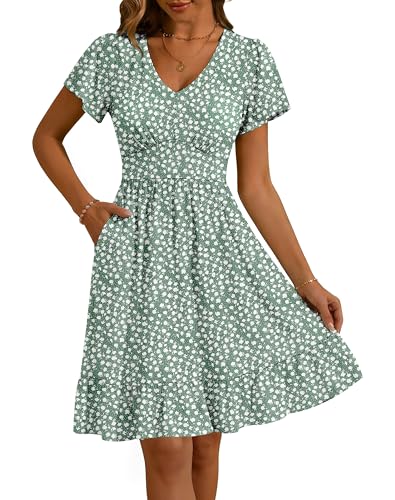
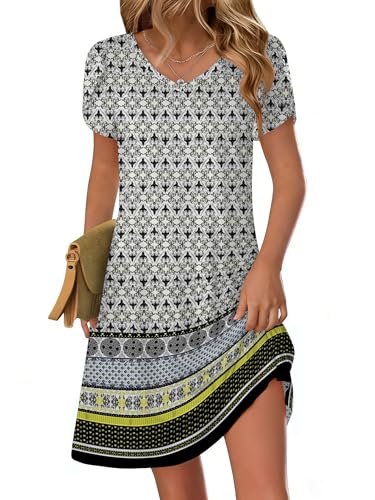
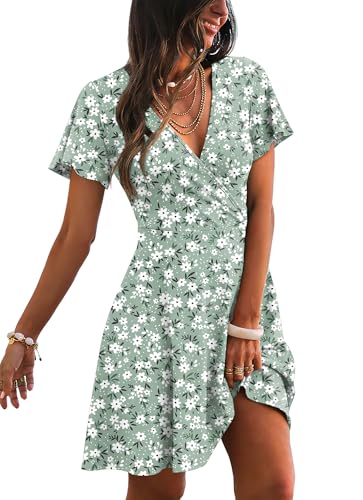
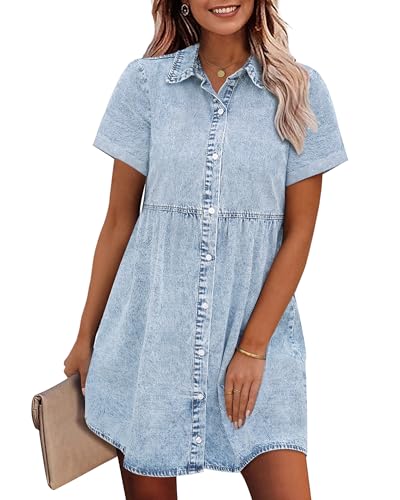
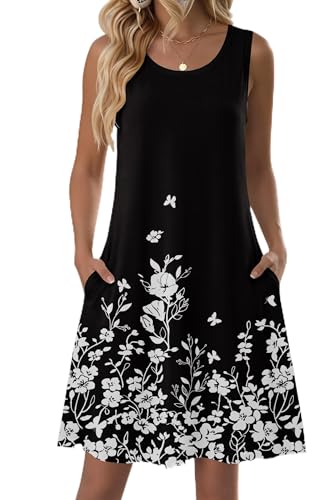
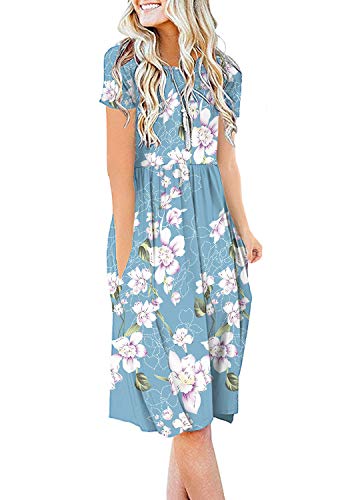
Casual knee-length dresses offer a practical middle ground between mini, midi, and maxi styles. They can work for errands, travel, brunch, casual offices, family gatherings, vacations, and dressy-casual events, but the actual hem position depends on height, torso length, and the product measurement. Browse the products above to compare A-line, shirt, wrap, fit-and-flare, T-shirt, floral, bodycon, sleeved, and pocketed options. The guide below explains hem measurement, proportion, fabric, movement, layering, footwear, care, and online shopping checks. MotherBrideDress is an affiliate discovery website; third-party sellers control the final purchase.











Frequently Asked Questions About Casual Knee-Length Dresses
Where should a knee-length dress end?
It may end slightly above, at, or just below the kneecap. Use the garment’s actual length and your shoulder-to-knee measurement rather than relying only on the label.
Are casual knee-length dresses suitable for work?
Some are. Choose appropriate fabric, opacity, neckline, sleeve, fit, and hem for the workplace. A structured A-line, shirt, or fit-and-flare style is often more polished than a thin T-shirt dress.
What shoes work with knee-length dresses?
Sneakers, sandals, flats, loafers, ankle boots, block heels, and pumps can all work. Match the shoe to the setting and the structure of the dress.
How do I know whether the dress will be too short when sitting?
Compare the garment length, read reviews, and test the dress in a chair before removing tags. Fitted skirts and wrap fronts often rise more than loose A-line skirts.
Do knee-length dresses suit petite shoppers?
They can, but the labeled length may fall lower on a petite frame. Check exact measurements and petite reviews to avoid an unintended midi length.
Can I wear tights with a knee-length dress?
Yes. Tights and boots can extend the dress into cooler seasons. Check for static and whether the fabric clings.
What fabric is easiest for everyday wear?
Medium-weight cotton blends, stable jersey, stretch crepe, and washable knits can be practical. The best choice depends on climate, care preferences, and required polish.
Does MotherBrideDress control the product price?
No. Amazon or the listed seller controls the current price, inventory, shipping, and returns. Confirm the live terms before checkout.
How to Shop Casual Knee-Length Dresses with Confidence
“Knee length” is not a fixed number. It may mean above the kneecap, across the kneecap, or just below it depending on the brand and wearer. A model’s height can make a dress appear shorter or longer than it will on you. The useful measurement is the garment length from shoulder or high point to hem, combined with your own shoulder-to-knee measurement. This category is most helpful when it allows comparison of both style and actual proportion rather than treating every labeled knee-length dress as identical.
Start with the Event and Your Real Wearing Needs
Choose the dress according to the most demanding setting in which you expect to wear it. A relaxed T-shirt dress may work for weekends but not a conservative office. A structured fit-and-flare can move from work to dinner. A breathable floral dress suits travel or warm-weather gatherings. Start with required coverage, walking comfort, care, and footwear, then select color and print. This approach builds a useful wardrobe piece rather than a dress that serves only one imagined outfit.
Popular Styles and What to Check
A-line knee-length dresses
A gradual flare allows movement and usually balances casual and polished styling. The waist may be natural, raised, or loose.
Shirt dresses
Collars, buttons, and optional belts create structure. Check button gaping, pocket placement, and whether the skirt opens when sitting.
Wrap and faux-wrap dresses
These offer adjustable shaping or the appearance of it. Confirm neckline coverage and whether the wrap remains secure in wind.
Fit-and-flare dresses
A defined bodice and fuller skirt can suit work, brunch, or casual occasions. The waist seam should align with your torso.
T-shirt and swing dresses
These prioritize ease and can be styled with sneakers or sandals. Fabric weight determines whether they look intentional or clingy.
Fabric, Lining, and Construction
Cotton and poplin feel crisp and breathable but may wrinkle. Jersey and knit blends are comfortable and travel-friendly, yet thin versions reveal undergarment lines. Rayon and viscose drape well but may shrink. Linen blends suit warm weather while requiring a tolerance for natural creasing. Stretch crepe can look polished for work. Check opacity when the dress is pulled across the hips and while sitting. Pockets are useful only when they lie flat and do not distort the side seam.
Fit and Measurement Guide
Measure bust, waist, hips, shoulder width, and shoulder-to-knee. For fitted styles, compare the hip measurement because the hem may ride upward when the skirt is too tight. For shirt dresses, check bust ease and button spacing. For loose dresses, use shoulder and armhole fit to avoid a shapeless appearance. Petite and tall shoppers should rely on garment length rather than the category label. Reviews that include wearer height and purchased size can help interpret the hem.
Movement, Comfort, and Wearability
Sit in a chair, climb stairs, bend, and walk outside if possible. A dress that hits the knee standing may rise several inches when seated. Wrap fronts can open, button plackets can gap, and fitted hems can restrict steps. Test the dress with the bag or jacket you plan to wear because crossbody straps and coat friction can pull lightweight fabric upward. Practical movement is one reason many shoppers choose this length, so the design should deliver it.
Color, Finish, and Photography
Solid neutrals such as black, navy, olive, beige, or denim-like blue are easy to repeat, while bright colors and prints can make a simple silhouette feel complete. Print scale should suit the garment and wearer rather than follow a rigid body-type rule. Check whether pattern placement is centered and whether stripes align at major seams. Light colors require stronger opacity; dark colors show lint or fading. Consider how the dress works with existing shoes and layers to increase cost per wear.
Neckline, Sleeves, Coverage, and Support
The hem is only one part of coverage. Sleeve length, neckline, back, slit, and fabric opacity determine whether the dress is appropriate for work, worship, travel, or family events. A high neckline with a shorter hem can feel balanced; a sleeveless dress may need a cardigan in conservative settings. Side slits can improve movement but change seated coverage. Check whether the dress works with an ordinary bra and whether armholes expose it.
Shoes, Jewelry, Bags, and Styling
Sneakers and a denim jacket create a casual weekend outfit. Loafers, flats, ankle boots, or low heels make the same length more polished. A structured belt can define a shirt dress, while a soft cardigan suits a swing silhouette. Choose outerwear that ends above the hem or creates a deliberate longer line. Knee-length dresses also display shoes clearly, so worn or overly casual footwear becomes more noticeable. The best styling supports the setting without making a simple dress feel overworked.
Season, Venue, and Weather Planning
This length adapts well across seasons. Wear breathable fabrics with sandals in summer; add tights, boots, a cardigan, or a coat in cooler weather. Check whether static causes a lightweight skirt to cling to tights. For rain or travel, the shorter hem is easier than a maxi, but pale fabric can still mark. A lined dress offers warmth and opacity, while an unlined cotton dress may be more comfortable in heat. Build seasonality through layers rather than assuming one fabric works year-round.
How to Compare Two Listings Side by Side
For two casual knee-length dresses listings, compare repeat-wear value rather than choosing only by the first outfit photo. Record garment length, bust and hip room, waist placement, fabric composition, lining, stretch, pockets, closure, care instructions, seller, and return terms. Then imagine at least three realistic outfits using shoes and layers you already own. A a-line knee-length dresses and a shirt dresses may fit different wardrobes even when both are described as casual. Give more weight to the option that works with your climate, laundry routine, preferred undergarments, and normal activities. A dress worn twenty times at a moderate price is usually a stronger value than a cheaper design that requires special care or uncomfortable styling.
How to Read Product Photos and Reviews
Product images can show color and design, but they rarely answer the most important everyday questions. Look for customer information about shrinkage, pilling, fabric weight, pocket bulk, neckline movement, static, transparency, and whether the garment keeps its shape after washing. Height and body measurements help interpret length and waist placement. Separate comments about an individual seller or delivery from comments about the dress construction. When reviews conflict, check whether shoppers ordered different colors or fabric versions; light and dark variations sometimes use different lining or reveal different levels of opacity.
How to Shop Online More Safely
Look for the actual garment length and the model’s height. If neither is provided, the “knee-length” label is uncertain. Read reviews for shrinkage, transparency, pocket bulk, neckline fit, and whether the hem changes after washing. Confirm fabric composition and care because a frequently worn casual dress should be easy to maintain. Save the selected size and check the live delivery and return policy. The affiliate page organizes options, but Amazon or the seller controls all transaction details.
What to Check Immediately After Delivery
Inspect a casual dress with the same care as formalwear because small fit problems become more annoying through repeated use. Try it with everyday underwear, sit, bend, reach, walk quickly, and put items in the pockets. Add the jacket, cardigan, or shoes you expect to wear. Photograph the side to check seam and waist placement. Read the care label before removing tags and decide whether the washing instructions fit your routine. If the dress only looks right after constant adjustment or requires care you will avoid, return it while the window remains open rather than hoping convenience will improve.
A Final Decision Rule Before You Keep the Dress
Keep a casual dress only when it earns a clear place in the wardrobe. It should work with at least two pairs of shoes, one practical layer, and the undergarments you normally wear. It should also survive the movements of an ordinary day and have care instructions you will follow. Consider whether the color, print, and length repeat functions already covered by another dress. A useful purchase reduces outfit friction; a near-duplicate with difficult care or unstable fit simply adds storage. This repeat-wear test is more honest than judging the item as a single styled photograph.
Alterations, Preparation, and Care
Wash according to the label and measure again after the first cleaning if shrinkage is a concern. Air-dry rayon, viscose, knits, or delicate prints when recommended. Hang shirt dresses neatly to reduce wrinkles, but fold heavy knits so they do not stretch. Treat deodorant, makeup, and food marks quickly. A casual dress earns value through repeat use, so avoid a care routine you will not realistically follow. Fabric durability and colorfastness are legitimate buying criteria.
Common Shopping Mistakes to Avoid
The main mistake is assuming the model’s hem will match yours. Others include ignoring seated length, buying a tight hip that raises the skirt, choosing thin fabric for a work setting, and overlooking shrinkage. Do not buy only because the dress has pockets; poor pocket construction can add bulk. Avoid forcing a versatile dress into every dress code. A knee-length hem can be casual, professional, or semi-formal depending on the rest of the design.
Final Shopping Checklist
- Compare garment length with shoulder-to-knee measurement.
- Check the hem while sitting and climbing stairs.
- Measure hips for fitted skirts.
- Review fabric opacity and shrinkage.
- Test neckline, buttons, wrap, and armholes.
- Choose shoes and layers for the intended setting.
- Confirm pocket placement lies flat.
- Verify seller delivery and returns.
Explore Related Dress Collections
Use these related MotherBrideDress category pages to compare nearby search intents without forcing one page to answer every dress question. Compare the broader parent collection first, then narrow the choice by silhouette, color, length, occasion, or budget.
Affiliate shopping note: MotherBrideDress may earn a commission from qualifying purchases. Product names, prices, availability, shipping estimates, seller information, and return conditions can change. Always verify the selected size, color, current price, delivery date, and return policy on the live seller page before checkout.