
Casual petite maxi dresses
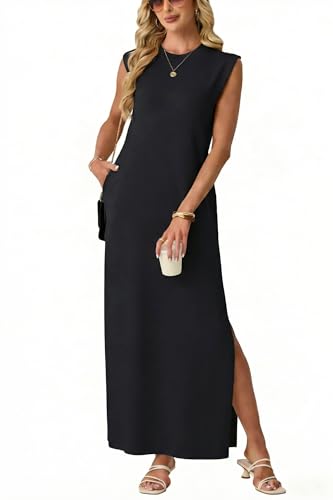
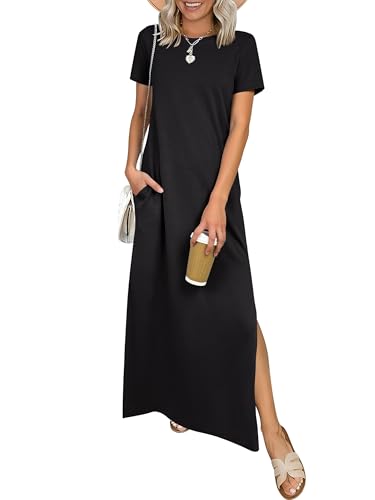
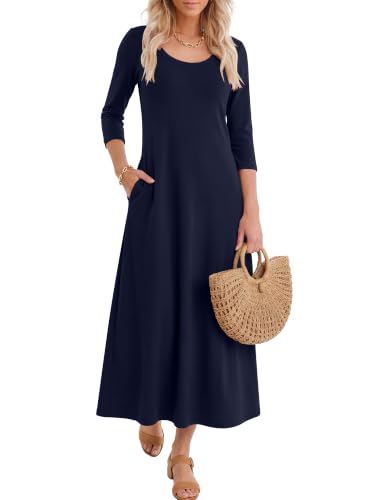
A maxi dress is cut for a body it was never measured on. Standard maxi patterns assume a wearer between 5’8″ and 5’10”, which is why the length is the single hardest thing to get right if you are 5’4″ or under.Around a third of the listings here are explicitly petite-sized, which is better than most maxi collections carry but still means filtering. Nearly nine in ten are maxi length, two thirds are described as casual and around six in ten as summer styles. Around three in ten mention beach wear.Three quarters have sleeves, most commonly short. For the full maxi range across all heights, see maxi dresses for women.
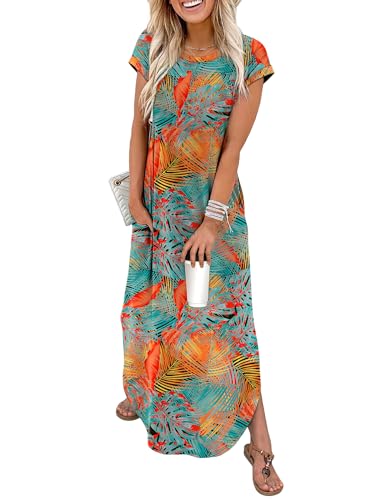

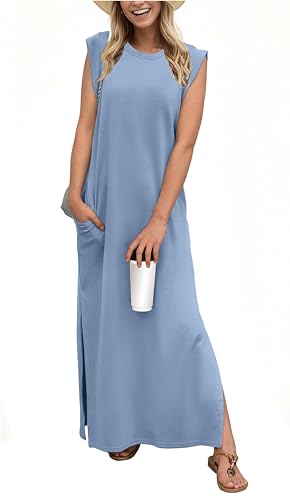


Casual Petite Maxi Dresses: Frequently Asked Questions
Why is maxi the hardest length for petite frames?
Every other length can run slightly long without failing. A maxi that runs long pools on the floor, catches underfoot on stairs and loses the vertical line that makes the style work. A dress falling at the ankle on 5'9" sits two to four inches on the ground on 5'2".
What dress length should I look for?
Roughly 48 to 50 inches for 5'0", 50 to 52 for 5'2", and 52 to 54 for 5'4", measured shoulder to hem for a hem clearing the floor in flats. Most non-petite maxi dresses are cut at 55 to 58 inches.
Is a petite maxi just a shorter one?
No. A petite pattern moves the waist seam up, narrows the shoulder, raises the bust dart and shortens the sleeve as well as the hem. A hemmed regular dress keeps the waist seam low, which is what makes it look borrowed.
Can I just have it hemmed?
Often yes, and a plain jersey or cotton hem shortens easily and cheaply. A tiered skirt is harder, since removing the bottom tier unbalances the ratio, and a border print or ruffled hem is the design feature you would be cutting off.
Which waist position works best?
An empire waist just under the bust creates the longest leg line and accommodates a wide range of measurements. An elasticated or drawstring waist is even better, since you can position it wherever you want.
Are these formal enough for a wedding?
No. Two thirds are described as casual and six in ten as summer styles, from everyday labels rather than occasion houses. A dress from here will read casual regardless of accessories.
Does sleeve length matter too?
Yes. A short sleeve cut for a longer arm ends past the elbow, which visually widens the upper arm and shortens the frame. Three quarters of this collection has sleeves, mostly short.
What print scale suits a petite frame?
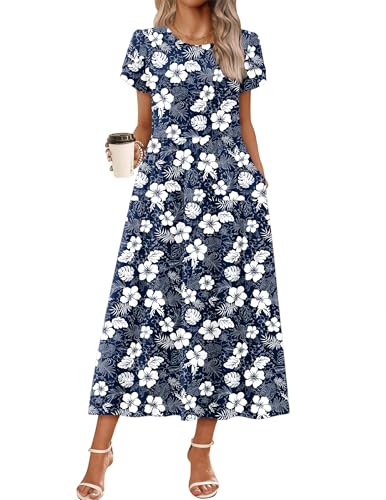
Smaller and denser prints. A large-scale floral repeats only two or three times across a smaller dress, which reads as a few big shapes rather than as a pattern.
Which fabrics are most practical?
Jersey and cotton blends, which hold shape and machine wash. Rayon and viscose drape well but lose length if washed above cold, which matters on a dress you have already had hemmed.
Why Maxi Is the Hardest Length for Petite
Every other length can be worn slightly long without failing. A midi that runs long becomes a longer midi. A maxi that runs long pools on the floor, catches under your feet on stairs, and loses the clean vertical line that makes the style work.
The gap is bigger than most people expect. A dress cut to fall at the ankle on a 5'9" frame will sit two to four inches on the ground on a 5'2" one, depending on where the waist seam falls.
That is not a small alteration. It is often enough to change the proportion of the whole dress, particularly if there is a tiered skirt, a border print or a ruffle at the hem.
The Numbers to Check
Most listings give a total dress length measured from the shoulder to the hem. That single number, compared against your own height, predicts the outcome better than the size label does.
As a rough guide for a hem that clears the floor in flat shoes: someone around 5'0" needs about 48 to 50 inches, 5'2" around 50 to 52, and 5'4" around 52 to 54. Above that you are into standard sizing.
Compare that with what most non-petite maxi dresses are cut at, which is commonly 55 to 58 inches, and the size of the problem is clear.
Where a listing gives no measurement, reviews mentioning the reviewer's height are the most reliable substitute. Petite maxi dresses attract this kind of review more than almost any other category, because it is what everyone wants to know.
Petite-Cut Versus Simply Shorter
A genuine petite maxi is not just a shortened version of the regular one, and the difference shows.
A petite pattern moves the waist seam up, narrows the shoulder, raises the bust dart and shortens the sleeve as well as the hem. The proportions are redrawn for a shorter torso.
A regular maxi shortened at the hem keeps the waist seam where it was, which on a shorter frame sits below your natural waist. That single detail is what makes a hemmed regular dress look borrowed while a petite-cut one looks made for you.
Around a third of the listings here are petite-cut. For the rest, hemming is possible and often worthwhile, but expect the waist position to be a compromise.
Hemming a Maxi
Since two thirds of this collection is not petite-cut, hemming is a realistic part of buying here rather than an exception.
A plain hem shortens easily and cheaply. This is the case for most jersey and cotton maxi dresses, which is convenient given how many of them are in this collection.
A tiered skirt is different. Removing length from the bottom tier changes the ratio between tiers, and the result often looks unbalanced. Better to shorten from a seam higher up, which costs more, or to choose a different dress.
A border print, a lace edge or a ruffle at the hem is the design feature, and cutting it off removes the reason you liked the dress. Check the hem finish in the photograph before ordering with alterations in mind.
Where the Waist Sits
After length, this is what decides whether a maxi works on a shorter frame.
An empire waist, sitting just under the bust, creates the longest possible leg line and is the most reliable petite maxi shape. It also accommodates a wide range of waist and hip measurements without alteration.
A defined natural waist works well provided it actually lands at your natural waist. On a regular-cut dress it usually lands lower, which shortens the leg line and creates a bunched section at the midriff.
A drop waist is the one to approach carefully, since it lowers the visual break further still.
An elasticated or drawstring waist solves the problem entirely, because you can position it wherever you want. Given how many casual maxi dresses use one, this is worth actively looking for.
What This Collection Is Actually For
Two thirds of the listings are described as casual and around six in ten as summer styles, with beach wear at around three in ten. Labels such as Zeagoo, GRECERELLE and ANRABESS are everyday brands rather than occasion houses.
So this is warm-weather, everyday and holiday wear: cotton and jersey, short sleeves, simple shapes. It is not a formal collection, and a dress from here will read casual no matter what you pair it with.
For a maxi at a wedding or a formal event, the long formal dresses collection is the right place.
Proportion Beyond Length
Two details make a maxi read as deliberate rather than oversized on a shorter frame.
Sleeve length matters as much as hem length. Three quarters of this collection has sleeves, mostly short, and a short sleeve cut for a longer arm ends past the elbow, which visually widens the upper arm and shortens the frame.
Print scale is the second. A large-scale floral repeats only two or three times across a smaller dress, which reads as a few big shapes rather than a pattern. Smaller and denser prints generally photograph better on a petite frame.
Fabric and Care
Because this is everyday wear, washability decides how often the dress actually gets worn.
Jersey and cotton blends hold shape, wash in a machine and resist creasing, which makes them the practical majority here.
Rayon and viscose drape beautifully and lose length if washed above cold, which on a dress you have already had hemmed is worth avoiding.
Linen breathes best in heat and creases visibly, which some people accept as part of the look.
Take bust, waist, hip and, most importantly, your height without shoes. Our US size chart covers petite conversions.
Related Collections
For maxi dresses across all heights, see maxi dresses for women. For petite occasion wear, browse petite formal dresses. For shorter everyday styles, see casual dresses.