
Smart Casual Women's Outfits
Smart Casual Women’s Outfits should solve a specific dress-code or fit problem rather than function as a vague mood board. This category centers on polished but relaxed women’s outfits suitable for settings that expect more intention than weekend casual but less structure than traditional business or cocktail attire. For U.S. shoppers, the useful starting point is the setting: what level of polish is expected, how long the outfit will be worn, and which parts of the look must remain comfortable through sitting, walking, commuting, dining, or socializing.
Do not confuse this intent with very relaxed weekend wear, traditional business formal, strict business casual, cocktail dresses, and evening formalwear. The strongest options use ponte, matte crepe, fine-gauge knits, structured jersey, poplin, linen blends, smooth denim, twill, and wrinkle-resistant woven blends in silhouettes that support neckline security, shoulder fit, waist placement, hem length, fabric recovery after sitting, outer-layer mobility, and shoe-compatible hem clearance. A category label should not override the event or workplace itself; invitation wording, employer norms, venue, weather, and the actual garments decide whether an outfit is appropriate.
Related shopping paths include casual business attire for women, cute business casual outfits, casual wear for women, casual dresses. These pages help shoppers move between everyday casual, business-casual, plus-size, seasonal, and dress-led options without collapsing different levels of formality into one collection.
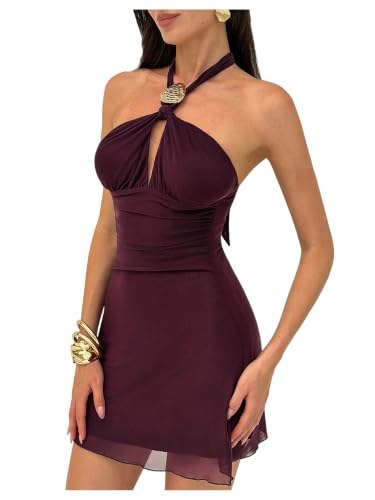
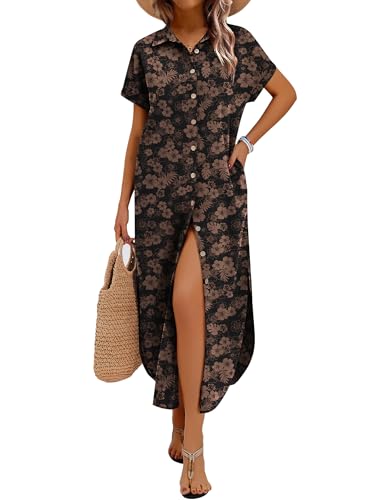
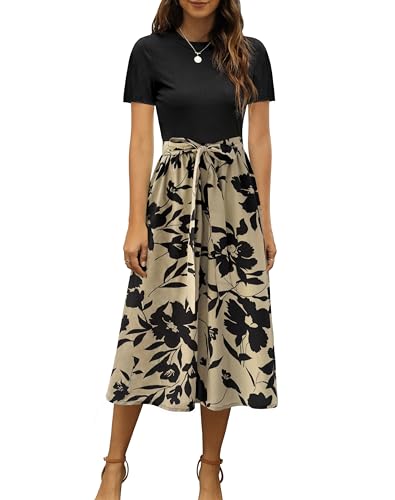
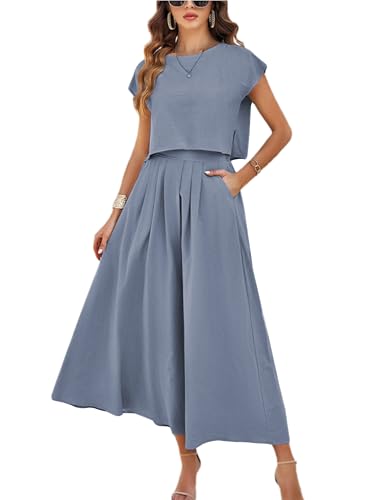
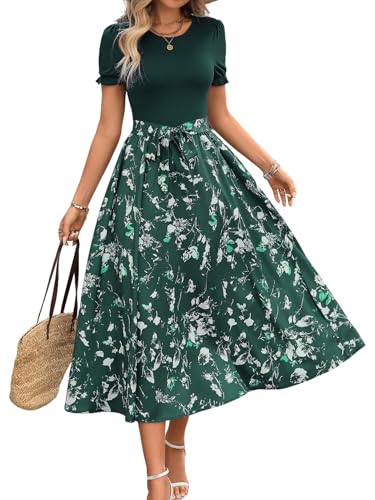
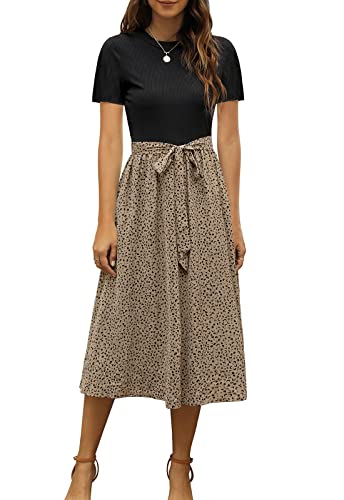
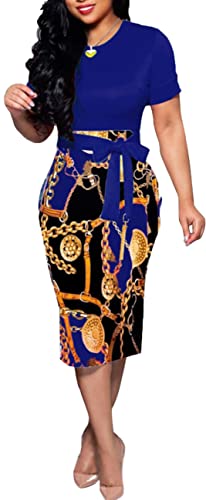
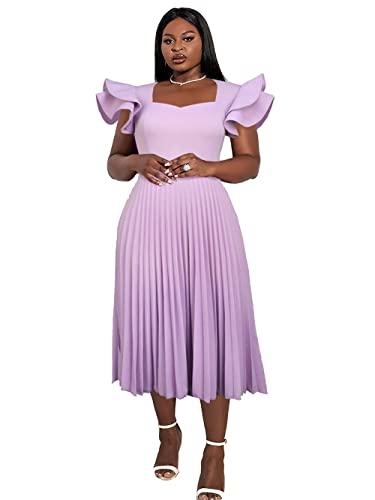
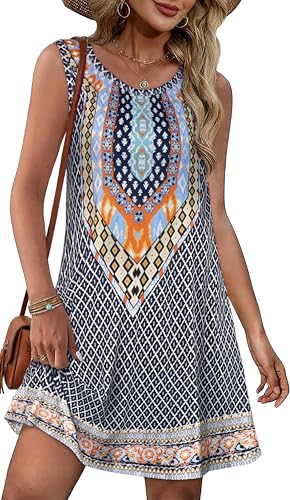
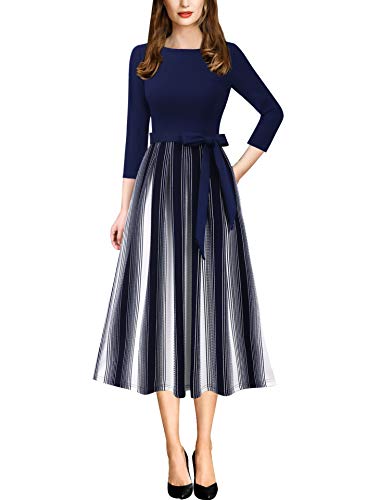
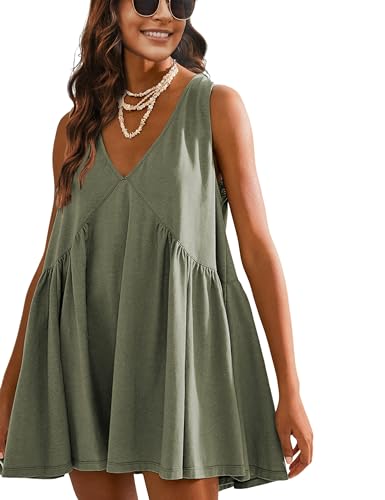
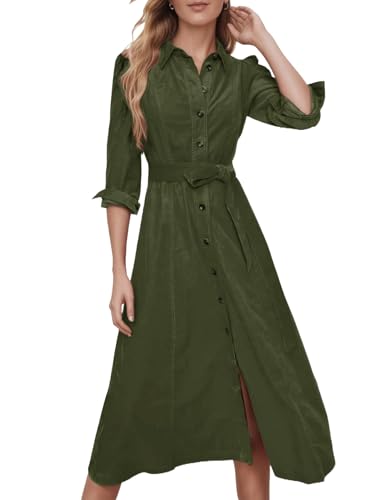
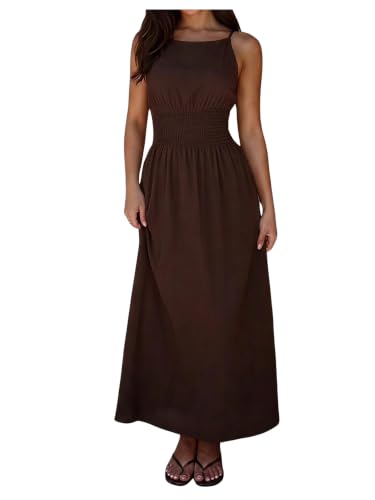
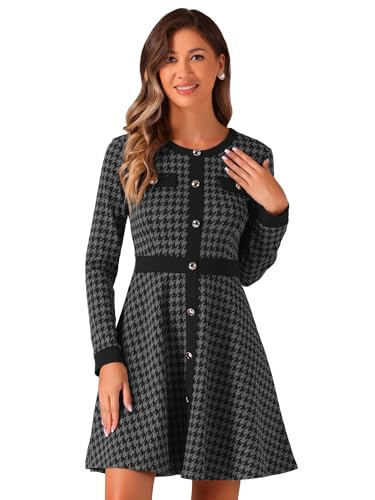
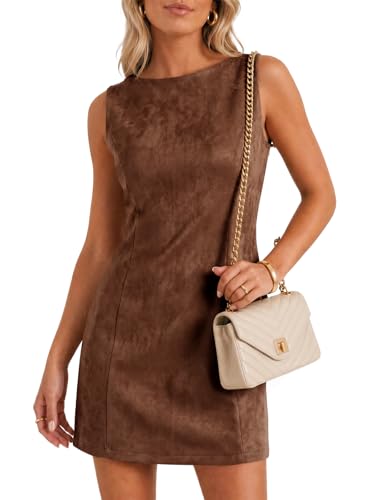
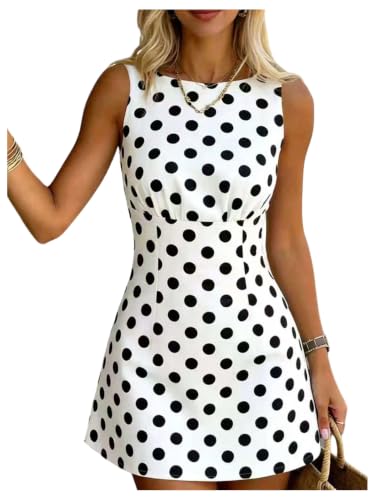
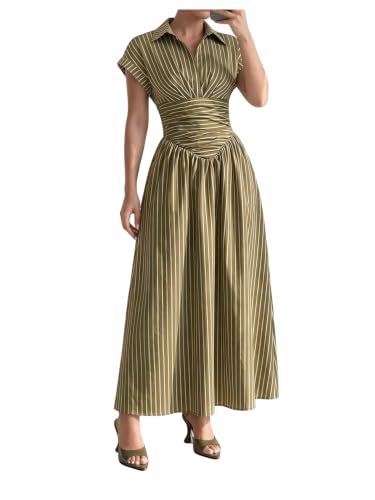


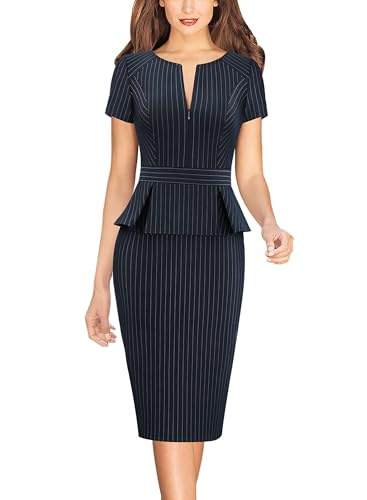
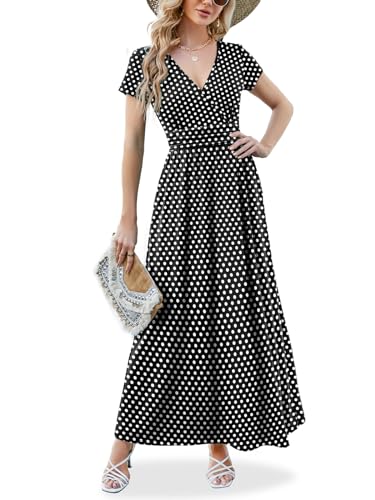
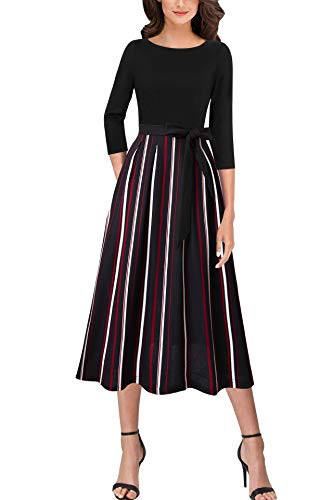
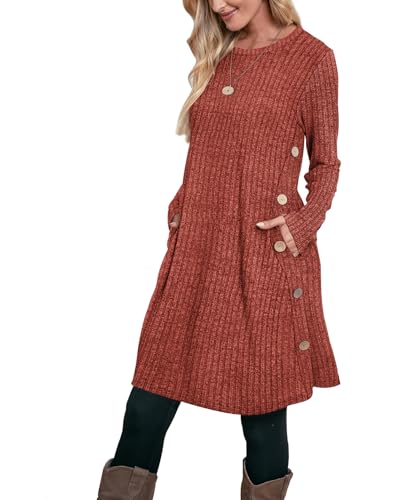
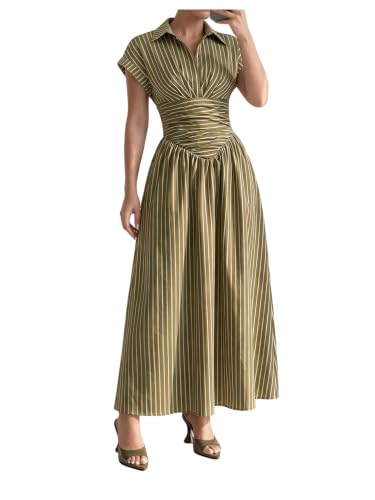

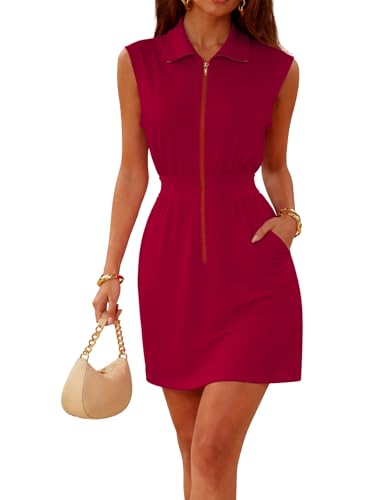
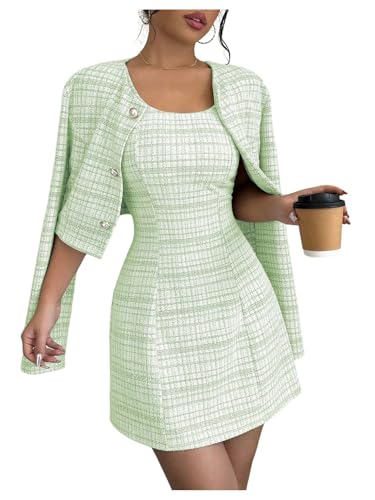
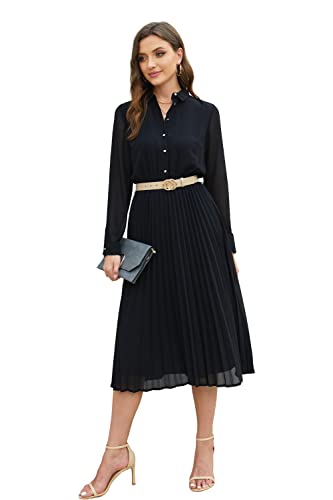
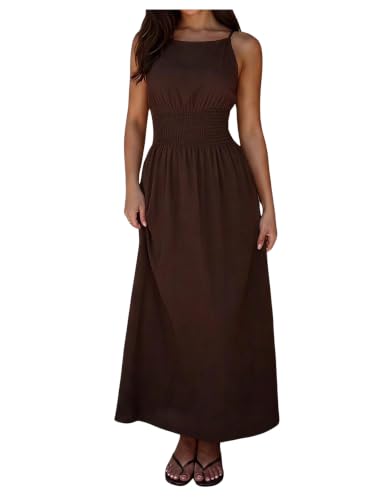
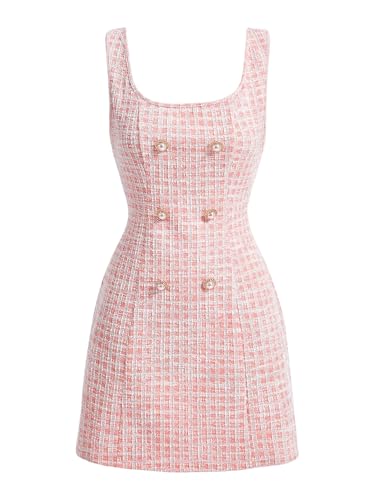
Frequently Asked Questions About Smart Casual Women's Outfits
What counts as smart casual women's outfits?
The outfit should match the setting and the practical definition: polished but relaxed women’s outfits suitable for settings that expect more intention than weekend casual but less structure than traditional business or cocktail attire. The actual workplace, venue, invitation, and garment construction matter more than a product tag.
How do I know if an outfit is too casual or too dressy?
Compare it with the boundary categories: very relaxed weekend wear, traditional business formal, strict business casual, cocktail dresses, and evening formalwear. Fabric finish, shoes, outer layers, neckline, and overall structure usually change the level of polish.
Which fit points should I check?
Prioritize neckline security, shoulder fit, waist placement, hem length, fabric recovery after sitting, outer-layer mobility, and shoe-compatible hem clearance, then confirm bust, waist, hips, shoulders, torso, and hem against the exact seller measurements.
What movement test should I do?
Test commuting, sitting through a meal or meeting, walking several blocks, reaching, carrying a work or day bag, and adding or removing a layer without the outfit losing shape. The outfit should stay in place and remain comfortable after sitting for at least ten minutes.
How many pieces should a new item work with?
A practical rule is to identify at least two existing pairs of shoes and one outer layer that work with the new garment before buying. This improves repeat-wear value.
What fabrics work best?
Useful options include ponte, matte crepe, fine-gauge knits, structured jersey, poplin, linen blends, smooth denim, twill, and wrinkle-resistant woven blends. The right choice depends on opacity, wrinkle recovery, stretch, temperature, and the level of polish required.
What should I verify before ordering online?
Confirm the exact seller, size chart, fabric, lining, closure, garment measurements, delivery estimate, return eligibility, and care instructions, then test the complete outfit before the return window closes.
Start With the Setting, Not the Outfit Label
Smart Casual Women's Outfits are most useful when they answer a real setting. The target here is polished but relaxed women’s outfits suitable for settings that expect more intention than weekend casual but less structure than traditional business or cocktail attire. Instead of buying because a product is tagged “casual,” identify where the outfit will be worn, how conservative or relaxed the environment is, whether there is air conditioning or outdoor heat, and how much walking or sitting the day requires.
Keep the boundary clear from very relaxed weekend wear, traditional business formal, strict business casual, cocktail dresses, and evening formalwear. Those categories can overlap visually, but they solve different problems. A knit midi dress may work in several settings, for example, but shoes, outer layers, neckline, fabric finish, and accessories can move the same base garment toward relaxed or polished territory.
Use Fabric to Set the Level of Polish
Useful fabric directions include ponte, matte crepe, fine-gauge knits, structured jersey, poplin, linen blends, smooth denim, twill, and wrinkle-resistant woven blends. Matte crepe, ponte, smooth jersey, structured poplin, and fine-gauge knits usually look more intentional than thin sleepwear-like jersey or distressed fabrics. Linen blends can look polished when pressed and structured, while denim or sweater knits can work in more relaxed environments depending on cut.
Check thickness, stretch recovery, pilling, shine, opacity, and wrinkle behavior. A fabric that becomes transparent under office lighting or collapses after an hour of sitting may undermine an otherwise appropriate silhouette. The goal is not stiffness; it is enough structure to keep the outfit looking intentional through the actual day. For Smart Casual Women's Outfits, apply this check directly to neckline security, shoulder fit, waist placement, hem length, fabric recovery after sitting, outer-layer mobility, and shoe-compatible hem clearance.
Fit Should Support Movement, Not Just a Front View
For this category, pay particular attention to neckline security, shoulder fit, waist placement, hem length, fabric recovery after sitting, outer-layer mobility, and shoe-compatible hem clearance. Measure the body and compare with the exact seller chart. If a dress is part of the outfit, check bust, waist, hips, shoulder width, torso length, and hem. If an outer layer is planned, test it over the dress instead of assuming the armholes and sleeves will stack comfortably.
With tags attached, test commuting, sitting through a meal or meeting, walking several blocks, reaching, carrying a work or day bag, and adding or removing a layer without the outfit losing shape. Watch for necklines that gape, waistbands that roll, skirts that climb, sleeves that bind, and fabrics that cling after sitting. An outfit that needs repeated adjustment is not successful for a setting that demands attention elsewhere.
Build the Outfit Around One Visual Anchor
Use one polished anchor such as a structured midi dress, shirt dress, fine knit, clean jacket, or refined shoe, then keep the rest relaxed and coordinated. One anchor keeps the outfit coherent without making every piece match. A dress can be the anchor, or it can be a color, jacket, shoe shape, or bag. The rest of the outfit should support that choice rather than compete with it.
Use existing wardrobe pieces as a reality check. Before checkout, identify shoes, an outer layer, and a bag that already work with the garment. If the new item requires a complete accessory reset, its real cost and usefulness are higher than the product price suggests. In this collection, the garment still needs to match polished but relaxed women’s outfits suitable for settings that expect more intention than weekend casual but less structure than traditional business or cocktail attire.
Use Proportion Instead of “Flattering” Rules
Smart casual works when proportions look deliberate: jackets should not overwhelm the dress, hems should clear the shoe, and relaxed pieces should be balanced by at least one cleaner structured element. Proportion is measurable: where the waist seam lands, how much fabric sits at the hip, where the hem meets the leg, how long a jacket extends over the dress, and whether the neckline balances the shoulder line. These choices should support comfort and the intended level of polish rather than follow one body-type formula.
Photograph the outfit from front, side, and back at normal camera height. This reveals pulling, bunching, uneven hems, and outer layers that distort the base garment. It also shows whether the outfit still reads as intentional when viewed as a whole rather than item by item. That keeps Smart Casual Women's Outfits distinct from very relaxed weekend wear, traditional business formal, strict business casual, cocktail dresses, and evening formalwear.
Plan Shoes Around the Day
Loafers, clean flats, low boots, refined sandals, low heels, and minimal sneakers can all work depending on the workplace or venue; condition and finish matter as much as shoe type. Shoes should match both the dress code and the walking requirement. Clean sneakers, loafers, flats, low boots, sandals, or low heels can all be appropriate in different versions of casual dressing. The key is that the shoe finish and condition support the rest of the outfit.
Test hem clearance and stride with the final shoes. Changing heel height can alter how a maxi or midi dress moves, where a slit falls, and whether a long hem brushes the ground. Foot comfort becomes part of the outfit after several hours, so do not treat footwear as an afterthought. For Smart Casual Women's Outfits, apply this check directly to neckline security, shoulder fit, waist placement, hem length, fabric recovery after sitting, outer-layer mobility, and shoe-compatible hem clearance.
Layer for Temperature Without Changing the Dress Code
A blazer, cardigan, trench, overshirt, or lightweight jacket can move an outfit toward the required level of polish while also handling temperature changes. A cardigan, denim jacket, blazer, trench, sweater, or lightweight coat can change both warmth and formality. Try the layer over the exact dress and check shoulder mobility, sleeve bulk, hem proportion, and whether the neckline still sits correctly.
For offices, travel, and restaurants, temperature often changes more than the dress code. A useful outfit handles both warm and cool spaces without requiring an entirely different base look. Fine layers usually provide more flexibility than one heavy piece that must stay on all day. In this collection, the garment still needs to match polished but relaxed women’s outfits suitable for settings that expect more intention than weekend casual but less structure than traditional business or cocktail attire.
Check Opacity, Underlayers, and Seating
Inspect the outfit in daylight, indoor lighting, and phone flash. Look for visible bra bands, shapewear edges, pocket bags, seams, or high-contrast underwear. Light colors and stretched knits deserve extra attention because opacity can change when fabric is under tension. That keeps Smart Casual Women's Outfits distinct from very relaxed weekend wear, traditional business formal, strict business casual, cocktail dresses, and evening formalwear.
Sit for ten to fifteen minutes in the complete outfit. This shows whether the skirt rides up, the waist cuts in, the fabric wrinkles heavily, or an outer layer bunches. The seated view matters for commuting, meetings, dining, and long social events. For Smart Casual Women's Outfits, apply this check directly to neckline security, shoulder fit, waist placement, hem length, fabric recovery after sitting, outer-layer mobility, and shoe-compatible hem clearance.
Shop by Measurements and Garment Function
Size labels should be a starting point, not the decision. Compare the exact seller chart and, when available, finished garment measurements. Pay special attention to the least flexible area of the design. A structured bust, fitted upper arm, non-stretch waist, or narrow hip can determine the correct size even when the rest of the garment is loose. In this collection, the garment still needs to match polished but relaxed women’s outfits suitable for settings that expect more intention than weekend casual but less structure than traditional business or cocktail attire.
Read reviews for concrete construction observations rather than approval scores alone. Height, measurements, purchased size, fabric, and how the garment behaved after sitting or washing are more useful than a simple “true to size” comment. That keeps Smart Casual Women's Outfits distinct from very relaxed weekend wear, traditional business formal, strict business casual, cocktail dresses, and evening formalwear.
Consider Care and Repeat-Wear Cost
An outfit intended for frequent use needs a realistic cleaning routine. Check whether the dress or key layer is machine washable, hand wash only, or dry clean. Note pilling, shrinkage, color transfer, crease retention, and whether embellishment or hardware complicates care. For Smart Casual Women's Outfits, apply this check directly to neckline security, shoulder fit, waist placement, hem length, fabric recovery after sitting, outer-layer mobility, and shoe-compatible hem clearance.
Repeat-wear value improves when the main garment works in several combinations. A dress that pairs with two shoes and two layers can cover more situations than a trend-specific piece that works only one way. Judge value by usable outfits, not by the purchase price alone. In this collection, the garment still needs to match polished but relaxed women’s outfits suitable for settings that expect more intention than weekend casual but less structure than traditional business or cocktail attire.
Compare Nearby Collections by Dress-Code Need
Related shopping paths include casual business attire for women, cute business casual outfits, casual wear for women, casual dresses. Use them when the setting changes. A business-casual environment may need more structure, a weekend plan may allow softer fabrics, and a cocktail event usually calls for a more event-ready finish. Moving to the correct category is more useful than forcing one garment to satisfy every level of formality.
Smart casual is context-dependent; the actual employer, venue, invitation, and regional norms outrank a universal checklist. The category works best when every item supports the same practical dress-code problem rather than sharing only a vague “casual” label.
How to Shortlist Smart Casual Women's Outfits
Start with the actual setting, then filter by fabric, coverage, length, fit, shoe requirements, outer layers, care, budget, delivery, and return policy. Keep neckline security, shoulder fit, waist placement, hem length, fabric recovery after sitting, outer-layer mobility, and shoe-compatible hem clearance on the checklist and test the complete outfit rather than evaluating the dress alone.
Keep the final option when it survives commuting, sitting through a meal or meeting, walking several blocks, reaching, carrying a work or day bag, and adding or removing a layer without the outfit losing shape, works with existing shoes and a layer, and still looks intentional after sitting. That is a more useful standard for smart casual women's outfits than a product tag or one styled photograph.