
Casual Plus Size Maxi Dresses
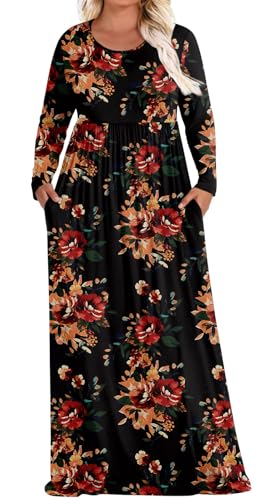
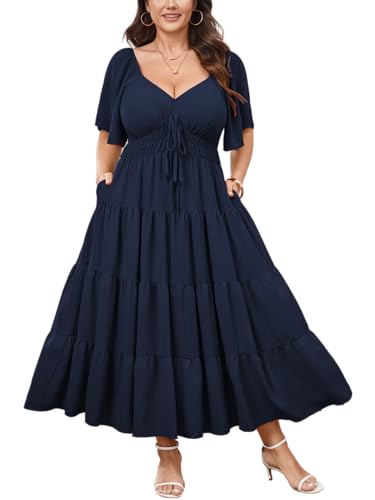
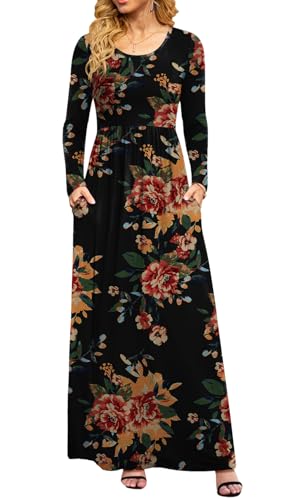
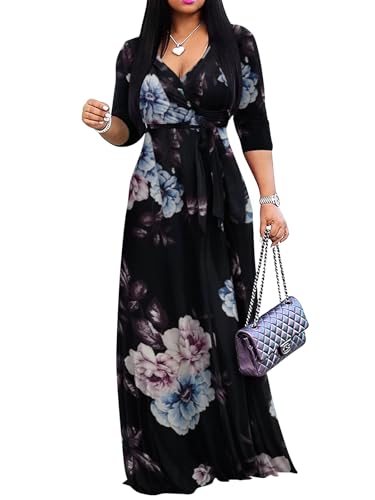
Casual Plus Size Maxi Dresses combine two concrete shopping requirements: extended-size availability and a true ankle-to-floor-length casual dress. The fit review needs to cover both size range and long-dress proportion. Compare bust, waist, hips, upper arms, torso, shoulder-to-hem length, skirt sweep, slit placement, fabric weight, and floor clearance for the exact seller variation. A plus-size keyword or a maxi keyword alone is not enough.
This collection should contain dresses that are genuinely available in plus sizes, are genuinely maxi length on the intended size range, and use casual rather than formal construction. Short dresses, straight-size-only listings, formal gowns, and sheer cover-ups should not qualify simply because a marketplace title stacks plus size, maxi, casual, beach, and party terms together.
Related shopping paths include casual plus size dresses, casual maxi dresses for women, long sleeve casual maxi dresses, casual dresses. Each page narrows the choice by a real wardrobe decision such as fit, length, fabric, color, season, or occasion, so shoppers can compare alternatives without treating every casual dress as interchangeable.
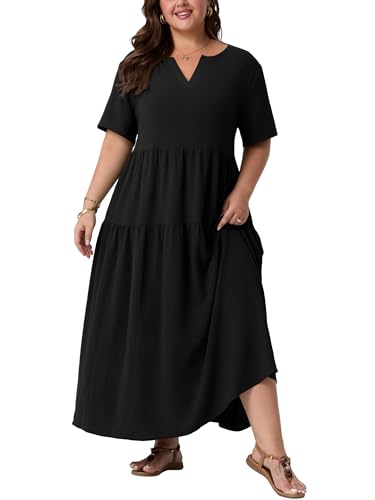
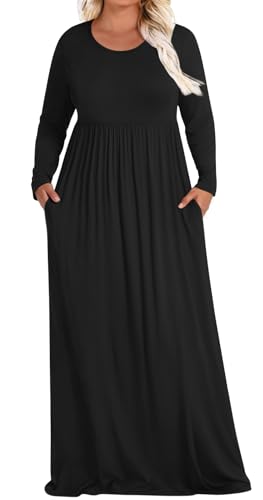
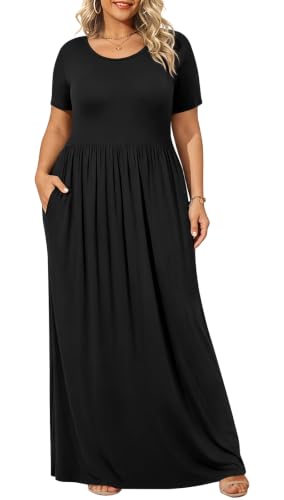



Frequently Asked Questions About Casual Plus Size Maxi Dresses
What counts as a casual plus size maxi dress?
The dress should be available in a verified plus-size range, fall around ankle to floor length, and use everyday casual construction rather than formal-gown or sheer cover-up styling.
How do I choose the right plus-size maxi length?
Use actual garment length, your height, torso proportion, curves, and shoe plan. Customer photos from shoppers with similar height can help, but measurements are more reliable than the maxi label alone.
Which measurements matter most?
Measure bust, waist, hips, shoulders, upper arms, torso, and preferred shoulder-to-hem length. Compare them with the exact seller chart and garment measurements when available.
Which fabrics work well for plus-size casual maxi dresses?
Cotton jersey, rayon blends, ponte, poplin, linen blends, sweater knit, and other casual fabrics can all work. Compare weight, stretch, recovery, opacity, lining, and care.
How should a maxi dress move?
It should allow a natural stride and remain manageable on stairs. Straight skirts may need stretch or a slit, while fuller skirts need enough sweep without becoming excessively heavy.
Can I wear flat shoes with a plus-size maxi dress?
Yes, as long as the hem clears the ground. Check the dress with the lowest shoe you plan to wear before deciding whether alteration is needed.
What should I verify before ordering online?
Confirm the exact plus-size availability, seller chart, garment length, fabric, lining, selected seller, pockets or slits, delivery date, return terms, and reviews with measurements and height.
Verify Both the Size Range and the Maxi Length
A product should satisfy both parts of the category. First confirm the selected seller actually offers the needed plus size. Then check garment length, model information, and customer photos to see whether the dress remains ankle or floor length on the body. Some listings use one sample length across all sizes, while others grade length. Do not assume either method without measurements.
Record bust, waist, hips, shoulders, upper arms, torso, and preferred shoulder-to-hem length. Curves and torso proportion can use more vertical fabric, so a dress with the right listed length may sit differently than expected. The goal is not for every maxi to touch the floor; it is for the hem to land where the design and wearer intend.
Check Bodice Support Before Focusing on the Long Skirt
A maxi can look dramatic in the skirt while fit problems start at the top. Check bra compatibility, neckline security, armhole coverage, strap width, shoulder placement, and bust room. Smocking and stretch panels can add flexibility but should recover evenly. Wrap fronts need enough overlap while seated, and button plackets should stay flat across the bust.
For sleeveless dresses, test side coverage with the intended bra. For fitted sleeves, measure the upper arm. For elastic or shirred bodices, wear the dress for several minutes to judge pressure. A long hem cannot compensate for a bodice that slips, digs, twists, or requires constant adjustment.
Choose Skirt Volume That Supports a Natural Stride
Plus-size casual maxis can be straight, A-line, tiered, wrap, empire, fit-and-flare, or body-skimming. Each shape handles movement differently. A straight knit may need stretch or a slit; a tiered dress offers width but can add fabric weight; a wrap skirt may open in wind; an A-line woven skirt needs enough sweep through the hips and thighs.
Walk at full pace, climb a step, and sit before removing tags. Check whether the skirt catches between the knees or pulls forward from the waist. If the dress has a slit, test seated exposure. Movement should come from the pattern and fabric, not from sizing up until the bodice and shoulder proportions stop fitting.
Use Fabric Weight to Balance Drape and Heat
Long dresses use more fabric, so weight becomes important. Cotton jersey and rayon blends can drape softly but may grow if the knit lacks recovery. Ponte is more structured but can feel warm. Poplin and linen blends can create airflow but may wrinkle. Sweater knit adds warmth but can become heavy. Choose fabric based on climate, care, and how many hours the dress will be worn.
Opacity also changes under stretch. Pale knit can become more transparent across the hips or seat, while unlined woven fabric may show light through the skirt outdoors. Test in daylight and, if photographs matter, with flash. A lining can solve coverage but also add warmth and static, so it should be evaluated as part of the full dress rather than an automatic quality marker.
Measure Waist Placement and Torso Proportion
Empire, natural, drop, and smocked waists sit at different points. Plus-size grading does not guarantee the vertical proportions will match every torso. If the waist seam is too high, the skirt can project forward and the bodice can pull. If it is too low, excess fabric may collapse above the hips. Measure shoulder to preferred waist when a fitted seam defines the silhouette.
Belts and drawstrings should meet the body where they can stay comfortably through sitting. A belt that constantly climbs toward the bust is not functioning as intended. In a wrap maxi, tie placement should align on both sides. In a tiered style, check where the first seam begins because it affects both proportion and skirt movement.
Plan Hem Clearance for Flats, Sandals, and Boots
A casual maxi should work with the shoes you actually wear. Test the lowest footwear first because it gives the least clearance. Sneakers and flat sandals need the hem off the ground; boots need enough opening to avoid catching the fabric. Wedges or low heels can solve a slightly long hem, but they should not be required if you do not want to wear them.
Stairs, curbs, escalators, wet pavement, and car doors all make long hems more demanding. If the dress is ideal everywhere except length, hemming may be worthwhile, but check whether the design has a border print, ruffle, lace edge, or curved hem that raises alteration cost. Length should be part of the purchase decision, not a problem postponed until after the return window.
Use Pockets and Adjustable Features Without Distorting the Drape
Pockets are valuable in everyday dresses, but deep side-seam pockets can pull the skirt when loaded. Patch pockets may be more stable but change the visual line. Adjustable straps, tie waists, drawstrings, elastic panels, and removable belts can improve fit when they are strong enough for repeated use. Hardware should not dig into the body when sitting.
Check pocket opening position and whether the lining shows. Test ties at the desired waist level. If a dress uses smocking for most of its fit range, confirm the elastic returns after stretching. Functional details are only useful when they remain functional across the size range rather than being scaled cosmetically.
Style the Maxi Without Hiding or Correcting the Body
There is no requirement that plus-size shoppers use dark colors, vertical prints, belts, or long layers. Choose styling based on personal preference, weather, and the dress. Sneakers can make a knit maxi casual, flat sandals can suit warm-weather styles, and ankle boots can extend long-sleeve dresses into cooler months. Cropped, hip-length, and long outer layers can all work depending on proportion.
Start with pieces you already enjoy wearing. A solid maxi can support a bold bag or jacket, while a printed or tiered dress may need very little extra. The useful question is whether the outfit remains comfortable and balanced during the actual day, not whether it follows a rule designed to make the body appear smaller.
Shop Marketplace Listings With Extra Verification
This intersection category is vulnerable to broad product titles. A listing may say plus size maxi casual even when the selected variation changes seller, size range, length, or fabric. Confirm the exact size option, color, seller, material, garment length, lining, and return policy before ordering. A review for size XL is not automatically evidence for a 3X variation.
Customer reviews become far more useful when they include body measurements, height, purchased size, shoe height, and whether the hem touched the ground. Look for comments on bust room, upper arms, elastic pressure, skirt weight, and washing. Those details help predict fit across a long garment more than generic statements such as flattering or true to size.
Compare the Parent Plus-Size and Maxi Collections
Use Casual Plus Size Dresses when length is flexible and size range is the main requirement. Use Casual Maxi Dresses for Women when you want the broadest long-dress assortment and can then verify size availability product by product. Long Sleeve Casual Maxi Dresses is the better path when sleeve coverage drives the purchase. The full casual hub supports shoppers whose priorities are still open.
That is enough for a focused intersection page, but every product needs both attributes. If size range or maxi length drifts, the page quickly becomes less useful than either parent category.
Shortlist Plus-Size Maxis With Two Fit Checks, Not One
First solve the upper body: bust, shoulders, straps or sleeves, armholes, waist placement, and closure. Then solve the long lower half: hip ease, skirt sweep, slit, garment length, and floor clearance. Add fabric weight, opacity, pockets, care, climate, and shoes. Test the whole dress while sitting, walking, climbing stairs, and wearing the planned underlayers.
Keep the maxi when the size range is verified, the bodice stays secure, the skirt allows a natural stride, and the hem works with practical footwear. A strong casual plus size maxi dress should provide long-dress ease without turning either the fit or the length into a constant management task.