
Casual Plus Size Dresses
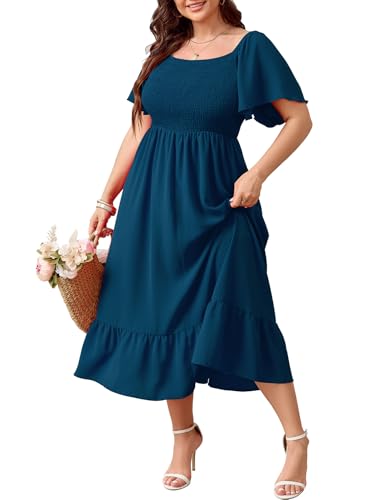
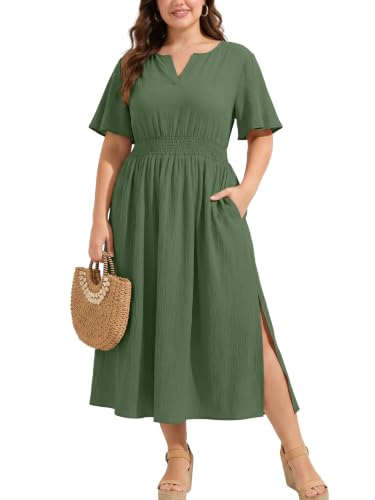
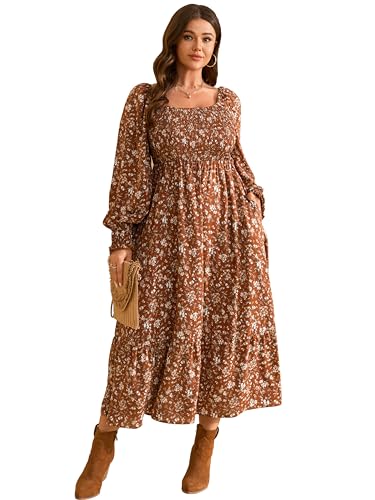
Casual Plus Size Dresses focus on everyday dresses offered in extended or plus-size ranges, with enough information to compare proportion, ease, stretch, support, coverage, and seller-specific sizing instead of relying on a plus-size label alone. For U.S. shoppers, size numbers are not standardized across brands. A useful comparison starts with body and garment measurements, then looks at fabric recovery, bust room, waist placement, hip ease, upper-arm space, length, pockets, closures, and return terms. The goal is a dress that fits the wearer and the day, not a category built around body-shape rules.
Plus size describes a retailer size range, not one body type or one preferred silhouette. This collection can include fitted, flowy, wrap, shirt, T-shirt, knit, midi, mini, and maxi casual dresses when the selected product genuinely offers the advertised extended sizes. Products should not be tagged plus size when only straight sizes are available, and formal gowns should not dominate an everyday casual page.
Related shopping paths include casual plus size maxi dresses, plus size casual outfits, casual maxi dresses for women, casual dresses. Each page narrows the choice by a real wardrobe decision such as fit, length, fabric, color, season, or occasion, so shoppers can compare alternatives without treating every casual dress as interchangeable.
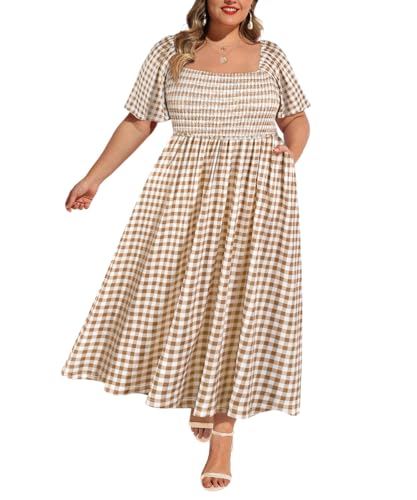
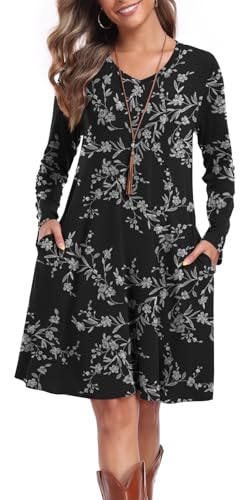
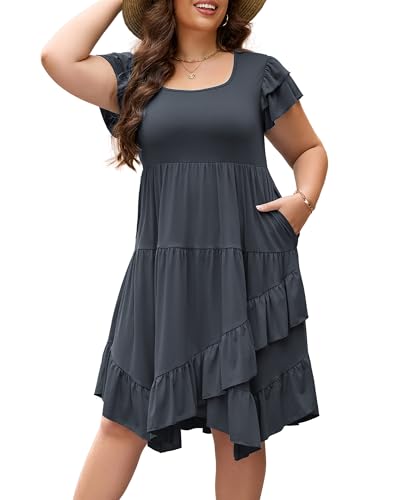
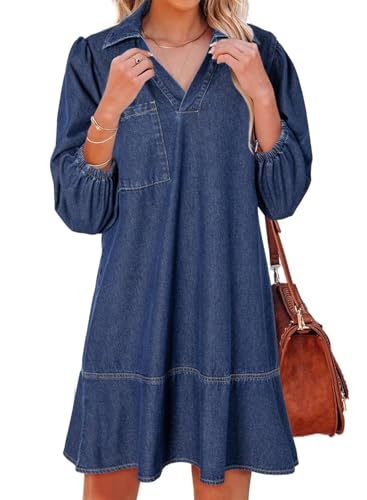
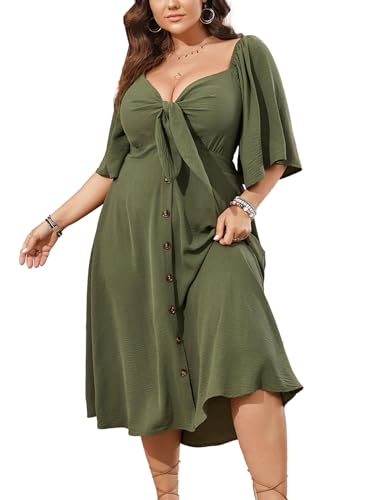
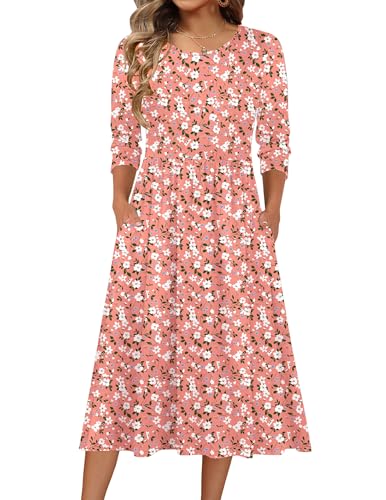
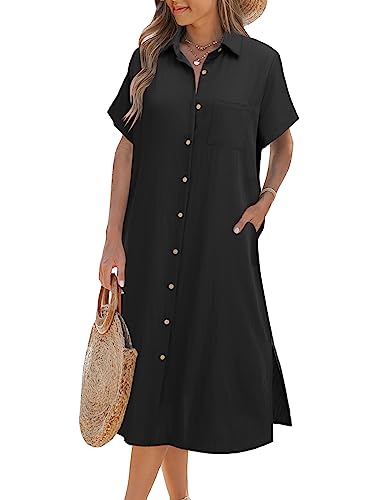
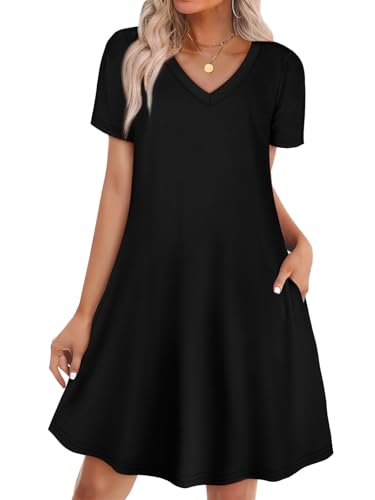




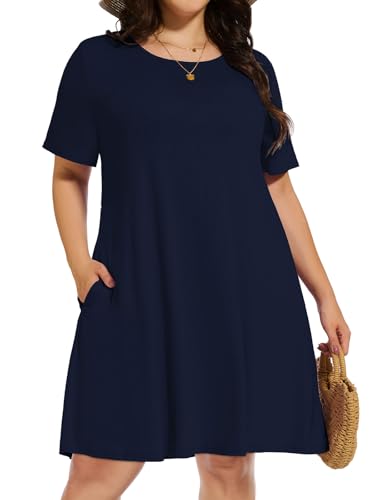
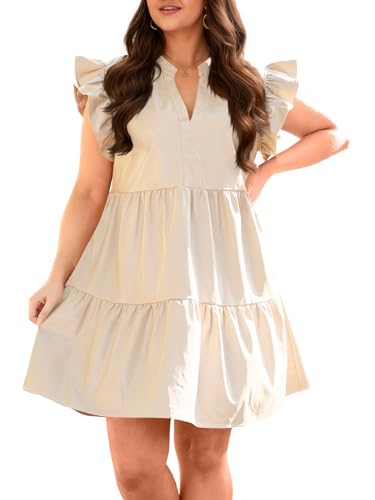


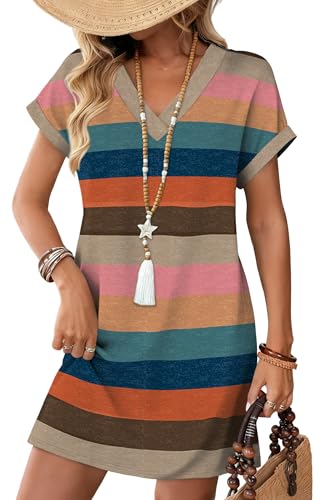

Frequently Asked Questions About Casual Plus Size Dresses
What sizes count as plus size dresses?
Retailers define plus size differently, so there is no single universal starting label. Check the exact seller range and measurement chart rather than assuming 1X, 14W, 16W, or another size means the same thing everywhere.
How should I choose a plus-size casual dress online?
Compare bust, waist, hips, shoulders, upper arms, torso, and length with the exact seller chart, then consider fabric stretch, ease, closures, lining, and return terms.
Should plus-size dresses always be loose?
No. Fitted, body-skimming, wrap, A-line, shirt, T-shirt, swing, midi, and maxi silhouettes can all work. Choose the amount of ease and structure you prefer for the fabric and activity.
Which fabrics are comfortable for plus-size casual dresses?
Cotton jersey, ponte, rib knit, rayon blends, poplin, denim, sweater knit, stretch crepe, and linen blends can all work. Compare weight, stretch, recovery, opacity, and care.
How do I check if a dress will fit my upper arms?
Measure upper-arm circumference and compare with garment or seller measurements when available. Stretchy sleeves need recovery, while woven sleeves require enough built-in ease for bending and reaching.
Do plus-size maxi dresses need different fit checks?
Yes. In addition to bust, waist, hips, and arms, check torso length, shoulder-to-hem length, floor clearance, skirt sweep, and slit behavior.
What should I verify before ordering?
Confirm the exact available size range, seller chart, fabric, lining, closures, garment length, delivery date, return terms, and reviews that include measurements and purchased size.
Use Measurements Instead of Trusting the Plus-Size Number
A 1X, 2X, 18W, 20W, or another plus-size label can represent different measurements across brands and marketplaces. Record bust, underbust if support matters, waist, hips, shoulder width, upper-arm circumference, torso length, and preferred dress length. Then compare those numbers with the exact seller chart for the selected variation. If garment measurements are available, use them to estimate ease.
Pay special attention to the least flexible area. A woven shirt dress may need extra room at the bust and upper arms, while a fitted knit may depend on stretch through the hips. If measurements span sizes, choose based on the structure of the dress and what can be altered. Sizing should solve the garment pattern, not force the body into a generic rule.
Check Bust Fit, Armholes, and Shoulder Placement First
Many casual dresses fail before the waist is even considered. Button plackets can gap at the bust, armholes can cut in, and shoulder seams can sit too far inward or outward. These issues affect how the entire dress hangs. For wrap styles, confirm enough front overlap. For sleeveless styles, check bra coverage and side exposure. For fitted sleeves, measure the upper arm rather than guessing from overall size.
Built-in cups are not automatically supportive if they sit too high, too narrow, or too low. Smocked backs and stretch panels can add flexibility, but the elastic should recover without digging. Try the dress with the bra or base layer you actually plan to wear, because underlayers can change bust position, waist placement, and how a neckline sits.
Choose Ease by Silhouette and Activity
Ease is the difference between body measurements and garment measurements. A relaxed T-shirt or swing dress may use positive ease for movement, while a body-skimming knit may use little or negative ease because the fabric stretches. Neither is inherently better. The right amount depends on fabric recovery, silhouette, and whether the day involves driving, desk work, walking, travel, or long periods of sitting.
Test the dress after several minutes, not only when first zipped or pulled on. Elastic waists can become uncomfortable, rib knits can grow, and structured waistbands can press when seated. A dress that feels easy while standing may need more room at the waist or hips for normal movement. Comfort should be measured through use rather than inferred from a loose product photo.
Evaluate Fabric Weight, Stretch, and Recovery
Cotton jersey, ponte, rib knit, rayon blends, poplin, denim, sweater knit, stretch crepe, and linen blends all appear in plus-size casual dresses. Thin knits can feel soft but may cling or show undergarment edges. Dense ponte holds a cleaner line but may feel warmer. Woven poplin looks crisp but offers less stretch. Sweater knit can drape well but may become heavy in longer lengths.
When a listing says stretchy, look for fiber content such as elastane or spandex and read reviews for recovery. Fabric that stretches without returning can bag at the seat, elbows, or knees. For pale colors, check opacity at the fullest areas where fabric is under more tension. A comfortable plus-size dress needs enough material strength to support its intended fit.
Treat Waist Placement as a Proportion Question
Empire, natural-waist, drop-waist, wrap, and smocked dresses place visual structure at different points. The best location depends on the individual torso and the specific pattern, not on a claim that one waist style is universally flattering. If the waist seam lands several inches above or below the intended point, the skirt can pull forward or the bodice can blouse unpredictably.
Use torso length and shoulder-to-waist measurement when available. Belts should sit at a comfortable point without forcing the dress upward. In a wrap dress, the tie should meet the waist at the same level on both sides. In a tiered dress, check whether the first seam hits where you want visual volume to begin.
Check Hems, Slits, and Seated Coverage
Mini, knee, midi, and maxi labels are only starting points. Body height, curves, and pattern shaping can change where the hem sits. Check garment length and customer photos from shoppers with similar height when possible. Sit in a chair, climb a step, and walk at normal speed. Fitted skirts may rise, wrap fronts may open, and side slits may expose more when seated.
For maxi dresses, floor clearance matters. For short dresses, the relationship between hem and movement matters. The goal is not a prescribed modesty standard; it is predictable coverage for the setting and wearer. A dress is easier to enjoy when the hem behaves the way you expected without repeated pulling or planning every movement around it.
Use Pockets, Closures, and Adjustability as Fit Tools
Pockets are useful, but their placement can affect drape. Side-seam pockets may flare when loaded, while patch pockets can add visible structure. Adjustable straps, drawstrings, removable belts, smocking, and partial elastic can help fine-tune fit. Zippers and buttons should lie flat without strain. These details are functional only when they work with the body rather than creating pressure points.
If a product has a back zipper, test whether it can be used comfortably without stressing the fabric. If it has buttons, check the placket while sitting. For tie waists, make sure the tie is long enough to sit where intended. Small construction details often determine whether a dress becomes a repeat favorite or stays in the closet.
Build Everyday Outfits Without Hiding the Body
Plus-size styling does not require rules about disguising or minimizing the body. Choose layers and accessories for proportion, weather, and personal preference. Sneakers, sandals, loafers, boots, flats, denim jackets, cardigans, blazers, and utility jackets can all work. A fitted dress can be worn without a long cover layer, and a flowy dress does not need a belt unless the wearer wants one.
The useful styling question is whether the outfit supports the day. A cropped jacket can work with a high-waist dress, a long cardigan can add warmth to a straight silhouette, and a structured bag can polish a soft knit. Shop for comfort and repeatability instead of buying pieces to satisfy body-shape prescriptions.
Verify Extended Sizes on the Exact Product Variation
Marketplace listings sometimes display a plus-size keyword while the selected color or seller only offers straight sizes. Confirm the actual available size range, then open the chart tied to that seller. Reviews for another size system may not transfer. If a listing mixes XL, XXL, 1X, and numeric W sizes, do not assume the labels follow the same grading.
Before checkout, confirm fabric, lining, closure, delivery date, return eligibility, and whether returns carry shipping or marketplace conditions. A flexible return policy has extra value when trying a new size system. Customer reviews are most useful when they include measurements, purchased size, height, and comments about bust, arms, waist, hips, and length.
Compare Plus-Size Casual Dresses With More Specific Paths
Use the plus-size maxi category when long length is non-negotiable. Use plus-size casual outfits when the goal extends beyond dresses into a complete wardrobe look. The broader casual maxi page can help compare long silhouettes when size range is still open, while the casual dresses hub provides the widest assortment of everyday styles.
That is enough for a targeted collection, but the size availability should be checked at the variation level. A product should not remain simply because its title includes plus size when the current inventory no longer supports the range.
Shortlist by Fit Evidence, Not Body-Type Advice
Start with the seller chart and the dress construction. Filter by fabric, silhouette, sleeve, neckline, length, pocket needs, climate, and care. Compare measurements with the least flexible area, then test sitting, walking, reaching, stairs, and the underlayers or outerwear you plan to use. Check the dress after several minutes to judge elastic and stretch recovery.
Keep the dress when it fits the actual body comfortably, stays secure during movement, and works with repeat shoes and layers. The strongest plus-size casual dress is not defined by whether it hides, balances, slims, or follows a body-shape rule. It is defined by reliable measurements, sound construction, comfortable movement, and a style the wearer wants to repeat.