
Royal Blue Flower Girl Dresses for Weddings
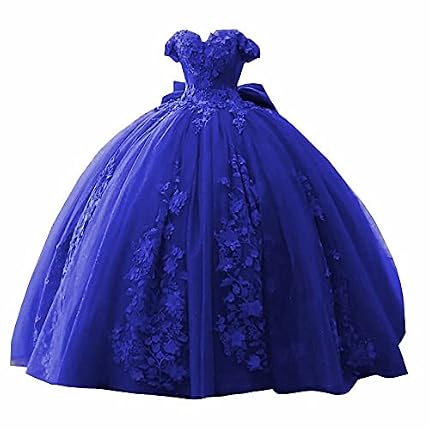
Royal blue flower girl dresses bring a vivid, formal color to weddings using sapphire, cobalt, navy, white, silver, gold, or bold jewel-tone palettes. The product grid below may include royal-blue satin, tulle, lace, A-line, tea-length, ball-gown, long-sleeve, and ivory-and-blue styles for toddlers and older girls.
Royal blue is more saturated than baby, dusty, or navy blue. It naturally becomes a focal point, so coordinate it with bridesmaid dresses, flowers, ribbons, suits, or decor rather than treating it as an isolated color. For a broader range, compare blue flower girl dresses; for a darker formal alternative, review navy flower girl dresses.
Check the retailer’s shade photos, fabric, lining, size chart, hem, seller, delivery, and return policy. Satin makes royal blue brighter, tulle softens it, and lace adds texture that may be easier to see in photographs.

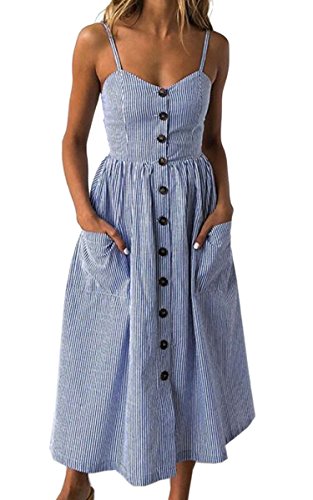
Eleter Women’s Deep V-Neck Lace Romper Short Sleeve Long Dress
Original price was: $69.99.$55.89Current price is: $55.89.






Frequently Asked Questions About Royal Blue Flower Girl Dresses for Weddings
What color is royal blue in a flower girl dress?
Royal blue is a bright, saturated blue that is lighter and more vivid than navy and stronger than dusty or baby blue. Retailer names vary, so compare customer photographs and fabric details.
What wedding colors go with royal blue?
Royal blue coordinates with white, ivory, silver, gold, blush, burgundy, yellow, black, and greenery. Repeat the color or accent elsewhere in the wedding so the flower girl looks connected.
Is royal blue suitable for a formal wedding?
Yes. Satin, organza, structured tulle, lace, and ball-gown silhouettes can make royal blue appropriate for formal evening, church, ballroom, and hotel weddings.
Should the flower girl match royal-blue bridesmaids exactly?
Exact matching is optional and often difficult across fabrics and brands. A tonal blue, ivory-and-blue dress, or matching sash can create deliberate coordination.
Which fabric works best in royal blue?
Satin looks bright and polished, tulle softens the shade, lace adds texture, and chiffon creates flow. Choose according to venue, season, and the child’s comfort.
How should I measure for a royal-blue flower girl dress?
Measure chest, waist, height, shoulder-to-hem, and sleeves when needed. Follow the exact retailer chart and use the intended shoes for a long dress.
What accessories suit royal blue?
White, ivory, nude, silver, gold, or blue shoes can work. Use a small floral crown, bow, ribbon, or simple headband and avoid excessive glitter.
How can I check the true shade online?
Compare product photos, customer images, fabric descriptions, and any swatches. View the dress in daylight beside bridesmaid fabric or decor before the return period closes.
What should I verify after clicking an affiliate product?
Check seller, current price, stock, delivery, returns, size chart, material, lining, closure, care, and included accessories on the final retailer page.
What Makes Royal Blue Distinct?
Royal blue is a strong, clear blue that sits between lighter blues and dark navy. Retailers may also use cobalt, sapphire, electric blue, or bright blue for nearby shades. These names are not standardized, so compare images and physical wedding references.
Because royal blue attracts the eye, decide whether the flower girl should wear full color or a neutral dress with blue accents. An ivory dress with a royal-blue sash provides traditional contrast; a complete blue gown creates a modern statement.
Royal Blue, Navy, and Dusty Blue
Navy acts almost like a dark neutral and may appear black indoors. Dusty blue is muted with gray undertones. Royal blue is brighter and more saturated. Mixing them can work when the wedding intentionally uses a range, but a near match between bridesmaid and flower girl fabric may look accidental.
Use the general blue flower girl collection when the exact shade remains open. Choose royal blue only after confirming that the palette supports its intensity.
Royal Blue Satin Dresses
Satin strengthens the color through reflective highlights. It suits evening, ballroom, church, and formal hotel weddings. A simple satin A-line dress with a bow may look polished without extra beading.
Check wrinkles, zipper tension, and lining. Blue satin can show water marks and pressure lines. Compare additional fabric-led designs under satin flower girl dresses.
Royal Blue Tulle Dresses
Tulle creates softer movement and child-friendly volume. An ivory bodice with royal-blue tulle can balance the color. Multiple blue layers may create depth, while a light overlay can reduce saturation.
Look for soft mesh, full lining, and a safe hem. Very full tulle skirts need space in the aisle and chair. Browse tulle flower girl dresses for related construction.
Lace, Embroidery, and Appliqué
Royal-blue lace adds visible pattern and can keep a dark photograph from losing detail. Ivory lace over blue lining creates contrast; tonal lace looks more formal. Check rough backing at armholes and necklines.
Butterflies, flowers, beads, and sequins should be securely attached and proportionate to the child. Avoid small detachable decorations for toddlers.
A-Line and Tea-Length Styles
A-line dresses allow movement and work across formal and semi-formal venues. Tea length helps younger children walk and keeps the hem away from the floor. Royal blue also highlights shoes, so choose a comfortable neutral or metallic pair.
Retailer length terms vary. Compare shoulder-to-hem measurements with the child’s height.
Ball-Gown and Princess Dresses
A full royal-blue skirt creates a dramatic princess look. This suits large venues and formal ceremonies when the child enjoys the volume. Check the weight, underskirt, waist, and ability to sit.
A tea-length ball gown can preserve the effect with less tripping risk. Floor-length designs are best for older children with accurate measurements.
Royal Blue and White Weddings
White and royal blue create crisp contrast. The flower girl may wear a white bodice with a blue sash or skirt, or full blue with white flowers. Repeat the blue in bouquets, ribbons, suits, or table decor.
For a more traditional base, compare white flower girl dresses. Avoid combining several mismatched blue accessories when the dress already provides the focal color.
Royal Blue With Silver or Gold
Silver creates a cooler, modern effect; gold adds warmth and formality. Use metallics through shoes, a small headband, or a narrow sash. Excess glitter can compete with the color and become uncomfortable.
Check whether metallic decoration is sewn, glued, or removable. Loose stones are unsuitable for young children.
Seasonal Styling
Royal blue works year-round. In spring and summer, lighter fabric and shorter hems prevent the color from feeling heavy. In fall, pair it with burgundy, mustard, or gold. In winter, silver, white, evergreen, and long sleeves can create a formal palette.
For cold weather, use a practical layer. Lace sleeves alone do not provide warmth. Compare long-sleeve flower girl dresses.
Coordinating With Bridesmaids
If bridesmaids wear royal blue, the flower girl can use the same color family in an age-appropriate silhouette. Exact fabric matching is difficult across brands, so consider a deliberately lighter or darker blue, or an ivory dress with a matching sash.
Photograph swatches and the dress together in daylight. Satin and chiffon can make the same dye appear different.
Photography and Venue Lighting
Royal blue remains visible in low light, but dark shadows can hide lace or folds. A defined waist, contrasting flowers, or lighter background helps preserve detail. Direct sunlight can intensify the blue.
Test the complete outfit with the photographer’s likely background if possible. Do not rely only on studio product images.
Measuring the Flower Girl
Measure chest, natural waist, height, shoulder-to-hem, and sleeve length where relevant. Follow the exact retailer chart. Do not order by age alone.
For long dresses, use the intended shoes. Allow enough time for exchange and hemming, particularly when multiple tulle layers or lace edges complicate alterations.
Comfort and Movement
Check lining, armholes, zipper backing, waistbands, and appliqués. Have the child sit, walk, bend, raise her arms, and carry the basket. A beautiful color does not compensate for scratching or restricted movement.
- Keep the hem clear of shoes.
- Secure bows and sashes.
- Avoid loose beads for young children.
- Use broken-in shoes with grip.
- Pack a reception outfit if the dress is elaborate.
Accessories
White, ivory, nude, silver, gold, or matching blue shoes can work. Comfort is more important than an exact match. A small floral crown, bow, ribbon, or pearl-like headband may complete the look.
Consider the basket and bouquet in the styling. White flowers can create contrast, while blue flowers may blend into the dress.
Shopping Through an Affiliate Page
MotherBrideDress.com links to third-party retailers, including Amazon. The retailer controls current price, seller, stock, shipping, product details, and returns.
Review the size chart, material, lining, closure, included accessories, care, and recent customer photos. Marketplace titles may use “royal blue” for several neighboring shades.
Ordering and Care
Order early enough for inspection and exchange. Unpack promptly, compare the shade with wedding references, and test the full fit. Follow the care label before steaming or washing.
Store the dress in a breathable garment bag away from moisture and sunlight. Keep a lint roller and stain-safe emergency item available.
Common Royal Blue Mistakes
- Confusing royal blue with navy or dusty blue.
- Expecting separate brands to match exactly.
- Overloading the outfit with metallic accessories.
- Choosing a full skirt without testing seating.
- Ordering by age instead of measurements.
- Ignoring how satin changes under light.
- Leaving hemming until the final week.
- Failing to verify the live seller and return policy.
Choose a Royal Blue Dress With Intentional Contrast
The right royal blue flower girl dress supports the wedding palette, fits the child, and remains practical through the ceremony and reception. Select the fabric and silhouette based on venue and season, then confirm measurements and retailer details.
Return to flower girl dresses or compare blue, navy, satin, tulle, lace, and white categories for related options.
Royal Blue for Different Wedding Venues
In a ballroom, satin and structured tulle reinforce the color’s formality. In a church, secure sleeves, a modest neckline, and a manageable hem may matter more than skirt volume. For a garden, lighter tulle or an A-line dress reduces heat and grass contact. At a beach or destination venue, bright blue can echo the setting, but wind, sand, and travel favor a shorter, softer dress.
Choose for the real surface and temperature. A product photographed on a studio floor may not function on steps, grass, gravel, or sand.
Ivory-and-Royal-Blue Designs
A two-color dress can reduce the visual weight of royal blue. Common combinations include an ivory bodice with a blue sash, blue tulle beneath ivory lace, or a white skirt with a royal-blue bow. This approach connects the flower girl to both the bride and the color palette.
Check whether the sash is sewn in, removable, or tied separately. Long loose ribbons should be shortened or secured for young children.
Choose by Age and Ceremony Role
A toddler who carries petals needs a shorter hem and simple closure. An older flower girl may manage a floor-length gown, bouquet, or sign. If the child will be carried, ride in a wagon, or stand only for photographs, avoid bulky back bows that press against a seat or caregiver.
Practice the actual role in the complete outfit. The basket, flowers, and walking pace can reveal problems the fitting alone does not show.
Blue Dye and Light Fabrics
Dark or saturated dye may transfer when wet, particularly against white accessories. Keep the dress dry during transport and avoid pressing damp blue fabric against the bridal gown. Follow the care label and do not experiment with stain products on the wedding day.
Pack a white cloth, lint roller, safety pins, and a replacement ribbon. Any emergency item should be used by an adult and kept away from the child when not needed.
Prepare the Dress for the Processional
After steaming or pressing according to the label, hang the dress with enough room for the skirt. Dress the child after eating when practical. Check the zipper, sash, shoes, and basket immediately before the ceremony.
A simple backup outfit allows the child to play at the reception and protects an elaborate gown after formal photographs.
Check Color Transfer and Cleanliness
Saturated blue fabric may release dye when wet or rubbed, especially if the care quality is uncertain. Keep the dress dry and separate from white garments during transport. Test a hidden area only according to the care instructions; do not perform an unapproved wash before the wedding.
Royal blue also shows light lint and dust. Pack a lint roller, inspect the skirt before photographs, and keep the dress away from chalky floors or pale pet hair.
Make the Final Fitting a Rehearsal
Use the intended shoes, socks or tights, hairstyle, sash, basket, and outer layer. Have the child enter a doorway, sit in a similar chair, turn, and walk slowly while carrying the ceremony item. This confirms that the dress and role work together.
Take front, side, and back photographs in daylight. Check hem clearance and whether the blue remains distinct against the venue background.