
White Flower Girl Dresses
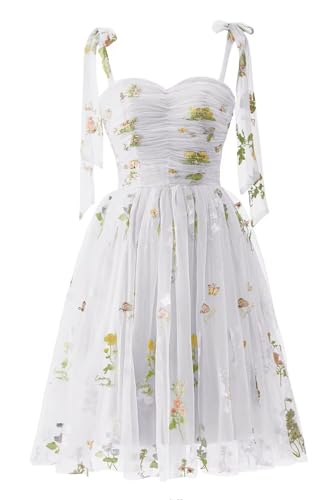
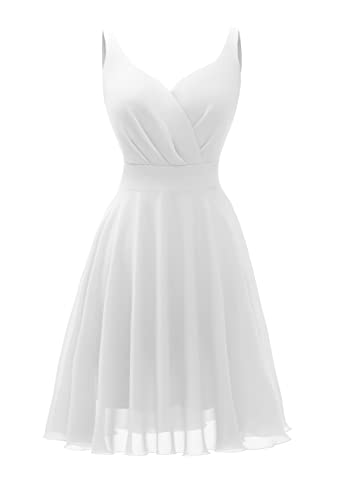
White Flower Girl Dresses should be selected around the child, ceremony role, and received garment rather than the seller title alone. This collection centers on flower girl dresses in white or clearly white-dominant fabric, selected with the couple’s approval for the ceremony and distinguished from ivory, cream, and bridal-gown construction. For U.S. wedding shopping, compare the exact selected variation, child-specific size chart, lining, closures, delivery estimate, and return terms before ordering.
Keep this category separate from ivory and cream when the wedding requires true white, adult bridal gowns, first-communion dresses not suitable for the wedding plan, casual white sundresses, and white products with poor opacity or transparent lining. Useful constructions include white satin, tulle, lace, chiffon, organza, crepe, embroidered mesh, eyelet in formal construction, and fully lined mixed-fabric dresses. The most important fit checks are height, chest, waist, torso, lining coverage, underlayer visibility, seam show-through, waist comfort, hem clearance, dirt exposure, and whether white fabric becomes transparent when stretched or photographed with flash. A flower girl dress has to work through the aisle, photographs, sitting, meals, and reception movement without becoming scratchy, heavy, loose, transparent, or unsafe underfoot.
Related shopping paths include ivory flower girl dresses, wedding flower girl dresses, satin flower girl dress, and flower girl dresses. Use these collections to compare a real change in color, fabric, wedding role, or construction rather than assuming every formal dress for a child serves the same purpose.



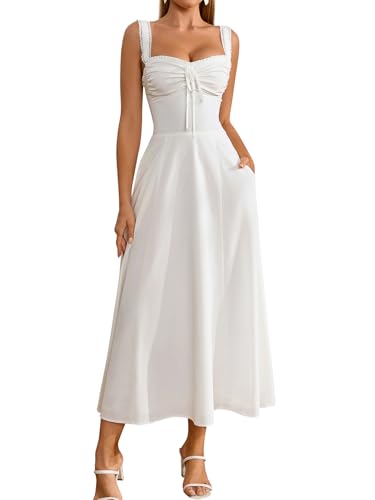
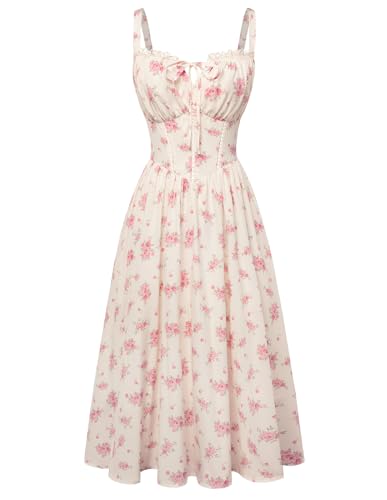
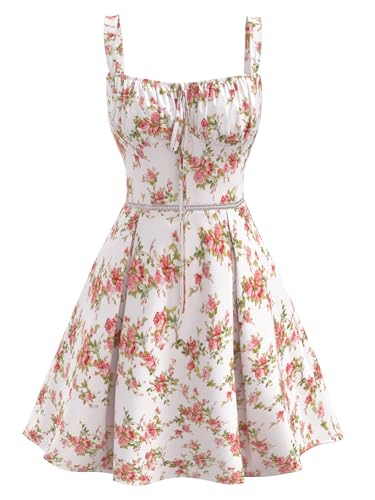
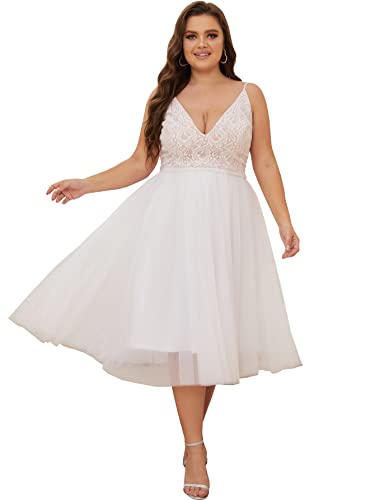


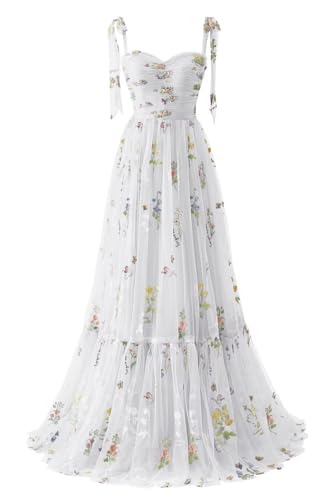


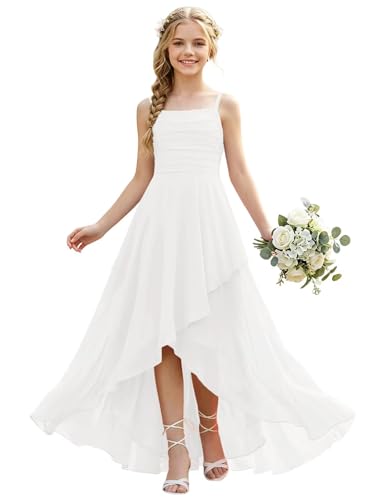

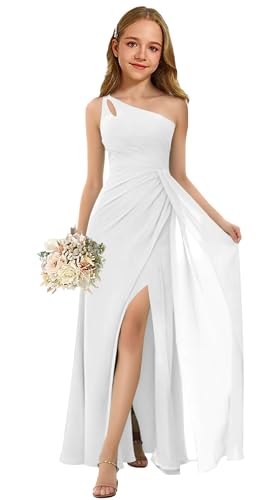




Frequently Asked Questions About White Flower Girl Dresses
What qualifies as white Flower Girl Dresses?
The selected dress should match the actual category definition: flower girl dresses in white or clearly white-dominant fabric, selected with the couple’s approval for the ceremony and distinguished from ivory, cream, and bridal-gown construction. Check the received color, fabric, child sizing, and wedding role rather than relying on a broad seller title.
Which measurements should I take before ordering?
Measure height, chest, waist, shoulders, torso length, and shoulder-to-hem length. For this category also check height, chest, waist, torso, lining coverage, underlayer visibility, seam show-through, waist comfort, hem clearance, dirt exposure, and whether white fabric becomes transparent when stretched or photographed with flash.
How much growth room should a flower girl dress have?
Allow enough ease for expected growth, but not so much that the neckline slips, armholes gape, waistband rotates, or hem becomes a trip hazard. Recheck measurements close to the wedding. For white, verify true-white versus ivory, flash opacity, seam show-through, and underlayer visibility beside the bridal fabric.
How should we test the dress before alterations?
With tags attached and final shoes on, walk, sit, bend, climb steps, carry petals, dance, and take flash photos while checking opacity, lining position, hem safety, and whether the dress picks up floor dirt too quickly. Also test sitting, restroom access, and a few minutes of continuous wear for scratch or pressure.
What fabrics need the most comfort checks?
Pay close attention to white satin, tulle, lace, chiffon, organza, crepe, embroidered mesh, eyelet in formal construction, and fully lined mixed-fabric dresses. Inspect lining, underarm edges, waist seams, embellishment backing, stiffness, heat, and snag points where the fabric touches skin.
When should we order the flower girl dress?
Order early enough for shipping, one exchange, and minor alterations, but avoid irreversible tailoring so early that normal childhood growth makes the finished fit wrong by the wedding date. For white, verify true-white versus ivory, flash opacity, seam show-through, and underlayer visibility beside the bridal fabric.
What should we verify before keeping the dress?
Confirm the exact seller and variation, child-specific size chart, color, fabric, lining, closures, decoration security, hem clearance, comfort, delivery accuracy, and return eligibility before removing tags. For white, verify true-white versus ivory, flash opacity, seam show-through, and underlayer visibility beside the bridal fabric.
Define the Category From the Received Dress
White Flower Girl Dresses should match flower girl dresses in white or clearly white-dominant fabric, selected with the couple’s approval for the ceremony and distinguished from ivory, cream, and bridal-gown construction. Product titles on large marketplaces can combine color, age, party, pageant, bridesmaid, communion, and wedding terms even when the selected variation does not match all of them. Review the selected color chip, fabric description, front and back photographs, and age range before treating a product as a category match.
This page should exclude ivory and cream when the wedding requires true white, adult bridal gowns, first-communion dresses not suitable for the wedding plan, casual white sundresses, and white products with poor opacity or transparent lining. That boundary matters commercially because families need a shortlist that is safe and wedding-ready, not a search-results dump. When a dress only partially matches the phrase, follow the actual garment construction and the child’s role instead of the most generous seller keyword.
Measure Near the Order Date
Measure the child’s standing height, chest, natural waist, shoulder width, torso length, and shoulder-to-hem length in light clothing. For white Flower Girl Dresses, pay extra attention to height, chest, waist, torso, lining coverage, underlayer visibility, seam show-through, waist comfort, hem clearance, dirt exposure, and whether white fabric becomes transparent when stretched or photographed with flash. Compare those numbers with the exact seller chart. Age labels such as 4T, 6, 8, 10, or 12 are not standardized garment measurements.
If the wedding is several months away, allow modest growth room without creating a loose neckline or dragging skirt. Adjustable sashes, elasticized backs, and A-line skirts can tolerate some change, but oversized armholes and floor-sweeping hems are not useful growth allowance. Re-measure before the return window closes if the dress was purchased early. For white, verify true-white versus ivory, flash opacity, seam show-through, and underlayer visibility beside the bridal fabric.
Make the Lining and Seams Pass a Skin Test
Run a hand along the inside neckline, underarms, waist seam, zipper guard, sleeve edge, and skirt lining. Fabrics common to this category include white satin, tulle, lace, chiffon, organza, crepe, embroidered mesh, eyelet in formal construction, and fully lined mixed-fabric dresses. Decorative outer layers can be beautiful while the interior seam allowance, glitter backing, lace edge, or stiff netting becomes uncomfortable after an hour.
Have the child wear the dress for at least ten to fifteen minutes indoors before removing tags. Ask about scratch, pressure, heat, and slipping rather than only whether the dress looks nice. A soft full lining, covered zipper top, smooth waist seam, and flexible arm opening often matter more over a full wedding day than one extra decorative layer. For white, verify true-white versus ivory, flash opacity, seam show-through, and underlayer visibility beside the bridal fabric.
Rehearse the Exact Wedding Movements
Do a practical movement rehearsal in the intended shoes: walk, sit, bend, climb steps, carry petals, dance, and take flash photos while checking opacity, lining position, hem safety, and whether the dress picks up floor dirt too quickly. Repeat parts of the test after the child has been in the dress for several minutes, because waistbands, tulle layers, straps, and sleeves can settle. The dress should return to position without repeated adult adjustment.
Also test vehicle entry, chairs, a doorway, and restroom access. Flower girls often move from a quiet ceremony to photos and then a much less structured reception. A design that works only while standing still is not a strong choice for a child who may need to walk quickly, sit on the floor briefly, or dance with family. For white, verify true-white versus ivory, flash opacity, seam show-through, and underlayer visibility beside the bridal fabric.
Set Hem Length Around the Venue and Shoes
Try the final shoes with the dress and watch the front hem while the child walks naturally. Knee and tea lengths usually simplify movement, while ankle and floor lengths need careful clearance. Outdoor venues add grass, gravel, sand, damp ground, steps, and thresholds that can change how a long skirt behaves. For white, verify true-white versus ivory, flash opacity, seam show-through, and underlayer visibility beside the bridal fabric.
If hemming is needed, inspect the outer layer and lining separately. Lace borders, scallops, sequins, appliqués, and multiple tulle layers can make a seemingly simple hem more expensive. For growing children, a clean shorter hem can be safer and more useful than buying extra length that must later be rebuilt. For white, verify true-white versus ivory, flash opacity, seam show-through, and underlayer visibility beside the bridal fabric.
Judge Color and Texture in Wedding Lighting
White varies from optic white to softer neutral white. Confirm that the couple wants white rather than ivory, then compare the flower-girl fabric beside the bridal fabric so the shades look intentional in family photographs. Place the dress beside any approved bridesmaid swatch, suit fabric, sash, ribbon, or floral sample and photograph them together without a filter. Comparing several pieces in one frame is more reliable than comparing separate retailer screenshots.
Possible coordinating directions include white with pearl, silver, champagne, blush, dusty blue, navy, sage, soft gold, or a wedding-specific sash approved by the couple. Use those as starting points, not rules. The actual undertone, surface shine, bridal-party colors, and venue lighting should decide whether a sash, shoe, cardigan, or hair accessory looks connected to the wedding rather than introducing a second competing palette.
Control Bows, Appliques, Glitter, and Other Details
Check every bow, bead, sequin, rhinestone, flower, sash, button, and detachable decoration that appears on the selected dress. Tug lightly where appropriate and inspect the inside backing. Hard knots, sharp thread, exposed plastic, scratchy sequin tape, and loose pieces are more important to a child’s comfort than the amount of decoration visible in a product photo. For white, verify true-white versus ivory, flash opacity, seam show-through, and underlayer visibility beside the bridal fabric.
Detail should also suit the child’s age and the wedding plan. Large back bows can press against chairs, long sash tails can trail near shoes, and dense front appliqués can make bending awkward. For younger flower girls, fewer secure details often produce a more usable dress than maximum embellishment. For white, verify true-white versus ivory, flash opacity, seam show-through, and underlayer visibility beside the bridal fabric.
Plan Underlayers and Weather Before the Event
Test underwear, undershorts, tights, socks, slips, and any cardigan, bolero, or light jacket with the dress. Pale or sheer fabrics may reveal underlayers; tulle can cling to tights; structured satin and dense layered skirts can feel warmer than expected. Outdoor ceremonies may also need a removable layer that does not crush the bodice or snag embellishment. For white, verify true-white versus ivory, flash opacity, seam show-through, and underlayer visibility beside the bridal fabric.
For warm weather, check breathability around the waist, back, and underarms. For cool weather, make sure the added layer still allows the child to carry petals and move the arms. Shoes should be broken in before the wedding, with a second comfortable pair available when the formal pair is not suitable for a long reception. For white, verify true-white versus ivory, flash opacity, seam show-through, and underlayer visibility beside the bridal fabric.
Coordinate Multiple Children Without Forcing Identical Fit
When two or more flower girls are involved, decide which elements actually need to match: color, fabric, sash, hem range, or overall silhouette. Children of different ages may need different necklines, sleeve lengths, and skirt volumes. Visual coordination can remain strong even when the dresses are not identical. For white, verify true-white versus ivory, flash opacity, seam show-through, and underlayer visibility beside the bridal fabric.
Use one approved color reference and record each child’s seller, variation, size, and delivery date. If matching exactly is important, order close together and compare delivered dresses before alterations. If a younger child needs a simpler version for safety or sensory comfort, keep one visible anchor such as color or sash rather than forcing the same complex construction. For white, verify true-white versus ivory, flash opacity, seam show-through, and underlayer visibility beside the bridal fabric.
Order Early, but Do Not Alter Too Early
Save the product page details at checkout, including seller, selected color, fabric, size chart, expected delivery, and return terms. Marketplace listings can change under the same title. Order early enough to survive one incorrect size or unsuitable variation, but delay irreversible tailoring until the child’s current measurements and final shoes are available. For white, verify true-white versus ivory, flash opacity, seam show-through, and underlayer visibility beside the bridal fabric.
Before the return window closes, inspect zipper operation, missing decoration, lining, seams, color, and overall fit. If several areas are wrong at once, an exchange is often more practical than extensive child-formalwear alterations. Keep tags attached during the first fit and movement checks. For white, verify true-white versus ivory, flash opacity, seam show-through, and underlayer visibility beside the bridal fabric.
Use Internal Links to Compare One Decision at a Time
Related paths include ivory flower girl dresses, wedding flower girl dresses, satin flower girl dress, and flower girl dresses. A useful comparison changes one decision dimension, such as color, fabric, theme, or wedding role. Moving between highly overlapping pages without a clear distinction makes it harder for families to understand which collection actually fits the child’s needs.
For white Flower Girl Dresses, start with role and fit, then compare the nearest color or fabric page only when that variable is genuinely undecided. The parent flower girl collection is the better reset point when the family needs to reconsider several dimensions at once.
Audit the Product Grid for Child-Role Accuracy
The exact live result count for this URL could not be parsed reliably during the 2026-08-16 verification, so the total should be rechecked directly before publication. Sample products beyond the first row and verify the selected variation, not just the title or thumbnail. A qualifying product should match the stated color, material, or theme and still function as children’s wedding attire. For white, verify true-white versus ivory, flash opacity, seam show-through, and underlayer visibility beside the bridal fabric.
Remove adult formalwear, unrelated casual dresses, costumes, and neighboring colors that enter through broad marketplace tagging. Long copy cannot compensate for a product grid that contradicts the category. A smaller accurate collection is more useful than a large set where parents must manually filter obvious mismatches. For white, verify true-white versus ivory, flash opacity, seam show-through, and underlayer visibility beside the bridal fabric.
How to Shortlist White Flower Girl Dresses
Start with the couple’s requested color and ceremony plan, record the child’s current measurements, then filter by fabric feel, lining, hem, sleeve or neckline, shoe clearance, weather, delivery, and return terms. Keep only dresses that pass the skin, movement, and aisle tests in the actual selected variation. For white, verify true-white versus ivory, flash opacity, seam show-through, and underlayer visibility beside the bridal fabric.
The strongest white Flower Girl Dresses choice should let the child walk, sit, carry petals, pose for photos, eat, and dance without pain or constant correction. That practical standard is more useful than choosing by age label, product title, or the fullest skirt in the grid.