
Beach Flower Girl Dresses for Weddings
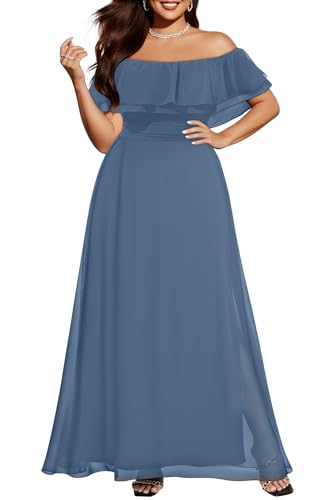
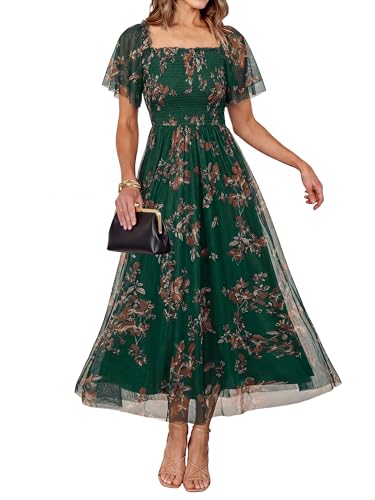
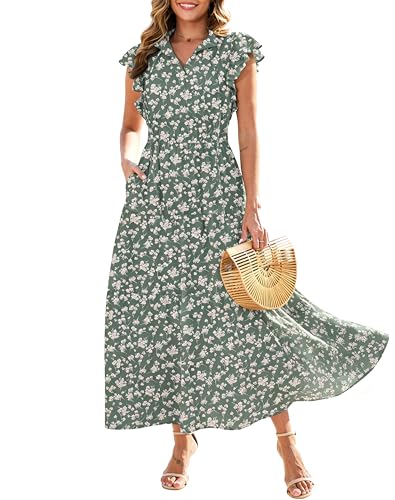
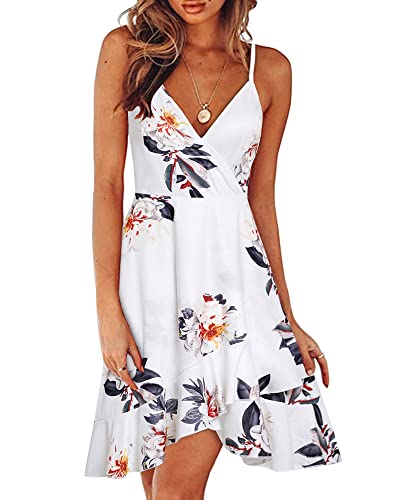
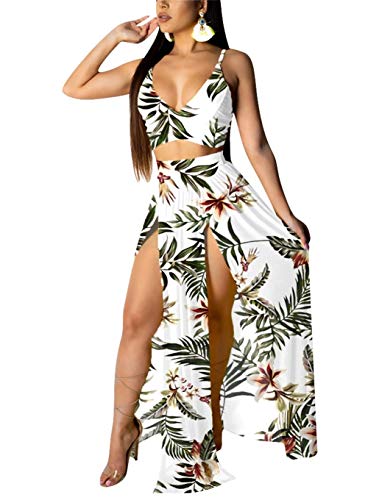
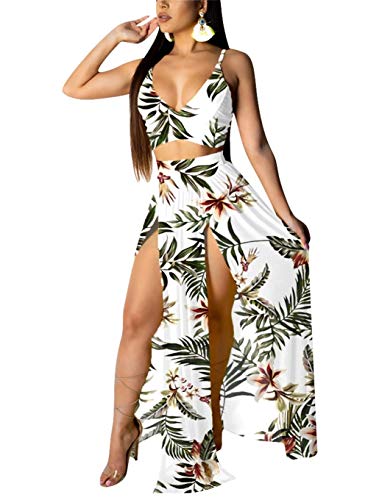
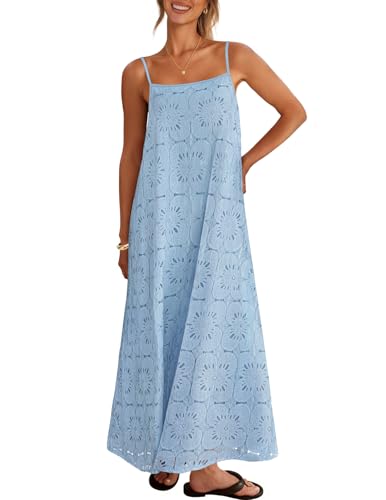
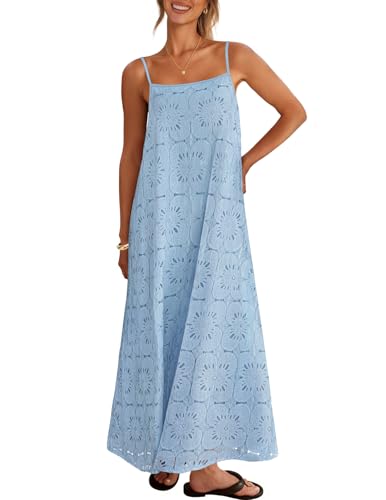
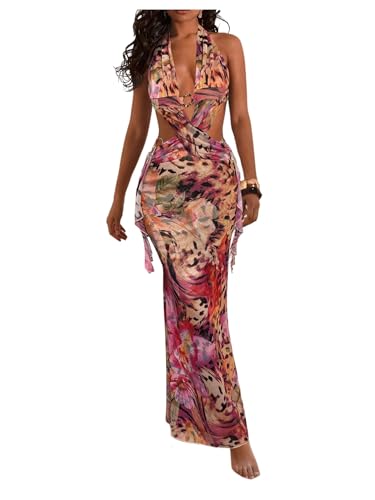
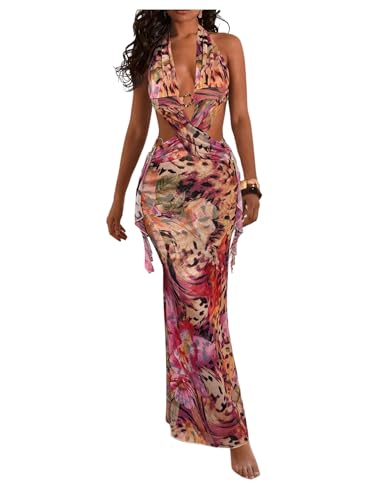
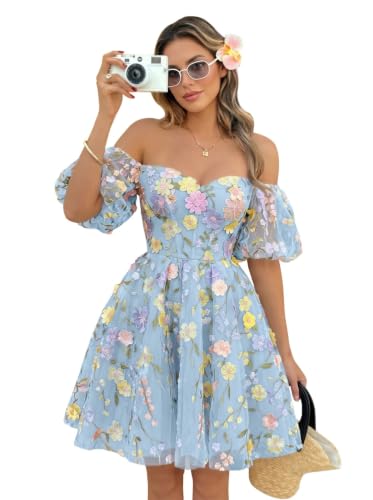
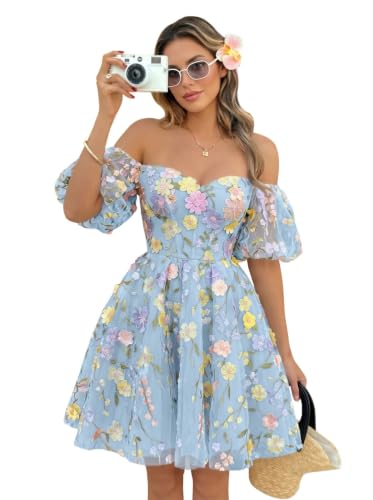
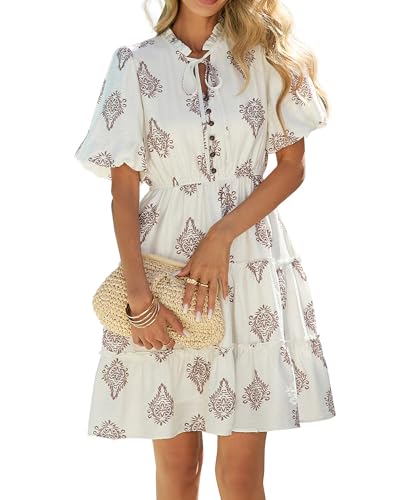
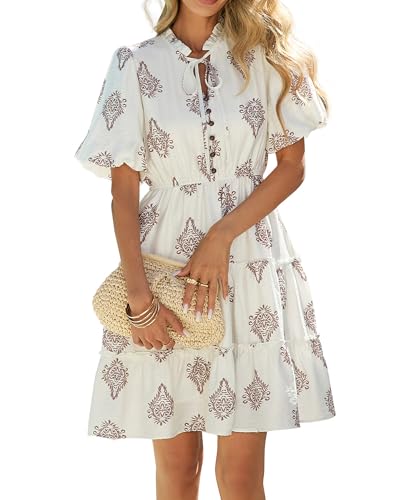
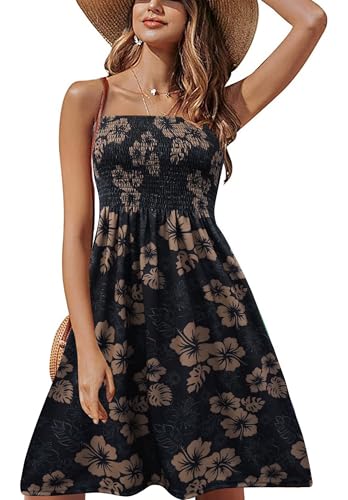
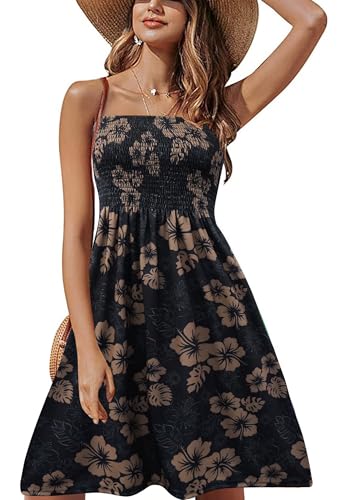
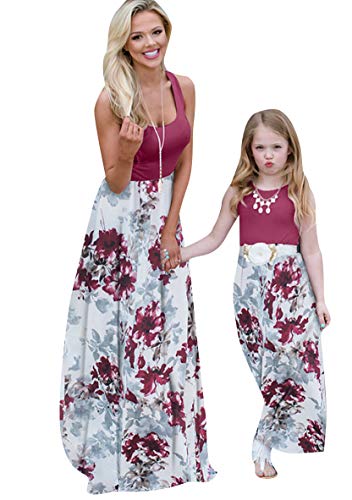
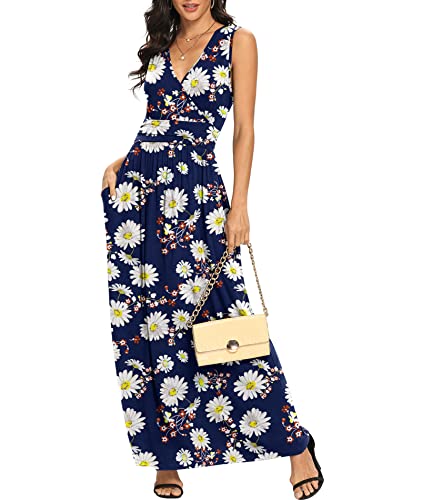
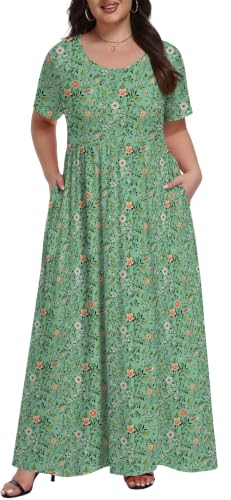
Beach flower girl dresses must look wedding-ready while handling sand, wind, heat, humidity, travel, and uneven ground. Compare lightweight chiffon, soft tulle, lace, cotton blends, tea-length, knee-length, flowing A-line, sleeveless, ivory, champagne, blush, blue, and tropical styles.A rigid floor-length ball gown may photograph well in a studio but become difficult on sand. A lighter dress with breathable lining, secure straps, and a clear hem usually performs better. Compare boho flower girl dresses, champagne flower girl dresses, and blue flower girl dresses for coastal options.Verify measurements, lining, opacity, closures, seller, delivery, and returns before traveling. Plan packing, wrinkle removal, footwear, weather, and a backup outfit.


Frequently Asked Questions About Beach Flower Girl Dresses for Weddings
What dress is best for a beach wedding?
A lightweight A-line, knee-length, or tea-length dress with breathable lining and secure straps is practical.
Can she wear floor length?
She can, but it is difficult on loose sand and requires exact hemming; shorter lengths are usually safer.
What colors work?
Ivory, white, champagne, blush, dusty blue, aqua, sage, coral, and pale yellow suit coastal palettes.
What shoes work on sand?
Secure flat sandals, soft shoes, or protective venue-appropriate footwear.
How do I keep her comfortable?
Use light fabric, limited layers, shade, water, and a backup reception outfit.
How do I manage wind?
Choose adequate lining, secure straps, sensible skirt volume, and test the outfit outside.
How should I pack the dress?
Carry it when possible, keep accessories together, unpack promptly, and fit it before travel.
Are petals allowed?
Rules vary; confirm with the venue and use a bouquet, hoop, wand, or sign if petals are prohibited.
What should I verify online?
Check fabric weight, opacity, measurements, closure, seller, delivery, returns, care, and customer photos.
Start With the Actual Beach Surface
Confirm whether the ceremony is on loose sand, a boardwalk, resort lawn, deck, or indoor coastal venue. Each surface supports a different hem and shoe. Ask how far the child must walk and whether stairs are involved.
Also check ceremony time, shade, temperature, wind exposure, and whether the child will remain outdoors for photographs.
Beach-Friendly Fabrics
Chiffon is light and fluid, soft tulle gives gentle volume, lace supports boho styling, and cotton blends may suit casual ceremonies. Each needs adequate lining and secure construction.
Heavy satin and rigid underskirts are less practical directly on sand. If satin is important, consider a satin bodice with a lighter skirt and compare satin flower girl dresses.
Hems, Wind, and Coverage
Knee and tea length reduce tripping and keep fabric cleaner. A floor-length dress requires exact fitting and firm ground. Wind can lift short light skirts, so confirm adequate lining and sensible volume.
Long ribbons, loose sashes, and unsecured crowns can whip into the child’s face. Test the complete outfit outdoors.
Heat, Sun, and Humidity
Use breathable construction, limited layers, and a cool waiting area. Apply sunscreen early enough to absorb and wash hands before dressing because pale necklines can mark easily.
Strong sunlight may reveal transparency and change color. Inspect the dress outdoors before the return deadline.
Shoes, Petals, and the Child’s Role
Secure flat sandals, soft shoes, or venue-appropriate flats protect the feet. Barefoot photographs may be possible, but hot sand, shells, stones, and venue rules make real shoes necessary.
Some beaches prohibit loose petals. Confirm rules and consider a bouquet, floral hoop, ribbon wand, sign, or secured basket instead.
Destination Packing and Delivery
Carry the dress when possible and keep shoes, undergarments, sash, and essential accessories together. Unpack promptly and confirm access to safe steaming or pressing.
Do not send an untested dress directly to the resort. Inspect size, lining, zipper, color, and condition at home and complete alterations before travel.
Measure Before Choosing a Size
Children’s formalwear sizing is inconsistent, so a beach flower girl dress should be selected from current measurements rather than the age printed in the listing. Record the chest, natural waist, standing height, and the listing’s required shoulder-to-hem or hollow-to-floor length. For long styles, measure while the child wears the intended shoes. Add shoulder width and sleeve length when the bodice is fitted or has long sleeves.
Compare the child’s dimensions with the size guide for that beach style, not a generic marketplace chart. Leave reasonable time for exchange or minor tailoring, but do not buy several sizes larger for growth. Excess width can make straps slip, and excess length can move under the shoes. Test sitting, arm movement, and walking on sand or the expected surface before the return deadline. Apply this point to the selected category style and the child who will wear it.
Comfort and Safety Checks
Beach heat, humidity, wind, and sand make light lining and secure coverage more important than elaborate volume. Check the breathable lining, seams, straps, and wind coverage. Feel the zipper guard, armholes, waist seam, underskirt, appliqué backing, labels, and any elastic. A dress that irritates one area during a ten-minute fitting may become intolerable during a ceremony and reception.
- Confirm that the hem remains clear of the shoes.
- Check that bows, sashes, straps, and sleeves stay in place for beach flower girl dresses for weddings. Confirm this on the exact listing.
- Avoid loose beads, pins, or detachable pieces when choosing beach flower girl dresses for weddings. Recheck every attachment during the fitting.
- Use broken-in shoes with secure closures and reliable grip.
- Pack a practical layer and a comfortable reception outfit alongside beach flower girl dresses for weddings when needed. Apply this plan to the chosen garment.
Coordinate Without Forcing an Exact Match
Coastal colors can connect through ivory, champagne, blush, dusty blue, aqua, sage, coral, or pale yellow without using every beach color. Different brands, fibers, and lighting make exact matching difficult. A deliberate lighter or darker tone often looks better than two garments that almost match. Repeat one element—such as a sash, bouquet ribbon, lace motif, shoe color, or flower—to connect the child to the wedding party.
Consider the child against water, sand, sky, and the complete ceremony party, not the dress in isolation. The bride, bridesmaids, suits, flowers, venue background, and child’s height all affect the final balance. Keep accessories restrained when the dress already has a strong color, shine, pattern, or full skirt. Use this guidance with the exact listing, venue, and flower girl in mind.
Shopping Through an Affiliate Category
This MotherBrideDress.com beach collection contains affiliate links. Choosing an item may redirect to Amazon or another third-party store, where the current seller, price, inventory, delivery estimate, specifications, and return policy are controlled. Verify those live details on the final product page before purchasing. Judge this detail on the actual garment rather than as a general category assumption.
A styled seaside photograph does not prove that a dress is lightweight, opaque, or easy to pack; use material details and reviews. Read recent destination-wedding and buyer comments for recurring comments about sizing, color accuracy, lining, zipper quality, loose decoration, comfort, and shipping condition. Traveler and customer photographs often reveal proportions and fabric behavior more clearly than a styled studio image. Confirm whether every pictured sash, petticoat, headband, or accessory is included.
Ordering, Alterations, and Final Fitting
Destination dates require extra buffer for seller delays, exchange, tailoring, and travel departure. Work backward from the wedding date and the retailer’s return deadline. Allow time for delivery, inspection, exchange, safe wrinkle removal, and tailoring. Common adjustments include shortening the hem, tightening straps, moving a waistband, or taking in the bodice; decorative edges and multiple skirt layers can make those changes more difficult.
Complete the pre-trip dress rehearsal with the intended shoes, socks or tights, undergarments, sash, and outer layer. Photograph the outfit in daylight and venue-like light. Store the dress in a breathable garment bag and keep it away from food, moisture, pets, and direct sun. Adapt this recommendation to the child’s measurements and the ceremony conditions.
Care and Wedding-Day Preparation
Keep the dress away from sunscreen, damp towels, saltwater, and sand until needed, and follow the label for wrinkles. Follow the garment label before washing, pressing, or steaming. Synthetic mesh, satin, glued stones, lace, and embroidery may react differently to heat and water. Test any permitted method on a hidden area and avoid experimenting on the wedding morning.
Add a beach-specific emergency pouch to the luggage with a lint roller, safety pins, fashion tape, tissues, and a stain product known to be safe for the material. Let the child eat before dressing when practical, keep colored drinks away until formal photographs are complete, and use the backup outfit if the ceremony dress becomes restrictive. Review this issue again when the specific product arrives for fitting.
Common Buying Mistakes
- Choosing a studio-style ball gown without considering sand.
- Using a floor-length hem for a toddler on uneven ground.
- Ignoring wind and transparency.
- Planning barefoot walking without checking hazards.
- Sending the dress directly to the destination without a fitting.
- Using heavy layers in humidity.
- Assuming petals are allowed.
- Packing essential pieces in separate luggage without backup.
Make the Final Decision
The strongest beach dress is light, secure, correctly fitted, and selected for the real surface and weather rather than only the photograph. Use the product grid to compare the current options, then verify the retailer’s measurements and policies. The strongest choice is not automatically the most ornate design; it is the one that fits the wedding, fits the child, and remains manageable throughout the event.
For more destination-ready choices, visit wedding flower girl dresses or girls’ dresses for weddings. Related categories linked throughout this guide can help narrow the decision by fabric, shade, season, or venue. Treat this as a product-level check, not a promise about every style in the category.
Beach Color and Photography Planning
Direct sun can wash pale blue or ivory toward white, while sunset warms champagne, blush, and yellow. Place the dress beside the wedding swatches outdoors and check the lining from front and back. A color that looks opaque indoors may become translucent near water or white sand.
Keep the flower girl’s portrait schedule short and use shade between photographs. The photographer should know if the child cannot stand barefoot, tolerate wind, or remain in a delicate dress for a long period.
Backup Plans for Weather Changes
Coastal weather can change quickly. Identify an indoor or sheltered ceremony route, bring a cardigan or light layer, and pack a second outfit. If rain begins, do not drag a pale skirt over wet sand while trying to preserve the original plan.
Wind may make a floral crown or ribbon unusable. Prepare a smaller clip or simple hairstyle as an alternative. A backup does not weaken the styling; it prevents weather from controlling the child’s comfort.
Beach Dress Planning Checklist
- Confirm sand, boardwalk, lawn, or indoor flooring.
- Check the forecast, sun exposure, shade, and wind.
- Test opacity and skirt movement outdoors.
- Choose secure footwear and a petal alternative if required.
- Carry the dress and essential accessories together.
- Pack a reception outfit and safe wrinkle-removal plan.
Completing these steps before travel is more important than adding a shell, starfish, or other literal beach decoration.
After-Ceremony Care
Shake loose sand outdoors and avoid rubbing grains into lace or tulle. Keep damp fabric separate from light accessories. Follow the care label before washing salt, sunscreen, or stains, and allow the dress to dry fully before storage.
Choosing a Beach Dress for Different Ages
A baby who will be carried needs soft fabric and no bulky back detail. A toddler walking on sand benefits from knee length and secure shoes. An older flower girl may manage a flowing tea-length or carefully fitted long dress on a boardwalk or firm ceremony platform.
Do not use the same beach style for every age simply to create matching photographs. Dresses can coordinate through color or fabric while using different lengths and closures for safety.
Resort Ceremony Versus Ceremony on Sand
A resort labeled “beach wedding” may hold the ceremony on a lawn, terrace, or indoor ballroom. In that case, satin, fuller skirts, and formal shoes may be realistic. Direct sand requires a lighter approach. Confirm the exact ceremony location before rejecting or choosing a dress.
The reception location matters too. A child may need to move from sand to air conditioning, polished floors, and formal seating. Plan footwear and layers for the whole route.
Beach Bouquets and Baskets
Use a lightweight basket, floral hoop, single bloom, or small bouquet that remains manageable in wind. Rough wicker can catch chiffon and lace, while open baskets may lose petals before the aisle walk. Test the selected item outdoors and confirm the child can hold it with one hand when balance is needed.
Salt air and heat may affect fresh flowers, ribbon, and adhesive. Coordinate with the florist and keep a simpler backup prop available.
Keep the backup prop protected from sand, wind, heat, and moisture until it is needed.