
Floral Dresses for Girls
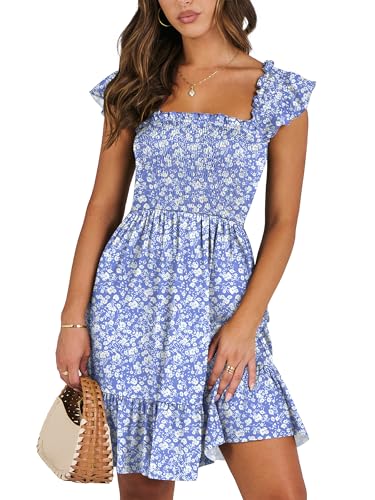
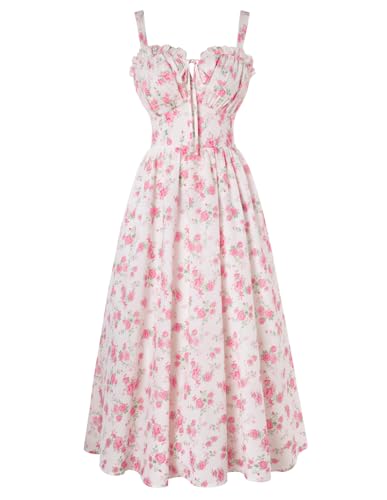
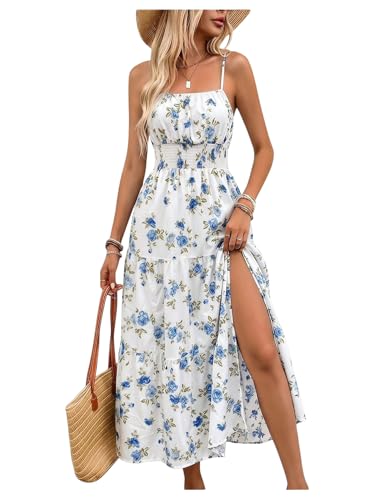
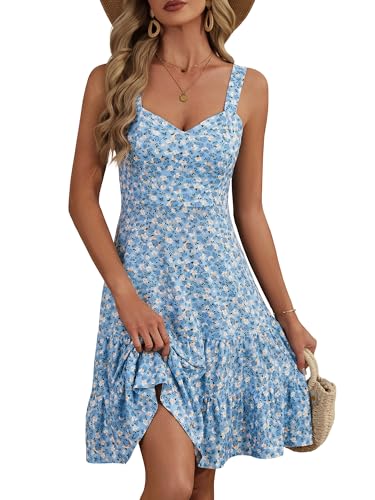
This collection covers floral-print dresses for girls rather than flower girl wedding wear, and the distinction matters because the two get confused constantly in search.Half the listings are described in girls’ terms and the labels appearing most often, including Allegra K, Speechless and Little, are children’s clothing brands rather than occasion-wear specialists. Around a quarter mention weddings, so there is overlap, but the bulk of this collection is everyday and semi-formal wear.Lace features in around a third and sleeves in a quarter. For wedding-specific children’s dresses, see flower girl gowns.
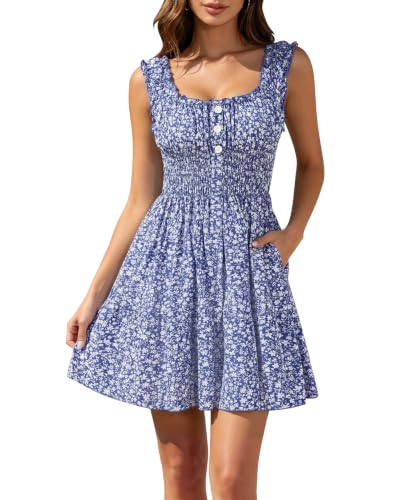
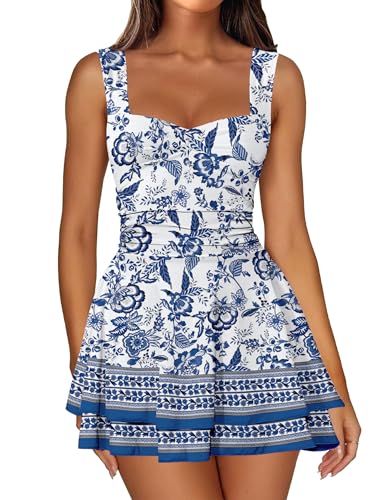
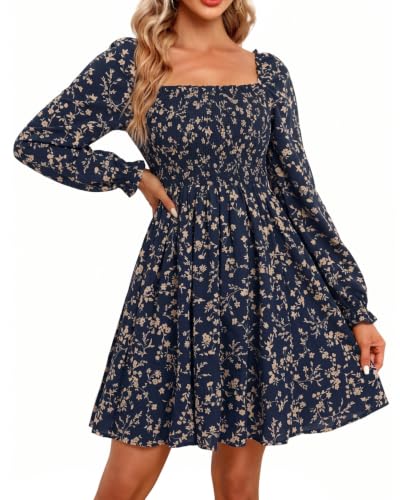
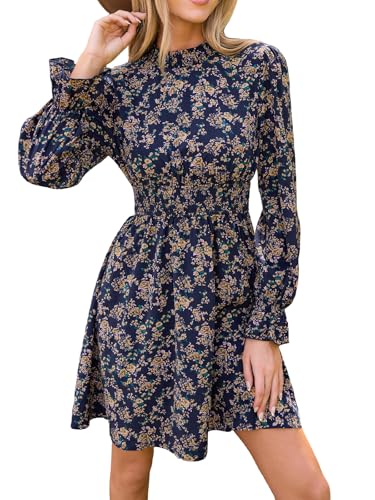
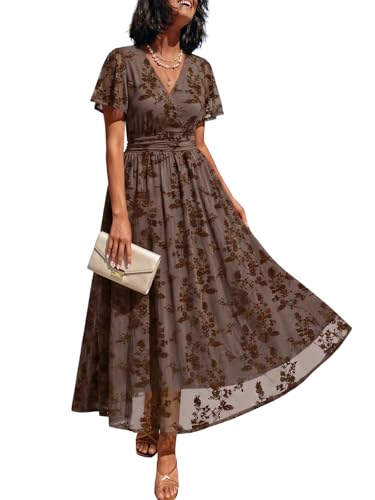

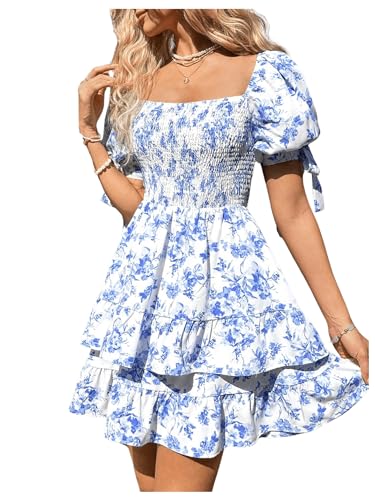
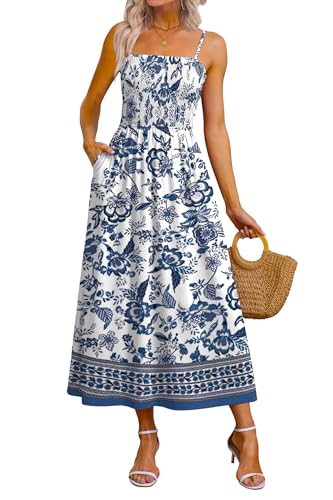
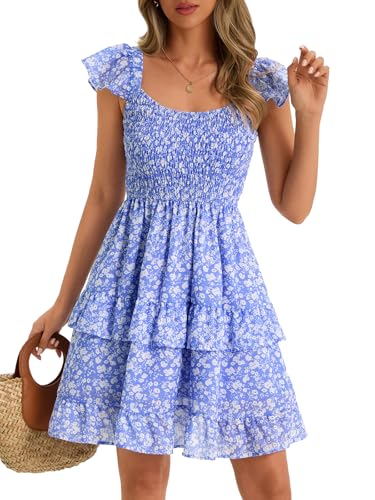
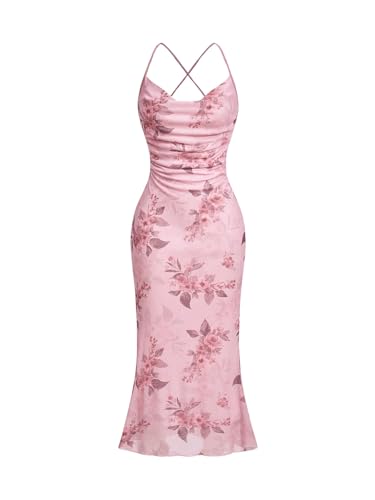
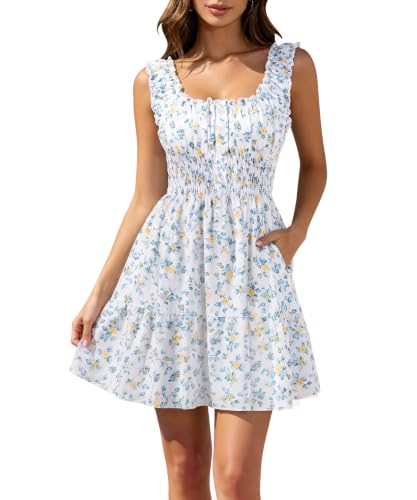
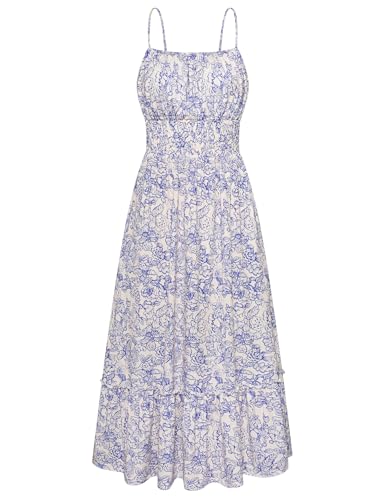
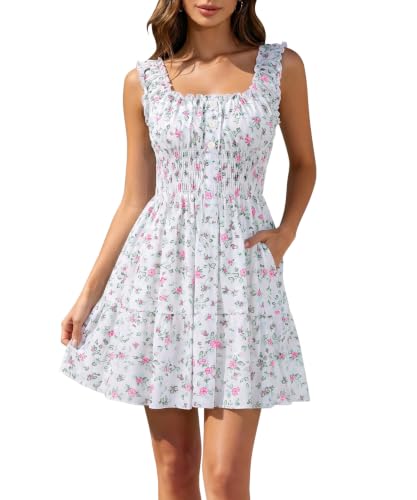


Floral Dresses for Girls: Frequently Asked Questions
Is a floral dress the same as a flower girl dress?
No. A floral dress is defined by its flower print and can be worn anywhere. A flower girl dress is defined by a formal role in a wedding ceremony and is usually solid white, ivory or a bridesmaid color with no floral pattern.
Can a flower girl wear a floral dress?
At less formal weddings, often yes. For a formal ceremony role, the dedicated flower girl collections are a better starting point than this page.
What print size suits a young child?
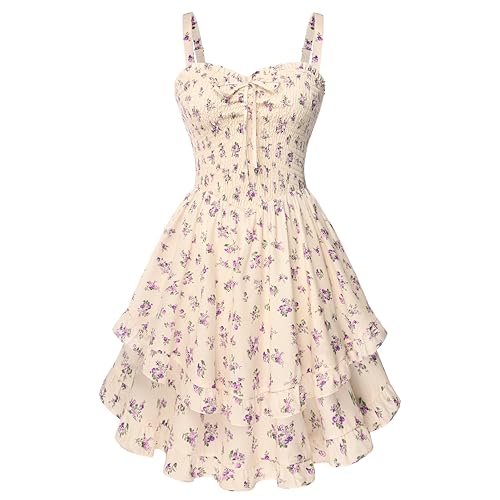
Smaller and denser prints. A large-scale floral repeats only two or three times across a small dress, which reads as a few big shapes rather than a pattern. Large prints work from around age eight, where the garment shows the repeat.
Which fabric is most practical?
Cotton and cotton blends, because they are comfortable and washable, which decides how often a dress actually gets worn. Check the care label before ordering: a hand-wash dress will be worn far less than a machine-washable one.
What should I avoid for a wedding guest?
Prints on a white or ivory ground, which can read as bridal from a distance in photographs. A colored ground removes the question entirely.
How should the dress fit a child who will play?
With movement room through the chest and arms rather than a fitted bodice, and a soft elasticated or gathered waist rather than a stiff waistband. Very full or very long skirts are impractical for a child who will be running.
How do I coordinate several children?
Match the ground color and let the prints differ. Trying to match prints exactly rarely works and reads as a near-miss, where a shared background color reads as deliberate.
Should I order by age?
By measurement. Chest and shoulder-to-hem are the two that matter, and two children of the same age routinely differ by a full size.
What is junior sizing?
Around one in twenty listings here uses it. It runs differently from girls' sizing and extends into the teen range, so check the specific chart rather than assuming.
Floral Dress or Flower Girl Dress
These are different things and the search terms overlap almost completely, so it is worth being clear.
A floral dress has a flower print or applied flower detail. It can be worn to a party, to school, on holiday, or to a wedding as a guest. It is defined by the pattern.
A flower girl dress is worn by a child with a formal role in a wedding ceremony. It is usually solid white, ivory or a bridesmaid color, often with no floral pattern at all. It is defined by the occasion.
A child can be a flower girl in a floral dress, and often is at less formal weddings. But if you are dressing a child for a formal role in a ceremony, the dedicated flower girl collections are the right starting point, and this page is not.
What This Collection Is For
Half the listings are general girls' wear and around a quarter mention weddings, which puts the collection squarely in the space between everyday and occasion.
Wedding guest. A child attending a wedding without a formal role. A floral dress is the standard choice and avoids any risk of looking like she is part of the wedding party.
Parties and celebrations. Birthdays, christenings, family gatherings.
School events and photographs. Where something smarter than everyday but less than formal is needed.
Summer and holiday wear. The lighter cotton styles in this collection.
Around one in twenty is described as casual, and a similar share as junior sizing, which extends the age range upward.
Print Scale Matters on a Small Frame
This is the single most useful thing to know when choosing a print for a child, and it applies differently than it does for adults.
A print repeats a fixed number of times across a garment. On a small dress, a large-scale floral repeats only two or three times, which reads as a few big shapes rather than as a pattern. On the same fabric in an adult size, the same print repeats enough to read as a coherent design.
For a young child, smaller and denser prints generally read better and photograph better. Large-scale prints work from around age eight upward, where the garment is big enough to show the repeat.
You can judge this from the product photograph by comparing the size of one flower against the child's hand or the bodice width.
Fabric and Everyday Practicality
Because most of this collection is worn more than once, care requirements matter more than they would for a single-occasion dress.
Cotton and cotton blends are the most comfortable and the most washable, which for a child's dress that will be worn repeatedly is the deciding factor.
Chiffon, at around one in nine listings, drapes well and suits summer, but needs a lining and is less robust in play.
Lace, at around a third, adds formality. For everyday wear look for soft, backed lace rather than stiff unbacked lace, which scratches.
Tulle, at around one in nine, sits at the dressier end of the collection and needs a lined skirt for comfort.
Check the care label before ordering. A dress needing hand washing will be worn considerably less than one that goes in a machine, regardless of how much she likes it.
Comfort for a Child Who Will Actually Play
Unlike formal wedding wear, these dresses will be worn while running, climbing and sitting on the ground. That changes what matters.
Look for movement room through the chest and arms rather than a fitted bodice. Around a quarter of listings have sleeves, with cap sleeves the most common.
Avoid stiff waistbands and structured bodices for younger children. A soft elasticated or gathered waist is more comfortable and accommodates growth.
Check the skirt length allows normal movement. A very full or very long skirt is impractical for a child who will be playing rather than posing.
Sizing
Around one in twenty listings uses junior sizing, which runs differently from girls' sizing and extends into the teen range.
Order by measurement rather than age. Chest and shoulder-to-hem are the two that matter. Two children of the same age routinely differ by a full size.
For a dress intended to be worn over more than one season, sizing up slightly gives more wear. An elasticated or adjustable waist extends this further.
Our size chart covers junior conversions where a listing uses them.
Colors and Prints
Floral prints on lighter grounds read as spring and summer; the same print on a dark ground reads as autumn and winter, which is a straightforward way to extend the range of occasions a dress covers.
For a wedding as a guest, avoid prints on a white or ivory ground, which can read as bridal from a distance in photographs. A colored ground removes the question.
If several children are attending together and you want them coordinated, matching the ground color and letting the prints differ reads better than trying to match prints exactly.
Related Collections
For formal wedding roles, see flower girl gowns. For the youngest children, browse infant flower girl dresses. For sleeved options, see long sleeve flower girl dresses.