
Black Flower Girl Dresses for Weddings
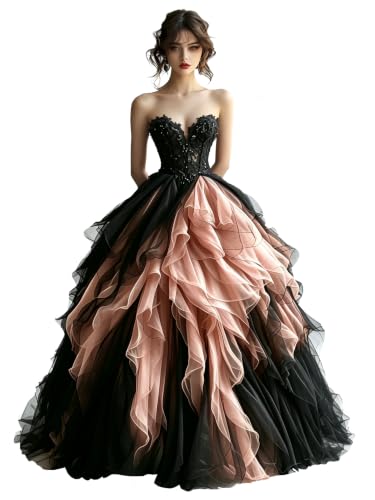
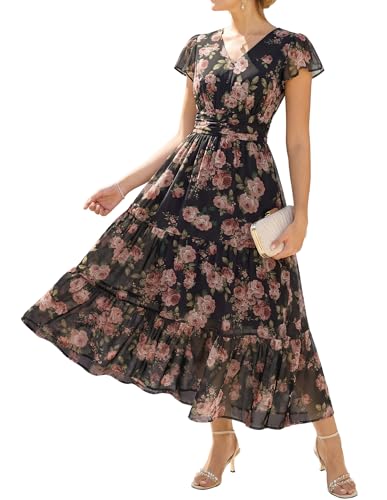
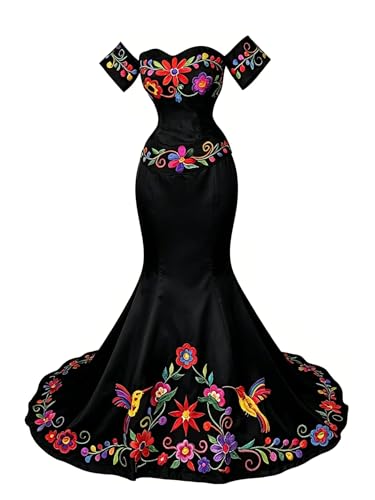
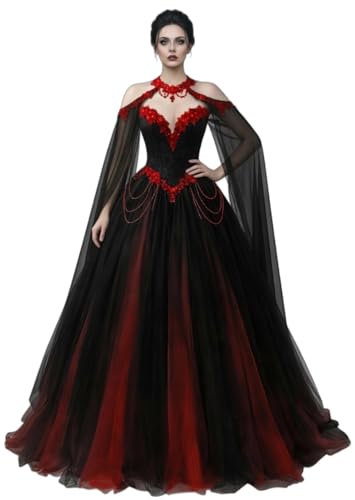
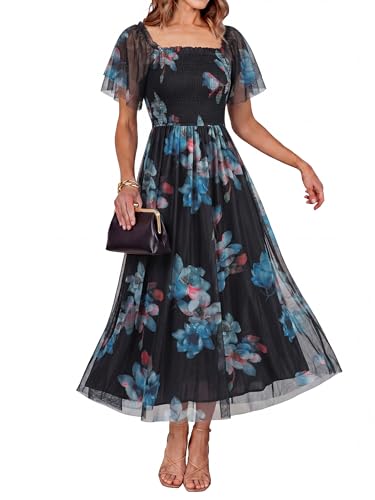
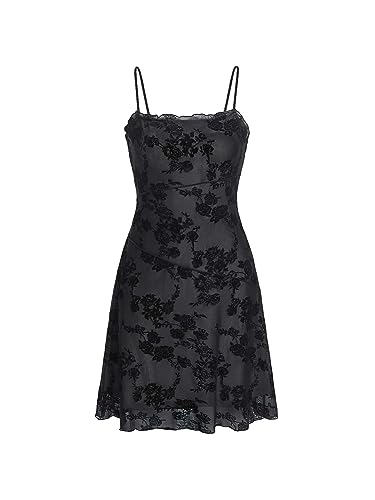
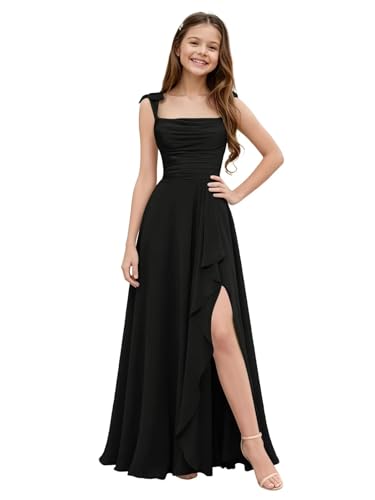
Black flower girl dresses offer a modern alternative to traditional white and pastel styles. Black can suit black-tie weddings, evening ceremonies, winter celebrations, monochrome palettes, and events using black with white, blush, red, gold, or silver. Compare tulle, satin, lace, velvet, tea-length, long-sleeve, ball-gown, and black-and-white styles.The key is intentional coordination and child-friendly design. A simple black A-line dress with a bow feels different from a heavily sequined pageant gown. For a brighter base, compare white flower girl dresses; for another deep formal color, review navy flower girl dresses.Check the complete outfit in venue-like lighting because dark fabric can hide texture in photographs. Verify measurements, lining, closure, skirt volume, hem, seller, delivery, and returns.





Frequently Asked Questions About Black Flower Girl Dresses for Weddings
Can a flower girl wear black?
Yes, when black fits the couple’s palette, formality, or theme and the design remains age appropriate.
Does black suit black-tie weddings?
Yes. Satin, tulle, lace, or velvet can look polished with a clean silhouette and restrained accessories.
How can black look softer?
Use ivory flowers, soft tulle, lighter lace, blush accents, or a black-and-white design.
Is black velvet suitable?
It can work in fall and winter, but test weight and indoor warmth.
Will black lose detail in photos?
It may in dim settings. Texture, a defined waist, or a lighter bouquet can preserve the outline.
What colors go with black?
White, ivory, blush, burgundy, red, gold, silver, champagne, and greenery can coordinate.
How should it fit?
The bodice should stay secure while the child sits, walks, bends, and raises her arms.
What accessories work?
Simple black, ivory, nude, gold, or silver shoes and one small hair or floral accessory.
What should I check online?
Verify material, lining, size, color, seller, delivery, returns, care, and customer photos.
Are Black Flower Girl Dresses Appropriate?
Black is appropriate when it belongs to the couple’s wedding design. There is no universal rule that a flower girl must wear white. Confirm the choice with the couple and parent because family expectations and cultural customs vary.
The dress should remain clearly child formalwear. Age-appropriate necklines, soft lining, safe hems, and restrained decoration matter more than copying adult eveningwear.
Solid Black or Black and White
Solid black has the strongest visual impact. A white bodice with black skirt, ivory lace over black lining, or white dress with black sash creates balance and can connect the child to the bride.
Consider proportion: a narrow black ribbon is subtle, while a full dark tulle skirt dominates. Decide whether black is the main statement or an accent.
Fabrics in Black
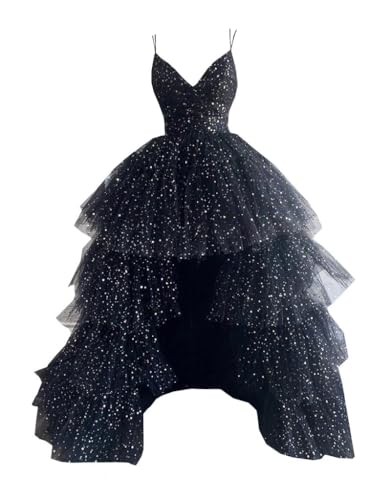
Tulle adds movement and transparency, satin gives a polished evening finish, lace preserves visible texture, and velvet produces a rich winter look. Each fabric changes how much detail remains visible in dim light.
Check soft lining under black lace or tulle. Compare lace flower girl dresses, tulle flower girl dresses, and satin flower girl dresses for construction-led choices.
Formal and Monochrome Weddings
Black naturally supports tuxedos, hotel ballrooms, candlelight, and black-tie receptions. A clean A-line or tea-length dress often looks more polished than dense sequins. Gold or silver accents should follow the wedding metal.
In a black-and-white wedding, repeat the contrast through flowers, ribbon, stationery, or the ring bearer so the flower girl does not appear isolated.
Gothic, Fall, and Winter Styling
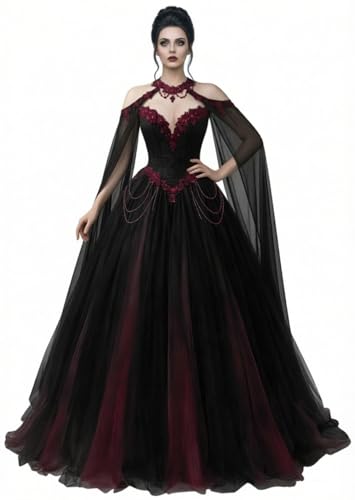
Black lace, velvet, dark florals, burgundy, evergreen, and metallic details can support moody or gothic themes without becoming a costume. Long sleeves or real outerwear may be necessary in cold weather.
Heavy crowns, capes, gloves, or trailing ribbons may interfere with a child’s movement. Use only theme details that remain secure and comfortable.
Photography and Accessories
Black may merge with dark furniture, floors, suits, or nighttime backgrounds. A defined waist, textured lace, lighter bouquet, ivory collar, or contrasting flower can preserve the silhouette.
Pack a lint roller because dust and pale fibers show clearly on satin and velvet. Ivory, nude, black, gold, silver, blush, or burgundy accessories can work, but choose one restrained direction.
Measure Before Choosing a Size
Accurate measurements are more useful than a size label when ordering a black flower girl dress, especially when the design has a fitted bodice or long hem. Record the chest, natural waist, standing height, and the listing’s required shoulder-to-hem or hollow-to-floor length. For long styles, measure while the child wears the intended shoes. Add shoulder width and sleeve length when the bodice is fitted or has long sleeves.
Match the flower girl’s measurements to the chart for the selected black design, not a generic marketplace chart. Leave reasonable time for exchange or minor tailoring, but do not buy several sizes larger for growth. Excess width can make straps slip, and excess length can move under the shoes. Check seated comfort, bending, raised arms, and walking under dimmer conditions before the return deadline. Apply this point to the selected category style and the child who will wear it.
Comfort and Safety Checks
Dark formal styling still requires smooth lining, manageable warmth, and visibility while walking in dim areas. Inspect the dark garment’s lining, zipper backing, and internal decoration. Feel the zipper guard, armholes, waist seam, underskirt, appliqué backing, labels, and any elastic. A dress that irritates one area during a ten-minute fitting may become intolerable during a ceremony and reception.
- Confirm that the hem remains clear of the shoes.
- Check that bows, sashes, straps, and sleeves stay in place for black flower girl dresses for weddings. Confirm this on the exact listing.
- Avoid loose beads, pins, or detachable pieces when choosing black flower girl dresses for weddings. Recheck every attachment during the fitting.
- Use broken-in shoes with secure closures and reliable grip.
- Pack a practical layer and a comfortable reception outfit alongside black flower girl dresses for weddings when needed. Apply this plan to the chosen garment.
Coordinate Without Forcing an Exact Match
Black may repeat suits, bridesmaid dresses, table decor, or a sash without requiring the flower girl to look like a miniature adult. Different brands, fibers, and lighting make exact matching difficult. A deliberate lighter or darker tone often looks better than two garments that almost match. Repeat one element—such as a sash, bouquet ribbon, lace motif, shoe color, or flower—to connect the child to the wedding party.
Study how the black silhouette balances the complete wedding party, not the dress in isolation. The bride, bridesmaids, suits, flowers, venue background, and child’s height all affect the final balance. Keep accessories restrained when the dress already has a strong color, shine, pattern, or full skirt. Use this guidance with the exact listing, venue, and flower girl in mind.
Shopping Through an Affiliate Category
MotherBrideDress.com displays affiliate-linked product selections. Following a product may take you to Amazon or another external shop, where the current seller, price, inventory, delivery estimate, specifications, and return policy are controlled. Verify those live details on the final product page before purchasing. Judge this detail on the actual garment rather than as a general category assumption.
Customer photos help distinguish true black from charcoal or very dark navy and show whether lace details remain visible. Check recent buyer observations for recurring comments about sizing, color accuracy, lining, zipper quality, loose decoration, comfort, and shipping condition. Purchaser-posted photographs often reveal proportions and fabric behavior more clearly than a styled studio image. Confirm whether every pictured sash, petticoat, headband, or accessory is included.
Ordering, Alterations, and Final Fitting
Black lace edges, sequins, velvet, and layered tulle can complicate hemming and repair. Work backward from the wedding date and the retailer’s return deadline. Allow time for delivery, inspection, exchange, safe wrinkle removal, and tailoring. Common adjustments include shortening the hem, tightening straps, moving a waistband, or taking in the bodice; decorative edges and multiple skirt layers can make those changes more difficult.
Run the final full-outfit rehearsal with the intended shoes, socks or tights, undergarments, sash, and outer layer. Photograph the outfit in daylight and venue-like light. Store the dress in a breathable garment bag and keep it away from food, moisture, pets, and direct sun. Adapt this recommendation to the child’s measurements and the ceremony conditions.
Care and Wedding-Day Preparation
Dark dye should be kept dry against pale garments, and velvet or satin requires material-specific treatment. Follow the garment label before washing, pressing, or steaming. Synthetic mesh, satin, glued stones, lace, and embroidery may react differently to heat and water. Test any permitted method on a hidden area and avoid experimenting on the wedding morning.
Keep a lint-and-repair kit nearby with a lint roller, safety pins, fashion tape, tissues, and a stain product known to be safe for the material. Let the child eat before dressing when practical, keep colored drinks away until formal photographs are complete, and use the backup outfit if the ceremony dress becomes restrictive. Review this issue again when the specific product arrives for fitting.
Common Buying Mistakes
- Assuming black is automatically inappropriate without asking the couple.
- Choosing an adult-looking silhouette for a child.
- Ignoring how detail disappears in low light.
- Using heavy velvet in a hot venue.
- Adding too many gothic or metallic accessories.
- Skipping measurements because black seems visually forgiving.
- Forgetting a lint roller.
Make the Final Decision
A successful black dress looks deliberate, photographs clearly, and remains comfortable enough for the child’s real schedule. Use the product grid to compare the current options, then verify the retailer’s measurements and policies. The strongest choice is not automatically the most ornate design; it is the one that fits the wedding, fits the child, and remains manageable throughout the event.
For alternative formal colors, revisit wedding flower girl dresses or girls’ dresses for weddings. Related categories linked throughout this guide can help narrow the decision by fabric, shade, season, or venue. Treat this as a product-level check, not a promise about every style in the category.
Black Dresses Across the Seasons
Black is often associated with evening and winter, but fabric and styling matter more than the color alone. A lightweight black tulle or lace dress can work in spring with pale flowers and a shorter hem. In summer, limit layers and keep the child out of direct heat. Velvet, long sleeves, and deeper floral accents make more sense in fall or winter.
Dark fabric can absorb heat outdoors, even when the air feels mild. Test the full outfit in similar conditions and plan a cooler reception option if the ceremony is outside.
Making a Black Dress Look Like Wedding Attire
Structure and context distinguish a wedding dress from ordinary black clothing. A defined waist, formal fabric, flower detail, polished shoes, and coordinated basket can elevate a simple silhouette. The dress does not need glitter or a very full skirt to look ceremonial.
Repeat black elsewhere in the event—suits, ribbons, signage, chairs, or table settings—so the child appears integrated. If black is used nowhere else, add a clear link through white flowers, a bridesmaid-color sash, or the ring bearer’s accessories.
Black Dress Planning Checklist
- Confirm that the couple and family support the dark color.
- Decide whether black is the main color or an accent.
- Photograph the dress against a dark and light background.
- Check for lint, dust, dye transfer, and disappearing lace detail.
- Balance the dress with one lighter or metallic accent.
- Test warmth, seating, and movement in the complete outfit.
These checks keep the choice deliberate and prevent a formal black dress from becoming too adult, too warm, or visually flat.
Reuse After the Wedding
A simple black A-line or tea-length dress may be reused for holiday events, recitals, family photographs, or other formal occasions. Removable sashes increase versatility. Future use should not justify buying a loose neckline or unsafe extra length for the wedding day.
Black Sashes, Bows, and Contrast Details
A black sash on an ivory dress is one of the easiest ways to introduce the color without committing to a full dark gown. A white collar, ivory lace overlay, blush flower, or metallic waistband can serve the opposite purpose by softening solid black. Check that detachable sashes stay tied and that ribbon tails do not reach the floor.
Contrast should be visible from normal viewing distance. Tiny black embroidery may disappear in photographs, while an oversized bow can dominate a small child. Compare proportions on the actual child rather than judging the product laid flat.
Black Fabric in Warm Weather
Lightweight black lace or tulle can work in spring and summer, but dark fabric absorbs sunlight and dense layers trap heat. Keep outdoor exposure short, provide shade and water, and avoid velvet or multiple heavy underskirts in hot conditions.
A sleeveless dress is not automatically cooler if the skirt is dense and the lining does not breathe. Evaluate the entire construction and have a lighter reception outfit ready.
Confirm every detail.