
Rose gold flower girl dress
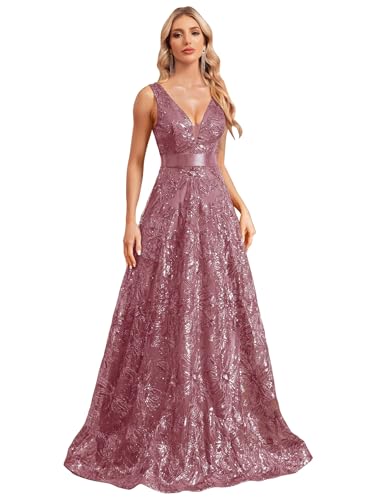
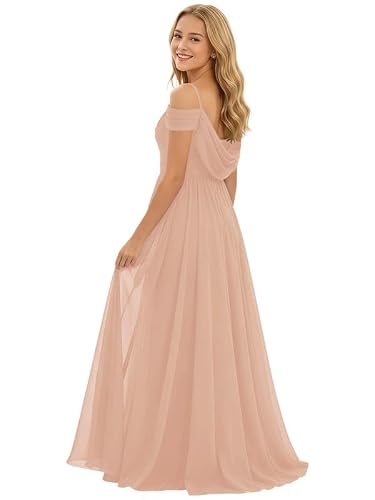
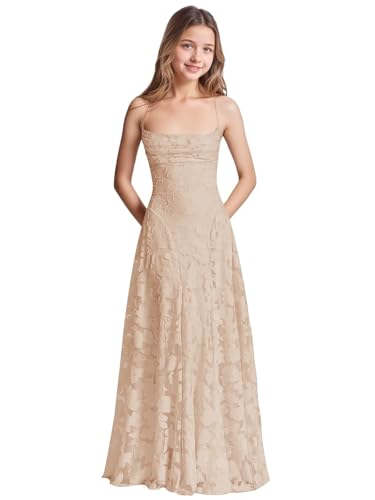
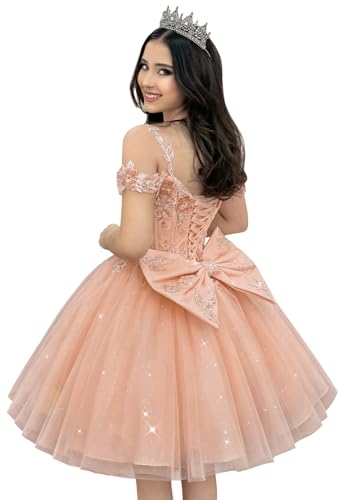
Rose gold is a metallic finish rather than a color, which is why it behaves differently from blush or champagne even though the three sit close together on a screen. Just over half the listings here are explicitly rose gold, and sequin fabric accounts for around three in ten.Around six in ten mention flower girls, but a third are described in bridesmaid terms, so this collection spans children’s and adult sizing. Check the size range on any listing before assuming which it is.Lace and tulle each appear in around one in five listings, and just over four in ten are described as gowns. For other children’s styles, see flower girl gowns.


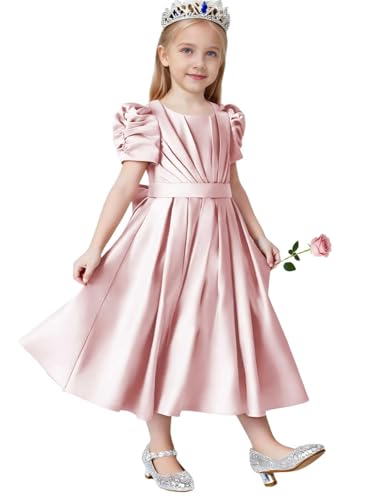


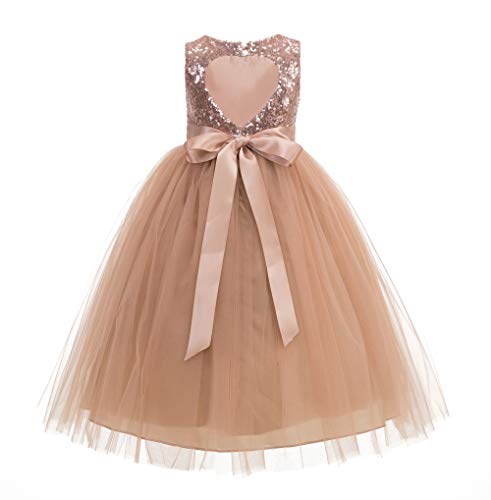



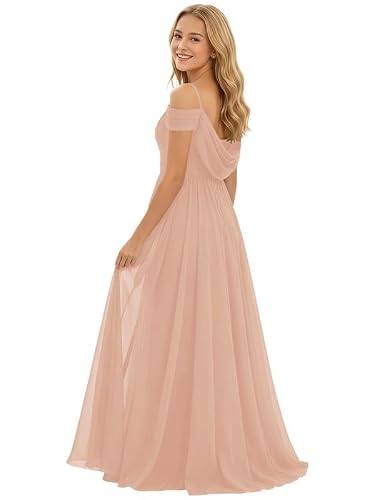


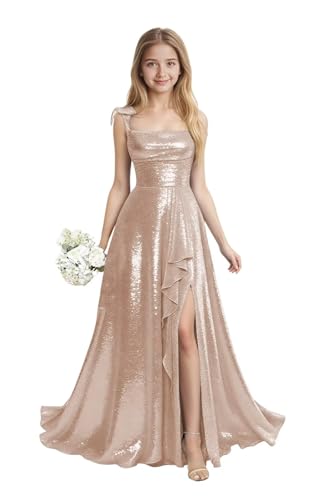

Rose Gold Flower Girl Dresses: Frequently Asked Questions
Is rose gold the same as blush?
No. Rose gold is metallic and reflects light, changing appearance under different light sources. Blush is a matte pale pink that holds the same tone in every light. Standing side by side they do not read as the same color family.
Which metallic finish is most comfortable for a child?
Metallic thread woven through tulle or mesh. It gives a softer shimmer than sequins and is considerably lighter. Sequin fabric catches on tights and can feel rough against the inside of the arm over a long day.
Why does the color look different in photographs?
Under daylight rose gold reads pink and soft; under warm indoor light it reads more gold; under direct flash it can flare bright and lose the pink entirely, which is why it sometimes looks champagne in reception photographs.
Should the flower girl match the bridesmaids exactly?
Echo rather than match. An ivory dress with a rose gold sash reads cleanly. A fully rose gold sequin dress works best when the bridesmaids are in a matte shade, so the child is not competing with a row of metallics.
Does this collection contain adult sizes?
Yes. Around six in ten listings are flower girl styles and around a third are described in bridesmaid terms, so both children's and adult sizing appear. Check the smallest available size: a children's range typically starts at 2T to 4, an adult one at 0 or 2.
How should I size a children's dress?
By chest measurement and shoulder-to-hem length rather than by age, since two children of the same age routinely differ by a full size.
Should the hem reach the floor?
Ankle length is more practical for a child. A hem touching the ground gets stepped on going up steps or walking hand in hand, and ankle length photographs almost identically.
Will foiled metallic finishes last?
They sit on top of the fabric and can crack or flake with repeated movement, which matters for a child who will be running. Woven metallic or sequin finishes are more durable.
How early should I order?
Early enough for one exchange, and size up if the wedding is more than three months away. A slightly large dress can be taken in at the shoulder or waist; one she has outgrown cannot be fixed.
Rose Gold Is Not Blush
These get confused constantly and they are not interchangeable, which matters if you are matching to a wedding palette.
Rose gold is metallic. It reflects light, changes appearance depending on the light source, and reads as warm pink-gold. Achieved through sequins, metallic thread or a foiled finish rather than through dye.
Blush is a matte pale pink with no metallic content. It holds the same tone in every light.
Champagne is a pale warm neutral leaning gold rather than pink, and is usually matte.
The practical consequence: a rose gold dress and a blush dress standing next to each other do not read as the same color family, even though they look similar in a product grid. If the wedding palette specifies one, the other will not substitute.
Where the Metallic Comes From
Around three in ten listings here use sequins, which is the most common way rose gold is achieved in children's occasion wear, and it has consequences worth knowing before ordering.
Sequin fabric on a child is heavier than it looks, catches on tights and cardigans, and can feel rough against the inside of the arm across a long day. A lined bodice makes a substantial difference, and a listing that does not mention lining probably does not have it.
Metallic thread woven through tulle or mesh is the lighter alternative. It gives a softer shimmer rather than a bright sparkle and is considerably more comfortable to wear.
Foiled or printed metallic finishes sit on top of the fabric and can crack or flake with repeated movement, which for a child who will be running is worth considering.
If the wedding is long or the child is young, the woven metallic option is usually the better choice even though sequins photograph brighter.
How It Photographs
Metallic fabrics behave unpredictably on camera, and rose gold has a particular characteristic.
Under daylight it reads pink and soft. Under warm indoor lighting it reads more gold. Under direct flash it can flare bright and lose the pink entirely, which is why a rose gold dress sometimes looks champagne in reception photographs.
That is not a fault in the dress. It is worth knowing if you are coordinating a rose gold flower girl with rose gold accessories elsewhere in the wedding, since the two may not match in every photograph.
A matte sash or a non-metallic accent alongside gives the eye a fixed reference point, which helps the whole outfit hold together across different lighting.
Coordinating With a Rose Gold Wedding
Rose gold has become one of the most common wedding palettes, usually paired with blush, ivory, champagne or dusty rose.
For a flower girl, the convention is to echo rather than match exactly. An ivory dress with a rose gold sash reads cleanly and photographs well. A fully rose gold sequin dress is the more dramatic option and works best when the bridesmaids are in a matte shade so the child is not competing with a row of metallics.
Where it works less well is against a bridal party already in metallics. Several rose gold garments in one photograph reflect light at different angles and can read as visually busy rather than coordinated.
Greenery, navy and deep green all sit well against rose gold and are common in this palette.
Children's Sizing Versus Adult
This is the detail most likely to cause a wrong order in this collection.
Around six in ten listings are described in flower girl terms and around a third in bridesmaid terms, which means the page contains both children's and adult sizing. Some listings offer both in one product.
Children's sizing here is usually by age, which is unreliable, since two children of the same age routinely differ by a full size. Order by chest measurement and shoulder-to-hem length where the chart allows.
Adult listings in this collection follow standard womenswear sizing and are not scaled-up children's dresses, so do not assume the size chart on one applies to the other.
If a listing is ambiguous, the smallest available size tells you which it is: a children's range typically starts at 2T to 4, an adult one at 0 or 2.
Length and Movement
Around a quarter of listings are long and just over one in ten short, with the rest at intermediate lengths.
For a child, ankle length is more practical than floor length, since a hem touching the ground gets stepped on going up steps or when walking hand in hand. It photographs almost identically.
Around one listing in eleven has a slit, which appears mainly in the adult-sized portion of this collection rather than the children's.
Ordering
Order early enough for one exchange. Children's occasion wear in the middle sizes sells through fastest, and if the wedding is several months away a child may outgrow the dress in the meantime.
Where the wedding is more than three months out, size up rather than down. A slightly large dress can be taken in at the shoulder or waist; one she has outgrown cannot be fixed.
Check the closure. A back zip on a sequin dress can catch, and a tie or button closure is easier for a child to be dressed in.
Related Collections
For other children's wedding styles, see flower girl gowns or long sleeve flower girl dresses. For adult metallics, browse silver formal dresses.