
Red Flower Girl Dresses for Weddings
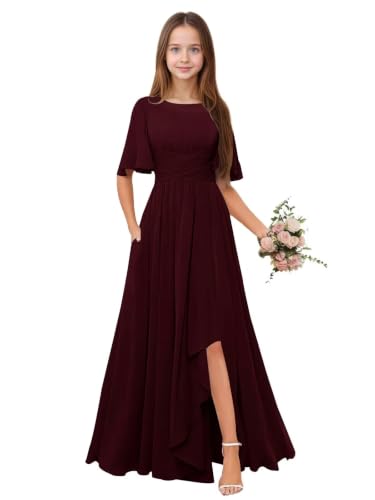
Red flower girl dresses create a confident, celebratory look for weddings that use bold color rather than an all-white bridal-party palette. The collection below includes child-friendly red dresses in satin, tulle, lace, A-line, tea-length, ball-gown, long-sleeve, and red-and-white designs. Red can suit formal evening ceremonies, winter weddings, holiday celebrations, autumn venues, modern black-and-red themes, and cultural wedding traditions in which the color has special significance.
Because “red” covers many shades, compare each listing carefully. Bright scarlet, cherry red, ruby, crimson, wine, and deep red do not look identical in photographs or beside bridesmaid dresses. Fabric changes the effect too: satin reflects light, tulle softens the shade, lace adds texture, and velvet appears deeper. Couples seeking a darker tone may also compare burgundy flower girl dresses, while a red accent on a neutral base can be found among white flower girl dresses.
Choose for the child as well as the color scheme. Check the retailer’s size chart, lining, closure, skirt volume, sleeve fit, and hem length. A flower girl may need to walk slowly, carry petals, sit through the ceremony, pose for photographs, and play at the reception. The best red dress looks coordinated while allowing her to move comfortably and safely.






Frequently Asked Questions About Red Flower Girl Dresses
Are red flower girl dresses appropriate for weddings?
Yes. Red flower girl dresses are appropriate when the color fits the couple’s wedding palette, cultural traditions, or seasonal theme. Because red attracts attention, coordinate it deliberately with flowers, bridesmaid dresses, decor, or accessories so the outfit looks connected to the wedding party.
What shades are included in red flower girl dresses?
Red may include bright scarlet, cherry, true red, ruby, crimson, deep red, and shades close to wine. Color names are not standardized across brands. Fabric and lighting also change the appearance, so compare product details and customer photographs before ordering.
What colors coordinate with a red flower girl dress?
Red can coordinate with white, ivory, black, gold, silver, navy, forest green, blush, champagne, and burgundy. The best combination depends on whether the red has warm or cool undertones and how strongly the couple wants the flower girl to stand out.
Is a red flower girl dress suitable for a Christmas or winter wedding?
Red works well for winter and holiday weddings, especially with evergreen, white, gold, silver, plaid, or candlelit decor. Choose elegant fabrics and restrained accessories if you want a formal wedding look rather than a costume-like holiday outfit.
Should I choose a solid red dress or a red-and-white flower girl dress?
Choose solid red when the color is central to the wedding design. A white or ivory dress with a red sash, bow, petals, or lace is more subtle and can connect the flower girl to both the bride and the accent palette.
Which fabric is best for a red flower girl dress?
Satin gives red a polished sheen, tulle creates soft volume, lace adds texture, velvet suits cooler weather, and chiffon feels lighter. The best fabric depends on the season and formality, but smooth lining and child-friendly construction matter more than the fabric name alone.
How do I measure a child for a red flower girl dress?
Measure the chest, natural waist, height, and the listing’s required shoulder-to-hem or hollow-to-floor length. Use the intended shoes for a long gown. Follow the exact retailer size chart because children’s formalwear sizes vary by brand.
How can I make a red flower girl dress comfortable?
Check for full lining, smooth armholes, a covered zipper, a secure waistband, manageable skirt volume, and a safe hem. Let the child walk, sit, bend, and raise her arms in the complete outfit before the return deadline.
How early should I order a red flower girl dress online?
Allow enough time for delivery, inspection, exchange, steaming, and possible alterations, while accounting for the child’s growth. Review the seller’s delivery estimate and return window, then add a practical buffer instead of ordering at the last minute.
How to Choose a Red Flower Girl Dress
A red flower girl dress becomes a strong visual element in the wedding party, so selection should begin with the event rather than with the brightest product image. Consider the exact shade used in the flowers, bridesmaid dresses, invitations, table decor, or cultural attire. Then decide whether the flower girl should wear full red, a neutral dress with red details, or a softer dress with a removable red sash. Each approach creates a different level of contrast.
Full red works when the color is central to the wedding design. It can look especially cohesive in black-and-red, red-and-gold, winter greenery, burgundy-and-blush, or jewel-tone palettes. A white or ivory dress with a red sash is more restrained and can connect the flower girl to both the bride and the accent color. Red floral appliqués, bows, petals, or embroidery provide an intermediate option when a solid dress feels too dominant.
The child’s age and temperament matter. A toddler may be more comfortable in a simple knee-length or tea-length dress with soft lining. An older child may enjoy a longer formal gown, fitted satin bodice, or fuller tulle skirt. Avoid choosing a complicated style solely because it looks dramatic online. If she dislikes stiff fabric, tight sleeves, sequins, or heavy skirts during the fitting, those problems will not disappear during the ceremony.
Understanding Red Shades Before You Order
Bright Red and Scarlet
Bright red and scarlet are energetic, high-contrast shades. They photograph clearly and can stand out against white, ivory, black, green, or outdoor winter backgrounds. These shades work well when the wedding intentionally uses vivid red. They can overpower a pastel palette, however, so compare the dress with the planned flowers and bridesmaid fabric before committing.
Cherry and True Red
Cherry or true red sits between orange-red and blue-red. It is often the easiest version to coordinate with classic red roses, ribbons, and formal decor. The same color can appear different under warm indoor lighting and cool daylight. Customer photographs are useful because studio lighting may make the fabric look more saturated or smoother than it appears in person.
Crimson, Ruby, and Deep Red
Crimson and ruby shades create a richer, more formal effect. They pair naturally with gold, black, navy, forest green, cream, and candlelit venues. Deep red is often more forgiving than bright red when the wedding includes several neighboring tones. If the color moves toward wine or maroon, compare it with the separate burgundy flower girl dress collection.
Red Undertones and Fabric Finish
A red with orange undertones feels warmer; a red with blue undertones may look cooler and closer to cranberry or ruby. Shiny satin intensifies highlights, matte chiffon absorbs more light, and layered tulle can make a saturated lining look softer. Do not expect two products labeled “red” to match if they use different fabrics or come from different manufacturers.
Popular Fabrics for Red Flower Girl Dresses
Satin
Red satin produces a smooth, formal finish with visible sheen. It suits hotel ballrooms, evening ceremonies, holiday weddings, and structured A-line or ball-gown silhouettes. Satin bows and waistbands also hold their shape well. Because glossy fabric reveals wrinkles and fit lines, inspect the dress after delivery and follow the care label before steaming.
A satin dress should still have a comfortable interior. Check whether the bodice is lined, whether the zipper is covered, and whether the armholes rub. More fabric-specific options are available in the satin flower girl dress collection.
Tulle
Tulle gives red a lighter, more playful movement and is common in princess, tutu, and ball-gown styles. Multiple layers create volume, while a red lining beneath neutral tulle can reduce color intensity. Soft tulle is preferable for children because stiff netting may scratch the legs or catch on chairs and decorations. Look for full lining and a clean hem.
Very full tulle skirts can be exciting, but they require enough aisle and seating space. A tea-length version often keeps the dramatic effect while making walking easier. Compare construction and skirt volume under tulle flower girl dresses.
Lace
Lace can make a red dress feel romantic, vintage, or formal depending on the pattern. A lace bodice with a plain skirt is usually easier to coordinate than a heavily embellished all-lace gown. Scalloped sleeves, floral appliqués, and illusion necklines add detail, but the backing should be soft enough for prolonged wear.
When shopping online, examine close-up photographs to see whether the lace is embroidered, appliquéd, or printed. Raised flowers and beads may look beautiful but can snag on bouquets or furniture. Browse lace flower girl dresses for additional texture-focused options.
Velvet, Chiffon, and Organza
Velvet creates a deep, luxurious red and can work well for late-fall and winter weddings. It is warmer and heavier, so it is less suitable for hot venues. Chiffon is lighter and flows more naturally, making it practical for older children, warm climates, and less structured ceremonies. Organza offers a crisp, translucent finish that holds shape without looking as dense as satin.
Whatever the outer fabric, verify the lining. A visually soft material can still contain stiff seams, exposed zippers, or rough appliqué backing. Fabric names alone do not guarantee comfort.
Red Flower Girl Dress Silhouettes
A-Line Dresses
A-line dresses fit through the upper body and widen gradually toward the hem. They are versatile, easier to move in than highly structured gowns, and suitable for many ages. A red satin A-line dress can appear formal, while a chiffon or cotton-blend version feels more relaxed. This silhouette is a sensible starting point when the child has not worn formal clothing before.
Ball-Gown and Princess Dresses
Ball-gown styles use a fitted bodice and full skirt. Red makes the princess silhouette especially noticeable, which may suit a dramatic ceremony, formal holiday event, or grand venue. Before choosing one, assess the dress weight, number of layers, aisle width, stairs, and the child’s ability to sit comfortably.
A full skirt should not drag. Tea-length ball gowns offer volume while exposing the shoes and lower leg. Floor-length styles need accurate measurement and may require hemming. Broader formal options can be explored under flower girl gowns.
Tea-Length and Knee-Length Dresses
Tea-length and knee-length red dresses are practical for younger children, daytime weddings, outdoor venues, and receptions with dancing. They reduce tripping risk and allow statement shoes or socks to become part of the look. Because retailers use length terms differently, compare actual shoulder-to-hem measurements instead of relying only on “tea length.”
Floor-Length Dresses
Floor-length red dresses create a formal line and can coordinate with long bridesmaid gowns. They work best for older flower girls who can manage the fabric and follow instructions during the procession. The hem should clear the floor in the intended shoes. A train may look impressive in a listing but is rarely practical for a child carrying a basket or walking over grass.
Long-Sleeve Dresses
Long sleeves support cooler-weather ceremonies and may provide extra coverage for traditional or religious venues. Lace sleeves add texture; satin or velvet sleeves feel more structured. Sleeves should permit full arm movement and should not pinch at the shoulder or wrist. See long-sleeve flower girl dresses for season-specific alternatives.
When Red Flower Girl Dresses Work Best
Winter and Holiday Weddings
Red is a natural fit for winter palettes that include evergreen, gold, silver, white, plaid, or candlelight. A deep red satin or velvet dress can look festive without requiring holiday-themed decoration. To avoid making the outfit resemble a costume, keep accessories elegant and limit novelty details unless the couple explicitly wants a seasonal theme.
Fall Weddings
For fall weddings, red can connect with rust, burgundy, brown, cream, dried florals, and changing leaves. Deeper shades often blend more easily with autumn decor than bright scarlet. Lace, satin, and layered tulle can all work, while a cardigan or wrap helps during outdoor photographs.
Modern Black, White, and Red Weddings
A red flower girl dress can become the focal point in a black-and-white wedding design. Another approach is a white dress with a red sash or red floral details. When several members of the wedding party wear strong contrast, repeat the colors deliberately through bouquets, boutonnieres, table flowers, or stationery so the flower girl does not look disconnected.
Black can sharpen the look, but it should be used in child-appropriate proportions. Consider black shoes, a small bow, or a waistband rather than adding several dark accessories. The black flower girl dresses category offers a stronger alternative for couples using a darker palette.
Red and Gold Weddings
Gold accessories warm up red and suit formal evening venues, autumn celebrations, and many cultural wedding palettes. A red dress with a gold sash, subtle metallic shoes, or a small gold hairpiece may be enough. Avoid combining highly reflective satin, dense sequins, metallic shoes, and an oversized crown all at once. Compare warmer metallic options in gold flower girl dresses.
Cultural and Family Traditions
In some cultures and families, red carries ceremonial, celebratory, or symbolic importance. The appropriate shade, garment style, and accessories can vary widely. Do not assume one generic “traditional” look. Ask the couple and relevant family members whether the flower girl should coordinate with specific attire, embroidery, jewelry, or color rules. Respectful coordination is more important than following a general fashion trend.
How to Coordinate Red With the Bridal Party
The flower girl can coordinate without wearing a miniature version of the bridesmaid dress. One repeated element often creates enough connection: the same red family, a matching sash, similar floral detail, a shared fabric, or a bouquet ribbon. This is useful when adult and children’s garments come from different retailers.
If bridesmaids wear red, the flower girl might wear a lighter red, a tea-length version, or white with red accents. If bridesmaids wear black, navy, champagne, or gold, a full red flower girl dress can provide a controlled pop of color. If the bride wears white or ivory, use a related lace pattern, neckline shape, or floral accessory rather than trying to match the gown exactly.
Ask how the outfit will appear in group photographs. Red naturally attracts the eye, especially against light clothing. The photographer may recommend placing the flower girl near another red element or balancing the color through bouquets. This does not mean the child must blend in; it means the contrast should appear planned.
Red and White Flower Girl Dresses
A red-and-white flower girl dress can combine bridal tradition with the wedding accent color. Common designs include a white bodice with a red sash, a white tulle skirt over red petals, red lace appliqués on ivory, or a red skirt with a lighter top. These styles are useful when a solid red dress feels too strong or when the bride wants the flower girl to retain a classic look.
Check the proportion of each color. A narrow red belt creates a subtle accent, while a red skirt or large bow dominates the outfit. Also verify that removable sashes stay tied and do not trail. For a young child, sewn-in details may be safer and easier to manage than detachable flowers or long ribbons.
Measuring for the Correct Size
Children’s formalwear sizes are not standardized. A child who wears one size in everyday clothing may need another size in a formal dress. Use the size chart attached to the exact listing and take current measurements rather than relying on age.
- Chest: Measure around the fullest part while the child stands naturally.
- Natural waist: Measure where the torso bends, not where low-rise clothing sits.
- Height: Record standing height without shoes unless the chart says otherwise.
- Shoulder-to-hem or hollow-to-floor: Follow the seller’s stated method and include the intended shoes for long dresses.
- Sleeve length: Check shoulder-to-wrist measurement for long-sleeve styles.
Do not add excessive room for growth. A loose bodice can slip, and an overly long skirt can become a safety problem. When the wedding is several months away, review recent growth, the exchange window, and whether a tailor can make minor adjustments. For babies and very young toddlers, compare the more age-specific infant flower girl dresses.
Comfort and Safety for Young Flower Girls
Red draws attention, but the child’s comfort will determine whether she is happy to wear the dress. Conduct a full movement test before the return deadline. Ask her to walk, sit, bend, raise her arms, hold the basket, and turn around. Look for pulling at the neckline, sleeves, waist, or zipper.
- Choose a fully lined bodice and skirt when possible.
- Check tulle, lace, sequins, and appliqués for rough backing.
- Make sure the hem does not reach under the shoes.
- Avoid loose beads, detachable pins, and small decorations for young children.
- Confirm that bows and sashes do not trail or untie easily.
- Use secure, broken-in shoes rather than unfamiliar slippery footwear.
- Plan a warm layer for cold venues and a lighter backup outfit for the reception.
If the dress has a full skirt, practice sitting in the ceremony chair. If it has long sleeves, check arm movement while carrying flowers. Small practical tests prevent avoidable stress on the wedding day.
Accessories for a Red Flower Girl Dress
Neutral accessories allow the red dress to remain the focus. Ivory, nude, black, metallic gold, or soft silver shoes can work depending on the wedding palette. For young children, prioritize secure straps and comfortable soles. Bright red shoes may coordinate, but two reds from different materials can clash more than a neutral option.
Hair accessories might include a small floral crown, bow, ribbon, comb, or simple headband. White flowers soften the outfit; greenery creates contrast; gold details add warmth. Avoid a large red flower crown if the dress already includes oversized appliqués or a dramatic bow.
Jewelry should be minimal and age appropriate. A small bracelet or simple necklace may suit an older flower girl, but it is not necessary. The basket, bouquet, or petal container is already an accessory and should be considered when judging the complete look.
Shopping for Red Flower Girl Dresses Online
MotherBrideDress.com is an affiliate shopping website. Selecting a product may take you to a third-party retailer, including Amazon, where the current seller, price, stock, shipping estimate, specifications, and return policy are shown. Verify those details on the retailer’s final page before ordering because they can change independently of this category.
Review all product images rather than judging from the main photograph. Look for close-ups of the fabric, zipper, sleeves, waist, lining, and back. Customer-uploaded photos can reveal whether the red is brighter, darker, warmer, or cooler than the studio image. They can also show actual skirt volume and length on children of different heights.
Read recent reviews for recurring issues: inaccurate color, missing accessories, scratchy fabric, weak zippers, shedding glitter, unusual sizing, delayed shipping, or difficult returns. One isolated complaint does not prove a product is poor, but a repeated pattern deserves attention. Confirm who sells and fulfills the item because similar listings can have different policies.
Ordering Timeline, Alterations, and Final Fitting
Order early enough for delivery, inspection, exchange, and alterations, but consider the child’s growth rate. Work backward from the wedding date using the retailer’s estimated delivery and return deadline. Add time for a second size if needed. Avoid scheduling the first fitting after the exchange period has ended.
Common alterations include shortening the hem, tightening straps, moving a waistband, or taking in the bodice. Dresses with several tulle layers, scalloped lace edges, sequins, or embroidery may cost more to alter. When possible, choose the closest safe fit rather than depending on extensive tailoring.
At the final fitting, use the exact shoes, socks or tights, undergarments, cardigan, sash, and hair accessory planned for the wedding. Have the child walk on stairs and a surface similar to the venue. Take daylight photographs beside any available bridesmaid fabric or decor sample to confirm the shade relationship.
Care and Wedding-Day Preparation
Follow the care label. Red dye, satin, velvet, lace, tulle, sequins, and glued decorations may react differently to water, cleaning products, and heat. Do not iron directly over appliqués or synthetic mesh. If steaming is permitted, test a hidden section and keep the steamer at a safe distance.
Store the dress in a breathable garment bag away from sunlight, moisture, food, pets, and sharp objects. Red fabric may transfer color if it becomes wet and presses against light fabric, so keep the dress dry and separate during transport. Pack a small emergency kit with safety pins, fashion tape, a lint roller, tissues, and a fabric-appropriate stain product.
Let the child eat before dressing when practical. Once dressed, offer clear drinks and low-mess snacks. A backup outfit for the reception can protect an elaborate gown and allow easier play after formal photographs.
Common Mistakes to Avoid
- Treating every red as identical: Compare undertones, fabric finish, and customer photos.
- Ignoring the visual impact: Red becomes a focal color, so coordinate it deliberately with the wedding palette.
- Buying by age alone: Use the exact listing’s measurements and size chart.
- Choosing an impractical hem: A child should not need to lift the dress with every step.
- Using too many statement accessories: Let the red color provide most of the impact.
- Assuming “holiday” means comfortable: Velvet, sequins, and full skirts still need lining and movement checks.
- Waiting too long to inspect the order: Open, measure, and test the dress within the return period.
- Relying on seller photos alone: Recent reviews and customer images provide additional evidence.
Find the Right Red Dress for the Wedding
The strongest red flower girl dress supports the wedding design while remaining appropriate for the child. Decide whether the event calls for bright scarlet, classic red, deeper ruby, or red-and-white styling. Then compare fabric, silhouette, length, sleeves, lining, and actual measurements. A simpler well-fitted dress usually looks better than an elaborate gown the child cannot manage.
Browse the product grid above to compare current options, and verify final details with the retailer before purchasing. For more colors, fabrics, and age ranges, return to the main flower girl dresses hub or explore related wedding attire under girls’ dresses for weddings.