
Infant Flower Girl Dresses
This collection covers the youngest attendants: around four in ten listings are described in baby terms and just over one in eight in toddler terms, with the remainder in the smallest girls’ sizes.Lace appears in around one listing in five and tulle in a similar share. Around a quarter are described as gowns and around one in seven is a ball gown cut. Bows feature in around one listing in twelve.Nearly three in ten mention weddings directly. For older children, see flower girl gowns.






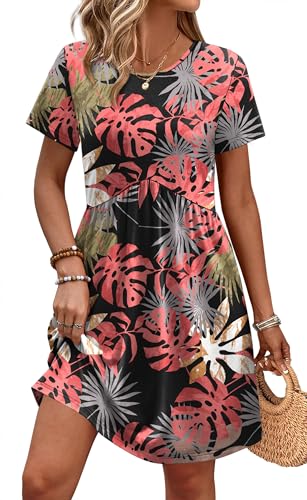

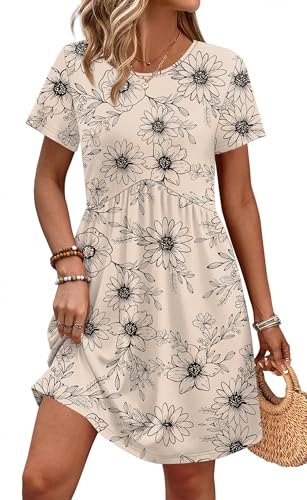
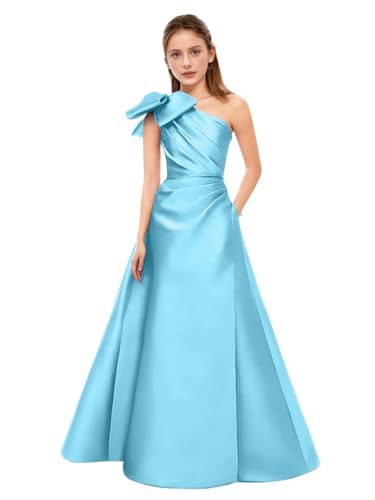
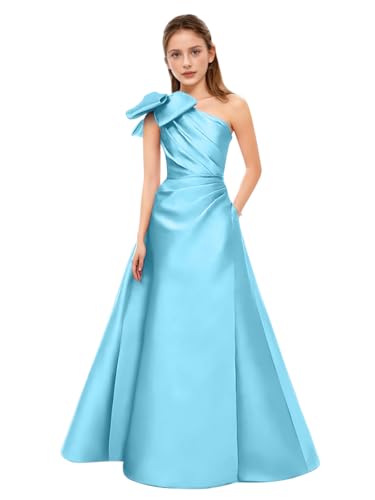





Infant Flower Girl Dresses: Frequently Asked Questions
What safety features should I check?
Small detachable parts such as beads, buttons and applied flowers, which are choking hazards; long sashes that could wrap; breathability, since babies regulate temperature poorly; and tight elastic at the neck or armholes, which marks skin quickly.
How do I manage diaper changes?
Choose a loose or gathered skirt that lifts, snap fastenings at the crotch, or a back opening that unfastens from the top. A full-length back zip in a fitted bodice means undressing her completely, which is difficult at a venue.
Will she be able to sleep in it?
Only if the bodice is soft-lined and the skirt compresses without crumpling. Stiff tulle and structured bodices press marks into skin and are uncomfortable to nap in, and an infant at a wedding will nap.
Does the dress work in a car seat?
Check before the day. A very full skirt bunches badly under a harness and shoulder decoration can press against the straps. If she will travel in the dress, try it with the harness fastened first.
Should the dress be long?
For a baby who is not walking, floor length is fine and creates no tripping risk. For one who has just started walking, knee or ankle length is much safer. The same dress that worked at eight months may not at fourteen.
How do I size an infant dress?
By weight and length where the listing gives a chart, since those correlate better than age. If only a month range is given, add one bracket rather than ordering exactly.
How early should I order?
As late as delivery times allow. A dress ordered three months ahead may not fit at all by the wedding day. If you must order early, order two sizes and return one.
What should go underneath?
A soft cotton bodysuit. It solves comfort against lace or tulle and makes diaper changes considerably easier, and is worth adding regardless of how the dress is lined.
Will she actually walk down the aisle?
Almost certainly not. Most weddings including a baby have them carried by a parent or older sibling, photographed early, and taken out when needed. Choosing a dress comfortable enough to sleep in makes the day much easier.
Safety Comes First With Infants
Dressing a baby for a wedding raises considerations that do not apply at any other age, and they are worth checking before appearance.
Small detachable parts. Beads, buttons, sequins and applied flowers are choking hazards for anyone still putting things in their mouth. Check how decoration is attached, and pull-test anything applied before the day.
Ties and long sashes. A sash long enough to wrap is a hazard for an infant left unattended. Shorter fixed sashes or bows sewn in place are safer.
Breathability. Babies regulate temperature poorly. Layers of synthetic tulle and satin trap heat, and an overheated baby at a summer wedding will be distressed and difficult to settle.
Neck and armhole openings. Tight elastic at the neck or arm marks a baby's skin quickly. Look for soft, wide openings.
None of this rules out a formal dress. It rules out specific features, and checking them takes a minute.
Diaper Access
The single most practical consideration, and the one most often discovered too late.
A dress that has to come off entirely for a change is a problem at a wedding, where the changing facilities may be a car boot or a cloakroom counter. A full-length back zip in a fitted bodice means undressing her completely.
What works: a loose or gathered skirt that lifts, snap fastenings at the crotch on romper-style pieces, and back openings that unfasten from the top rather than requiring the whole dress to be removed.
Check this specifically in the listing photographs. It is rarely mentioned in the description and it will affect your day more than any other single feature.
Naps, Car Seats and Being Carried
An infant at a wedding will spend much of the day being held, strapped into a car seat, and asleep. The dress has to work through all three.
Stiff tulle and structured bodices are uncomfortable to sleep in and press marks into skin. A soft-lined bodice and a skirt that compresses without crumpling is better for a baby who will nap.
Car seat straps run over the shoulders and between the legs. A very full skirt bunches badly under the straps, and decoration at the shoulder can press against the harness. If she will travel in the dress, check the fit under a harness before the day.
Being carried means the dress is against an adult's clothing for hours. A scratchy skirt is uncomfortable for whoever is holding her as much as for her.
Fabric
Lace at around a fifth and tulle at a similar share are the most common formal fabrics here, and both need a soft lining next to the skin.
Cotton and cotton-blend linings are the most comfortable for an infant and the most breathable. Where a dress is unlined or lined in polyester, a soft cotton bodysuit underneath solves both comfort and the diaper access problem at once, and is worth doing regardless.
Satin appears throughout as a bodice and sash fabric. It shows marks readily, which with an infant is a near certainty rather than a risk.
Sequin, at around one in eight listings, is best avoided at this age for the reasons above.
Length
Length works differently for an infant than for a walking child.
For a baby who is not yet walking, a long dress is decorative rather than practical and does not create a tripping risk, so floor length is genuinely an option. What matters more is that it does not tangle when she is picked up.
For a baby who has just started walking, a long hem is a real hazard and knee or ankle length is much safer. This is the point at which the same dress that worked at eight months does not work at fourteen.
Around one in eight listings here is described as long. Most of the collection sits at shorter lengths, which reflects how the category is actually used.
Sizing an Infant
Infant sizing is by month, and it is the least reliable measurement of any age range because babies grow at very different rates.
Order by weight and length where the listing gives a chart, since those correlate better than age does. If it gives only a month range, add one bracket rather than ordering exactly.
Time matters more here than at any other age. A dress ordered three months before the wedding may not fit at all by the day. If you must order early, order two sizes and return one, or order as late as delivery times allow.
Coordinating and Realistic Expectations
Nearly three in ten listings mention weddings directly, and the coordination approach is the same as for older flower girls: echo the party rather than match it exactly, and match tone carefully if the bride is in ivory rather than white.
The realistic expectation is worth stating. An infant will not walk down an aisle, will not scatter petals, and may well be asleep or crying during the ceremony. Most weddings that include a baby have them carried by a parent or older sibling, photographed early, and taken out when they need to be.
Choosing a dress that is comfortable enough for her to sleep in makes all of that considerably easier.
What to Bring
A spare outfit, because something will happen. Extra changing supplies, since the venue may have none. A soft cardigan for temperature changes. And a familiar comfort item, which matters more than anything the dress does.
Related Collections
For walking children, see flower girl gowns. For sleeved styles, browse long sleeve flower girl dresses. For everyday girls' wear, see floral dresses for girls.