
Yellow Flower Girl Dresses for Weddings
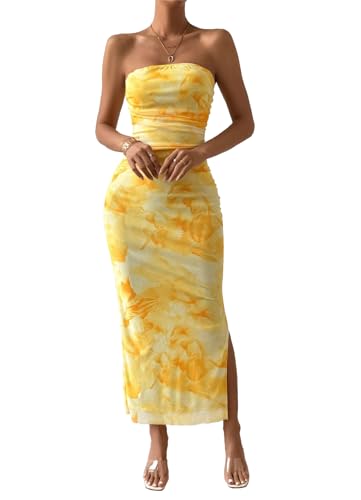
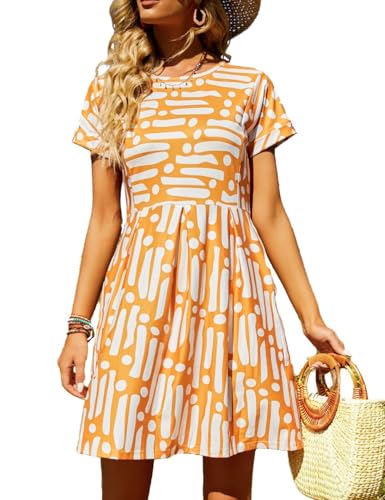
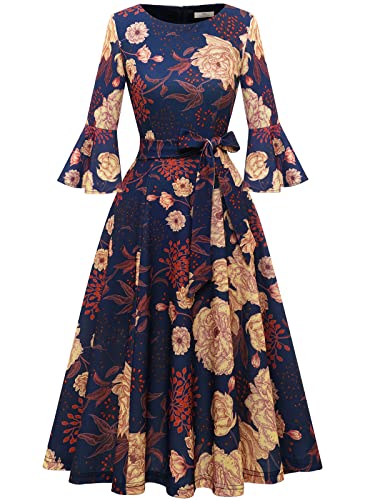
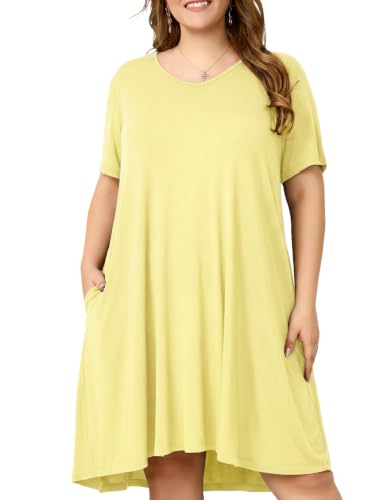
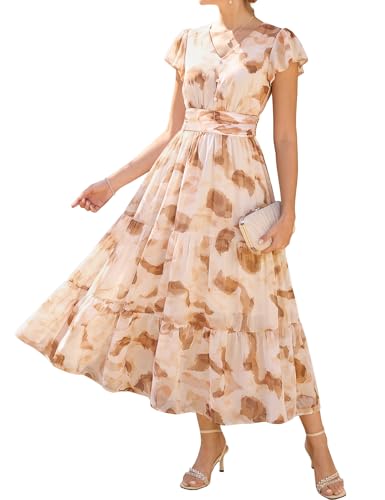
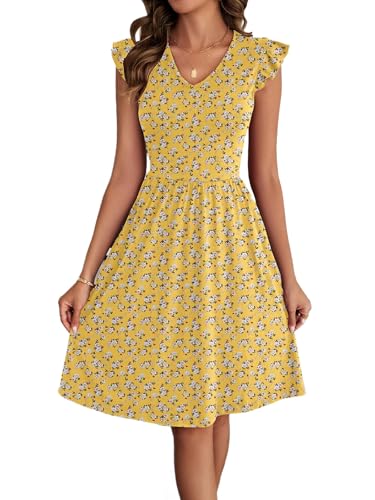
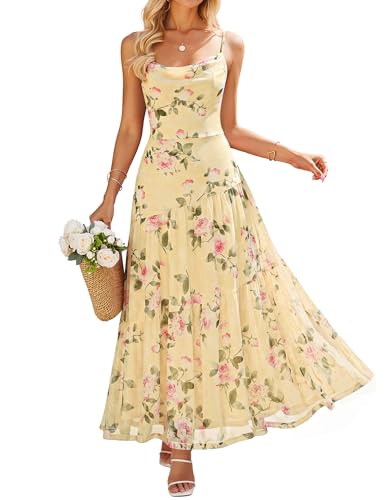
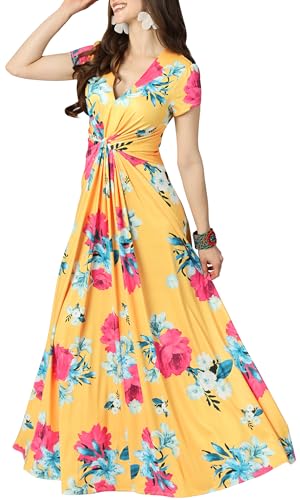
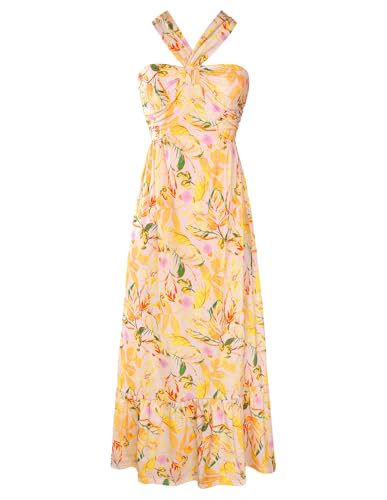
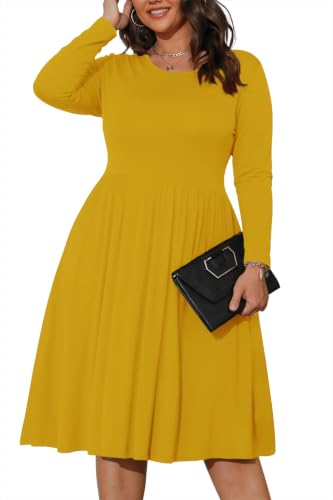
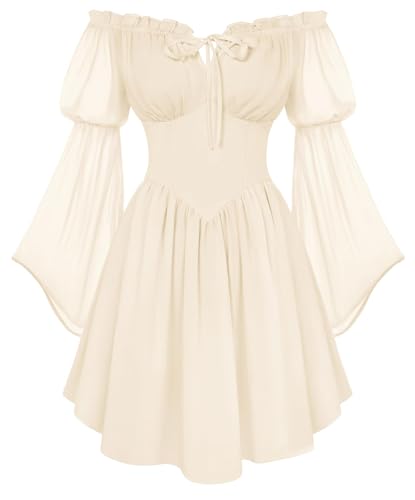
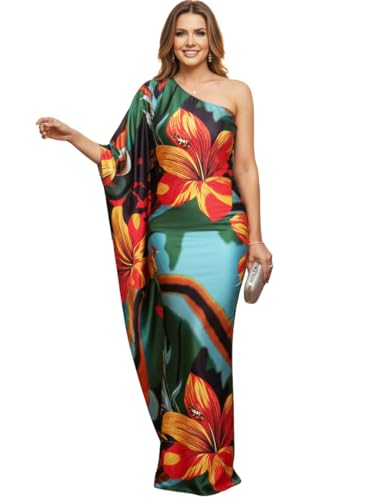
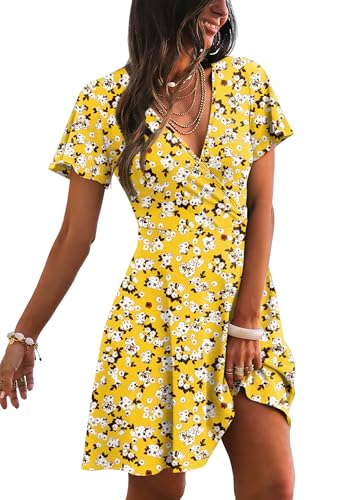
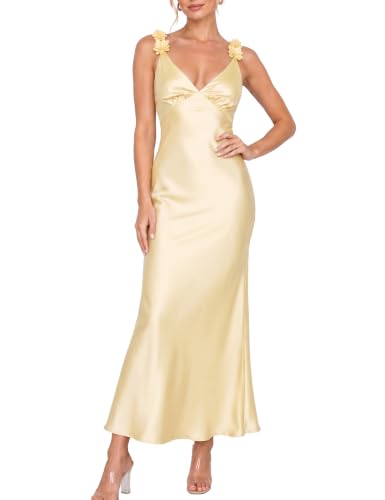
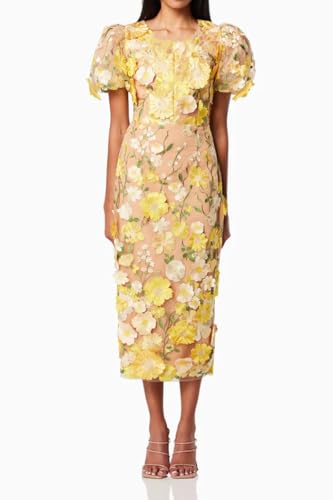
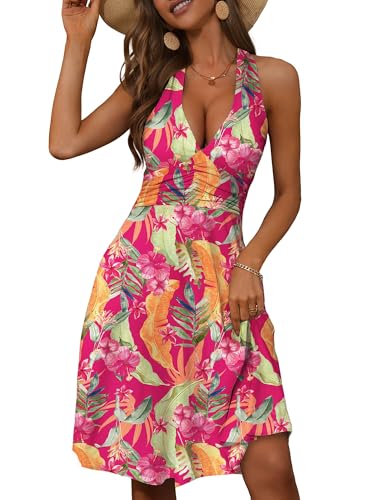
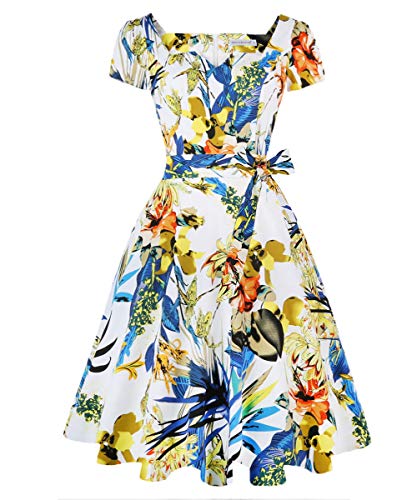
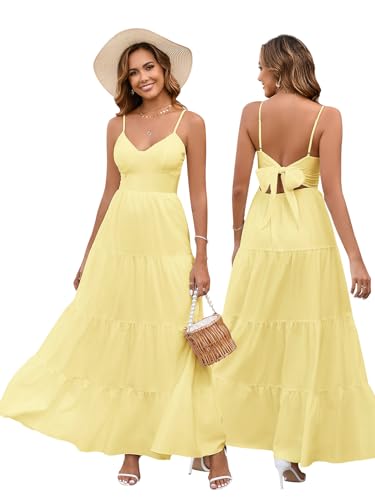
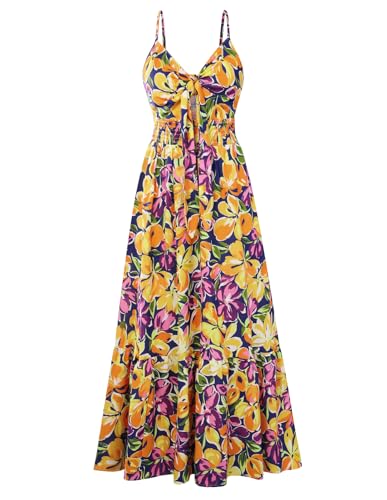
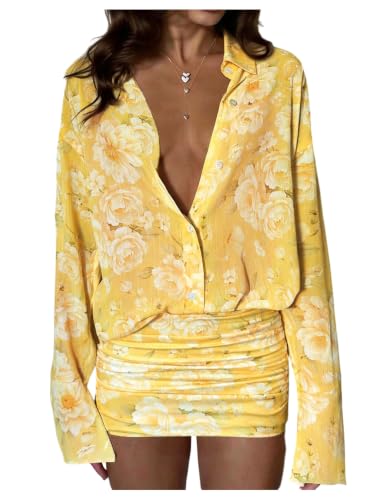
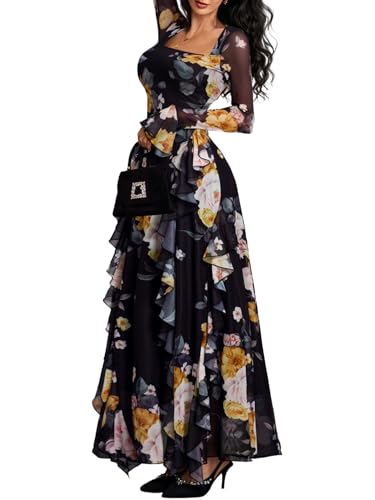
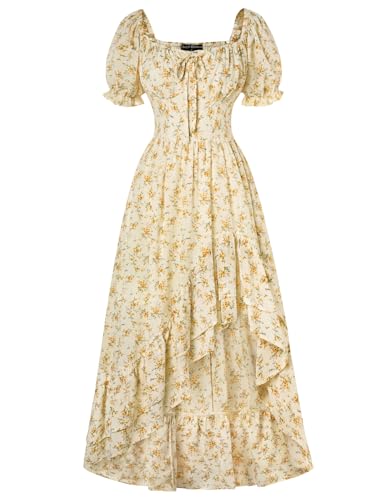
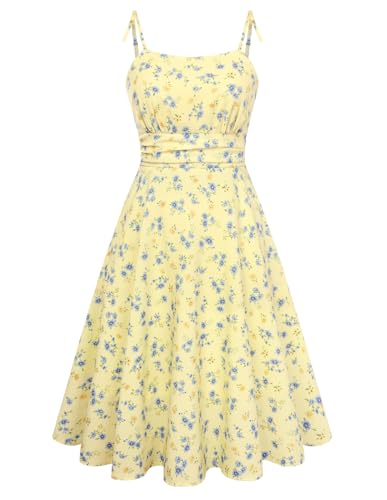
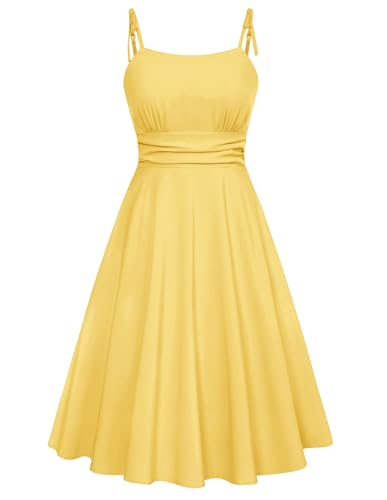
Yellow flower girl dresses add warmth to spring flowers, summer sunshine, garden venues, rustic details, and autumn palettes. Compare butter yellow, lemon, golden, mustard, floral, tulle, satin, lace, tea-length, and formal styles in the product grid.Yellow varies widely. Butter and vanilla are soft, lemon is crisp, marigold is saturated, and mustard or ochre feels earthy. Fabric and lighting change the result. For a metallic direction, browse gold flower girl dresses; for a warm neutral, review champagne flower girl dresses.Choose for the real venue and child. Light chiffon may suit a hot garden, while satin or sleeves can work in cooler weather. Verify measurements, lining, opacity, closure, seller, delivery, and returns.



Frequently Asked Questions About Yellow Flower Girl Dresses for Weddings
What shade of yellow is best?
Butter is soft, lemon is bright, and mustard or marigold suits rustic and fall palettes.
What colors go with yellow?
White, ivory, navy, dusty blue, sage, lavender, blush, burgundy, tan, brown, and gold can coordinate.
Can yellow look formal?
Yes. Structured satin, organza, or full tulle can make yellow suitable for formal weddings.
Can yellow work in fall?
Yes. Mustard, ochre, marigold, and golden yellow pair with rust, burgundy, green, and dried florals.
Which fabric suits summer?
Light chiffon, soft tulle, breathable lining, and a simple A-line are practical.
How do I know if it is too bright?
Compare customer photos and inspect the dress outdoors beside the wedding colors.
How should I measure?
Measure chest, waist, height, and required length using the exact retailer chart.
What accessories work?
Ivory, nude, tan, brown, gold, white, blue, or green accessories can work in restrained amounts.
What should I verify online?
Check seller, delivery, returns, size chart, lining, fabric, closure, included accessories, and care.
Choose the Yellow Shade First
Butter yellow blends with ivory, blush, sage, pale blue, and spring flowers. Lemon creates high contrast with navy or green. Marigold and golden yellow suit late summer and fall. Mustard or ochre supports rustic, bohemian, and earthy decor.
Use a physical reference rather than the name alone. Satin intensifies highlights, chiffon looks quieter, and tulle can soften a deeper lining.
Fabrics and Color Behavior
Layered tulle creates soft volume; chiffon moves in outdoor air; satin looks formal; lace or floral embroidery connects yellow to garden themes. Pale fabrics require complete lining because strong sunlight can reveal transparency.
Compare tulle flower girl dresses, satin flower girl dresses, and floral dresses for girls when construction is the deciding factor.
Spring and Garden Weddings
Butter and lemon yellow complement tulips, daffodils, roses, greenery, and daytime venues. Tea length keeps hems away from damp grass. A small flower crown can reinforce the season, but it should be secure and proportional to the child.
Spring temperatures change quickly, so plan a cardigan that fits without crushing the dress.
Summer and Beach Settings
For summer, use breathable lining, limited layers, and a length that allows movement. Yellow becomes brighter in direct sunlight, so inspect the dress outdoors. For sand or destination travel, avoid rigid skirts and long trains.
Review beach flower girl dresses before using a heavy yellow gown at a coastal ceremony.
Fall and Rustic Palettes
Mustard, marigold, and golden yellow coordinate with rust, burgundy, forest green, brown, terracotta, and dried flowers. Lace, textured fabric, and A-line shapes suit barns, farms, and vineyards.
Compare rustic flower girl dresses when the venue calls for natural texture and less formal construction.
Photography and Accessories
Warm bulbs, shade, sunset, and camera editing can shift yellow. Photograph the dress in daylight beside the planned flowers and bridesmaid fabric. A color that looks creamy indoors may become vivid outside.
Ivory, nude, tan, brown, gold, white, blue, or green accessories can work. Keep them simple when the dress already has floral print or a saturated shade.
Measure Before Choosing a Size
Children’s formalwear sizing is inconsistent, so a yellow flower girl dress should be selected from current measurements rather than the age printed in the listing. Record the chest, natural waist, standing height, and the listing’s required shoulder-to-hem or hollow-to-floor length. For long styles, measure while the child wears the intended shoes. Add shoulder width and sleeve length when the bodice is fitted or has long sleeves.
Compare fresh body measurements with the chart on the chosen yellow-dress page, not a generic marketplace chart. Leave reasonable time for exchange or minor tailoring, but do not buy several sizes larger for growth. Excess width can make straps slip, and excess length can move under the shoes. Let the young attendant sit, stoop, reach upward, and practice her entrance before the return deadline. Apply this point to the selected category style and the child who will wear it.
Comfort and Safety Checks
Bright color cannot compensate for a transparent lining, scratchy tulle, or an overheated child. Check the lining and seam finish rather than judging the yellow exterior alone. Feel the zipper guard, armholes, waist seam, underskirt, appliqué backing, labels, and any elastic. A dress that irritates one area during a ten-minute fitting may become intolerable during a ceremony and reception.
- Confirm that the hem remains clear of the shoes.
- Check that bows, sashes, straps, and sleeves stay in place for yellow flower girl dresses for weddings. Confirm this on the exact listing.
- Avoid loose beads, pins, or detachable pieces when choosing yellow flower girl dresses for weddings. Recheck every attachment during the fitting.
- Use broken-in shoes with secure closures and reliable grip.
- Pack a practical layer and a comfortable reception outfit alongside yellow flower girl dresses for weddings when needed. Apply this plan to the chosen garment.
Coordinate Without Forcing an Exact Match
Yellow can contrast with navy, blue, sage, lavender, blush, or burgundy without matching the bridesmaids exactly. Different brands, fibers, and lighting make exact matching difficult. A deliberate lighter or darker tone often looks better than two garments that almost match. Repeat one element—such as a sash, bouquet ribbon, lace motif, shoe color, or flower—to connect the child to the wedding party.
Picture the full wedding party and floral arrangement together, not the dress in isolation. The bride, bridesmaids, suits, flowers, venue background, and child’s height all affect the final balance. Keep accessories restrained when the dress already has a strong color, shine, pattern, or full skirt. Use this guidance with the exact listing, venue, and flower girl in mind.
Shopping Through an Affiliate Category
MotherBrideDress.com functions as an affiliate discovery site. A dress link can transfer you to Amazon or another outside seller, where the current seller, price, inventory, delivery estimate, specifications, and return policy are controlled. Verify those live details on the final product page before purchasing. Judge this detail on the actual garment rather than as a general category assumption.
Look for ordinary outdoor customer photos because studio editing can change saturation and make pale lining appear more opaque. Examine recent shopper reports for recurring comments about sizing, color accuracy, lining, zipper quality, loose decoration, comfort, and shipping condition. Unedited customer images often reveal proportions and fabric behavior more clearly than a styled studio image. Confirm whether every pictured sash, petticoat, headband, or accessory is included.
Ordering, Alterations, and Final Fitting
Yellow lace edges, several tulle layers, and floral appliqués may require more alteration time than a plain A-line dress. Work backward from the wedding date and the retailer’s return deadline. Allow time for delivery, inspection, exchange, safe wrinkle removal, and tailoring. Common adjustments include shortening the hem, tightening straps, moving a waistband, or taking in the bodice; decorative edges and multiple skirt layers can make those changes more difficult.
Schedule the final outfit check with the intended shoes, socks or tights, undergarments, sash, and outer layer. Photograph the outfit in daylight and venue-like light. Store the dress in a breathable garment bag and keep it away from food, moisture, pets, and direct sun. Adapt this recommendation to the child’s measurements and the ceremony conditions.
Care and Wedding-Day Preparation
Pale yellow shows stains while satin may show water marks, so follow the exact care label. Follow the garment label before washing, pressing, or steaming. Synthetic mesh, satin, glued stones, lace, and embroidery may react differently to heat and water. Test any permitted method on a hidden area and avoid experimenting on the wedding morning.
Carry a small fabric-care and repair pouch with a lint roller, safety pins, fashion tape, tissues, and a stain product known to be safe for the material. Let the child eat before dressing when practical, keep colored drinks away until formal photographs are complete, and use the backup outfit if the ceremony dress becomes restrictive. Review this issue again when the specific product arrives for fitting.
Common Buying Mistakes
- Choosing a shade from its name without checking undertone.
- Ignoring how bright yellow becomes in sunlight.
- Using a long hem on grass, sand, or stairs.
- Ordering by age rather than measurements.
- Combining multiple bright accessories and floral patterns.
- Skipping the lining and transparency check.
- Assuming every pictured accessory is included.
Make the Final Decision
A successful yellow dress uses the right shade and fabric for the season while keeping the child cool, covered, and mobile. Use the product grid to compare the current options, then verify the retailer’s measurements and policies. The strongest choice is not automatically the most ornate design; it is the one that fits the wedding, fits the child, and remains manageable throughout the event.
For more wedding styles, browse wedding flower girl dresses or girls’ dresses for weddings. Related categories linked throughout this guide can help narrow the decision by fabric, shade, season, or venue. Treat this as a product-level check, not a promise about every style in the category.
Using Yellow Without Overloading the Wedding Palette
Yellow already has visual energy, especially in lemon or marigold shades. It usually works best when repeated in a few deliberate places: bouquet centers, ribbon, stationery, table flowers, or a small detail in the ring bearer’s outfit. Repetition makes the flower girl look integrated rather than randomly bright.
A neutral dress with a yellow sash is a lower-intensity alternative. Conversely, a full yellow dress may be appropriate when the ceremony uses sunflowers, citrus, school colors, or a bold garden scheme. Decide the desired intensity before selecting accessories.
Yellow and Skin-Adjacent Lighting
The concern is not whether a shade “suits” a child according to a rigid rule; it is how the dress, venue light, and surrounding colors interact. Very warm indoor light can make mustard appear brown or butter yellow look cream. Cool shade can make lemon appear greener.
Photograph the complete outfit near a window and outside. If the dress reflects an unexpected tone onto the face, a white collar, neutral floral crown, or different nearby accessory may balance the image. The child should still be comfortable and recognizable rather than styled around a theoretical color formula.
Yellow Dress Planning Checklist
- Name the target shade using a physical reference, not only “yellow.”
- Check opacity in direct sun.
- Decide whether the color should be pastel, vivid, earthy, or golden.
- Match the hem and fabric to grass, sand, heat, or indoor flooring.
- Limit accessories when the dress uses a floral print.
- Confirm the shade beside navy, sage, blush, or other major wedding colors.
These steps help distinguish a wedding-ready yellow dress from an attractive product that does not belong with the actual ceremony design.
Yellow Floral Details and Bouquet Coordination
A yellow dress does not require a matching yellow bouquet. White flowers and greenery can calm a vivid shade, while blue or lavender flowers create contrast. If the fabric already has sunflower, daisy, or botanical print, use a simple basket or single bloom so the child is not surrounded by competing patterns.
When yellow appears only as an accent in the wedding, a sash, embroidered flower, or underlayer may be more effective than full color. This keeps the flower girl connected to the palette while preserving ivory or white near the bridal gown.
Managing Yellow Fabric Outdoors
Light yellow can show grass marks, pollen, makeup, and food. Darker mustard may hide some marks but absorb more heat. Keep the child off damp ground before the ceremony and carry the skirt when moving through preparation areas, without teaching her to hold it during the actual aisle walk.
Wind changes chiffon and tulle, while direct sun changes perceived brightness. Test the complete outfit outdoors with the intended lining, shoes, and accessories. A backup dress or reception outfit protects both comfort and photographs if weather conditions become difficult.
Yellow Dress Reuse After the Wedding
A simpler yellow A-line or tea-length dress may be reused for spring photographs, birthday events, family celebrations, or another formal occasion. Before treating reuse as a reason to buy, consider whether the child will outgrow it and whether the care instructions support repeated wear. Removable sashes and restrained decoration usually make restyling easier than a heavily themed gown.