
Champagne Flower Girl Dresses for Weddings
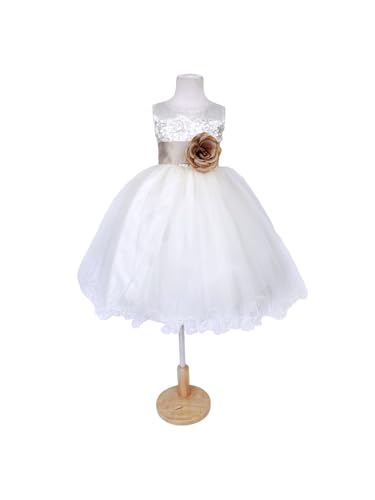
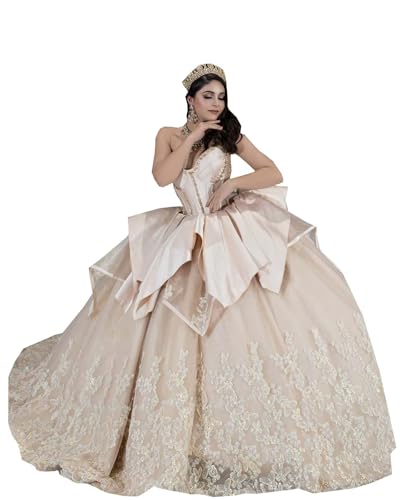
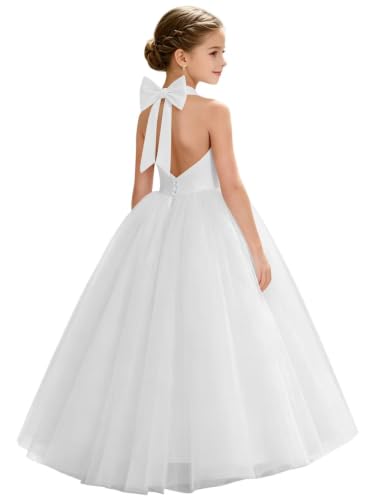
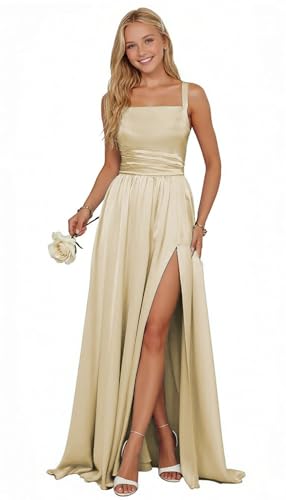
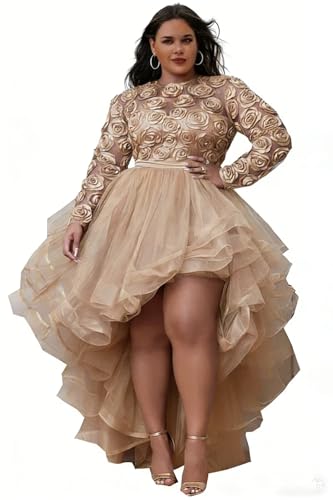
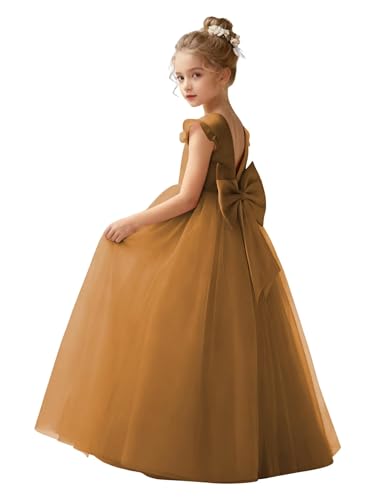
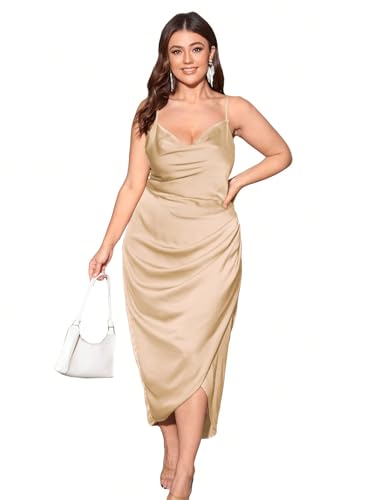
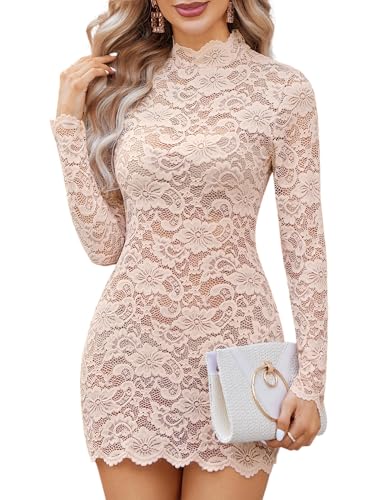
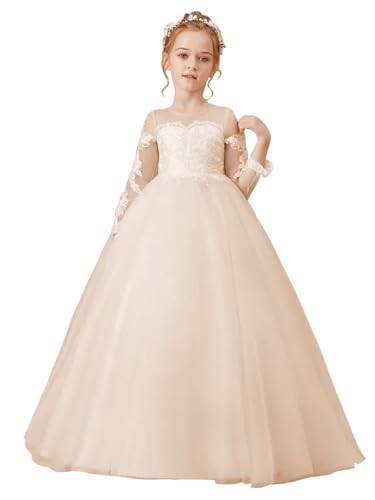
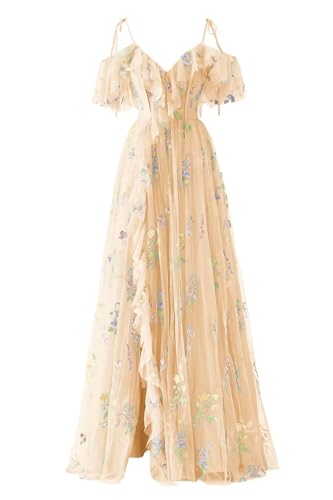
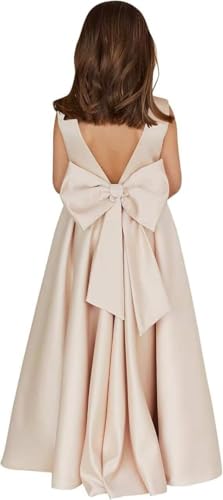
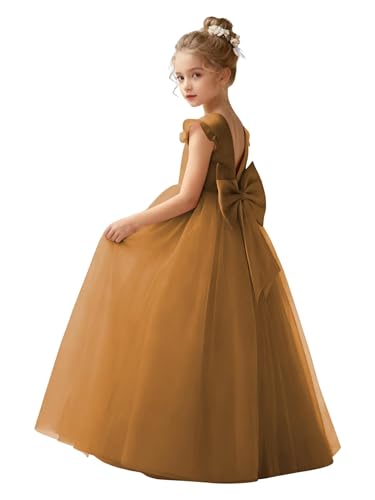
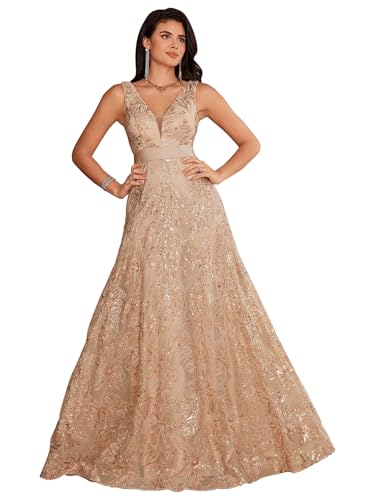
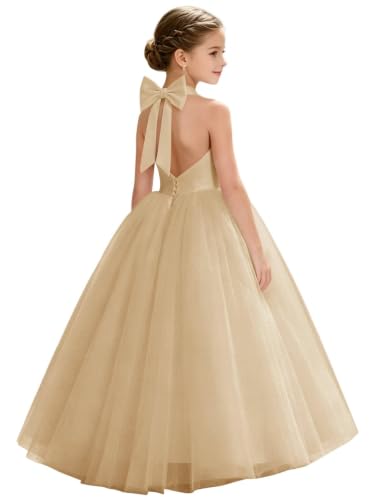
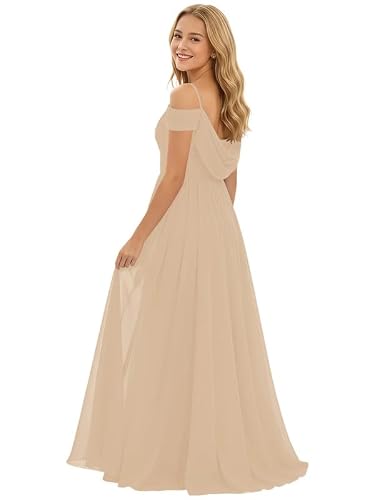
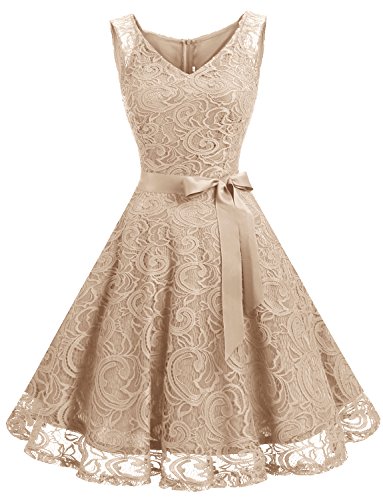
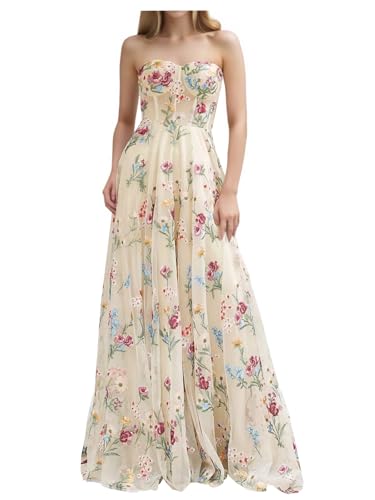
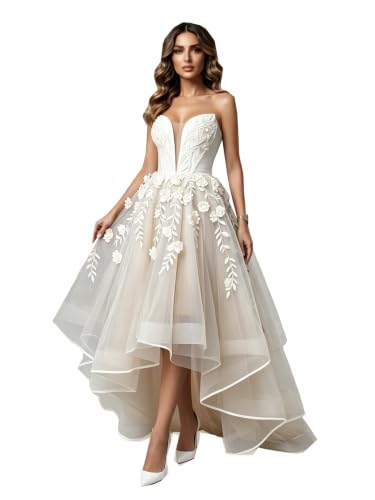
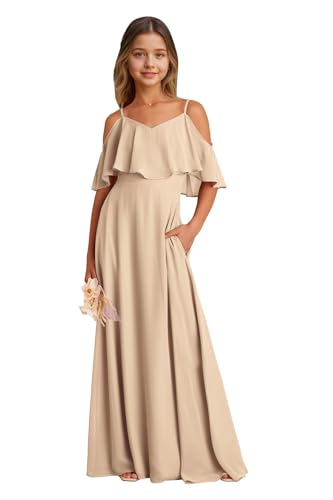
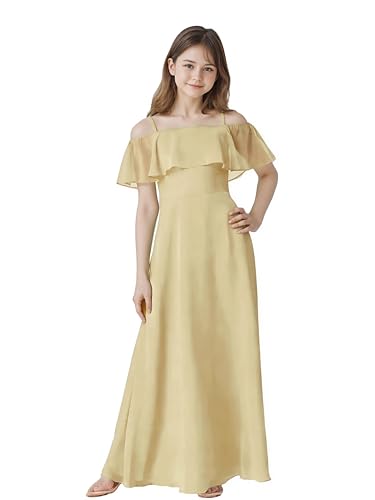
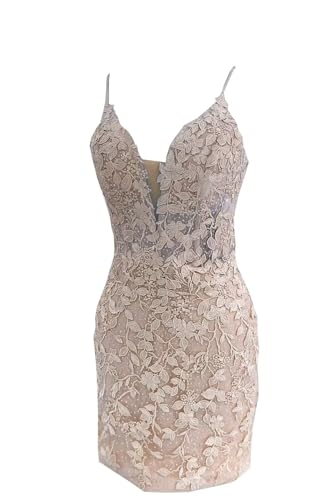
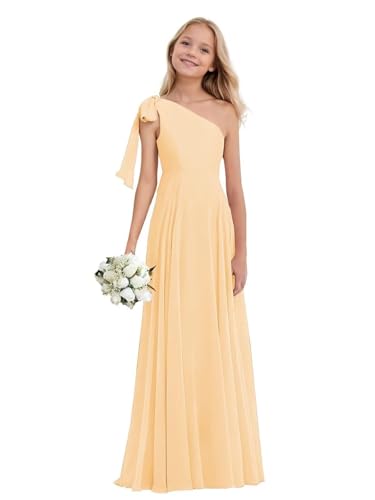
Champagne flower girl dresses offer a soft, warm alternative to bright white while still looking polished in wedding photos. The shade can range from pale cream and beige-gold to a deeper neutral with subtle blush or metallic undertones, so it works with romantic, rustic, modern, formal, and destination wedding palettes. In the product grid below, you can compare champagne dresses in child-friendly silhouettes, including A-line, tea-length, ball-gown, satin, lace, and tulle styles.
Start with the wedding’s overall color direction, then check each listing’s fabric, lining, closure, length, and size chart. “Champagne” is not identical across brands, and screen colors can vary, so compare customer photos and product details rather than relying on the color name alone. For a coordinated bridal-party look, champagne can sit between classic ivory flower girl dresses and more reflective gold flower girl dresses.
Comfort matters as much as appearance. A flower girl may walk, sit, play, and dance in the same dress for hours. Look for smooth lining, manageable skirt volume, secure straps or sleeves, and a hem that does not interfere with her steps. Browse the options below, shortlist the styles that fit the venue and season, and verify measurements before ordering.








Frequently Asked Questions About Champagne Flower Girl Dresses
What color is a champagne flower girl dress?
Champagne is a warm neutral that may appear pale beige, cream, soft gold, sand, or slightly blush depending on the fabric and brand. Satin often looks more reflective, while tulle and lace create a softer finish. Compare product details and customer photos because the color name is not standardized.
Can a flower girl wear champagne if the bride wears ivory?
Yes. Champagne and ivory usually create a gentle tonal contrast rather than a clash. The colors do not need to match exactly. Repeating one detail, such as ivory lace, a champagne sash, or matching flowers, can connect the flower girl’s outfit to the bridal look.
What wedding colors go with champagne flower girl dresses?
Champagne coordinates with many palettes, including blush, dusty rose, sage, burgundy, navy, emerald, rust, black, ivory, and warm metallics. Choose accessories based on the undertone of the actual dress and the wedding’s flowers, bridesmaid dresses, and venue decor.
Are champagne flower girl dresses suitable for beach weddings?
Champagne works well with sand, tropical greenery, natural wood, and sunset colors. For a beach ceremony, prioritize lightweight fabric, breathable lining, a manageable hem, and secure shoes. Avoid a very heavy skirt or long train that will be difficult on sand.
How should I measure a child for a flower girl dress?
Take fresh chest, natural-waist, height, and shoulder-to-hem or hollow-to-floor measurements, following the retailer’s exact chart. Measure with the intended shoes for a long dress. Do not select a size only from the child’s age because formalwear sizing varies by brand.
Should a flower girl dress be floor length or tea length?
Either can work. Floor-length dresses suit formal weddings and older children when the hem is correctly fitted. Tea-length and knee-length dresses are easier for younger or active children to walk in and often suit daytime, outdoor, and warm-weather ceremonies.
What fabric is most comfortable for a champagne flower girl dress?
Comfort depends more on lining and construction than on the outer fabric alone. Soft-lined chiffon, tulle, satin, and lace can all work. Check the neckline, armholes, waistband, seams, appliqués, and underskirt for rough areas, and let the child sit and walk in the dress.
How early should I order a flower girl dress online?
Order with enough time for delivery, inspection, exchange, steaming, and alterations while considering how quickly the child is growing. Review the seller’s estimated delivery and return deadline, then build in a buffer rather than planning around the latest possible arrival date.
How can I tell whether an online champagne dress will match the wedding palette?
Compare multiple product photos, customer-uploaded images, fabric descriptions, and available swatches. View the dress in daylight after it arrives. Exact matching is difficult across different brands, so aim for coordinated undertones and repeated details rather than identical color.
How to Choose a Champagne Flower Girl Dress
A champagne flower girl dress should connect the youngest member of the wedding party to the overall celebration without making her look like a miniature adult. The strongest choice usually balances four things: the wedding palette, the child’s age, the formality of the event, and practical comfort. A formal ballroom wedding may support a fuller skirt, satin bodice, or beaded detail. A garden, barn, or beach ceremony often works better with a lighter A-line dress that is easy to walk in.
Do not treat “champagne” as one exact color. Retailers may use the term for pale beige, warm ivory, soft gold, taupe, sand, almond, or a neutral with a faint pink cast. Two dresses described as champagne can look different side by side, especially when one is satin and the other is matte tulle. If exact coordination is important, compare product photos in daylight, customer-uploaded images, fabric descriptions, and any available swatch information. The dress does not need to match every other garment precisely. A slight variation often adds depth and looks intentional in photographs.
Why Champagne Works in Wedding Color Palettes
Champagne is popular because it behaves like a neutral while bringing more warmth than pure white. It can complement ivory bridal gowns, blush bouquets, greenery, wood accents, gold table settings, and many bridesmaid colors. It also photographs softly against both indoor and outdoor backgrounds. Instead of creating a sharp contrast, champagne usually blends into the visual story of the ceremony.
The shade is especially useful when the bride wants the flower girl to look bridal-party appropriate without wearing the same white as the wedding gown. It can also create a subtle bridge between an ivory dress and warm metallic accessories. For weddings built around rose, peach, mauve, or dusty pink, compare this collection with blush pink flower girl dresses. For traditional neutral styling, white flower girl dresses provide a brighter alternative.
Popular Fabrics for Champagne Flower Girl Dresses
Satin
Satin gives champagne color a smooth, luminous finish. It suits formal ceremonies, evening receptions, hotel weddings, and classic church settings. A satin bodice with a defined waistband or bow can look structured without needing heavy decoration. The tradeoff is that shiny fabric may show wrinkles, water marks, or fit issues more clearly than textured material. Read care instructions and allow time to steam the dress safely before the wedding.
For a cleaner and more tailored appearance, browse satin flower girl dresses. Check whether the skirt is fully satin or combines satin with tulle, because the two constructions move differently.
Tulle
Tulle creates the light, floating look many shoppers associate with flower girl attire. Layers can add volume without the weight of a heavily structured skirt. Champagne tulle also softens the color, particularly when layered over a lighter or darker lining. Look closely at the number of layers, the softness of the mesh, and whether an underskirt touches the skin. Stiff netting can scratch, so a smooth lining is important.
A tulle skirt can be practical when the hem is correctly sized, but an overly long or very full design may catch on shoes, steps, flower baskets, or chair legs. Compare simpler and fuller options in the tulle flower girl dresses category.
Lace
Lace adds texture and can connect the flower girl’s dress to the bride’s gown without creating an exact copy. Common details include lace bodices, cap sleeves, floral appliqués, scalloped edges, and illusion necklines. For younger children, inspect the inside construction. Decorative lace may look delicate on the outside but feel rough at the neckline or armhole if it is not backed by soft fabric.
Champagne lace works well for vintage, rustic, bohemian, and traditional weddings. A design with limited lace placement is often easier to wear than one covered with raised appliqués or beads. See more texture-focused designs under lace flower girl dresses.
Chiffon and Organza
Chiffon is lightweight and fluid, making it useful for warm-weather ceremonies and older flower girls or junior attendants. Organza is crisper and holds shape more firmly, so it can create a polished skirt without the dense look of satin. Both fabrics are usually layered over lining. Verify that the lining reaches an appropriate length and is not transparent in bright outdoor light.
Silhouettes and Lengths
A-Line Dresses
An A-line silhouette is fitted through the upper body and gradually widens toward the hem. It is one of the most adaptable choices because it allows movement and suits many ages. A simple A-line champagne dress can work at a courthouse ceremony, garden wedding, family reception, or formal venue depending on the fabric and details.
Ball-Gown and Princess Styles
Ball-gown flower girl dresses use a fuller skirt and may include multiple tulle layers, a sash, or a fitted satin bodice. They create a ceremonial look and can feel exciting to a child who enjoys dressing up. However, more volume means more fabric to manage. Before choosing a dramatic skirt, consider aisle width, stairs, outdoor terrain, and the child’s comfort with the outfit.
Fuller styles are better when the dress is not dragging. A tea-length princess skirt can preserve the formal effect while reducing tripping risk. For a broader selection of formal shapes, visit flower girl gowns.
Tea-Length and Knee-Length Dresses
Tea-length and knee-length options expose more of the lower leg and make walking easier. They suit spring and summer weddings, daytime ceremonies, casual receptions, and active younger children. These lengths also highlight shoes, ankle socks, or ballet flats. Confirm the actual garment measurements because “tea length” may sit differently depending on the child’s height.
Floor-Length Dresses
Floor-length dresses fit formal evening weddings and older flower girls, but the hem needs careful attention. A dress that looks elegant while standing may become difficult when the child climbs stairs, carries a basket, or walks on grass. Compare the listed hollow-to-floor or shoulder-to-hem measurement with the shoes she will wear. Avoid planning around a very high heel for a child.
Matching the Dress to the Wedding Style
Classic and Formal Weddings
For black-tie, ballroom, hotel, or traditional church weddings, look for satin, a defined waist, a modest bow, pearl-like details, or a controlled tulle skirt. Champagne can coordinate with black, navy, burgundy, emerald, and metallic wedding palettes. Keep accessories restrained so the dress looks polished rather than costume-like.
Rustic and Bohemian Weddings
Matte champagne, crochet-inspired lace, soft tulle, flutter sleeves, and simple floral crowns work well for barns, vineyards, woodland venues, and relaxed outdoor ceremonies. Avoid assuming that “rustic” means the dress can be uncomfortable or unfinished. The child still needs a smooth lining and secure construction. The rustic flower girl dresses collection may provide additional options with a less formal finish.
Beach and Destination Weddings
For sand, heat, humidity, and travel, prioritize lighter fabric, shorter or manageable hems, breathable lining, and minimal heavy embellishment. Champagne is useful at beach weddings because it complements sand, dried grasses, tropical greenery, and warm sunset tones. A flowing chiffon or light tulle dress usually travels more easily than a rigid layered gown. Compare more venue-specific choices under beach flower girl dresses.
Fall and Winter Weddings
Champagne can look rich in autumn and winter when paired with burgundy, forest green, navy, rust, chocolate, or gold accents. Consider sleeves, a cardigan, bolero, faux-fur wrap, or coat that can be removed for indoor photographs. Browse long-sleeve flower girl dresses when the ceremony or photos will take place in cooler weather.
How to Coordinate With the Bride and Bridesmaids
The flower girl does not need to match the bride or bridesmaids exactly. A coordinated look can come from one repeated feature: a champagne sash that echoes the bridesmaid color, lace similar to the bridal gown, a bouquet using the same flowers, or shoes that match the wedding’s metallic accents. This approach is easier than trying to match fabrics from different manufacturers.
If the bride wears ivory, champagne usually creates a gentle tonal difference. If the bridesmaids wear champagne, the flower girl can wear a lighter ivory-and-champagne combination, a shorter version of the same color family, or a dress with a champagne waistband. If the bridal party wears darker colors, a full champagne dress can provide balance and keep the flower girl visually distinct.
Bring the florist and photographer into the decision when necessary. A dress with a detailed bodice may not need an oversized flower crown. Likewise, a very full skirt may be hidden by a large basket. The goal is a cohesive overall image, not the maximum number of decorative elements.
Choosing the Right Size
Children’s formalwear sizing is inconsistent across brands. The age printed on a label is only a starting point. Use the listing-specific size chart and take fresh measurements close to the order date. The most useful measurements usually include chest, natural waist, shoulder-to-hem length, and height. For long dresses, measure while the child is wearing the intended shoes.
- Chest: Measure around the fullest part without pulling the tape tight.
- Waist: Measure around the natural waist, not where low-rise pants sit.
- Length: Follow the seller’s stated measurement method, because some charts measure from shoulder and others from hollow at the base of the neck.
- Height: Use standing height without guessing from age alone.
Do not automatically size up several sizes “for growth.” Excess fabric at the shoulders, waist, or hem can make the dress unsafe and may require costly alteration. When the wedding is months away, compare current measurements with the brand’s chart, read customer comments about fit, and leave reasonable time for exchange or tailoring. For infants and very young toddlers, browse age-appropriate options such as infant flower girl dresses.
Comfort and Safety Checklist
A flower girl’s experience can affect the ceremony. An uncomfortable child may refuse the dress, pull at the neckline, or become upset before walking down the aisle. Examine comfort before removing tags or reaching the return deadline.
- Check whether the bodice and skirt are fully lined.
- Feel the armholes, zipper, neckline, seams, appliqués, and waistband for rough edges.
- Make sure straps and sleeves stay in place during movement.
- Confirm that the hem clears the shoes and floor.
- Avoid loose beads, detachable decorations, or small accessories for very young children.
- Test sitting, walking, bending, and raising the arms.
- Choose shoes the child can wear safely for the ceremony and photos.
- Pack a backup outfit for the reception when the dress is highly formal or delicate.
For outdoor weddings, also check how the fabric reacts to heat, wind, grass, and uneven ground. A beautiful dress is a poor choice if it prevents the child from moving naturally.
Accessories for Champagne Flower Girl Dresses
Champagne is versatile, so accessories should support the wedding palette rather than compete with the dress. Ivory, nude, soft gold, pale blush, or neutral shoes are common choices. A simple ballet flat, Mary Jane, or low dress shoe is usually more practical than a stiff or slippery option.
Hair accessories may include a small floral crown, ribbon, bow, comb, or understated headband. Match the scale to the child and the dress. If the bodice already has flowers, pearls, or sequins, a plain hair accessory can prevent the outfit from looking overloaded. For a minimalist dress, one textured accessory can add interest.
A sash is useful when you want to connect champagne to another wedding color. Burgundy, sage, dusty blue, blush, navy, and warm metallic sashes can all work, but verify whether the dress includes a removable belt or whether adding one would interfere with the waist construction. Avoid pinning decorations directly to delicate tulle or lace unless a tailor confirms it is safe.
Shopping for Champagne Flower Girl Dresses Online
MotherBrideDress.com is an affiliate shopping site, so product links may take you to a third-party retailer such as Amazon to review and complete a purchase. The retailer—not this category page—controls the current price, inventory, delivery estimate, seller, return terms, and product specifications. Verify those details on the final product page before ordering.
When comparing listings, look beyond the first product image. Review the size chart, material composition, lining, closure, care directions, included accessories, and customer-uploaded photos. Read recent reviews for repeated comments about color accuracy, zipper quality, scratchy fabric, missing pieces, unusual sizing, and shipping condition. A high rating alone is not enough if only a few buyers have reviewed the item.
Check the seller and fulfillment details as well. Similar-looking dresses may be offered by different sellers with different delivery and return policies. Avoid planning an alteration schedule around the earliest possible delivery date. Build in time to inspect the garment, exchange the size, steam wrinkles, and complete any hemming.
Ordering Timeline and Alterations
Order early enough to solve problems but not so early that the child is likely to outgrow the dress. The correct timing depends on age, seller location, delivery estimate, return window, and whether alterations are expected. Start by confirming the wedding date and the last practical date for exchanges. Then work backward to allow time for shipping, fitting, and basic tailoring.
Common adjustments include shortening the hem, tightening straps, moving a sash, or taking in the bodice. Complex beading, lace edges, multiple skirt layers, and finished hems can make alterations more difficult. When a dress is close to the right fit, a professional tailor may preserve the design better than a rushed home adjustment.
Schedule a final try-on with the intended shoes and undergarments. Have the child walk on a surface similar to the venue. Photograph the dress in daylight to check whether the champagne tone coordinates with the bridal-party colors and whether the lining becomes visible.
Care, Wrinkles, and Wedding-Day Preparation
Follow the garment label rather than assuming every formal dress can be washed or ironed. Tulle, lace, glued appliqués, sequins, and synthetic satin can be damaged by high heat. Many wrinkles relax when the dress hangs in a dry room, while others may require cautious steaming. Keep the steamer head away from delicate decorations and test a hidden area first.
Store the dress in a breathable garment bag away from food, pets, moisture, and direct sunlight. Do not leave a heavy flower crown or sash attached if it could crease the bodice. On the wedding day, pack a small kit with stain-removal wipes suitable for the fabric, safety pins, fashion tape, tissues, and a lint roller. Keep snacks and colored drinks away from the dress until after formal photographs when possible.
Common Buying Mistakes to Avoid
- Assuming all champagne shades match: Compare undertones and fabrics before expecting an exact match.
- Ordering by age only: Use current body measurements and the listing-specific size chart.
- Choosing appearance over comfort: Scratchy seams and heavy skirts can become a ceremony problem.
- Ignoring venue conditions: A floor-length gown may not work well on sand, grass, or steep stairs.
- Waiting until the last minute: Delivery, exchanges, steaming, and alterations need buffer time.
- Over-accessorizing: Let the dress, flowers, and wedding palette share the visual attention.
- Relying on stock photos alone: Customer images often reveal the real color, scale, and fit more clearly.
- Forgetting the return policy: Confirm the seller, deadline, condition requirements, and any restocking terms.
Build a Cohesive Flower Girl Look
The best champagne flower girl dress is not necessarily the most ornate option. It is the one that fits the child, supports the wedding’s style, and remains manageable from the processional through photographs and the reception. Use the product grid to compare fabric, shape, length, sleeve coverage, and decorative details. Then verify measurements and retailer information before purchasing.
To explore the broader selection, return to the main flower girl dresses category. Related neutral and warm-color options include ivory, gold, blush pink, and lace designs, while venue-focused collections can help narrow the choice for rustic or beach ceremonies.