
Satin Flower Girl Dresses for Weddings
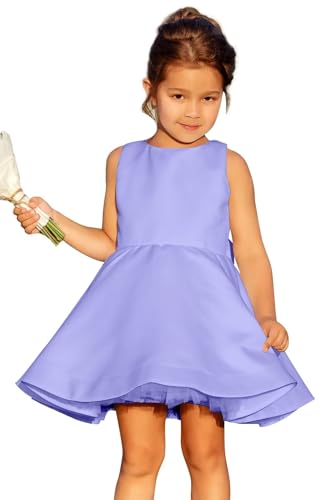
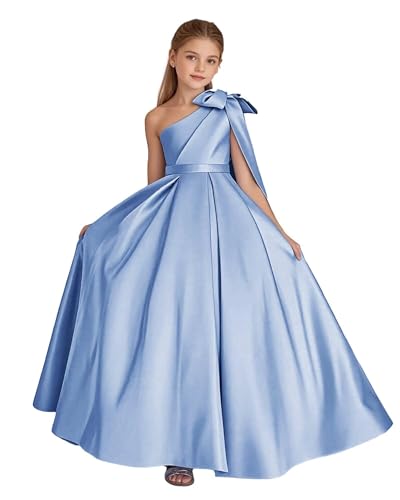
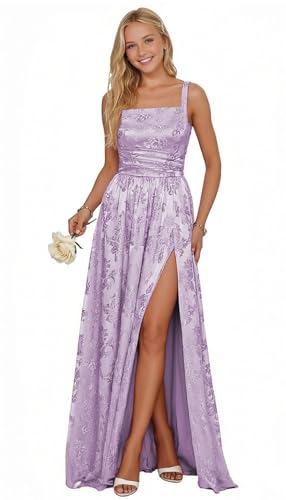
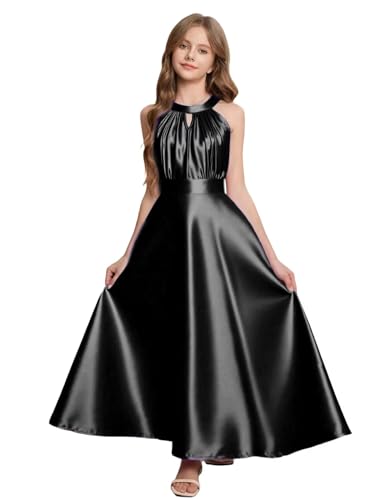
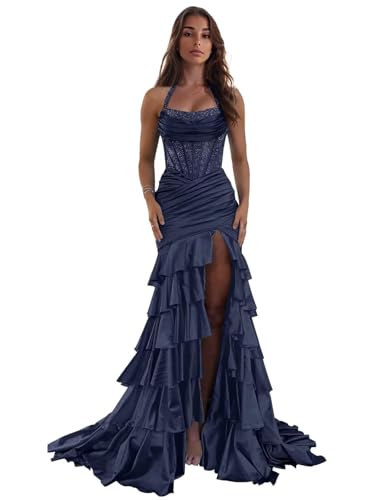
Satin flower girl dresses provide a smooth, polished finish for classic church ceremonies, hotel receptions, black-tie weddings, and coordinated bridal parties. Compare satin A-line dresses, tea-length styles, ball gowns, bows, colored sashes, and satin bodices paired with tulle.Satin describes a weave and surface, not one fixed fiber or weight. A dress may be crisp and structured or light and fluid. Its sheen also changes how ivory, champagne, blush, red, blue, or black appears under daylight and indoor light. Compare champagne flower girl dresses and ivory flower girl dresses when coordinating with a bridal gown.Confirm the lining, zipper, seam finish, skirt weight, measurements, and care instructions. Satin looks exceptionally clean when it fits well, but it reveals wrinkles, pulling, and an incorrect hem more clearly than many textured materials.






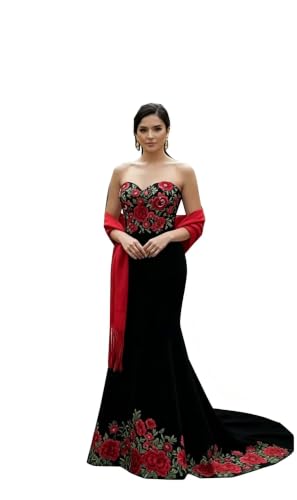

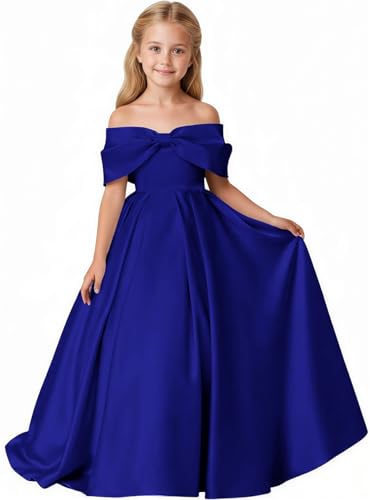
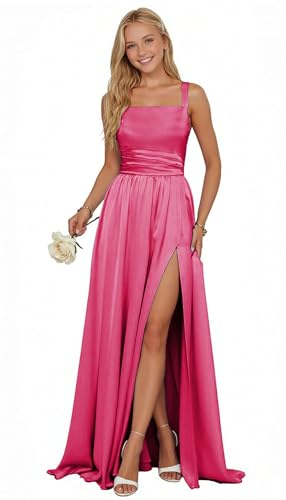
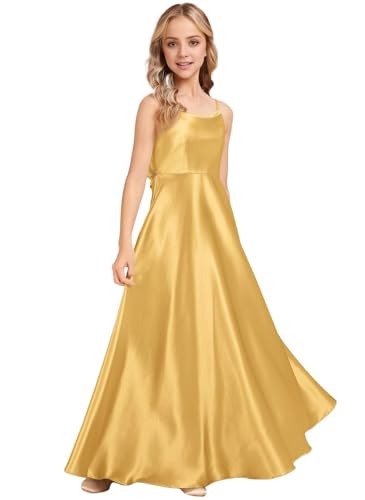


Frequently Asked Questions About Satin Flower Girl Dresses for Weddings
Is satin a good fabric for a flower girl dress?
Yes. Satin looks polished and suits formal, church, ballroom, evening, and winter weddings when the lining and weight are comfortable.
Is satin a fabric or finish?
Satin primarily describes a weave that creates a smooth reflective face. It can use different fibers and weights.
Does satin wrinkle easily?
Many satin dresses show folds and pressure lines clearly. Follow the care label before steaming or pressing.
Which length is easiest?
Tea and knee length are easier for younger children. Floor length can work when measured accurately.
Can satin work in summer?
Yes, when it is lightweight, lined appropriately, and not combined with excessive underskirts.
How should satin fit?
The bodice should lie smoothly without pulling, slipping straps, or a buckled zipper, and the child should move freely.
How do I remove wrinkles?
Use only the method permitted by the label, test a hidden area, and consider professional pressing for structured dresses.
What accessories suit satin?
Simple shoes, a small bow or floral comb, and a modest sash usually complement the natural sheen.
What should I check online?
Review fiber, weight, lining, closure, size chart, care, seller, delivery, returns, and customer photos.
Understand the Satin Used in the Dress
A satin surface reflects light because of its weave, but listings may use polyester or other fibers and widely different weights. Structured satin supports pleats and fuller skirts. Lighter satin drapes closer to the body and may reveal underlayers or pressure lines.
Read the material details and study customer photographs. The word satin alone does not indicate softness, breathability, wrinkle resistance, or warmth.
Popular Satin Constructions
A fully satin A-line dress gives a clean formal outline. A satin bodice with tulle skirt balances polish with youthful volume. Satin with lace or floral appliqué softens the surface, while a defined sash or back bow creates color coordination.
When the skirt is layered, confirm that tulle does not scratch through the lining. Compare tulle flower girl dresses when a light skirt is more important than a completely smooth finish.
How Satin Changes Color
Satin appears lighter on folds facing the light and darker in shadow. White may look cool, ivory creamy, champagne golden, blush peachier, royal blue more vivid, and navy nearly black indoors. Separate brands rarely match exactly.
Use one repeated detail rather than demanding a perfect match: a sash, flower, shoe, or lace motif can connect the child to the bridal party even when the satin differs.
Silhouettes That Suit Satin
A satin A-line is an adaptable formal choice. Tea length helps younger children walk and sit. Ball gowns create ceremony-level drama but need space, accurate hems, and careful weight assessment. Older flower girls may prefer a straighter silhouette.
For a broad formal selection, see flower girl gowns. Avoid narrow skirts that restrict stride or large back bows that press against chairs.
Where Satin Works Best
Satin naturally fits evening, church, ballroom, hotel, and winter weddings. Lighter satin can also work in spring or summer when the dress has limited underskirts and a manageable length. Heavy structured fabric is less practical on sand or in heat.
For a destination venue, compare beach flower girl dresses before choosing a rigid floor-length gown.
Wrinkles, Snags, and Surface Care
Satin commonly arrives folded and may show sitting creases. Follow the care label before steaming or pressing; synthetic satin can scorch, shine, melt, or develop water marks. Test a hidden area and keep heat away from glued decoration.
The surface can snag on jewelry, rough baskets, hook-and-loop fasteners, and walls. Pack a lint roller and fabric-safe emergency supplies, and keep food or colored drinks away until photographs are complete.
Measure Before Choosing a Size
Before ordering a satin flower girl dress, measure the child again even when a dress from the same marketplace was purchased previously. Record the chest, natural waist, standing height, and the listing’s required shoulder-to-hem or hollow-to-floor length. For long styles, measure while the child wears the intended shoes. Add shoulder width and sleeve length when the bodice is fitted or has long sleeves.
Rely on the dimensions supplied for the individual satin listing, not a generic marketplace chart. Leave reasonable time for exchange or minor tailoring, but do not buy several sizes larger for growth. Excess width can make straps slip, and excess length can move under the shoes. Test sitting, reaching, turning, and the planned aisle walk before the return deadline. Apply this point to the selected category style and the child who will wear it.
Comfort and Safety Checks
A smooth outer face does not guarantee a soft interior, and a back bow may press against a chair. Run a hand along the lining, zipper guard, waist seam, and armholes. Feel the zipper guard, armholes, waist seam, underskirt, appliqué backing, labels, and any elastic. A dress that irritates one area during a ten-minute fitting may become intolerable during a ceremony and reception.
- Confirm that the hem remains clear of the shoes.
- Check that bows, sashes, straps, and sleeves stay in place for satin flower girl dresses for weddings. Confirm this on the exact listing.
- Avoid loose beads, pins, or detachable pieces when choosing satin flower girl dresses for weddings. Recheck every attachment during the fitting.
- Use broken-in shoes with secure closures and reliable grip.
- Pack a practical layer and a comfortable reception outfit alongside satin flower girl dresses for weddings when needed. Apply this plan to the chosen garment.
Coordinate Without Forcing an Exact Match
Satin can repeat the bridesmaid color through a waistband or echo the bride through ivory fabric and lace. Different brands, fibers, and lighting make exact matching difficult. A deliberate lighter or darker tone often looks better than two garments that almost match. Repeat one element—such as a sash, bouquet ribbon, lace motif, shoe color, or flower—to connect the child to the wedding party.
Evaluate how the satin surface will read in the entire wedding-party image, not the dress in isolation. The bride, bridesmaids, suits, flowers, venue background, and child’s height all affect the final balance. Keep accessories restrained when the dress already has a strong color, shine, pattern, or full skirt. Use this guidance with the exact listing, venue, and flower girl in mind.
Shopping Through an Affiliate Category
This MotherBrideDress.com category presents affiliate product links. A selected style may continue to Amazon or a separate retail site, where the current seller, price, inventory, delivery estimate, specifications, and return policy are controlled. Verify those live details on the final product page before purchasing. Judge this detail on the actual garment rather than as a general category assumption.
Customer photographs are especially useful because they show real shine, weight, wrinkles, and color under ordinary light. Review current purchaser comments for recurring comments about sizing, color accuracy, lining, zipper quality, loose decoration, comfort, and shipping condition. Real-buyer photos often reveal proportions and fabric behavior more clearly than a styled studio image. Confirm whether every pictured sash, petticoat, headband, or accessory is included.
Ordering, Alterations, and Final Fitting
Removed stitches may leave marks in satin, so use an experienced tailor for hems, straps, or bodice changes. Work backward from the wedding date and the retailer’s return deadline. Allow time for delivery, inspection, exchange, safe wrinkle removal, and tailoring. Common adjustments include shortening the hem, tightening straps, moving a waistband, or taking in the bodice; decorative edges and multiple skirt layers can make those changes more difficult.
Finish the last dress rehearsal with the intended shoes, socks or tights, undergarments, sash, and outer layer. Photograph the outfit in daylight and venue-like light. Store the dress in a breathable garment bag and keep it away from food, moisture, pets, and direct sun. Adapt this recommendation to the child’s measurements and the ceremony conditions.
Care and Wedding-Day Preparation
High heat and untested spot cleaning can permanently alter a satin surface. Follow the garment label before washing, pressing, or steaming. Synthetic mesh, satin, glued stones, lace, and embroidery may react differently to heat and water. Test any permitted method on a hidden area and avoid experimenting on the wedding morning.
Bring a satin-safe preparation kit with a lint roller, safety pins, fashion tape, tissues, and a stain product known to be safe for the material. Let the child eat before dressing when practical, keep colored drinks away until formal photographs are complete, and use the backup outfit if the ceremony dress becomes restrictive. Review this issue again when the specific product arrives for fitting.
Common Buying Mistakes
- Assuming satin identifies the fiber and weight.
- Ignoring horizontal pulling or zipper buckling.
- Ordering floor length without shoe-based measurements.
- Applying high heat without reading the care label.
- Expecting satin from separate brands to match exactly.
- Combining too many shiny accessories.
- Skipping a seated comfort test.
Make the Final Decision
The right satin dress combines a polished surface with secure construction and enough mobility for a child. Use the product grid to compare the current options, then verify the retailer’s measurements and policies. The strongest choice is not automatically the most ornate design; it is the one that fits the wedding, fits the child, and remains manageable throughout the event.
For a wider comparison, open wedding flower girl dresses or girls’ dresses for weddings. Related categories linked throughout this guide can help narrow the decision by fabric, shade, season, or venue. Treat this as a product-level check, not a promise about every style in the category.
Satin Weight and the Child’s Schedule
A structured satin dress may be comfortable during a short ceremony yet tiring during a long reception. Estimate how many hours the child will wear it, how often she will sit, and whether she will travel in the garment. Heavy skirts and large back bows become more noticeable over time.
For an all-day event, consider a lighter satin, tea-length hem, or satin bodice with a softer skirt. Another practical approach is to reserve the formal dress for the ceremony and photographs, then change the child into a simpler outfit for dinner and play.
Inspecting Satin Quality Online
Zoom in on seams, zipper placement, pleats, hems, and bows. Uneven shine in a stock image may come from lighting, but puckered seams and distorted pleats can indicate construction problems. Customer photographs help show whether the skirt holds its shape or collapses differently from the styled image.
Read reviews for recurring comments about thin fabric, visible lining, static, snagging, and water marks. A low-cost satin dress can still be suitable, but expectations should match the actual weight and finishing rather than the formal appearance of the product photography.
Satin Dress Planning Checklist
- Confirm whether the dress is fully satin or combines satin with tulle, lace, or organza.
- Check the listed fiber content and lining.
- Compare the shine under natural and indoor light.
- Inspect the bodice for pulling while the child sits and raises her arms.
- Determine how wrinkles will be removed safely before the wedding.
- Keep rough baskets, jewelry, and hook-and-loop fasteners away from the surface.
This checklist prevents a common mistake: selecting satin for its polished photograph without planning for real movement, travel, chairs, weather, and care.
Choosing Undergarments and Shoes for Satin
Satin can reveal bulky seams, textured waistbands, and twisted linings more clearly than lace or tulle. Use simple, smooth, age-appropriate underlayers that do not create ridges beneath the bodice. Check the dress while standing and seated, because a waistband that looks flat in front of a mirror may roll after the child bends.
Shoes should have secure straps and non-slippery soles. A glossy satin shoe is optional, not required. Ivory, nude, black, blush, navy, or metallic footwear can coordinate with the wedding palette. Break the shoes in separately and check whether the skirt catches on bows, buckles, or glitter.
Transporting Satin to the Venue
Whenever possible, transport the dress hanging in a garment bag with enough room for the skirt. Do not compress a structured bow or pleated waist beneath luggage. If the dress must be folded for travel, place clean tissue between folds and unpack it promptly.
Identify a safe preparation area at the venue. Steam from bathrooms, food preparation, makeup, and crowded dressing rooms can all threaten the surface. Assign one adult to inspect lint, wrinkles, zipper alignment, and the hem before the processional.