
Blush Pink Flower Girl Dresses for Weddings
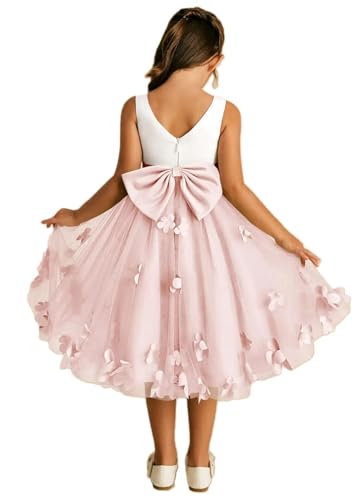
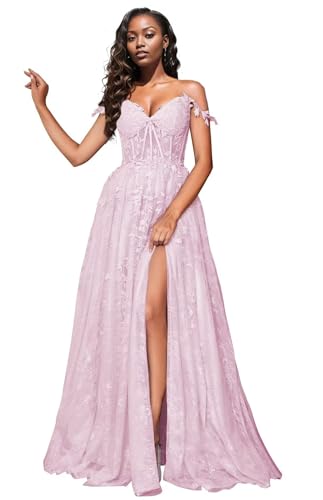
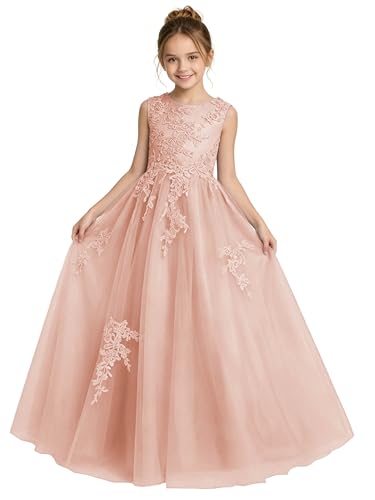
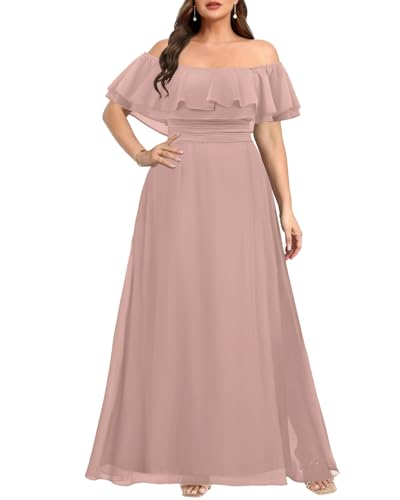
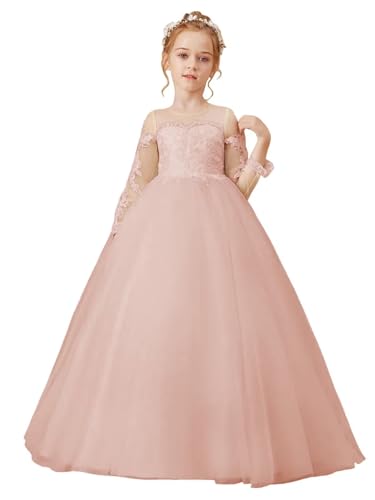
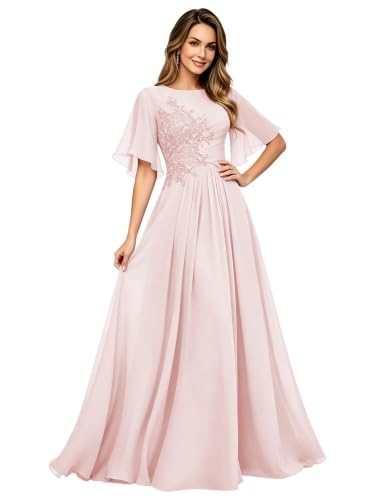
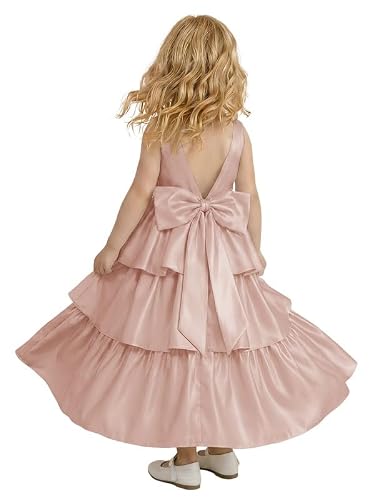
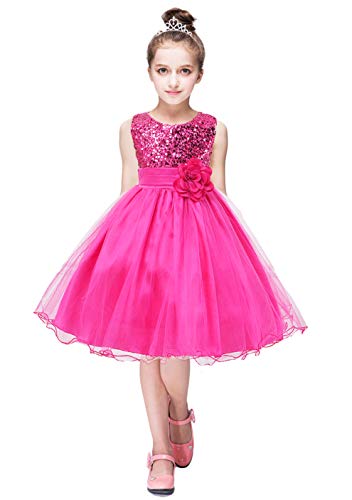
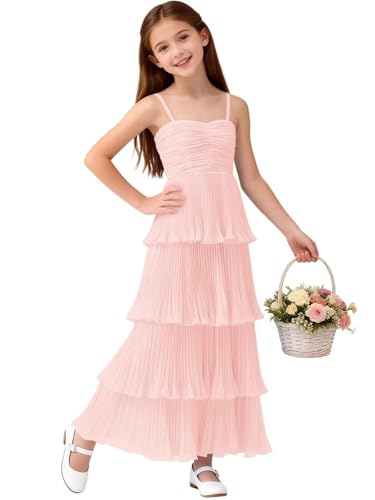
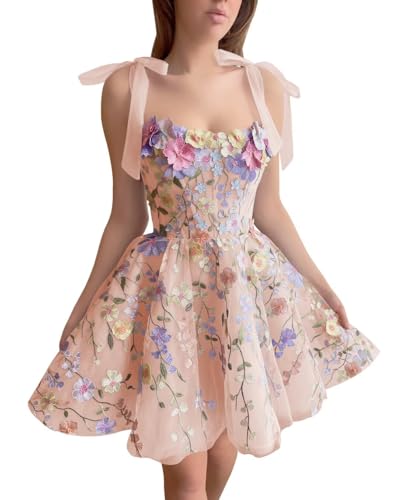
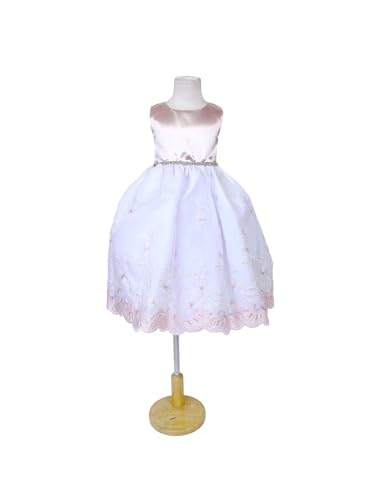
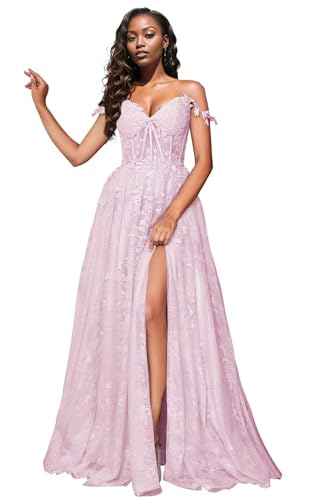
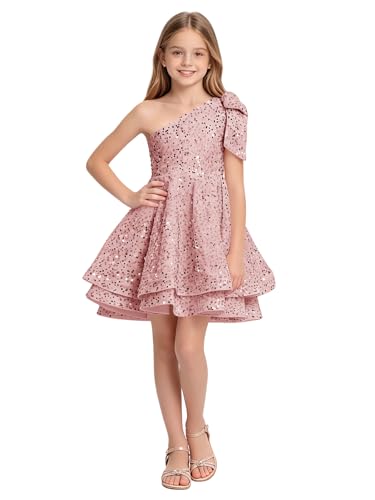
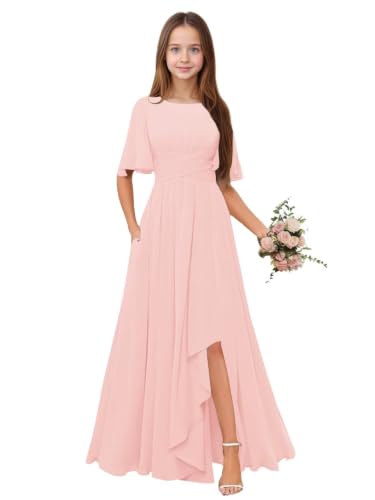
Blush pink flower girl dresses add a soft romantic color without requiring traditional white. Blush may look pale pink, nude-pink, peachy rose, or nearly neutral depending on fabric and light. Compare lace, satin, tulle, A-line, tea-length, long-sleeve, floral-appliqué, and ball-gown styles in the product grid.Begin with the wedding palette. Blush works with ivory, champagne, sage, dusty blue, burgundy, navy, and gold, but one retailer’s blush may resemble another retailer’s rose or peach. Compare dusty rose flower girl dresses for a muted tone and pink flower girl dresses for brighter options.Check the listing-specific size chart, lining, neckline, closure, skirt layers, and hem. The child should be able to walk, sit, carry flowers, and enjoy the reception without rough lace, slipping straps, or excess fabric.










Frequently Asked Questions About Blush Pink Flower Girl Dresses for Weddings
What color is blush pink in a flower girl dress?
Blush is usually pale pink with beige, peach, or nude undertones. Satin may look brighter, while tulle and lace often soften the shade.
Is blush the same as dusty rose?
No. Blush is generally lighter; dusty rose contains more gray or mauve. Retailer names vary, so compare actual photos and swatches.
What wedding colors go with blush dresses?
Blush coordinates with ivory, champagne, sage, dusty blue, burgundy, navy, gold, and silver.
Can a flower girl wear blush if the bride wears ivory?
Yes. Ivory lace, matching flowers, or a coordinated sash can connect the two looks without an identical color.
Which fabric works best?
Tulle is airy, lace adds texture, satin is polished, and chiffon is light. Smooth lining matters more than the fabric name alone.
Can blush work in fall or winter?
Yes. Pair it with burgundy, rust, taupe, or deeper accents, and add season-appropriate sleeves or outerwear.
How should I measure?
Measure chest, natural waist, height, and the listing’s required length, using intended shoes for a long dress.
How early should I order?
Leave time for delivery, inspection, exchange, steaming, and alteration while considering the child’s growth.
How can I confirm the color online?
Use customer photos, fabric details, available swatches, and a daylight comparison after arrival.
Blush Is a Color Family, Not One Exact Shade
Blush usually combines pale pink with beige, peach, or nude undertones. Dusty rose contains more gray or mauve, while rose gold introduces metallic warmth. Retail labels are inconsistent, so compare the actual garment with a bridesmaid swatch, ribbon, invitation, or flower reference.
Satin reflects highlights and may appear peachier; matte chiffon looks quieter; layered tulle softens a strong lining. If the palette is muted, browse dusty rose styles; if it is warm and metallic, compare rose gold flower girl dresses.
Fabrics That Shape the Blush Effect
Soft tulle produces an airy skirt and allows a pale overlay to modify a deeper lining. Lace adds romantic texture and can echo the bridal gown. Satin creates a smoother, more formal surface, while chiffon moves easily at outdoor ceremonies.
Inspect the inside, not only the decorative face. Tulle should not scratch the legs, lace should have soft backing, and appliqués near the underarm should not rub. Compare lace flower girl dresses, tulle flower girl dresses, and satin flower girl dresses when fabric matters more than shade.
Silhouettes for Different Ages
A-line blush dresses allow movement and work across venues. Tea length is practical for toddlers because it keeps the ankles clear. Ball-gown styles create a storybook effect but require more room, accurate hemming, and a child comfortable with skirt volume.
Long sleeves can suit cool-weather or traditional ceremonies, though lace sleeves must permit full shoulder movement. Older flower girls may manage floor length; younger children usually benefit from knee or tea length. Formal options appear under flower girl gowns.
Wedding Palettes That Pair With Blush
Blush and ivory create a low-contrast romantic look. Blush and sage suit gardens and vineyards. Burgundy adds fall or winter depth, while dusty blue introduces a cool counterpoint. Gold warms the color; silver makes it feel cleaner and more contemporary.
Repeat only one or two accents. A blush dress with burgundy ribbon, ivory flowers, and gold shoes can be cohesive; adding another strong color may make the child look disconnected from the bridal party.
Seasonal Styling
Spring supports blush with fresh greenery and light florals. Summer calls for breathable lining and limited skirt layers. In fall, combine blush with rust, burgundy, taupe, or dried flowers. In winter, satin, long sleeves, and a real cardigan or coat provide more structure and warmth.
Pale fabric shows grass, food, and makeup, so keep a reception outfit available. A practical layer should fit over the dress without crushing appliqués or forcing the neckline upward.
Accessories and Flowers
Ivory, champagne, nude, blush, pale gold, or silver shoes can work. Choose comfort over an exact color match across different materials. A small flower crown, ribbon, bow, or delicate headband is usually enough.
If the bodice already has three-dimensional flowers, keep the hair accessory simple. A plain dress can support a more visible crown. Consider the basket and bouquet as accessories so the complete look does not become overloaded.
Measure Before Choosing a Size
Accurate measurements are more useful than a size label when ordering a blush pink flower girl dress, especially when the design has a fitted bodice or long hem. Record the chest, natural waist, standing height, and the listing’s required shoulder-to-hem or hollow-to-floor length. For long styles, measure while the child wears the intended shoes. Add shoulder width and sleeve length when the bodice is fitted or has long sleeves.
Use the measurement table shown on that specific listing, not a generic marketplace chart. Leave reasonable time for exchange or minor tailoring, but do not buy several sizes larger for growth. Excess width can make straps slip, and excess length can move under the shoes. Ask the flower girl to sit, crouch, lift both arms, and rehearse the aisle pace before the return deadline.
Comfort and Safety Checks
Pale romantic styling does not compensate for scratchy lace or a heavy skirt. Examine the inner construction as closely as the visible blush details. Feel the zipper guard, armholes, waist seam, underskirt, appliqué backing, labels, and any elastic. A dress that irritates one area during a ten-minute fitting may become intolerable during a ceremony and reception.
- Confirm that the hem remains clear of the shoes.
- Check that bows, sashes, straps, and sleeves stay in place.
- Avoid loose beads, pins, or detachable pieces for young children.
- Use broken-in shoes with secure closures and reliable grip.
- Pack a practical layer and a comfortable reception outfit when needed.
Coordinate Without Forcing an Exact Match
Blush can connect to the bride through ivory lace or to the bridesmaids through a sash, but it does not need to duplicate either garment. Different brands, fibers, and lighting make exact matching difficult. A deliberate lighter or darker tone often looks better than two garments that almost match. Repeat one element—such as a sash, bouquet ribbon, lace motif, shoe color, or flower—to connect the child to the wedding party.
Think about the complete bridal-party portrait, not the dress in isolation. The bride, bridesmaids, suits, flowers, venue background, and child’s height all affect the final balance. Keep accessories restrained when the dress already has a strong color, shine, pattern, or full skirt.
Shopping Through an Affiliate Category
MotherBrideDress.com organizes affiliate shopping links. Selecting a product can lead to Amazon or another independent merchant, where the current seller, price, inventory, delivery estimate, specifications, and return policy are controlled. Verify those live details on the final product page before purchasing.
Pay particular attention to whether the dress looks peach, beige, mauve, or bright pink in ordinary customer photos. Study recent buyer feedback for recurring comments about sizing, color accuracy, lining, zipper quality, loose decoration, comfort, and shipping condition. Buyer-submitted images often reveal proportions and fabric behavior more clearly than a styled studio image. Confirm whether every pictured sash, petticoat, headband, or accessory is included.
Ordering, Alterations, and Final Fitting
Blush tulle, scalloped lace, and floral appliqués may complicate hemming, so do not assume every long dress can be altered quickly. Work backward from the wedding date and the retailer’s return deadline. Allow time for delivery, inspection, exchange, safe wrinkle removal, and tailoring. Common adjustments include shortening the hem, tightening straps, moving a waistband, or taking in the bodice; decorative edges and multiple skirt layers can make those changes more difficult.
Conduct the final try-on with the intended shoes, socks or tights, undergarments, sash, and outer layer. Photograph the outfit in daylight and venue-like light. Store the dress in a breathable garment bag and keep it away from food, moisture, pets, and direct sun.
Care and Wedding-Day Preparation
Pale pink surfaces can show water marks and stains; use only care methods permitted for the actual fabric. Follow the garment label before washing, pressing, or steaming. Synthetic mesh, satin, glued stones, lace, and embroidery may react differently to heat and water. Test any permitted method on a hidden area and avoid experimenting on the wedding morning.
Prepare a compact wedding-day repair kit with a lint roller, safety pins, fashion tape, tissues, and a stain product known to be safe for the material. Let the child eat before dressing when practical, keep colored drinks away until formal photographs are complete, and use the backup outfit if the ceremony dress becomes restrictive.
Common Buying Mistakes
- Assuming blush, dusty rose, pale pink, and rose gold are interchangeable.
- Ordering by age instead of measurements.
- Using an oversized skirt without testing seating and walking.
- Adding several pink and metallic accessories that compete with the dress.
- Waiting until after the return deadline to compare the shade in daylight.
- Ignoring the lining beneath lace or tulle.
Make the Final Decision
A successful blush dress looks soft and coordinated while allowing the flower girl to move naturally. Use the product grid to compare the current options, then verify the retailer’s measurements and policies. The strongest choice is not automatically the most ornate design; it is the one that fits the wedding, fits the child, and remains manageable throughout the event.
To continue comparing options, visit wedding flower girl dresses or girls’ dresses for weddings. Related categories linked throughout this guide can help narrow the decision by fabric, shade, season, or venue.
Blush Styling for Different Wedding Roles
The flower girl may be expected to echo the bride, coordinate with bridesmaids, or simply carry the palette into the ceremony. Those roles produce different dresses. A bride-inspired option might use ivory lace over blush lining. A bridesmaid-inspired option might repeat a dusty-pink sash. A palette-focused option could use full blush with neutral accessories even when no adult wears pink.
Clarify the role before comparing products. Otherwise, a family may choose a beautiful full-pink gown while the couple expected a mostly ivory dress, or buy a pale neutral that disappears beside the intended blush bridesmaid fabric. A quick reference board with the bridal gown, bridesmaid color, flowers, and venue usually resolves the direction.
How to Judge Blush in Photographs
Blush can become nearly white in bright sunlight, peach under warm indoor bulbs, or mauve after cool-toned editing. Test the dress beside a white sheet of paper and the actual wedding swatch in daylight. This makes the undertone easier to see than viewing it alone.
Texture also affects camera detail. Pale satin may create bright highlights, while soft tulle can lose layer definition against a light wall. A waistband, lace edge, or bouquet with slightly deeper color can preserve the outline without making the outfit heavy.
Blush Dress Planning Checklist
- Identify whether the target is nude blush, peach blush, pale pink, or muted rose.
- Decide whether the dress should echo the bride, bridesmaids, or flowers.
- Compare the outer fabric and lining separately.
- Check the dress beside ivory and white to understand how pink it appears.
- Confirm that the chosen shoes and hair accessory do not introduce a conflicting pink.
- Test the full outfit in both daylight and indoor light.
Completing these checks before removing tags is more useful than searching endlessly for a color name. Retailer terminology is inconsistent, but the physical relationship between the dress and the wedding materials is visible.