
A line cocktail dress
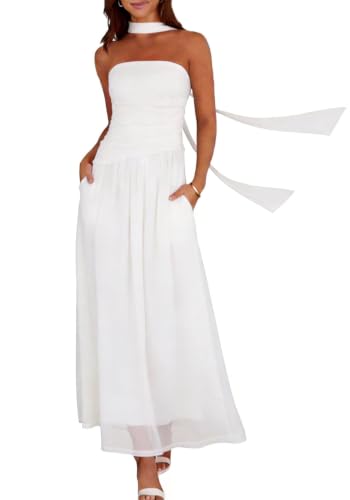
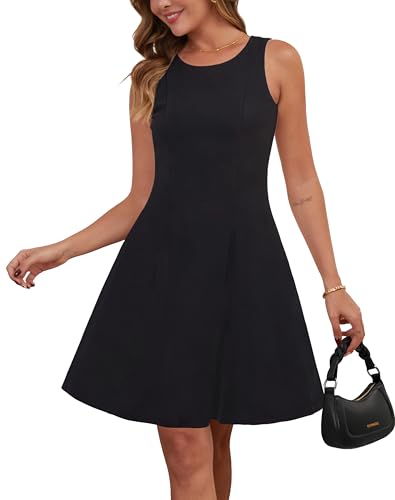
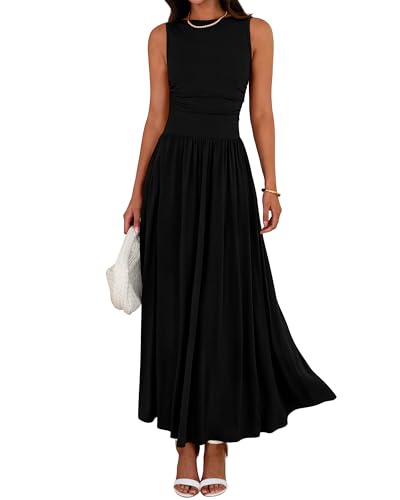
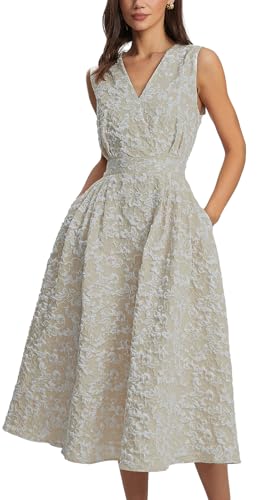
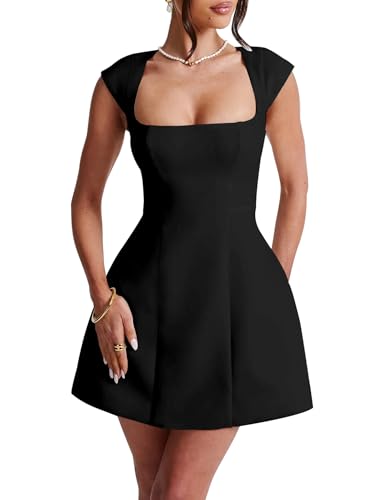
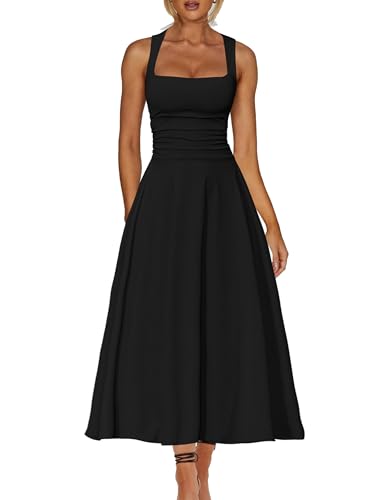
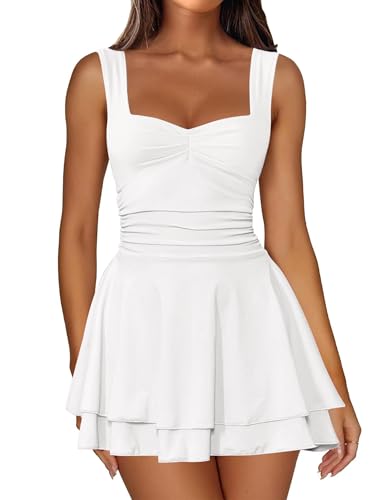
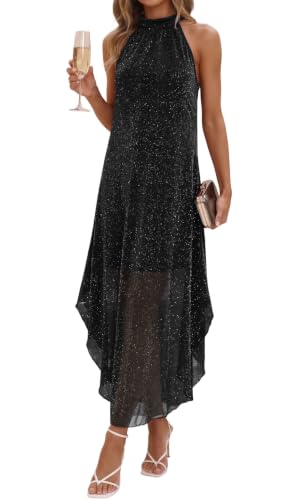
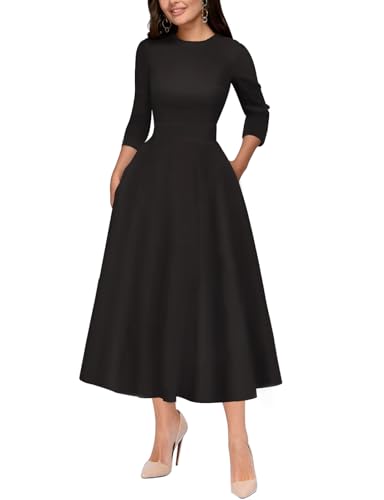
An A-line dress is fitted at the shoulders or bust and widens steadily toward the hem, forming the shape of the letter A. It is the most universally wearable dress silhouette because it skims the waist and hip rather than gripping either.This is a contemporary collection rather than a formal one. Midi lengths lead at around a quarter of the listings, short styles account for a similar share, and the labels appearing most often, including PRETTYGARDEN, ZESICA and MEROKEETY, are modern everyday brands rather than occasion-wear houses. Just under a third have sleeves and around one in five is sleeveless.Roughly three in ten listings mention weddings, so this is a strong page for wedding guest dressing. For formal floor-length cocktail wear, see cocktail dresses.
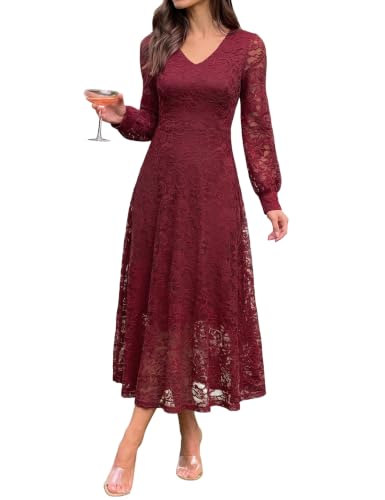
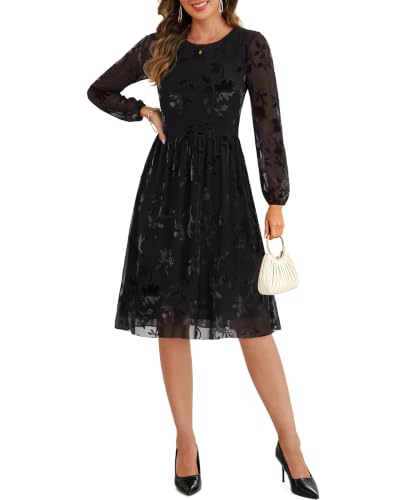
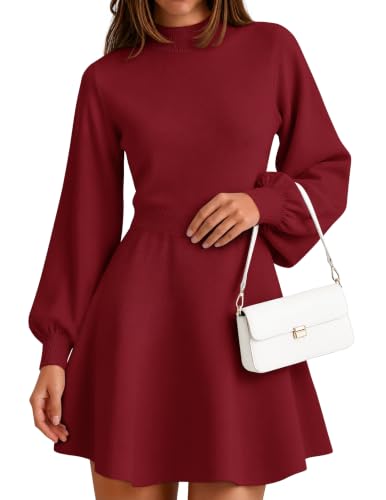
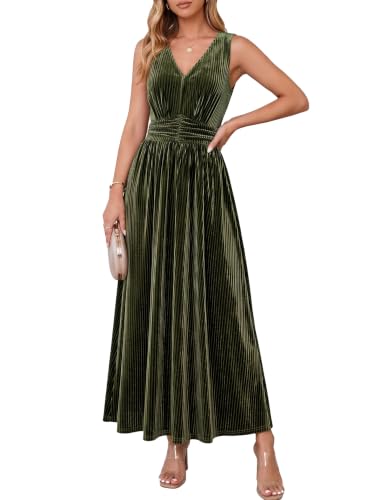
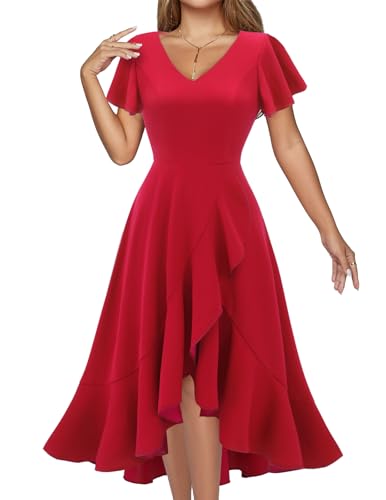
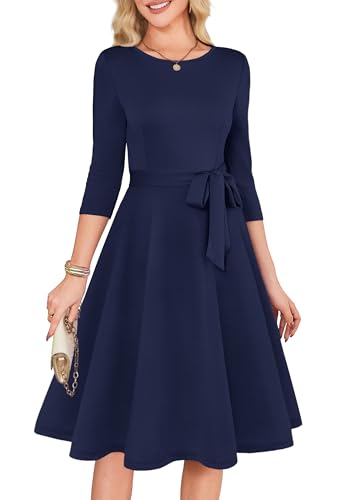
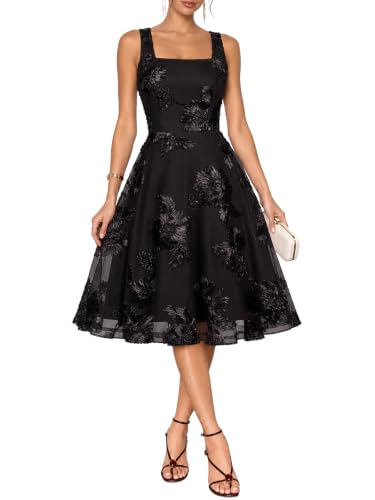
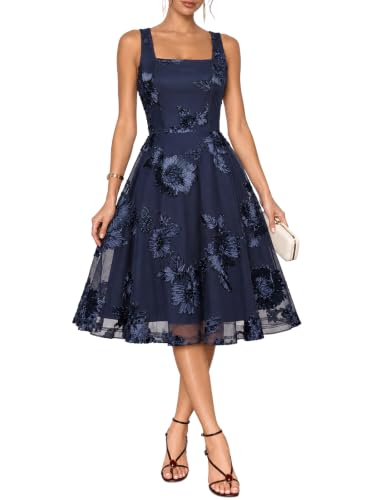
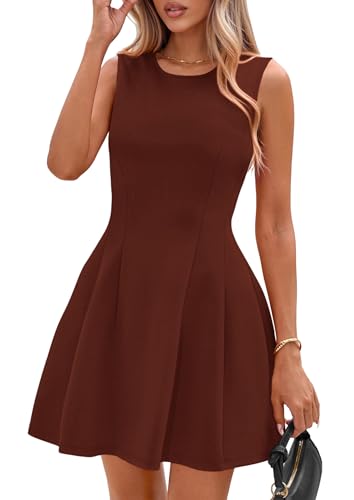
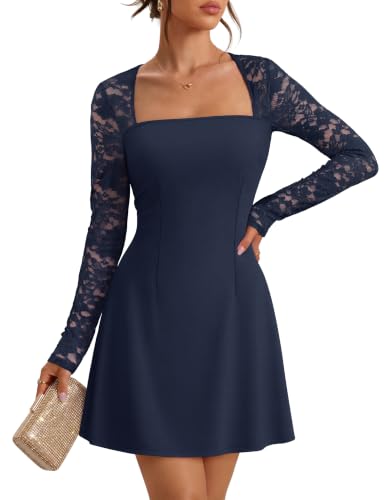
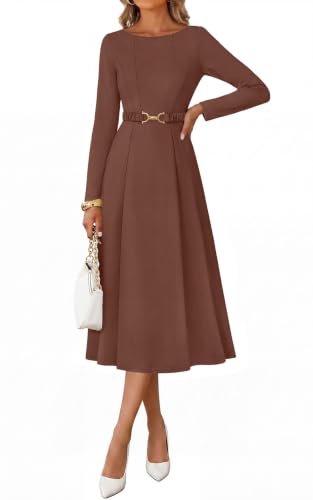

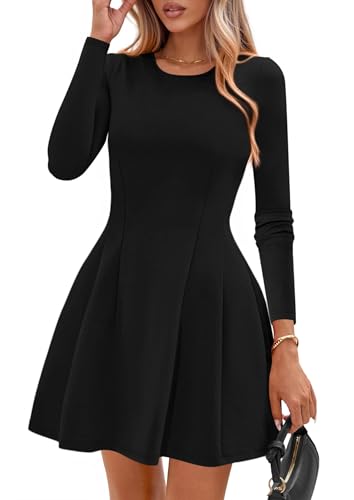
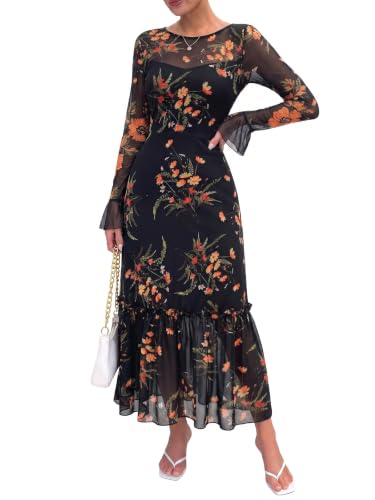
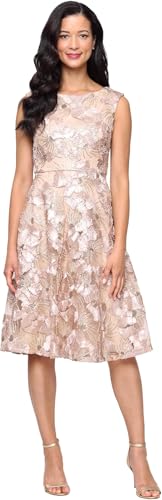
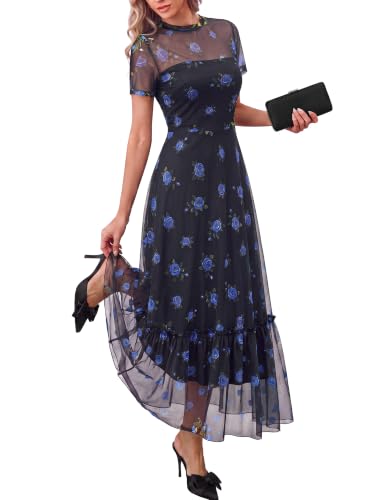
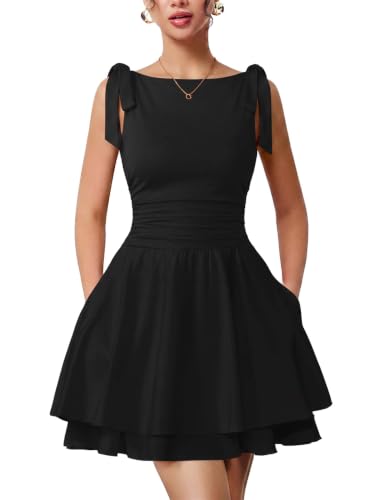
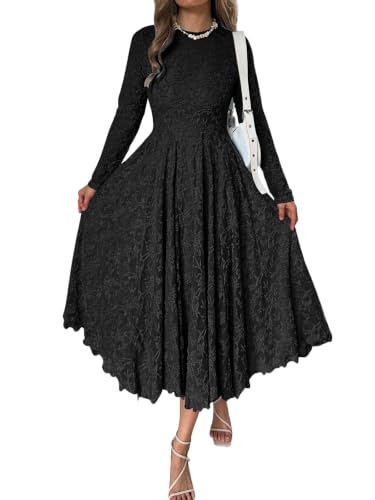
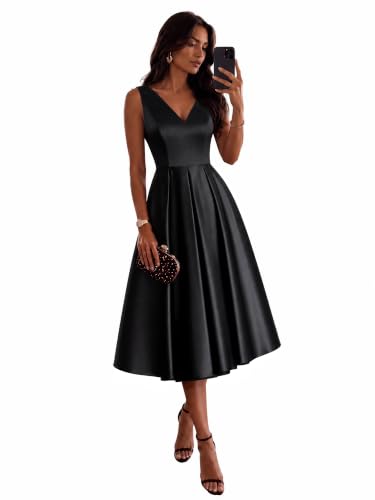
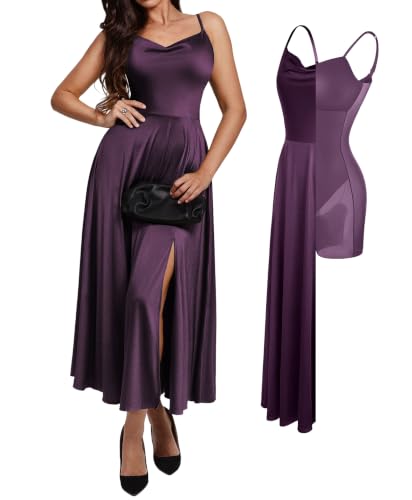
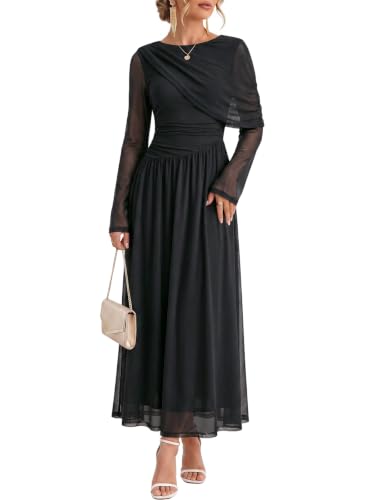
A-Line Cocktail Dresses: Frequently Asked Questions
What is an A-line dress?
A dress fitted at the shoulders or bust that widens steadily to the hem in a straight, continuous line, forming the shape of the letter A. Its defining quality is that it does not grip the waist.
What is the difference between A-line and fit-and-flare?
A fit-and-flare nips in at the natural waist before flaring, creating an hourglass shape. A true A-line does not define the waist at all. If a dress described as A-line shows a waist seam with gathering below it, it is a fit-and-flare and will behave differently.
Why is A-line considered flattering on most body types?
Because the widest point of the garment sits at the hem, well below the body's own widest point, so the dress never has to match your proportions to hang correctly. Only the bodice has to fit; everything below is decided by the cut.
Which measurements do I need?
Bust, and underbust for empire-waisted styles. Shoulder width matters for shift-style A-lines. Waist and hip are largely irrelevant, which is why this silhouette suits online buying better than fitted cuts.
Is this collection formal or contemporary?
Contemporary. Around half the listings use the word cocktail, almost none are gowns, and formal fabrics such as lace, chiffon and satin appear only rarely. These are modern dresses for wedding guests, dinners and semi-formal events.
Which length should I choose?
Midi is the largest group and has become the default for cocktail dressing, replacing knee length. Short styles suit daytime and less formal evening events, and because the silhouette is forgiving a shorter hem does not create the fit pressure a short fitted dress does.
Why does the neckline matter so much?
Because the skirt does nothing to define the body, the neckline is effectively the only shaping element in the design. When choosing between two similar A-line dresses, the neckline is usually the decision that matters most.
Do A-line dresses layer well?
Yes, better than fitted styles. Because the bodice is not tight, a cardigan, blazer or wrap sits over it without pulling, which is useful for events running from afternoon into evening.
Does fabric weight change the shape?
Noticeably. A stiffer woven fabric holds a crisp triangular line while a soft jersey drapes closer to the body and reads less structured. The same pattern produces visibly different results, so check the fabric description rather than judging from the photograph.
What A-Line Actually Means
The term is used loosely, so it is worth being precise. A true A-line is fitted at the narrowest point of the upper body, at the shoulder for a shift-style cut or at the bust for an empire cut, and flares in a straight, continuous line to the hem.
What it is not: a fit-and-flare, which nips in at the natural waist before flaring, creating an hourglass rather than a triangle. Not a skater dress, which flares sharply from a high waist. Not a shift, which falls straight without widening.
The distinction matters because the A-line's defining quality is that it does not grip the waist. If a dress is described as A-line but the photograph shows a defined waist seam with gathering below it, it is a fit-and-flare, and it will behave differently on the body.
Why This Silhouette Suits Almost Everyone
The A-line works across body types for a structural reason rather than a stylistic one. Because the widest point of the garment sits at the hem, well below the body's own widest point, the dress never has to match your proportions exactly to hang correctly.
A fitted dress must be right at bust, waist and hip simultaneously. An A-line only has to be right at the top. Everything below is decided by the cut of the fabric, not by your measurements.
This has a practical consequence when buying online: A-line dresses have a lower return rate than fitted styles because there are fewer ways for them to fit wrong.
Length in This Collection
Midi is the largest group at around a quarter of listings, followed closely by short styles. Maxi accounts for roughly one in eight, and floor-length options are a small minority.
For cocktail dressing, midi has become the default over the past several years, replacing the knee-length dress that defined the category previously. A midi A-line reads as current in a way that a knee-length version does not, which is worth knowing if the event photographs will be looked at years later.
Short A-line dresses suit daytime and less formal evening events. Because the silhouette is already forgiving, a shorter hem does not create the fit pressure that a short fitted dress does.
Cocktail Versus Formal
Around half of these listings use the word cocktail. Almost none are described as gowns, and formal fabrics are rare: lace, chiffon and satin each appear in only a small fraction of the collection.
That tells you what this page is for. These are contemporary dresses for wedding guests, cocktail hours, dinners, showers and semi-formal events, mostly in crepe, jersey and woven synthetics rather than in bridal or evening fabrics.
If you need a formal gown, this is the wrong collection and the formal dresses range is a better starting point.
Necklines
V-neck is the most common neckline here at roughly one dress in eight, followed by halter and off-shoulder cuts.
Neckline does more work in an A-line than in most silhouettes, because the skirt is doing nothing to define the body. The neckline is effectively the only shaping element in the design, which is why A-line dresses with plain round necklines can read as unremarkable while the same cut with a V or a halter reads as deliberate.
If you are choosing between two similar A-line dresses, the neckline is usually the decision that matters most.
Sleeves
Just under a third of these listings have sleeves and around one in five is explicitly sleeveless, with short sleeves the most common sleeved option.
A-line dresses layer particularly well, which is worth knowing if the event runs from afternoon into evening. Because the bodice is not tightly fitted, a cardigan, blazer or wrap sits over it without pulling, unlike a fitted sheath where an added layer distorts the line.
Fit Points
The A-line's forgiveness has a limit: it is entirely dependent on the bodice fitting correctly, since that is the only place the dress touches the body.
Measure your bust and, for empire-waisted styles, your underbust. Shoulder width matters for shift-style A-lines where the flare begins at the shoulder. Waist and hip measurements are largely irrelevant, which is unusual and is the main reason this silhouette suits online buying.
The exception is length. Because the skirt flares, a dress that is too long does not simply sit lower; it widens further at the point where it meets your legs, which changes the proportion. Compare the total length against your height.
Around one listing in sixteen is plus size, which is limited coverage for a collection this size.
Fabric and Structure
Because formal fabrics are rare here, most of these dresses are in crepe, jersey, woven polyester or cotton blends. That makes them practical for repeat wear and easy to care for, which suits a dress bought for a wedding you will attend once but want to wear again.
Fabric weight determines how the A-line hangs. A stiffer woven fabric holds a crisp triangular line. A soft jersey drapes closer to the body and reads less structured. Neither is better, but they produce visibly different results from the same pattern, so check the fabric description rather than assuming from the photograph.
Related Collections
For the full cocktail range including fitted and formal styles, see cocktail dresses. For wedding guest dressing specifically, browse wedding guest dresses. For A-line at formal lengths, see A-line formal dresses.